
(Credits: Far Out / Open Culture)
Sun 12 April 2026 17:23, UK
When the fiery Led Zeppelin broke onto the scene, they were a Promethean force. They seemed to have uncannily leapt right out of the frame of Caravaggio’s painting. But if you dip into Jimmy Page’s backstory, it becomes a little clearer how something so unique could arise seemingly on a whim.
Long before his frizzy hair ever ventured into the spotlight, Page was a session musician. On long days perched behind the mixing desk at Olympic Studios in London, bored stiff by more of the same from shoddy wannabes simply copying their peers, again, you get a glimpse at how Page’s creeping frustrations with the platidinal pop and a distinct lack of technicality could’ve curdled into the full force of the virtuosic Zeppelin.
So, those session musician days certainly served a vital puprose on the inspiration. They also served a purpose on the practicality front. Unlike a lot of scrappy musicians of the day, Page had actually made a pretty penny as a player on a plethora of the 1960s best songs, liberating Led Zeppelin to luxuriate in vital studio time.
But perhaps most importantly of all, long before he decided to ditch the desk and join the Yardbirds, he knew he could make a success of things. And he had a number one to prove it.
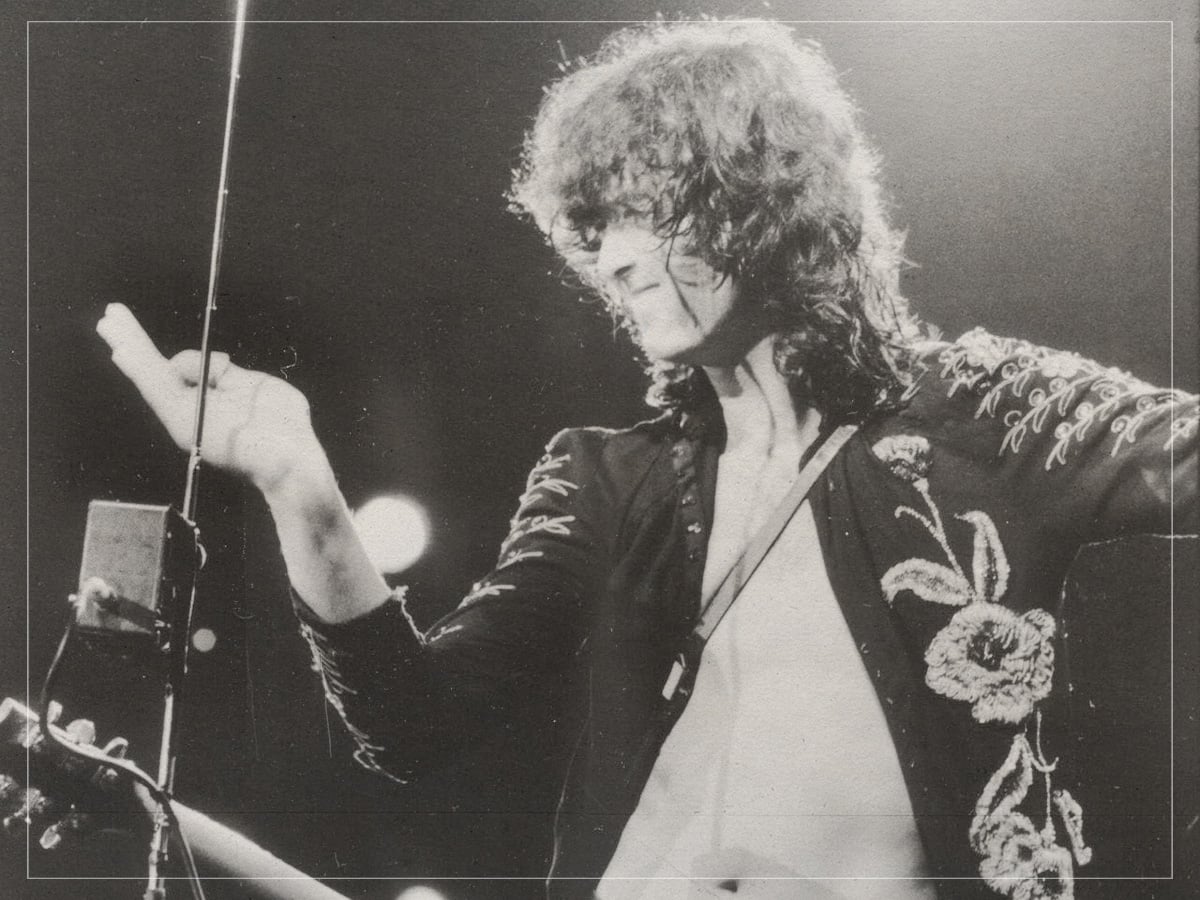
What was Jimmy Page’s first number one? (Credits: Far Out / Dana Wullenwaber)
It’s hard to fathom, but if Jimmy Page wasn’t backing The Who and The Kinks on rhythm guitar, he was doing lead work on early tracks by David Bowie and the Rolling Stones or lending his hand to Nico’s latest venture. Page was always busy. And he was always working with icons, borrowing little flashes of inspiration along the way.
Before The Beatles really took over the world and before The Rolling Stones would dominate the stage there was one band in England that everybody adored: The Shadows. Despite their huge popularity among the nation’s young guitarists, the band would eventually split off in varying staggered stages of departures.
Bassist Jet Harris and drummer Tony Meehan would break away from the group and develop their own project. It was here that Page would find his music at the top of the charts for the first time as the duo, fresh from leaving the revered Hank Marvin in the dark, came together to write and record the instrumental single ‘Diamonds’. They needed a guitarist to help flesh the track out, and luckily, they needed a young kid from Olympic Studios who could lay down a little acoustic guitar lick.
Arriving on the charts in January 1963, by the end of the month, the single had topped the singles chart and suggested that, despite his relatively small role, Page may well be one of the brightest musicians in London. This wasn’t lost on anyone in the industry, least of all Page.
He became one of the most sought-after session musicians around, ensuring that in the ensuing years, he would rub shoulders with legends and wonder whether he belonged among them in a more perfunctory capacity. Maybe even more pivotally, Page’s future Led Zep bandmate, John Paul Jones, also featured on the track.
A lot of stars aligned. Reflecting on the importance of these days in an interview with Trouser Press, Page commented, “It kept me off the road until such time as it became stagnant and it was time for a change. I was doing pretty well with Neil Christian, as far as money went, and to come out of that and go to art college on a $10 a week would seem like insanity to a lot of people, but I’d do it anytime if it were necessary – make a drastic change if it had to be.”
He was emboldened by success, and though it might take him five years to form Led Zeppelin, you can glance a glimpse of what they would become from this improbable early hit. A hit that “meant nothing” to Page, and perhaps that was equally influential on his Led Zep outlook, too.
ADD AS A PREFERRED SOURCE ON GOOGLE  The Far Out Led Zeppelin Newsletter
All the latest stories about Led Zeppelin from the independent voice of culture.
Straight to your inbox.