
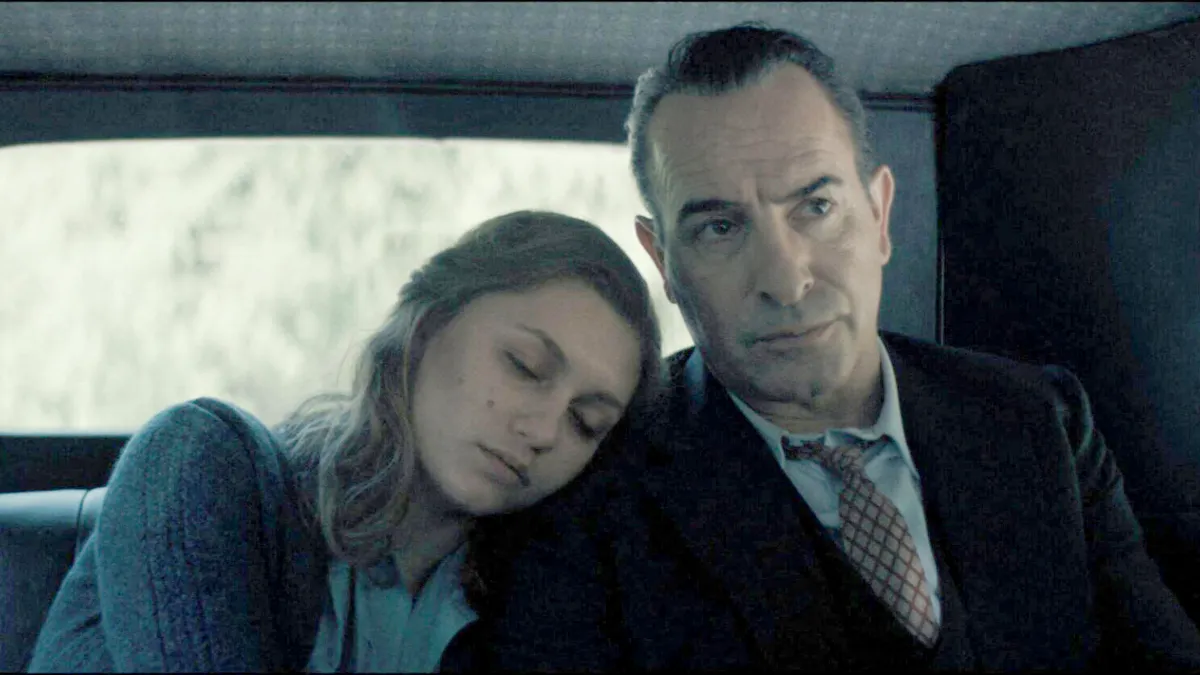
A new film starring the Oscar winner Jean Dujardin as a Nazi collaborator has reopened one of France’s most enduring historical wounds: its Vichy past.
The historical drama, Les Rayons et les Ombres (Rays and Shadows), tells the true story of a left-wing journalist’s journey from pacifism to collaboration as a mouthpiece for Nazi propaganda.
The director Xavier Giannoli said the film aims to understand what motivated Jean Luchaire, who was executed in 1946, without judging or excusing his actions.
Told from the perspective of his devoted daughter Corinne, it has ignited a row that lays bare France’s unfinished reckoning with collaboration and a political divide that persists today.
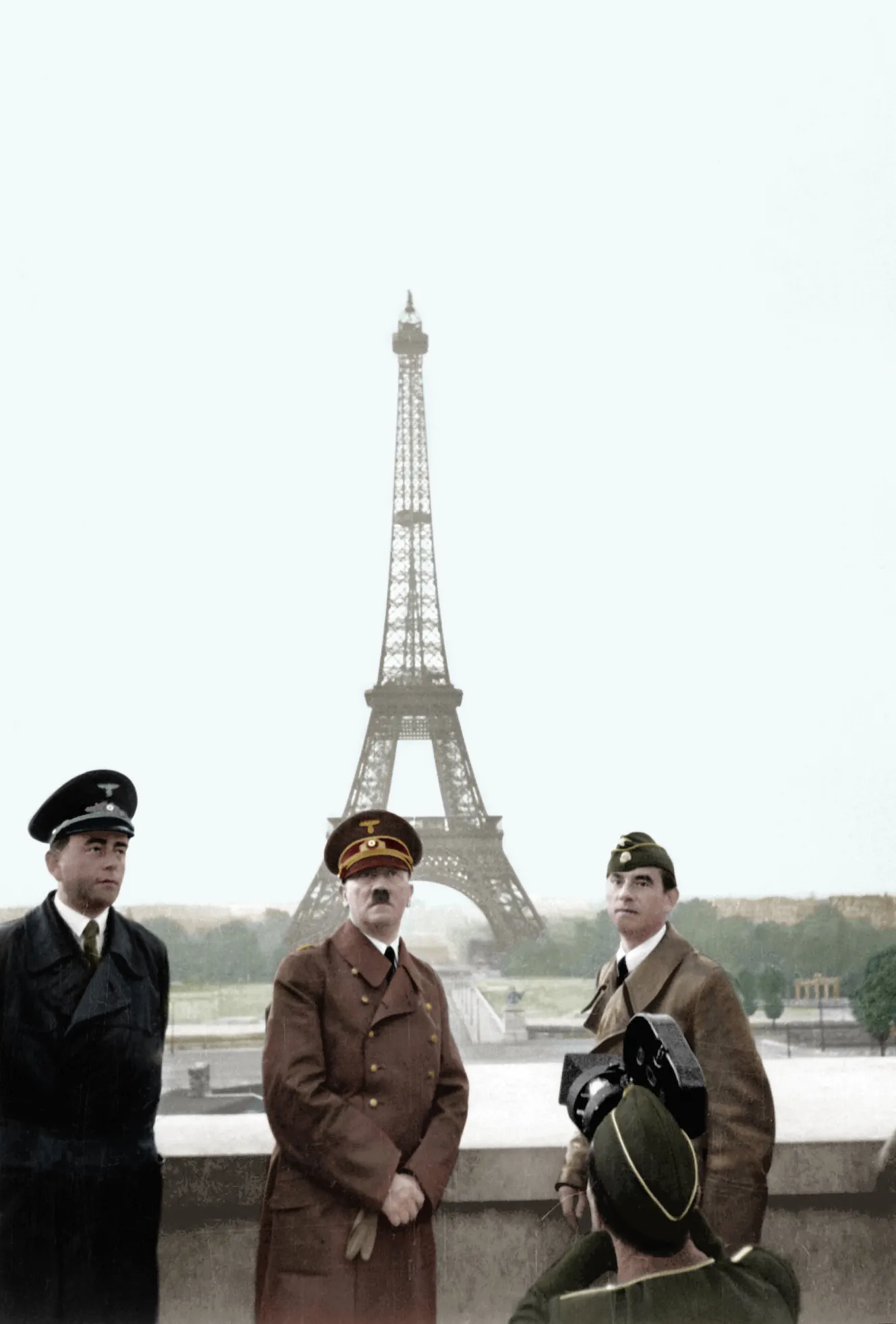 Adolf Hitler in front of the Eiffel Tower in June 1940Corbis /Getty
Left-wingers have accused Giannoli of “humanising” collaborators and “dehumanising” the French Resistance. Centrists and conservatives, however, have praised it as a masterpiece of historical nuance.
Dujardin, who won an Oscar for his role in the 2011 film The Artist, plays Luchaire with his customary charm and bonhomie. The journalist is portrayed not as a diehard ideologue but a champagne-guzzling socialite whose fecklessness leads him to embrace the evil of the Nazi killing machine.
Libération, the left-wing newspaper, described the film as “a masterclass of historical gaslighting”. The paper said it promoted “fascist alternative history” at a time when nationalist populism is on the rise and Marine Le Pen’s protégé Jordan Bardella is leading the polls for next year’s presidential election.
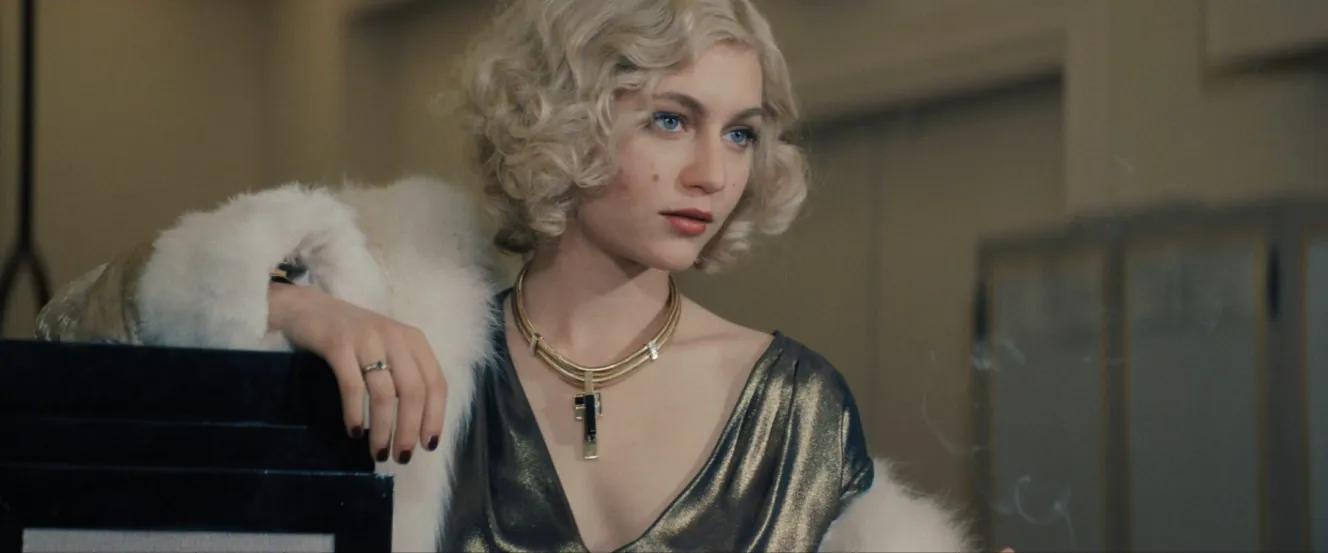 Nastya Golubeva Carax as Corinne
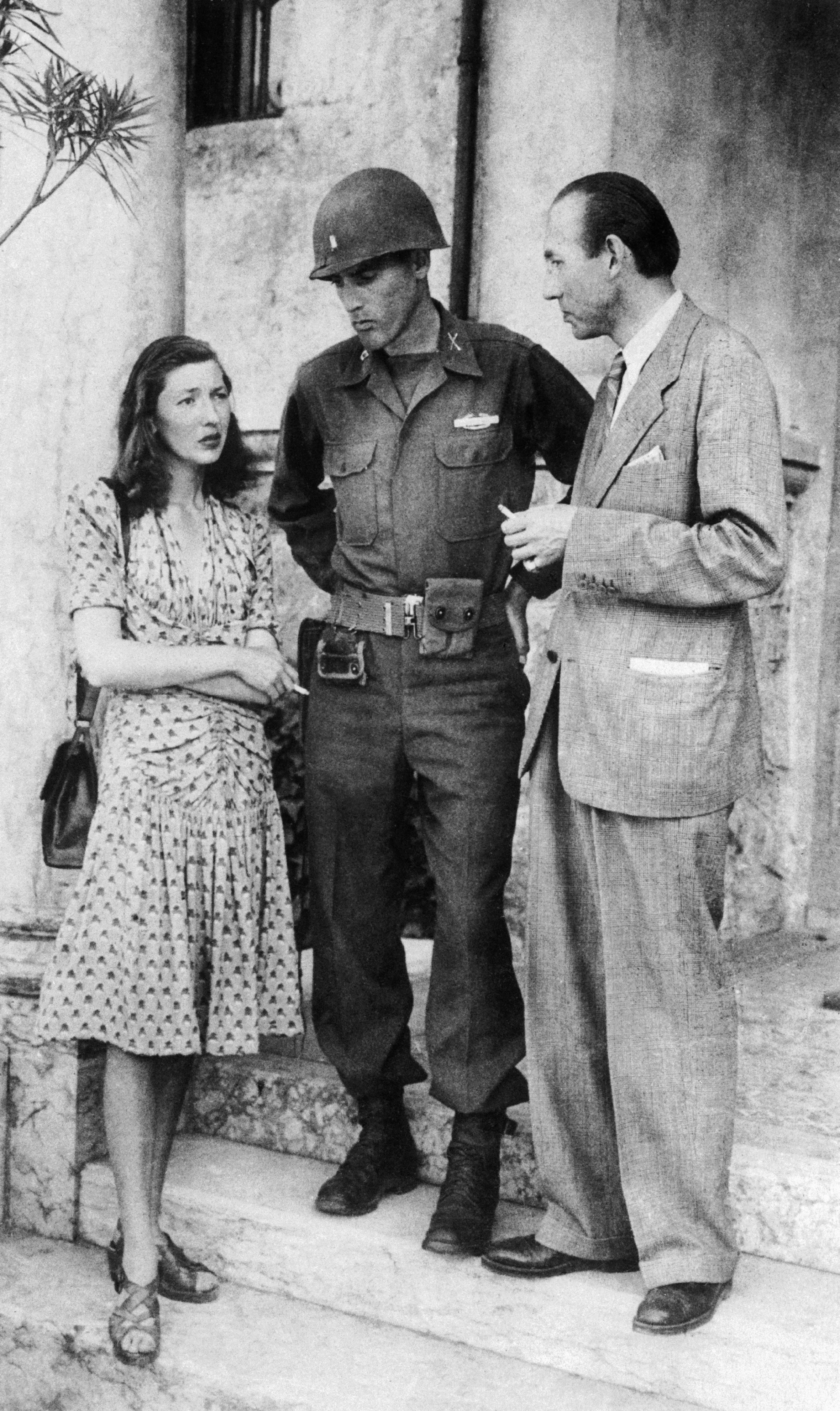 Corinne and her father Jean Luchaire with a US soldier in Merano, Italy, 1945Keystone-France/Gamma-Keystone/Getty
L’Humanité, the Communist Party paper, condemned the film as a “dangerous rewrite” of history. “The film depicts some collaborators, especially Jean and Corinne Luchaire, as people caught up in the current of history,” the paper said. “This choice partly exonerates their actions. Resistance fighters are shown as vicious and opportunistic.”
Giannoli denied that the film defended collaboration. “There is no question of rehabilitating collaborators. It seeks to restore the humanity of these figures who were thrown into this moment of history.”
The topic of collaboration became a postwar taboo in France as Charles de Gaulle constructed the myth of “résistancialisme”, a proud narrative that France largely liberated itself from the Nazis, which he crafted to unite a fractured nation.
When the director Louis Malle dared to depict the ambiguities of collaboration in his 1974 film Lacombe, Lucien, the ensuing torrent of condemnation forced him into temporary exile in the United States.
Anticipating a similar critical backlash against his film, Giannoli painstakingly checked the facts with Pascal Ory, a historian of the period, “because nobody would forgive me if I told just one lie”. The film-maker said Ory warned him that “neither would anybody forgive me if I told the truth”.
Le Figaro, the conservative newspaper, commented: “It is indeed the historical truth emerging from this film that disturbs its denigrators.”
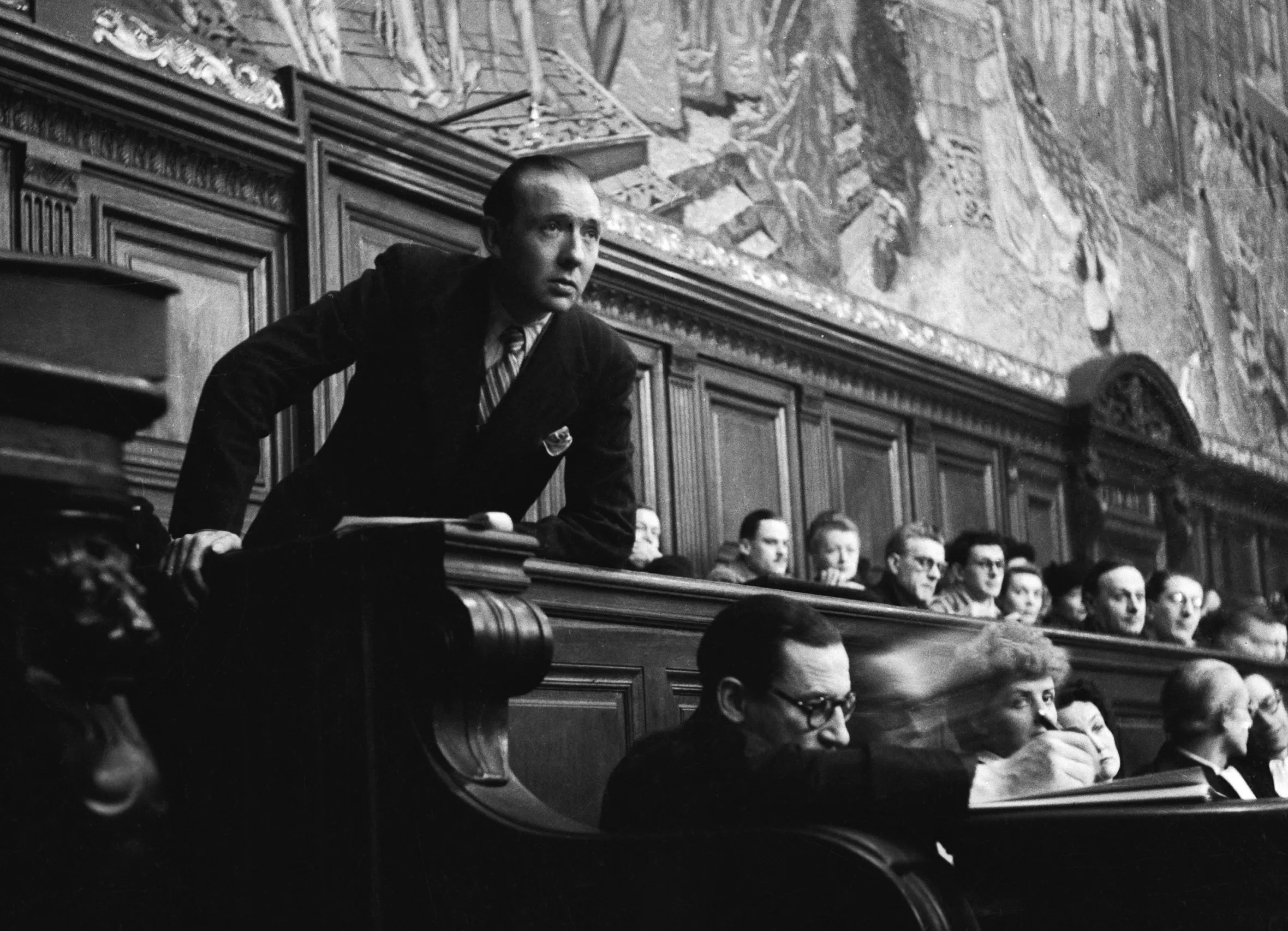 Jean Luchaire at his trial Keystone-France/Gamma-Keystone/Gettyimages
Its title is borrowed from Victor Hugo’s 1840 poetry collection, Les Rayons et les Ombres, in which he contended that there is good and evil in everyone.
“Every man on earth has two faces, good and evil. To blame everything is to understand nothing,” Hugo wrote.