
European airports may face fuel shortages very soon if the Strait of Hormuz remains blocked for over three weeksOlivia Beeson and Nicola Croal Trends, Showbiz and Lifestyle Writer
15:59, 12 Apr 2026
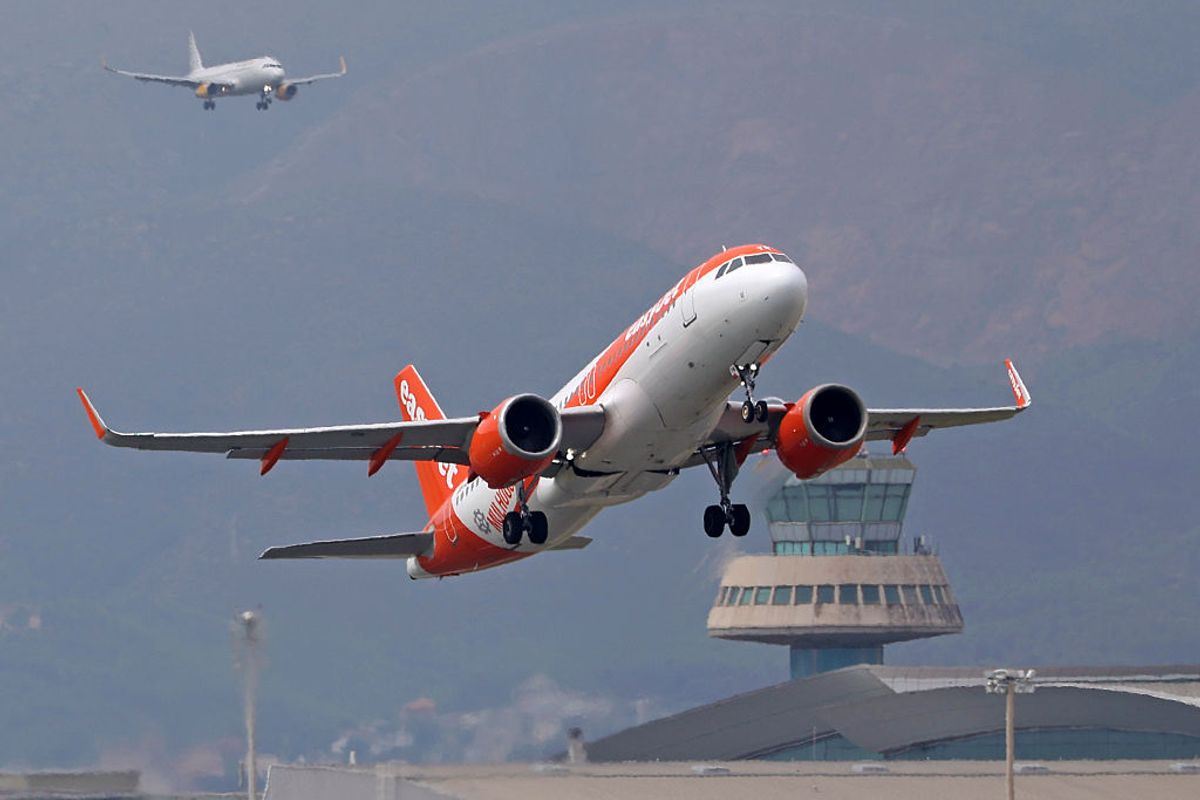
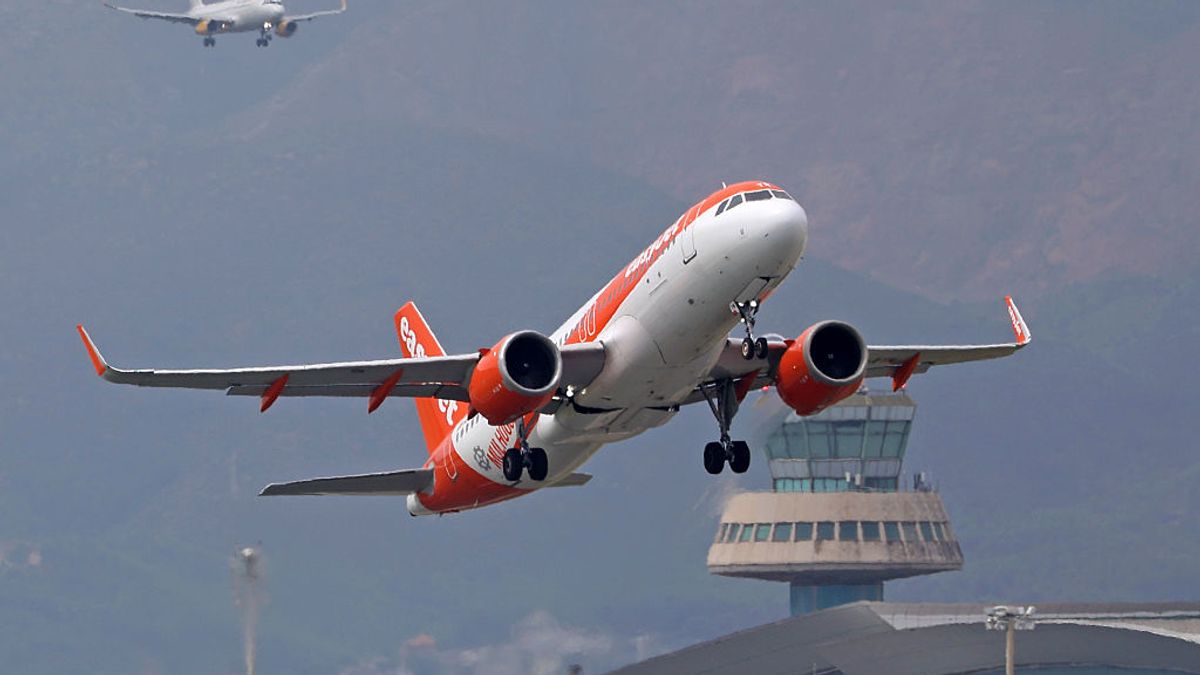
UK airlines warn of cancellations as negotiations continue between Iran and the US (Image: Joan Valls/Urbanandsport/NurPhoto via Getty Images)
European airports are at risk of “systemic” fuel shortages if the Strait of Hormuz remains blocked for more than three weeks, according to warnings from industry experts. ACI Europe, which represents EU airports, has warned that jet fuel reserves are running low, with additional supplies threatened by “the impact of military activity on demand”.
Although ceasefire talks and negotiations are currently underway, airlines will continue to feel the ‘ripple effects’ as the impact of reduced gas supplies spreads across the globe. With JD Vance confirming today that “no deal” has yet been secured, the consequences could begin to materialise as early as the week starting May 4.
A letter seen by the Financial Times warned of “increasing concerns of the airport industry over the availability of jet fuel as well as the need for proactive EU monitoring and action. If the passage through the Strait of Hormuz does not resume in any significant and stable way within the next three weeks, systemic jet fuel shortage is set to become a reality for the EU.”
While major airlines hold several weeks’ worth of fuel stocks, the looming peak summer holiday season has intensified concerns about both supply and cost. Ryanair has warned that if the conflict continues beyond this month, disruption will begin from May onwards., the Express reports.
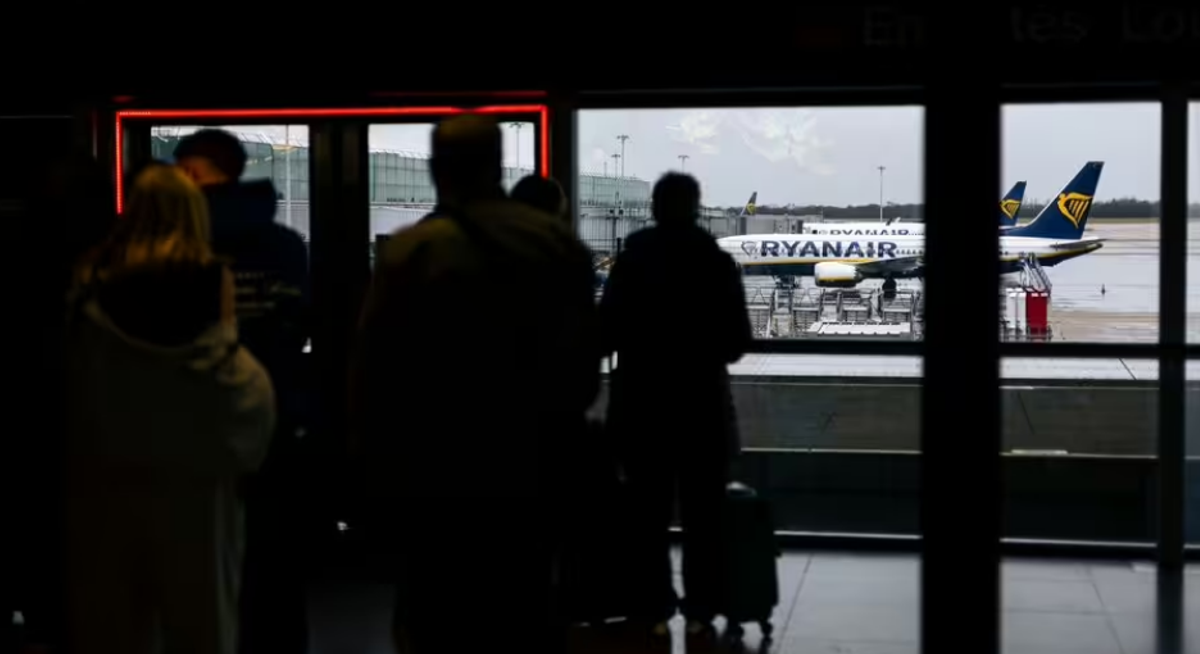
Flights could be impacted in May if the Strait of Hormuz is not fully reopened(Image: Getty)
Ryanair boss Michael O’Leary said: “Fuel suppliers are constantly looking at the market. We don’t expect any disruption until early May, but if the war continues, we do run the risk of supply disruptions in Europe in May and June.
“We hope the war will finish sooner than that and the risk to supply will be eliminated. We think there is a reasonable risk, some low level, maybe 10 per cent to 25 per cent of our supplies might be at risk through May and June.
“So like everyone else in this industry, we hope the war ends sooner rather than later.
“If the war finishes by April and the Strait of Hormuz reopens, then there is almost no risk to supply.”
Although there have been reassurances that travel would continue as normal if negotiations prove successful, suppliers have reportedly been unable to guarantee deliveries beyond May.
European jet fuel prices hit a record high of $1,900 per metric tonne this week, according to industry publication Argus.
The dramatic increase could lead to possible shortages in the months ahead.
EasyJet boss Kenton Jarvis warned that pricing had become “volatile” since this “terrible war started”.
However, he reassured that the carrier remains “well hedged” on its supplies.
The threat of cancellations comes after jet fuel restrictions were introduced at four Italian airports last weekend due to supply disruptions.
Air New Zealand has also cancelled several flights because of spiralling fuel costs.