
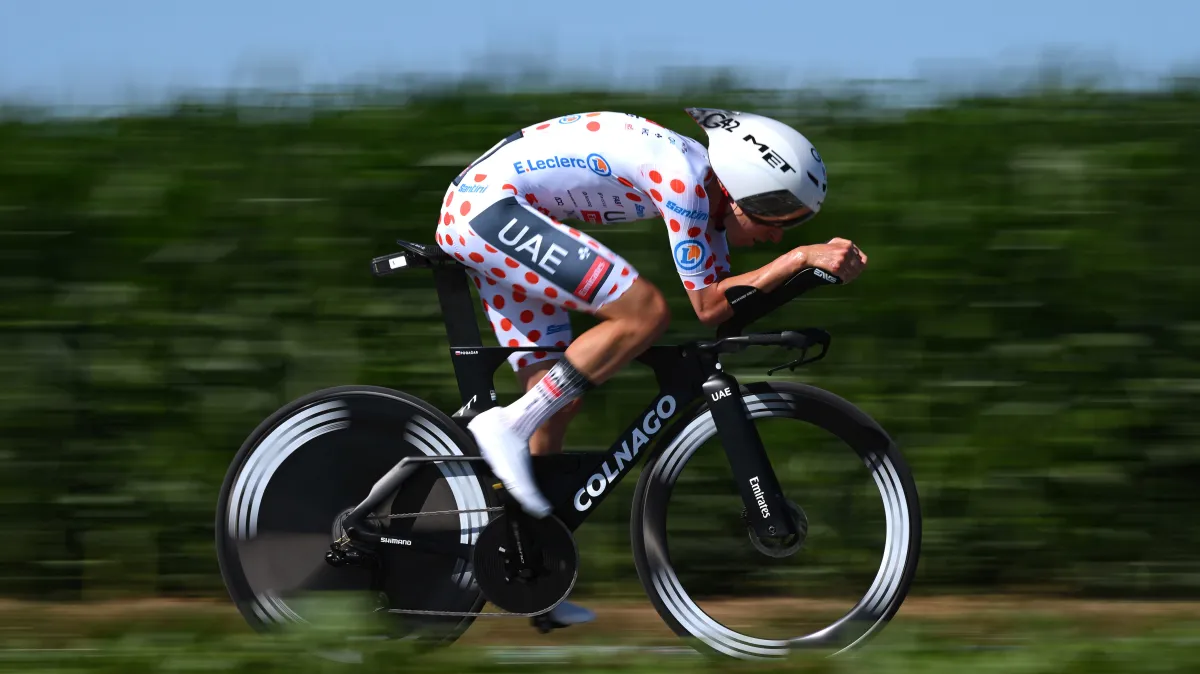
As I slipped out for a quiet morning ride, a quick check that my electronics were charged inadvertently became my first tallying of them — between my bike and my body there were 15 discrete batteries. These were powering a humming peloton of sensors and silicon, each one reporting to my bike computer like some Orwellian sibling on my every watt, heartbeat and breath and, no doubt, on my moral character.
Rather than being pernicious, these tiny digital snoops and the AI processing behind them have brought metrics, data and performance and training insights to the amateur rider that only a few years ago would have been the exclusive preserve of a world tour cycling team and required the use of a wind tunnel, medical labs and an army of support staff. The wearables and tech have become so good and delivered so much data, they have necessitated the recruitment of AI to process it, as the volume has outpaced human analysis.
Here’s the best electronic kit your bike and body can carry, and the AIs that process it.
All recommendations within this article are informed by expert editorial opinion. If you click on a link in this story we may earn affiliate revenue
Gibli Tech aero sensor
 Gibli G10 Sensor
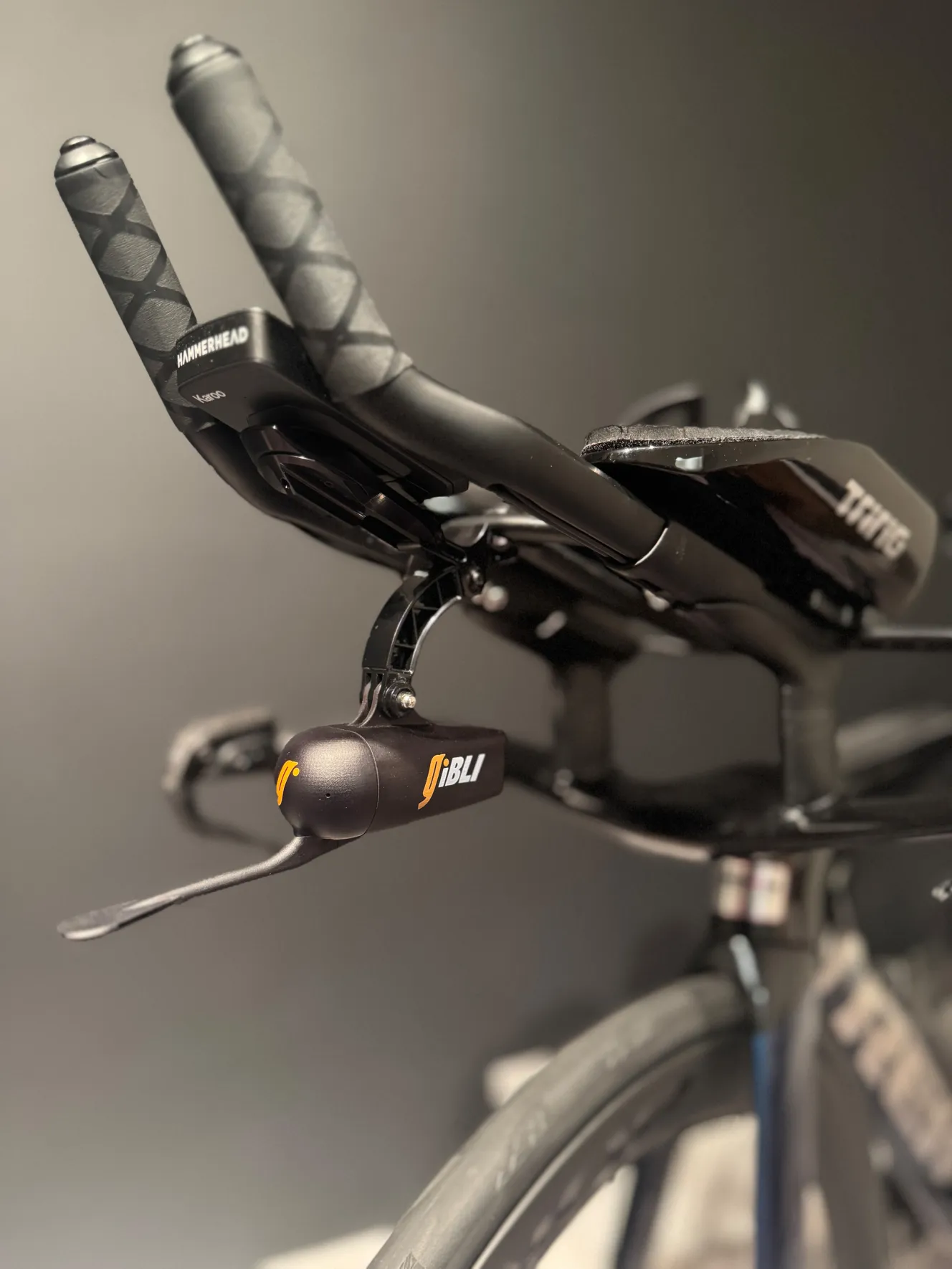
Gibli Tech has won a trio of awards in the past few years and is a partner of the Lotto-Intermarché pro cycling team. Its G10 Sensor (£927) is a phenomenal piece of technology consisting of a small pod and a pitot tube that sits under your handlebars and transmits wind speed, allowing the computation of your real-time aerodynamic drag coefficient (CdA) data — like having your own personal wind tunnel. Above 15mph air resistance is the largest force to overcome and it can have a huge impact on speed. Essentially this will help you refine your position on the bike to be more “aero”. As Gibli’s co-founder Mark Ernsting says, “You can get faster without getting stronger.”
Continuous glucose monitor
 Dexcom G7 CGM
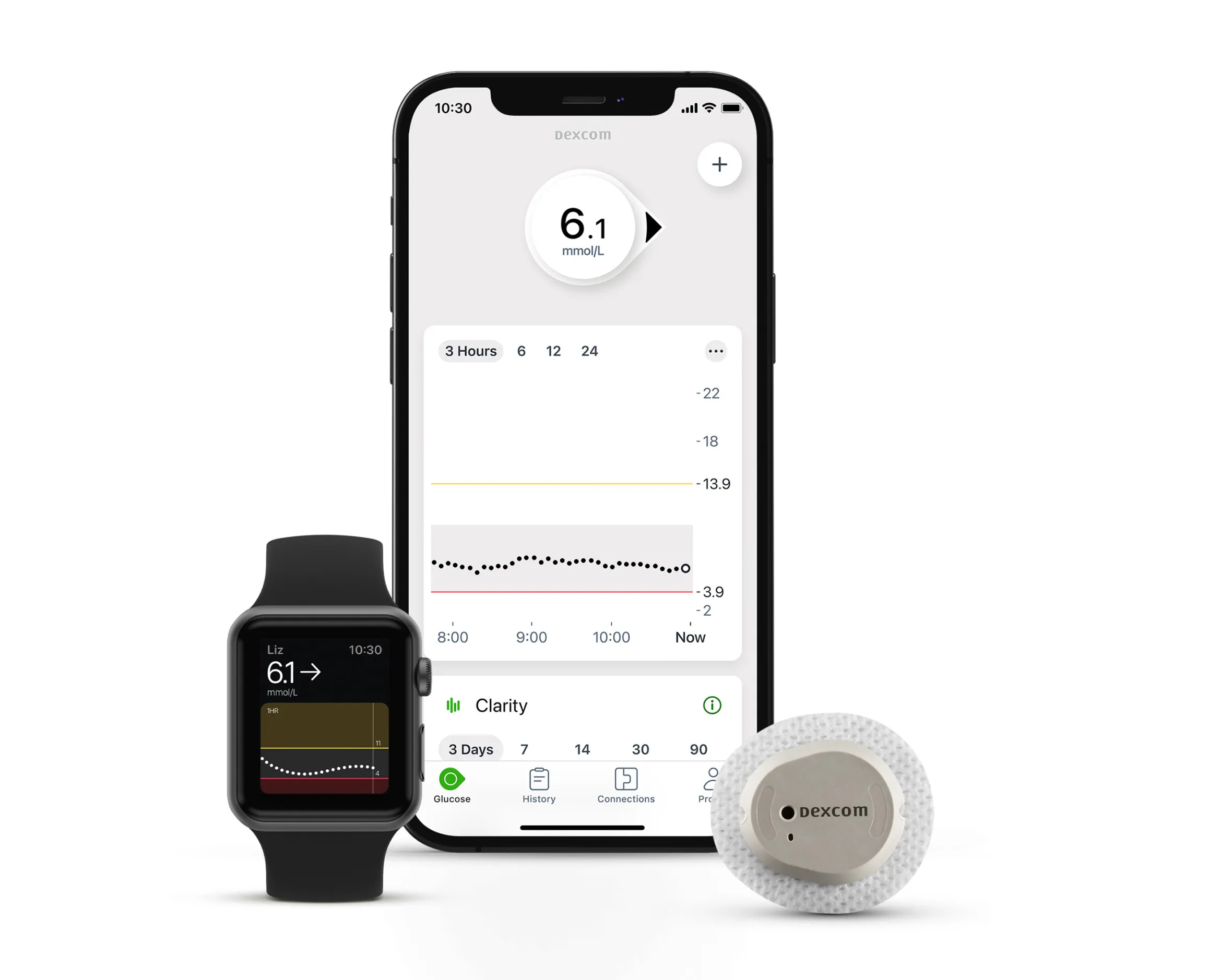
As well as changing the lives of diabetics and allowing them to exercise more safely, a continuous glucose monitor (CGM) like the Dexcom G7 (about £50) is used by elite athletes to provide real-time glucose tracking direct to a cycling computer.
“When glucose dips too low, fatigue kicks in and the brain downregulates motor output to safeguard itself,” says the double Olympic gold medallist Alistair Brownlee (who last year co-created Truefuels, a high-performance nutrition company that makes carb/energy gels). “And spikes too high trigger an insulin response, destabilising energy, so maintaining a tight homeostasis is everything. A CGM gives real-time insight into this metabolic tightrope, [allowing you] to stay within your personal optimal window of 90-140 mg/dL. Finding and holding yours with CGM data [and] balanced carbs such as we’re developing at Truefuels is one of the most powerful edges in modern endurance sport.”
Hdrop hydration monitor
 Hdrop Wearable Hydration Monitor
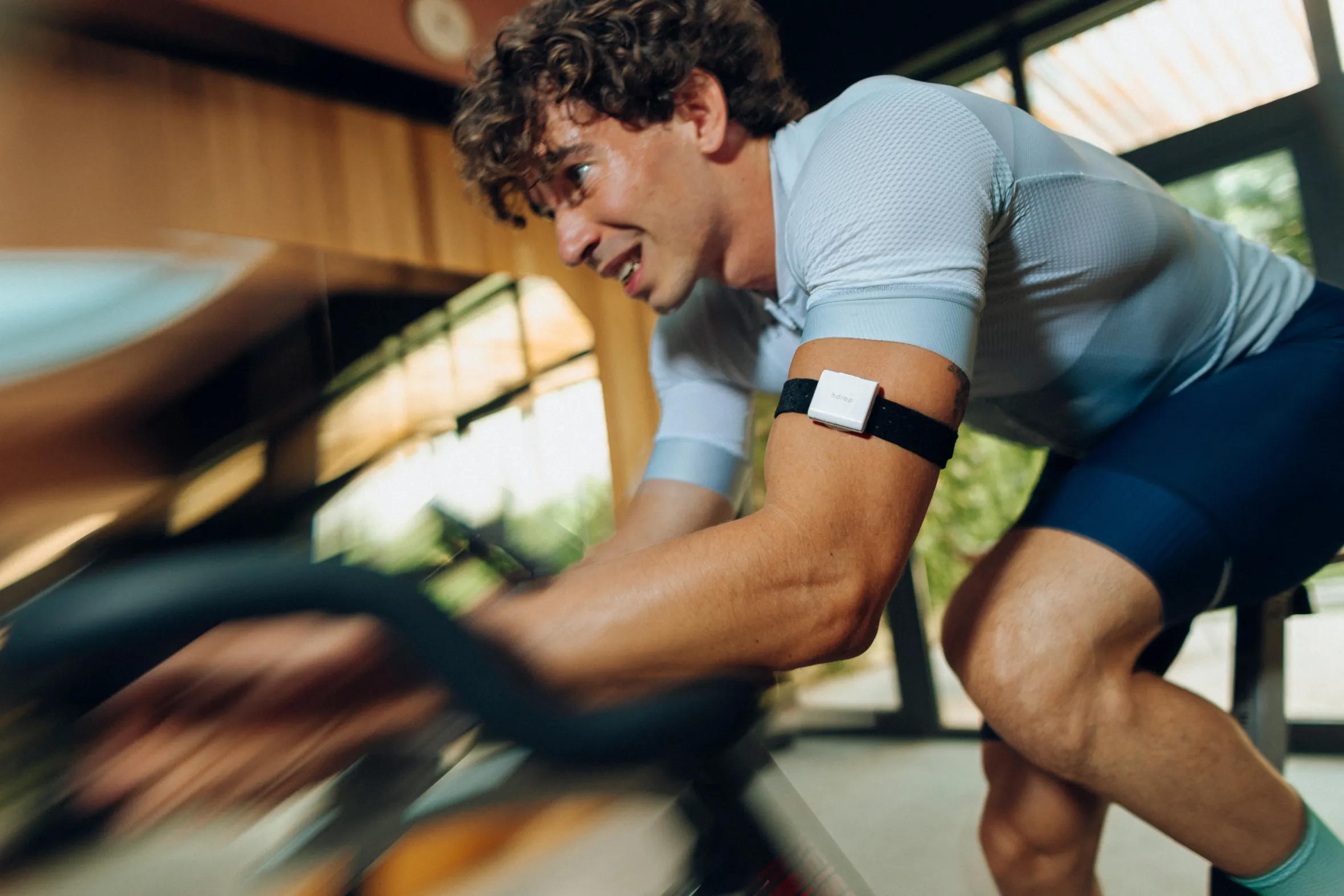
Hdrop’s (£189) wearable sweat sensor is worn on the upper arm or chest (on a heart-rate monitor strap works well) under something like Assos’s definitive high-performance jersey. It tracks your sweat rate, sodium and potassium losses and body temperature (for those embracing heat-training) and is USB-rechargeable. Excessive electrolyte losses and dehydration have a cascading effect on performance, so Hdrop’s sensor keeps you hydrating adequately and can tell you if you need to reach for your water bottle or something with electrolytes (by Puresport, for example) in it.
Tymewear breathing sensor
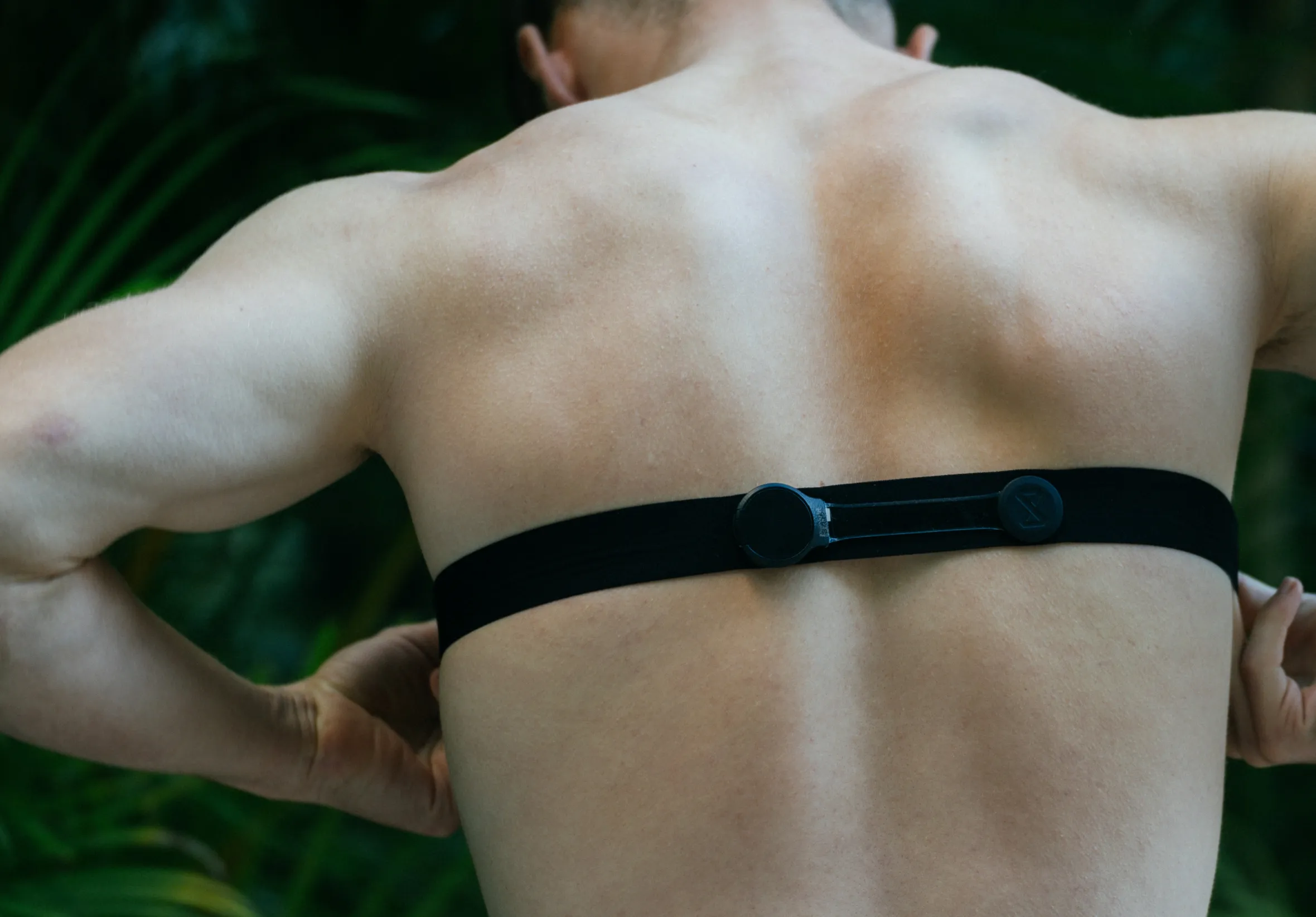 Tymewear VitalPro
Tymewear’s VitalPro (£300) combined heart-rate and ventilation (breathing rate and tidal volume) sensor is taking both the cycling and running worlds by storm. Zone 2 training couldn’t be more in vogue currently; it’s a way to generate lots of adaptation signalling “with a lower stress and fatigue cost”, says the company’s CEO, Arnar Larusson. So you can “recover more easily [and] generate the signalling day after day”. Essentially improving more and faster. Tymewear uses ventilation and heart-rate data to pinpoint your unique “Ventilatory Thresholds” in real time, identifying the metabolic inflection points where your body shifts energy systems from fats to carbs/glucose. Independent studies found that training with VT is more than twice as effective as using antiquated estimations based on heart-rate percentages.
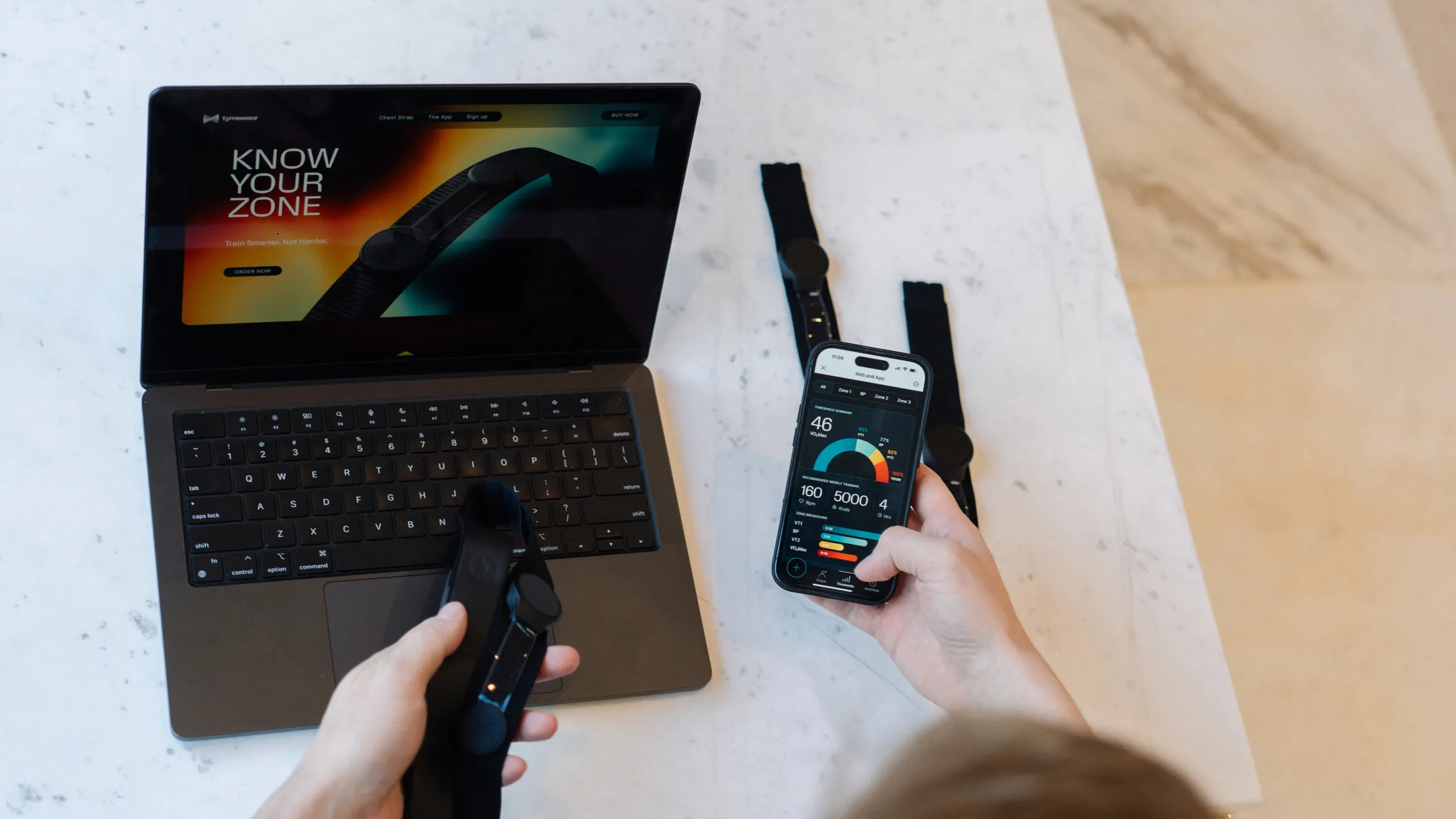 Tymewear’s AI guide will work out the most efficacious training for you
Furthermore, by pinpointing your thresholds, Tymewear’s AI can guide you to the bottleneck in your ability and identify the most efficacious training for you as an individual. Tymewear’s monitor and AI replace a human-performance lab and a team of sports scientists and technicians.
Vekta performance analysis
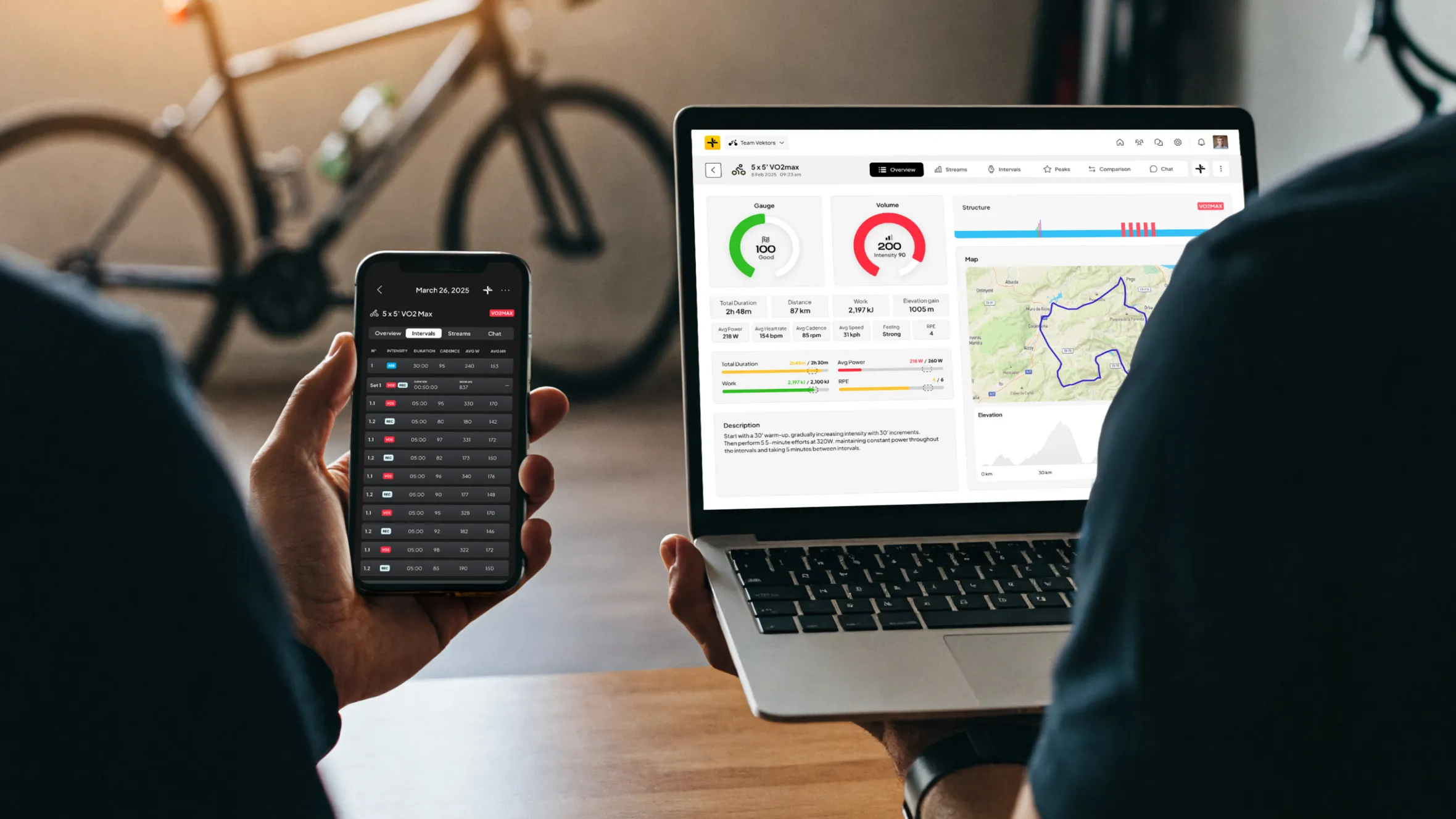 Vekta
Vekta
Vekta (£157 a year) is a powerful AI platform with an intuitive app that lives on your smartphone. It dynamically analyses every metric generated during exercise, becoming your personal coach. It’s so good that it’s now used by about 50 per cent of the world’s pro cycling teams.
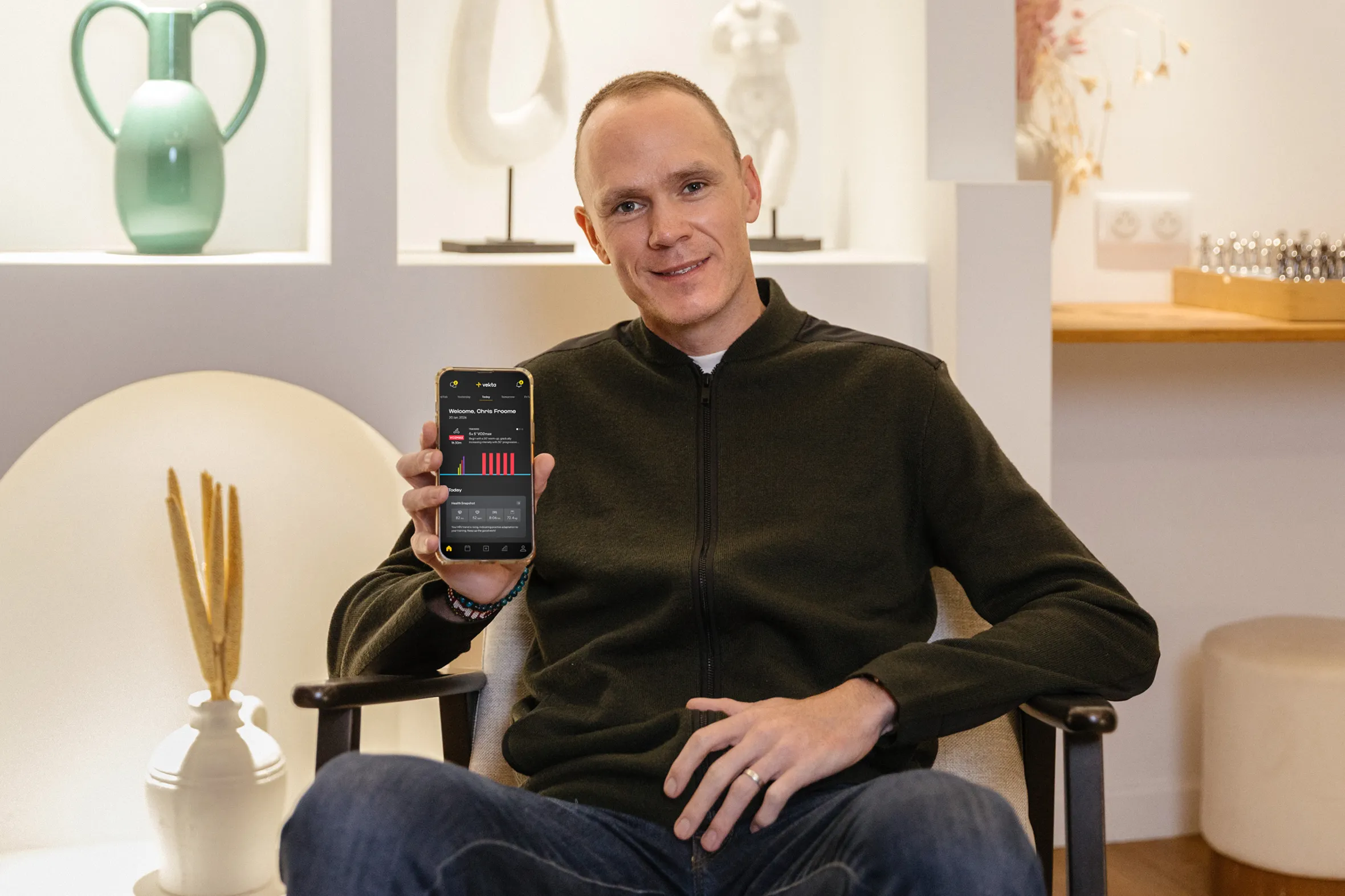 The champion cyclist Chris Froome is now Vekta’s chief innovation officer
As the quadruple Tour de France winner (and Vekta’s new chief innovation officer) Chris Froome explains: “Cycling has always embraced technology and data. At the highest level the difference rarely comes from simply doing more; it comes from understanding what to do, when to do it and how your body is responding. Data gives you that feedback loop. Used properly it allows you to maximise the return on the time you’re able to train.”
Cycle computer
These incredible information hubs wrangle huge quantities of data from potentially 15 or more simultaneous wireless connections. It’s more or less a three-company oligopoly: Garmin (Edge 1050 £650) has the most complete training software and feature set married to a very long battery life, but it can be frustratingly complex and a little unintuitive to use, which makes the learning curve steep.
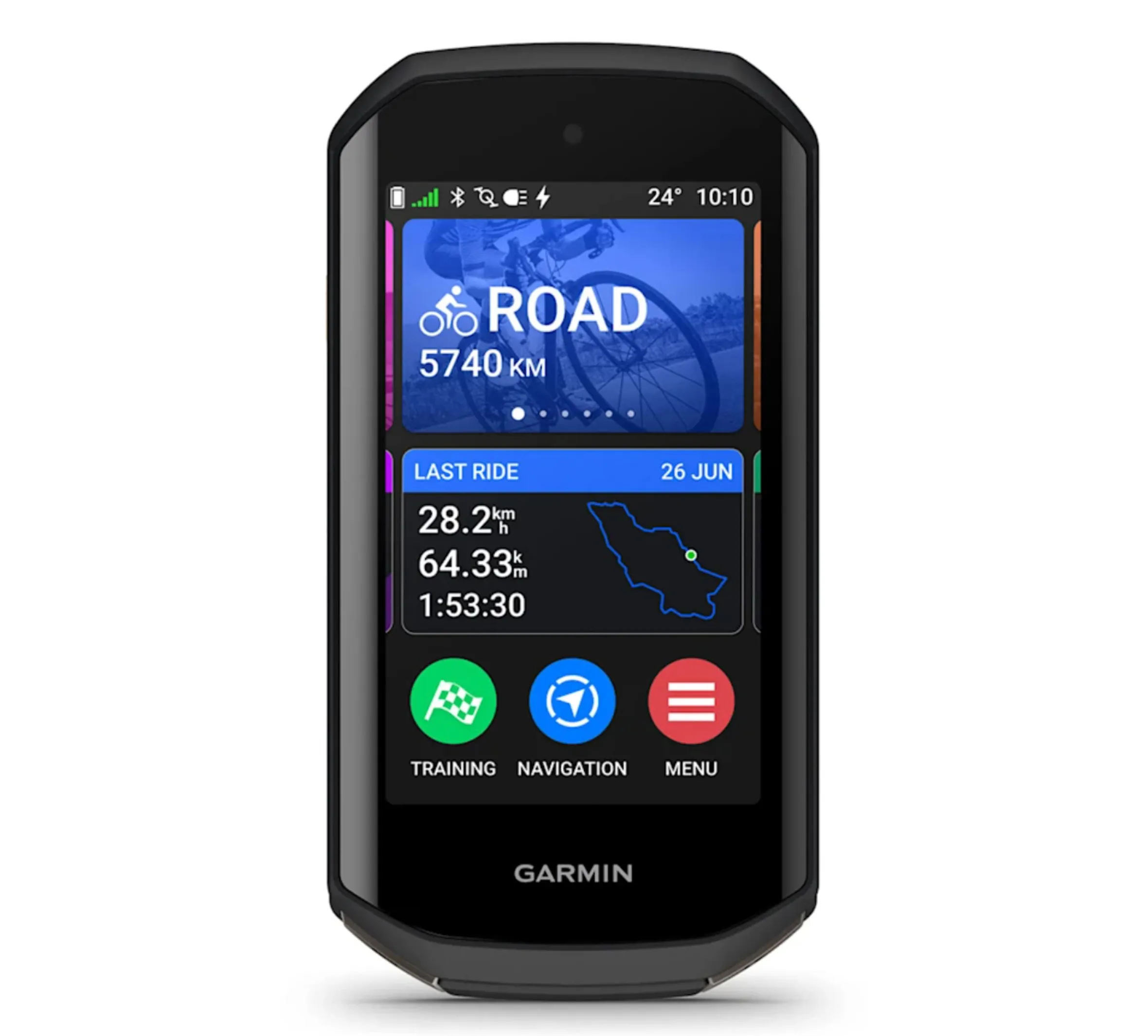 Garmin Edge 1050
Hammerhead’s Karoo (£450) is a powerful and streamlined computer that offers the best integration with SRAM gears and groupsets and has the sharpest, brightest screen. Its firmware is also updated every two weeks on average, so new features are added regularly, and the company values user feedback and suggestions.
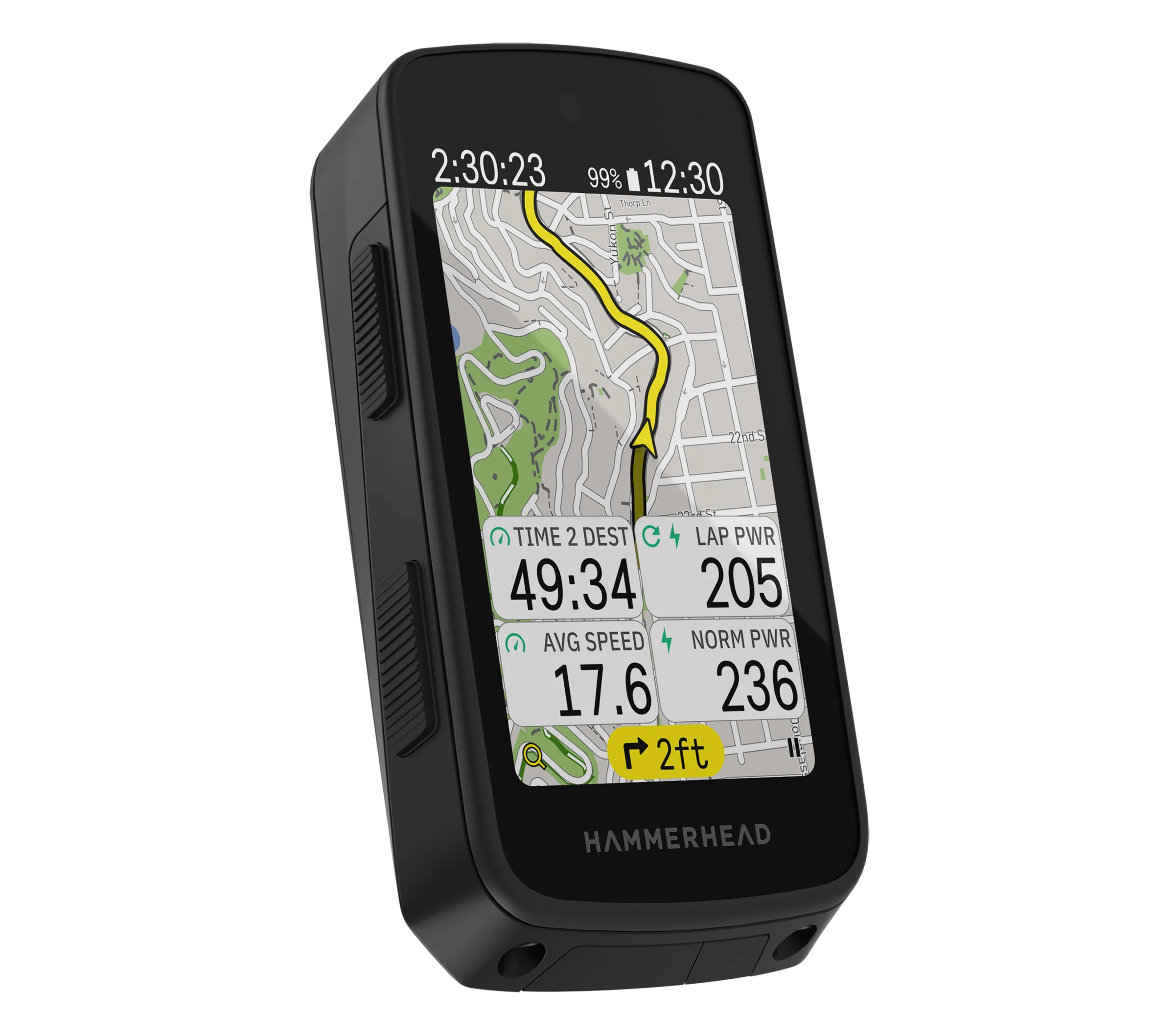 Hammerhead Karoo
Wahoo computers (£300-£450) fall somewhere between the other two: they’re very stable, easy to use and feature a rich training suite that moves easily from real outdoors riding to controlling simulations of your outdoor rides on its indoor trainers, automatically adjusting resistance to mimic the trail. Its Elemnt Ace also features an integrated wind sensor and has by far the biggest screen out there.
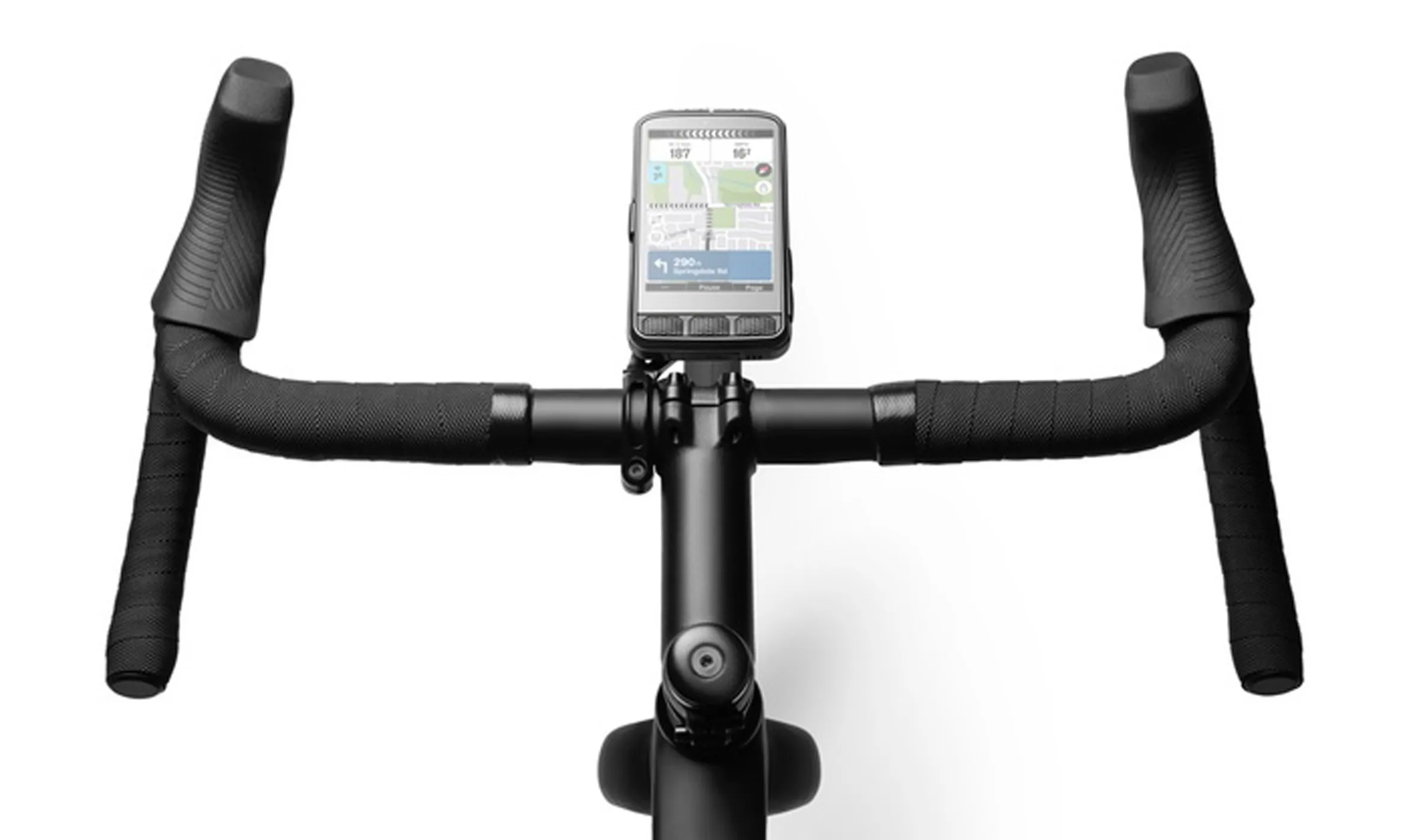 Wahoo Elemnt Ace
Power meter
It’s Tadej Pogacar’s mind-bending ability to produce perhaps more than seven watts of power per kilo of his bodyweight (for 40 minutes) that takes him uphill at a rate embarrassing to mountain goats. A crank-based power meter to measure your watts is perhaps the most fundamental training tool and data snoop you can acquire. The lightest and most accurate come from SRAM/Quarq (£230-£800) and 4iiii (£350-£550).
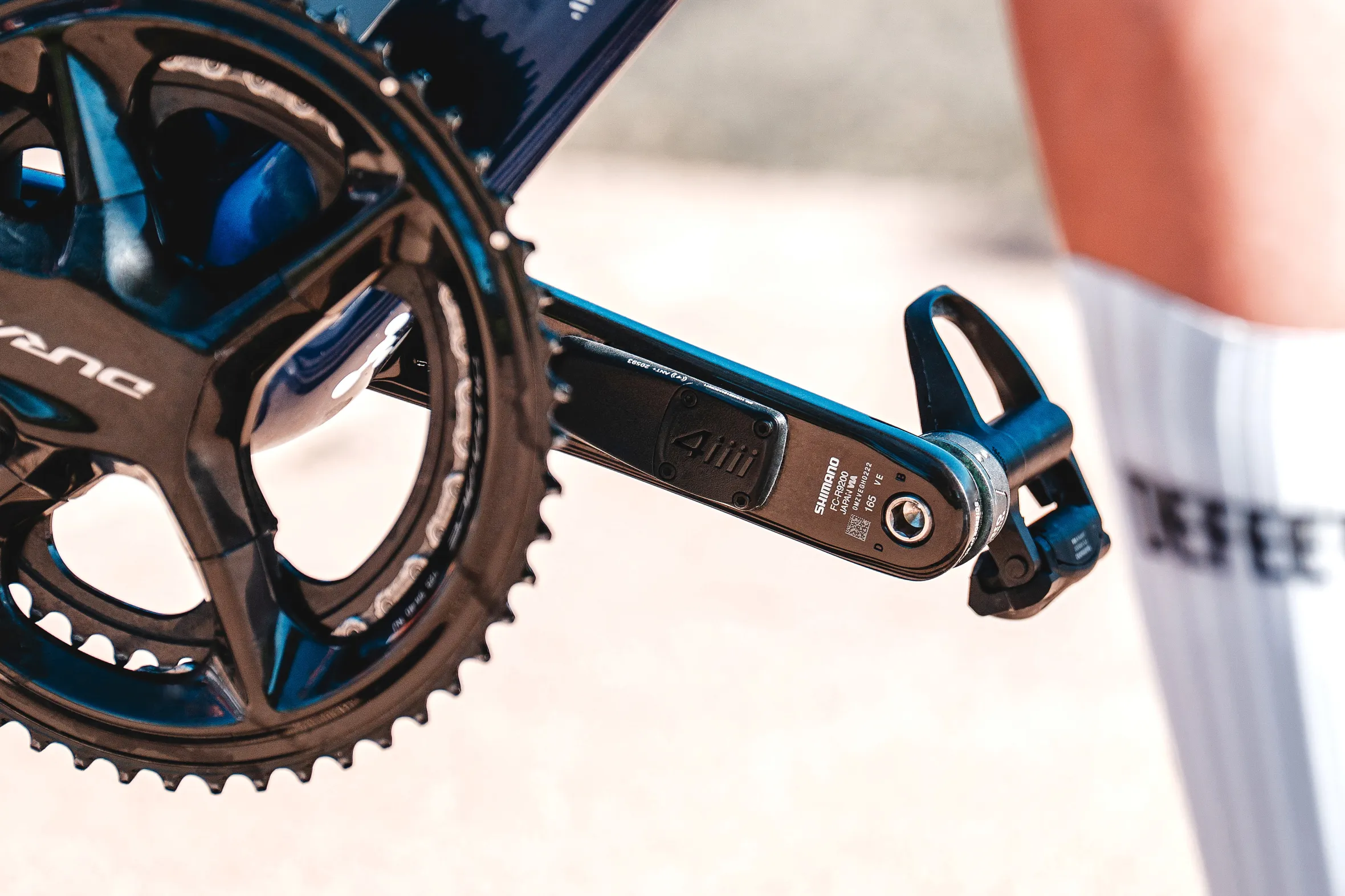 4iiii Precision 3+Kai Caddy
Oura wellness and sleep tracker
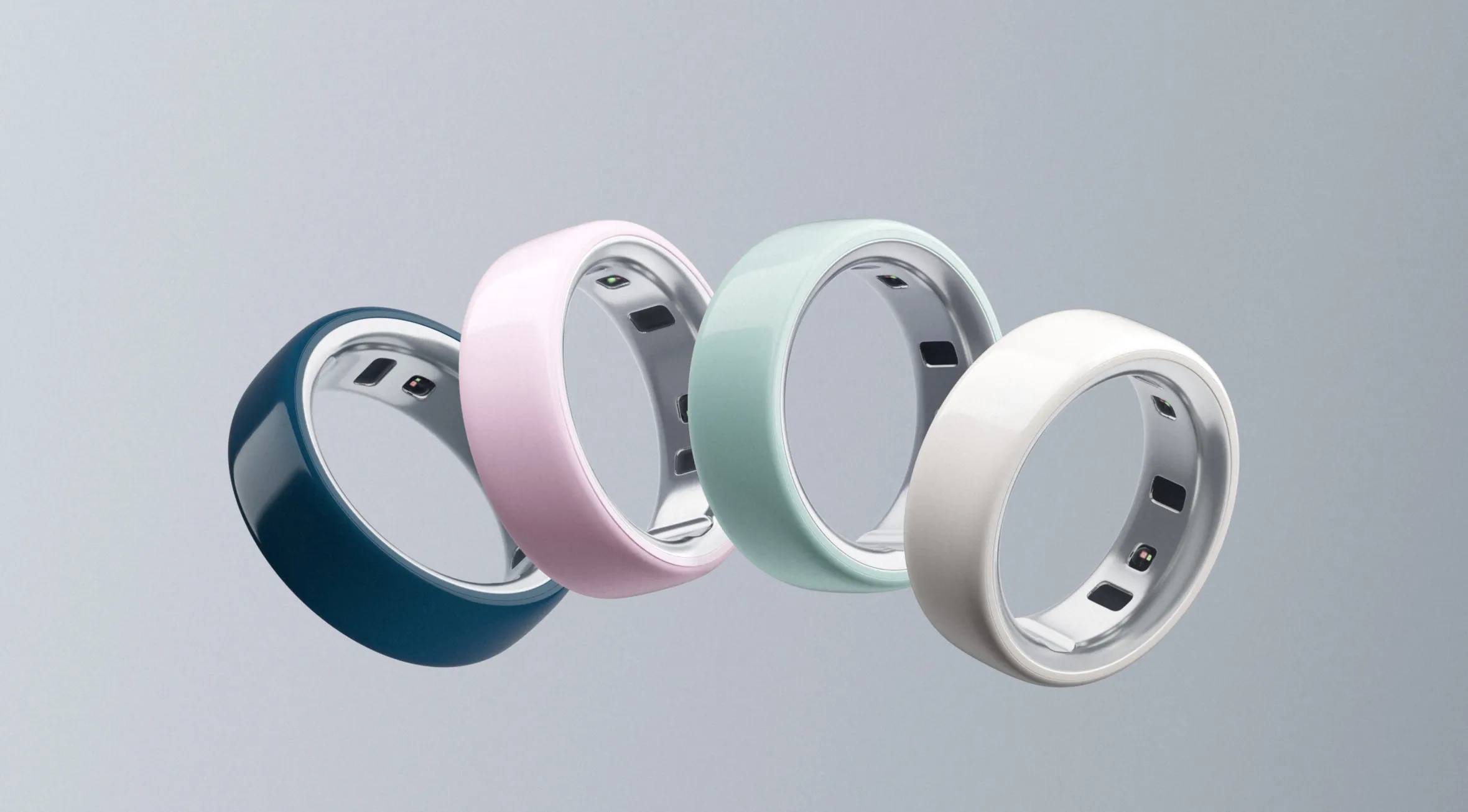 Oura Ring
“The more you sleep, the better you perform,” says the American endurance cyclist Lael Wilcox, who set a record for the fastest female solo cycle round the world in 2024. And this year’s motto in elite cycling seems to be “recovery is the new aero”. The Oura Ring 4 (£349-£499) is a refined, elegant and comfortable wellness and sleep tracker with a good battery life. It’s unobtrusive and the software has gone from merely good to really brilliant through many iterations over the years.
Zoe microbiome test
Such is the sure foundation that a thriving microbiome provides, the Decathlon CMA CGM pro team does twice-yearly gut tests on its elite riders. The UK’s Zoe nutrition programme (from about £300) includes a gut-microbiome test and its AI software recommends foods to support and enhance the good bacteria within. “A healthy gut microbiome is the foundation on which metabolic resilience, immune strength and sustained performance are built, not just for elite athletes but for anyone asking their body to perform under pressure,” says Zoe’s head nutritionist, Dr Federica Amati.
Zipp built-in tyre-pressure monitor
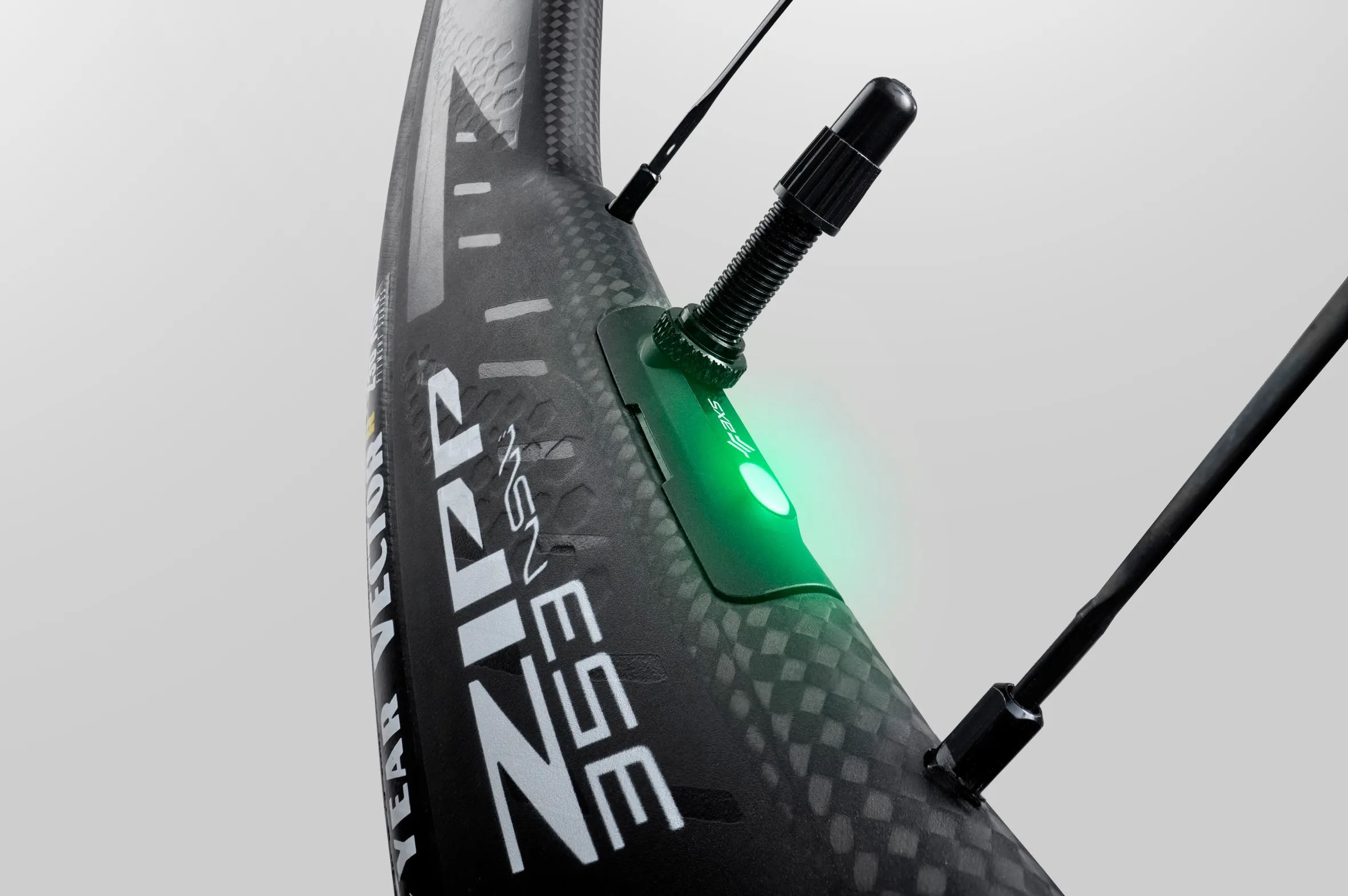 Zipp tyre-pressure monitor
Zipp’s newest 353 NSW wheels (about £2,850) are the most beautiful and high-tech wheels currently in circulation. They have built-in wireless tyre-pressure sensors that send the live pressure to your cycle computer. Tyre pressure has a huge influence on speed and comfort, so optimising it and monitoring change in real time is invaluable. They are also perfect as a slow-puncture early-warning system.
SRAM Red drivetrain
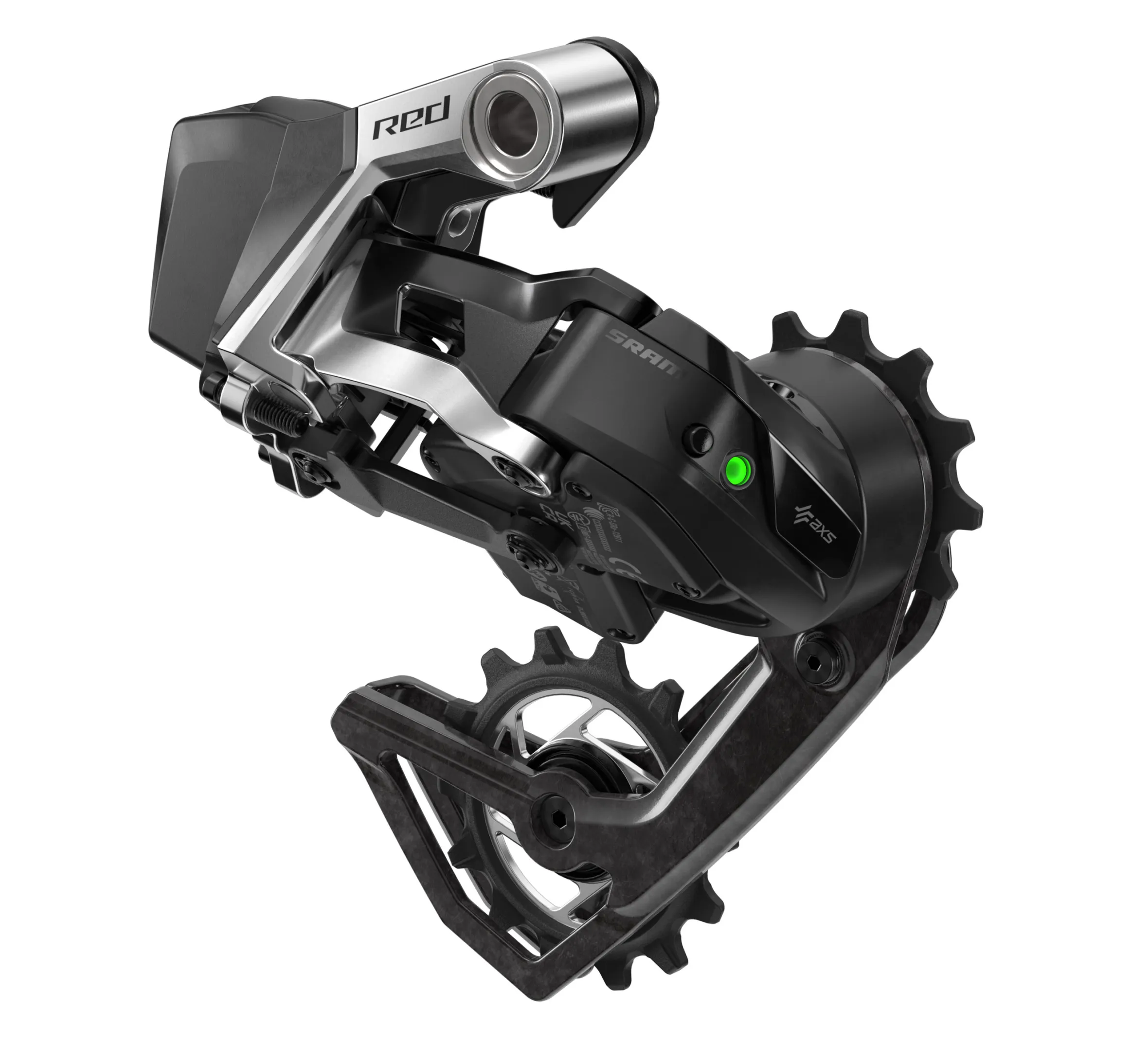 SRAM Red E1 AXS rear derailleur
SRAM’s superlative Red drivetrain (from £290) is fully wireless. This means it feeds metrics about cadence and gear usage to your computer that can be analysed and optimised, but it also vastly improves the gear-shifting experience. Gears shift faster, under any load, and more easily at the light press of a button, and they can be programmed so you can change a track you’re listening to or answer a phone call by pressing on the shift lever. What decadence! Which brings me to…
Suunto bone-conduction headphones
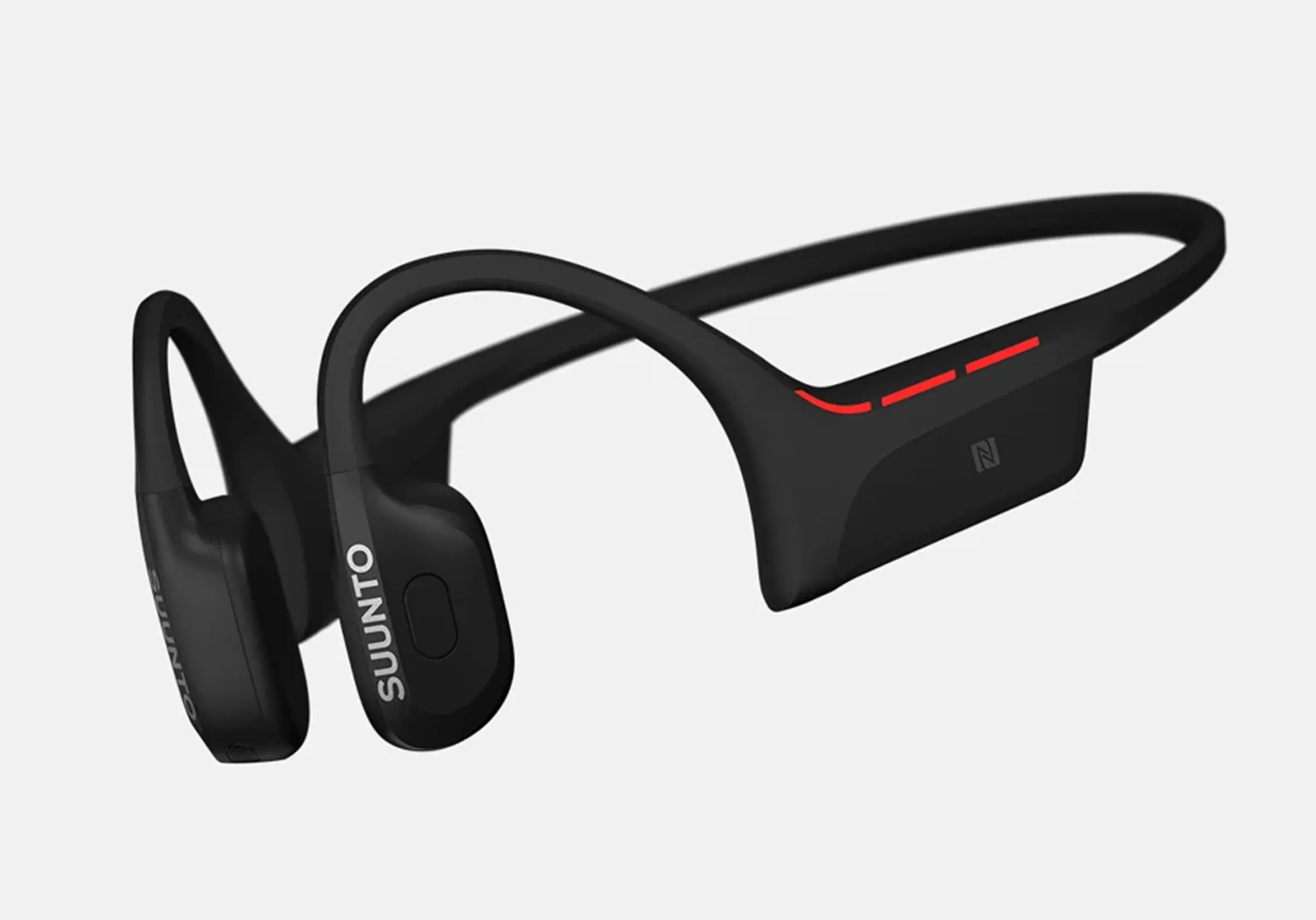 Suunto Wing 2
Suunto makes the definitive cycling headphones. I’m zealous about the fact that closed ones are a danger to cyclists and other road users; all earphones should let in external and ambient sounds for situational awareness (and balance). Suunto’s brand-new Wing 2 bone-conduction headphones (£149) are the best.
Garmin radar
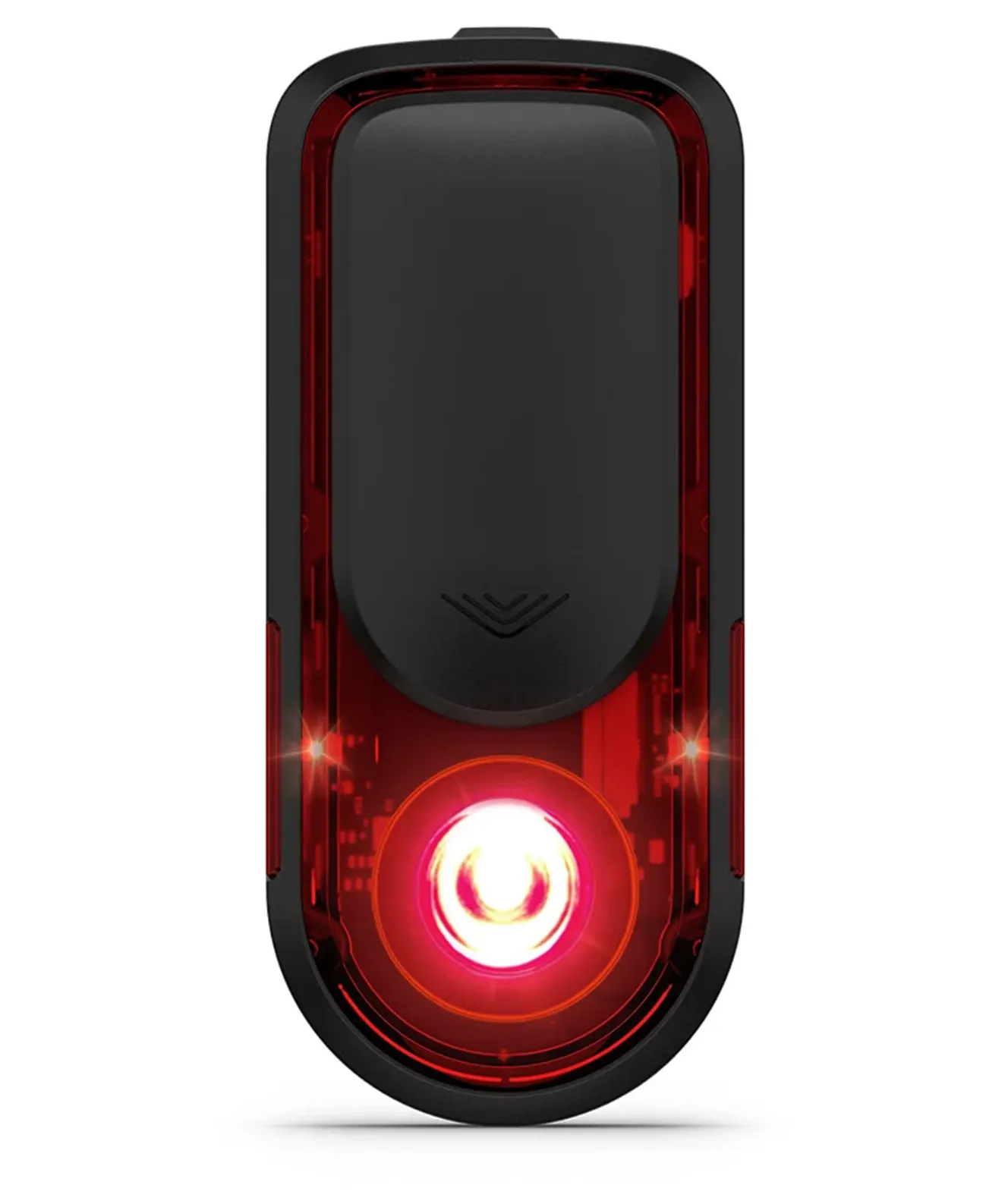 Garmin Varia RearVue 820
There’s no zealot like a Garmin radar convert. The Varia RearVue 820 (£260) has the ability to detect and distinguish approaching bikes, cars and lorries from up to 175 metres behind you and show their position on your bike computer. This is situational awareness raised to a new level of safety.
GoPro camera
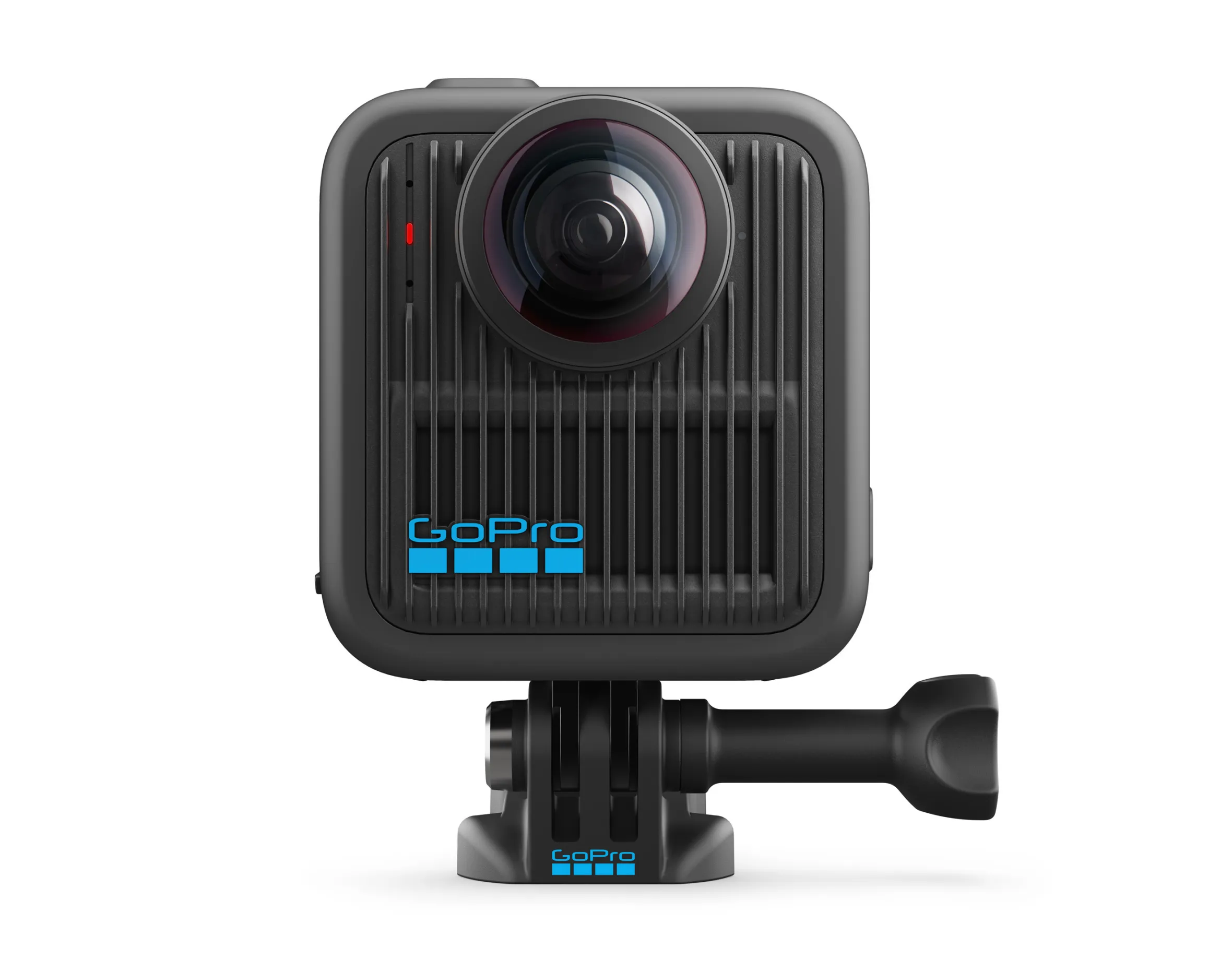 GoPro Max 2
Finally, if you haven’t filmed and uploaded your ride, can it even be said to have happened? The 8K capable 360 GoPro Max 2 (from £400) includes a built-in GPS, so you can add telemetry stats such as your speed, route and G-forces experienced (!) as overlays to your footage. Surprisingly addictive.