
NEED TO KNOW
A new study reveals California’s invasive nutria population likely stems from reintroduction, not a surviving group
Researchers linked the rodents found in 2017 to a population in Oregon using DNA from global nutria samples
California has spent $5 million annually on eradication efforts since discovering the destructive species’ return
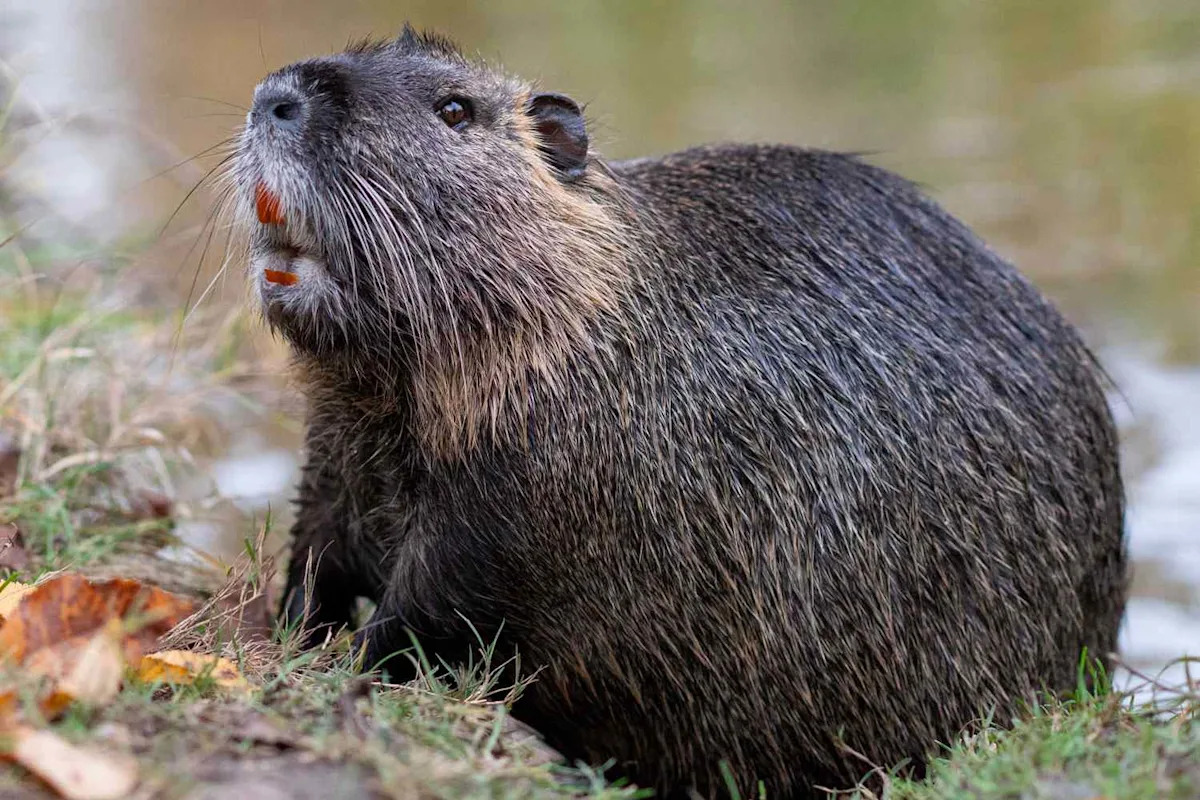
A new genetic study is shedding light on how invasive nutria reappeared in California, decades after they were thought to have been eradicated. The findings suggest the animals didn’t quietly survive, but were likely reintroduced.
According to a recently published paper by scientists from the California Department of Fish and Wildlife (CDFW), the semi-aquatic rodents discovered in Merced County in 2017 are genetically linked to a population in central Oregon. The research marks the first genomic study of nutria, an invasive species long known to damage wetlands, agriculture and infrastructure.
“Genetics allowed us to narrow down the most likely source of California’s nutria population and provide land and wildlife managers with information about how these animals are spreading across the landscape,” stated research scientist Kristen Ahrens. “We have also created a global reference dataset that others can use to compare populations and trace invasion pathways.”
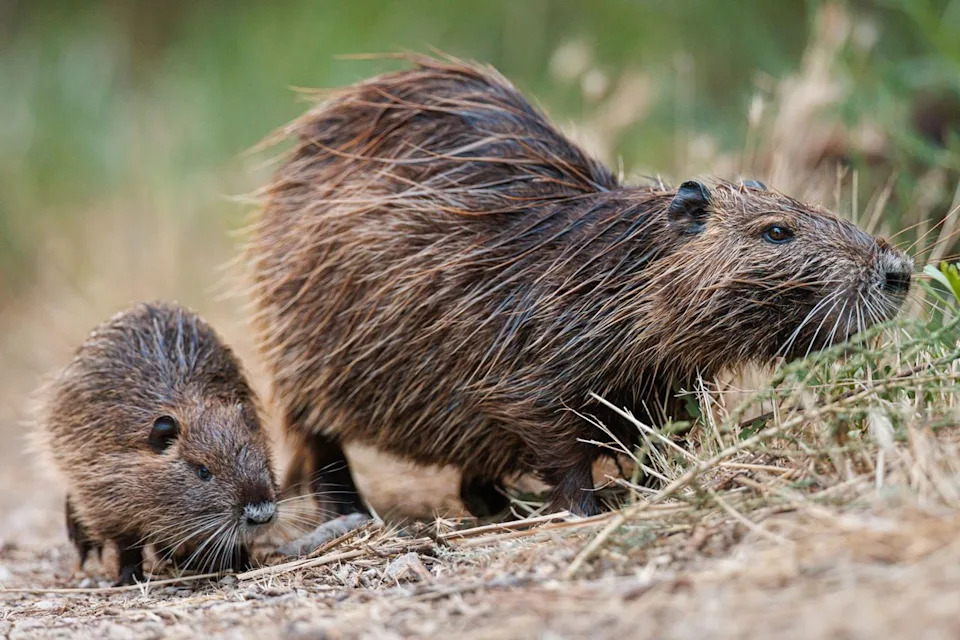
Coypu or Nutria (myocastor coypus) with her baby crossing a dirt road next to the marsh on July 11, 2024 in Camargue, France
Credit: Getty
To reach that conclusion, researchers compared DNA from nutria populations around the world, building a global database that shows how closely related different groups can be.
The findings revealed that California’s current nutria population traces back to a single maternal lineage that’s also found in Oregon, rather than multiple lineages that existed before the species was “declared eradicated in the late 1970s.”
According to officials, that distinction is key and points to where the newfound population may have originated from.
“This study supports our long-held belief that the current invasion is the result of reintroduction rather than explosive growth of a remnant, undetected population,” explained Valerie Cook, program manager for CDFW’s Nutria Eradication Program.
Nutria, native to South America, were originally brought to the United States during the fur trade in the late 19th and early 20th centuries. When demand for pelts declined, many were released into the wild, where they established destructive populations by eating local flora and disrupting the area’s wildlife ecosystem.
In California, they were believed to have been eliminated by the ’70s, until a pregnant female was discovered in 2017, prompting renewed concern about the species.
To better understand the origins of the new population, researchers turned to both modern and historical samples, including museum specimens and even a taxidermied nutria found in the Butte County Weights and Measures Department office.
By comparing past and present DNA, scientists were able to determine that the current invasion likely stems from a recent introduction, not a hidden surviving group.
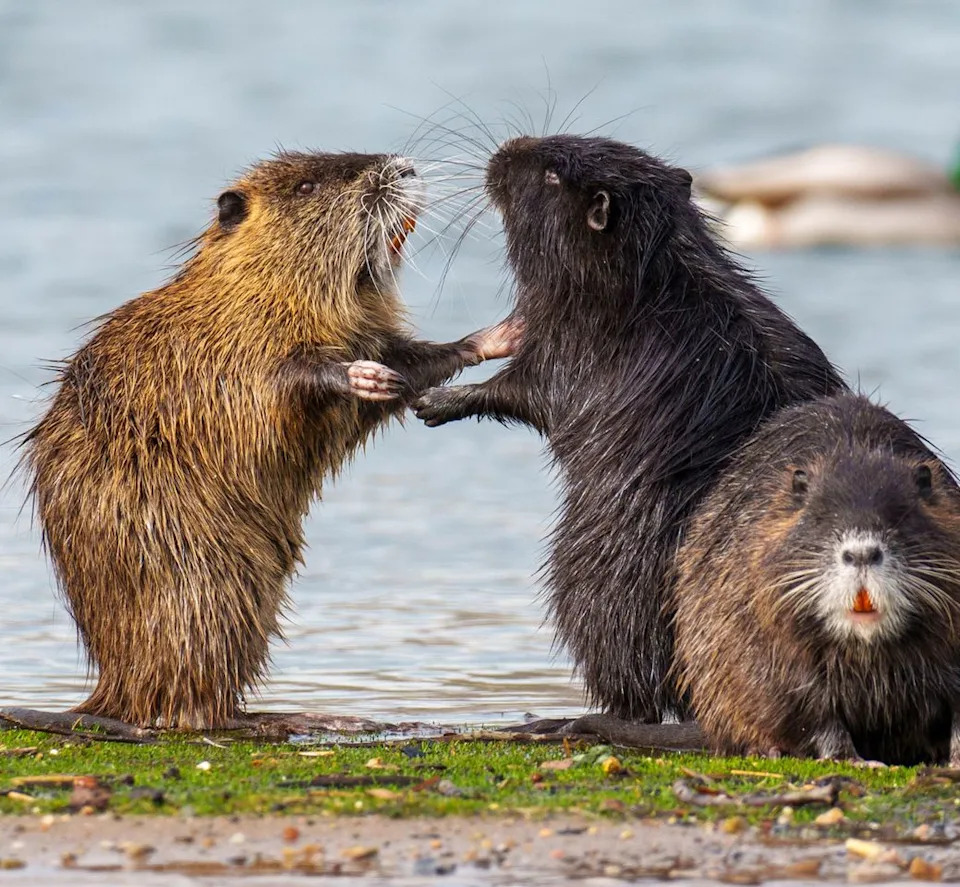
Three nutria by a waters edge two interacting while one looks off into the distance
Credit: Getty
Since 2017, CDFW’s eradication program has removed more than 7,800 nutria across hundreds of thousands of acres in the Sacramento-San Joaquin Delta and Central Valley. The effort relies on tools like motion-detection cameras and detection dogs and costs the state roughly $5 million annually.
Officials say the new genetic data, which was developed over the last five years and funded by the California Department of Water Resources, in partnership with the U.S. Department of Agriculture’s Animal and Plant Health Inspection Service, will help refine those efforts.
“CDFW conducts sophisticated genetics research to improve management outcomes for California’s wildlife populations,” said wildlife genetics research lead Mike Buchalski, noting the study could also support future research on nutria globally.
Read the original article on People