
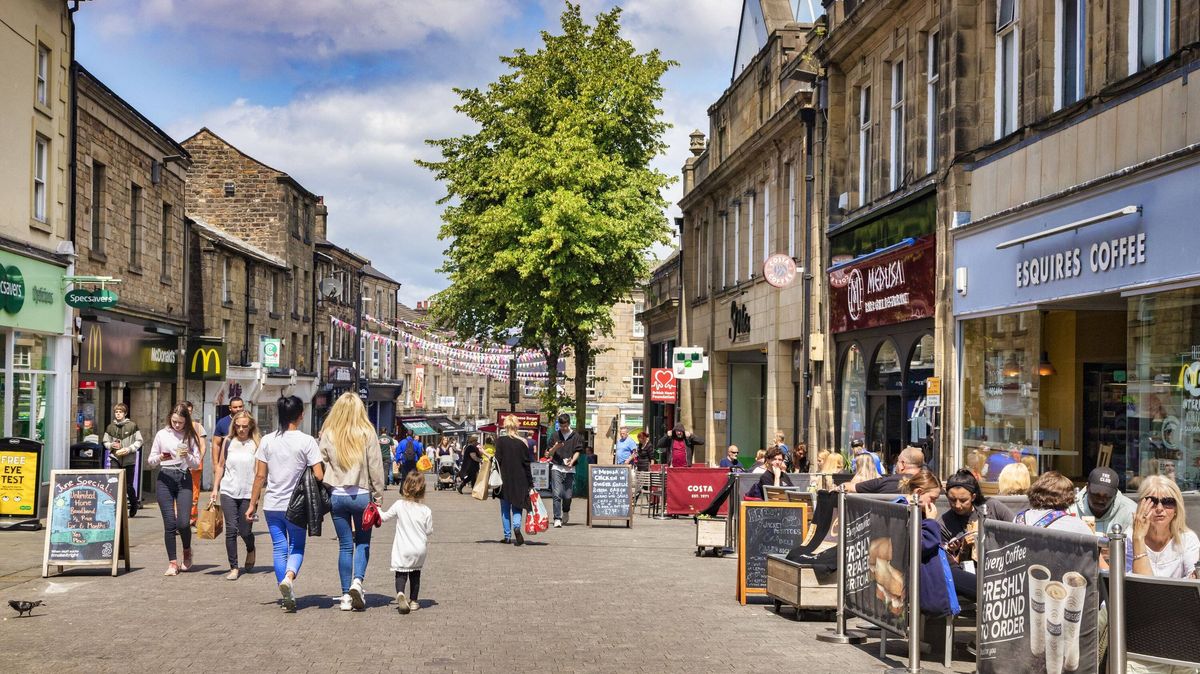
The timing of Easter gave some stores a sales boost, but industry chiefs have said that the conflict in the Middle East means “the outlook remains uncertain” for high street shops
Shopper confidence was fragile even before the fall-out from the Iran war on households (Image: Getty)
The Iran war is “piling yet more pressure” on Britain’s struggling high street stores, an industry chief has warned.
Helen Dickinson, chief executive of trade body the British Retail Consortium, said “the outlook remains uncertain” despite the fragile ceasefire in the Middle East.
She went on: “Damage to supply chains has already been done, and rising costs – from shipping and fertiliser to insurance and commodities – are piling yet more pressure onto already stretched retailers.
“Government must act decisively and boldly now to curb inflation by delaying domestic policies that would push prices even higher for shoppers.”
Her comments came as data from the BRC and KPMG showed the timing of Easter helped retail sales grow 3.6% year-on-year in March, above the 12 month average of 2.6%.
READ MORE: New fuel price warning to millions of UK motorists as oil jumps back above $100READ MORE: Average UK family ‘will be £480 worse off this year’ because of Iran war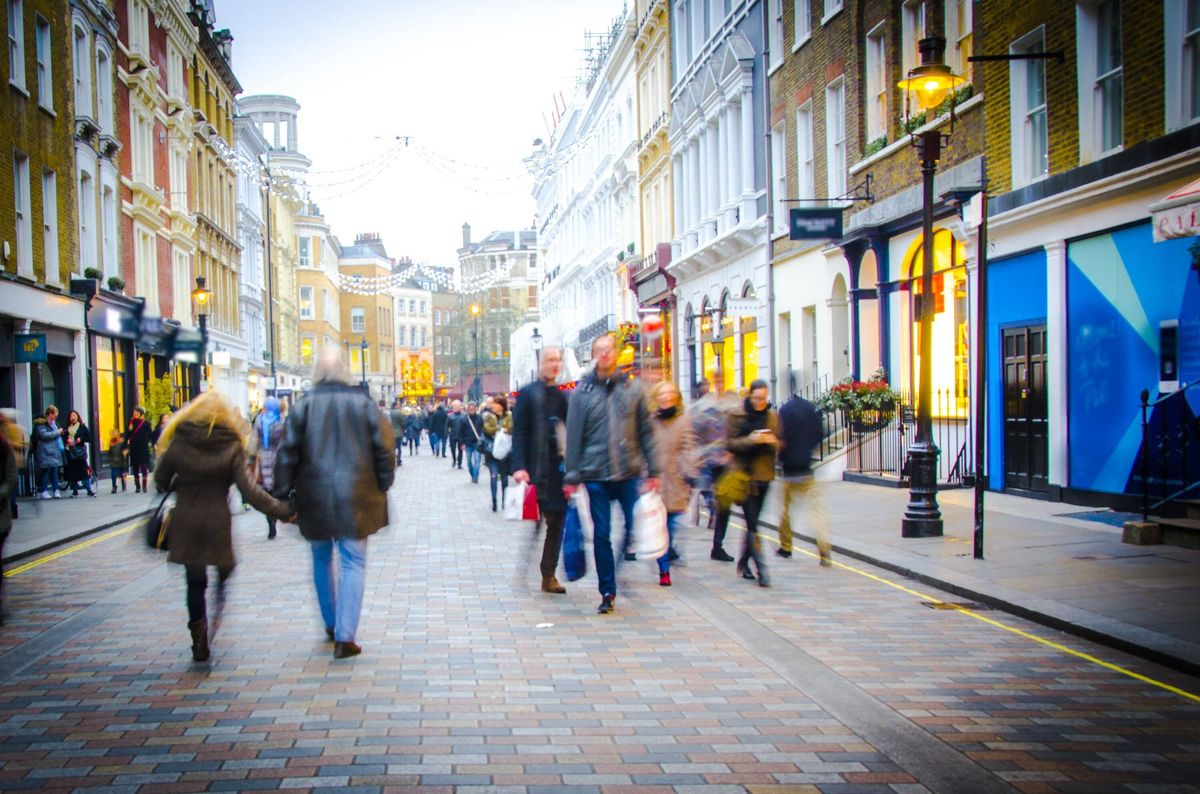
Timing of Easter boosted store takings, especially food(Image: undefined)
Food sales jumped 6.8% year last month, above the average 4.3% over the past year, and boosted by families stocking up for Easter, which fell earlier this year.
“An early Easter provided a much-needed boost to food sales as families came together over the long weekend,” Dickinson said. “Non-food performance was more uneven: demand was robust for computers, toys, and homeware, but clothing and footwear continued to struggle. The disruption to international travel caused by the Middle East conflict also hit sales of travel-related goods.”
Sarah Bradbury, chief executive of the IGD (Institute for Grocery Distribution), said: “The conflict in the Middle East is having an immediate impact on costs with petrol prices up by around 18% at the pump compared to before the conflict began.

BRC chief Helen Dickinson issues plea to government to relieve pressure on households (Image: Handout)
“Expectations are that the conflict will continue to increase cost pressures, with rising risks to heating bills, food prices and interest rates. As a result, shopper confidence has dropped to the lowest level since 2023.
“While occasions such as Mother’s Day and Eid provided moments of celebration, they were not enough to offset growing shopper concerns about rising costs. The months ahead will therefore be challenging for both shoppers and the food and drink industry.”
Last month saw the IGD warn the Middle East crisis could add more than £150 a year to the average family’s grocery bill. It came as it more than doubled its forecast for food inflation this year, from 3.6% to over 8% by June.
The predicted surge would prove another massive blow for millions of families as the weekly shop is already one of the biggest outgoings for many. According to the IGD, food prices in shops have rocketed by around 38% since before the Covid pandemic.