
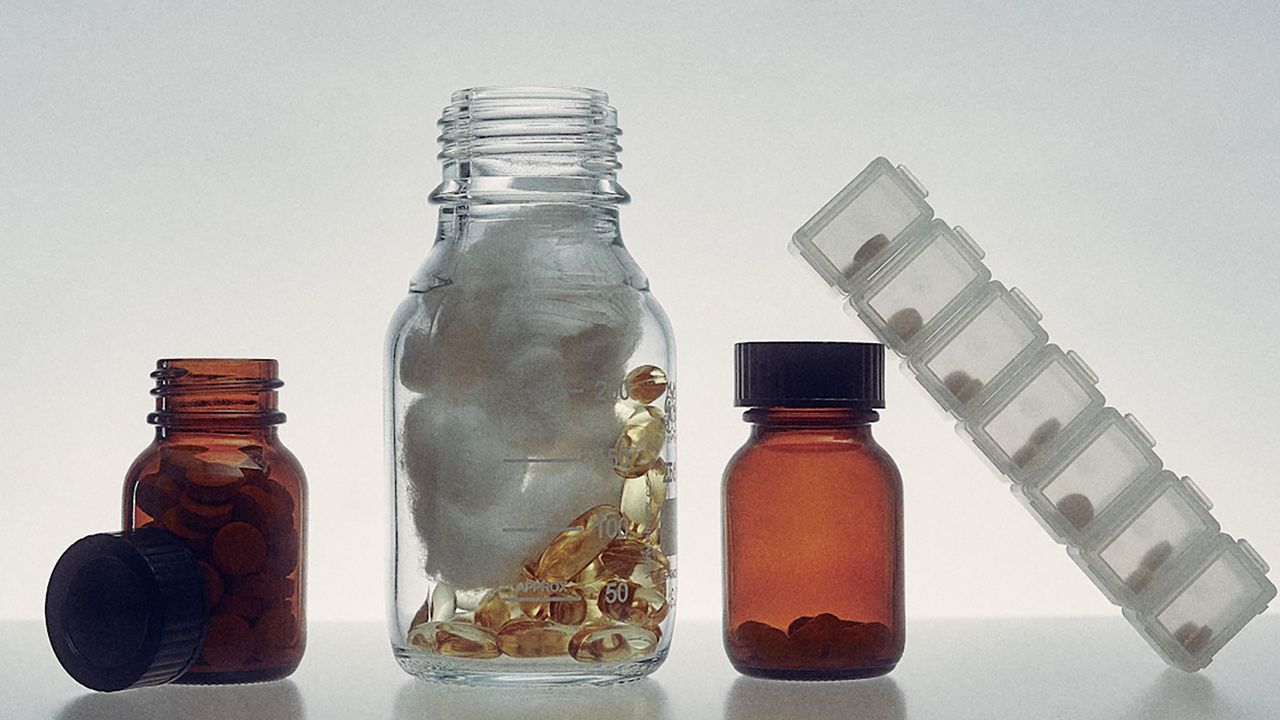
In the age of biohacking, it seems like everyone is taking supplements — to not only look better and think better, but get sleep better, relax better, work out better and even poo better. If you’ve not noticed this trend, you’re not imagining things: approximately half of UK adults take food supplements, according to the Food Standards Agency.
Supplements may feel ubiquitous right now, but many experts have serious reservations about their rise. Firstly, most GPs recommend obtaining nutrients directly from whole foods, rather than a pill or capsule. Second, the safety and effectiveness of supplements can be a bit dubious — according to the UK government, no pre-market approval or licensing is required before supplements hit the shop shelves. However, products must be safely manufactured, accurately labelled, and avoid making medicinal claims.
Because of all the concerns surrounding supplements, Jeffrey Linder, a general internist and professor of medicine at the Northwestern University Feinberg School of Medicine, takes a dim view of the category overall: “A vast majority of supplements are probably worthless,” he says.
Still, there are exceptions to every rule — and supplements are no different. Many experts, as it turns out, do take some type of supplement, but they are choosy about which ones they select. Read on to learn more about the six they actually use.
Vitamin D
How it works: Vitamin D plays key roles in bone health and immune function. In fact, low vitamin D is associated with a wide swath of medical conditions, according to Dr Linder — including cancer, autoimmune diseases, infectious diseases, and cardiovascular issues (and, famously, seasonal affective disorder, or SAD).
Why some docs like it: Vitamin D deficiency is widespread, especially among people who live at northern latitudes that don’t see as much sun during the winter, and people with darker skin. What’s more, few foods contain significant amounts of vitamin D, so it’s tough to source enough from your diet. Lawrence Green, a dermatologist and clinical professor at the George Washington University School of Medicine and Health Sciences, says that these two factors make vitamin D a rare nutrient “we do need to take supplements for.”
What to keep in mind: Most doctors recommend vitamin D3 (also known as cholecalciferol) over vitamin D2 (also known as ergocalciferol), as studies have shown that D3 is more effective at raising vitamin D levels in your blood. Whichever option you decide on, try to take it with food — specifically, an item that contains fat — because vitamin D is a fat-soluble nutrient, it “absorbs better that way,” Sara Velayati, an obesity medicine specialist at Montefiore Einstein and an assistant professor at Albert Einstein College of Medicine in New York City. For this reason, Dr Green makes a point of taking his supplements with breakfast or dinner: “The fattier and thicker the meal, the better”, he says.
Calcium
What it does: Calcium is a mineral that helps build and maintain strong bones and teeth. Women in their 40s approaching menopausal age, in particular, should make it a priority to ensure their intake is adequate, says Rachel Pessah-Pollack, an endocrinologist at NYU Langone Health and a clinical professor at the NYU Grossman School of Medicine, as the physical changes that come with perimenopause and menopause can heighten bone loss and downstream health conditions like osteoporosis.
Who takes it: Like the other supplements on this list, calcium is best sourced from your diet, Dr Pessah-Pollack says. “But if you’re not able to (I try to get dairy products but often come up short), a supplement is needed.” She takes a combined calcium and vitamin D tablet daily, as vitamin D helps calcium absorption.