
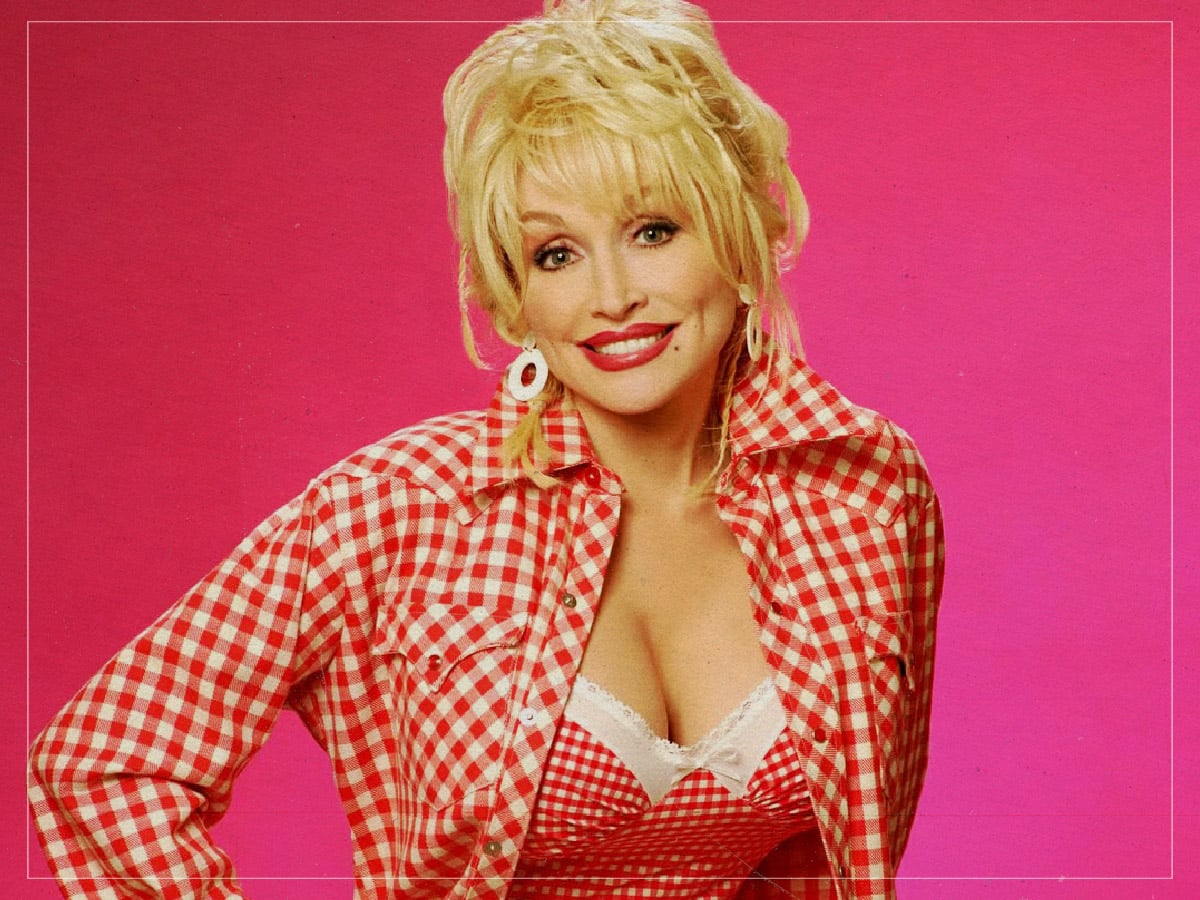
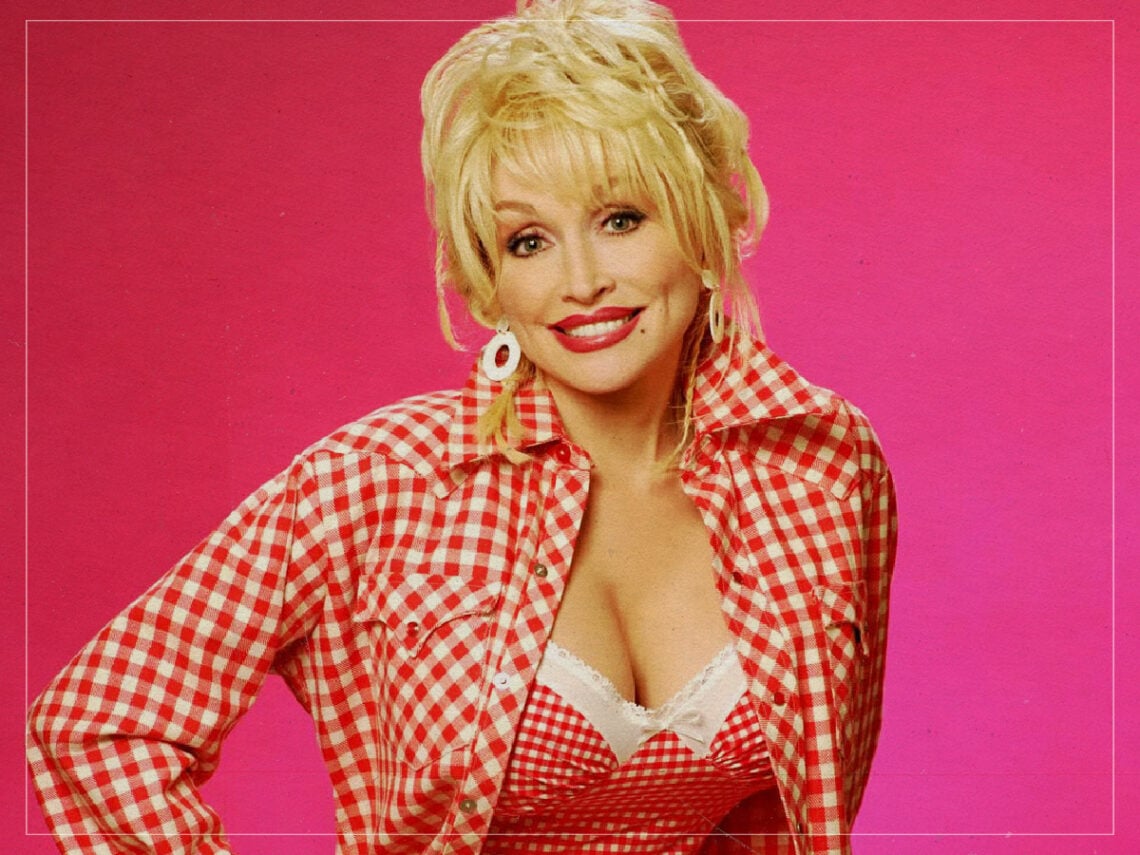
(Credits: Far Out / Dolly Parton)
Wed 15 April 2026 0:00, UK
Navigating a genre designed predominantly for and by men, Dolly Parton learned fairly quickly that she’d have to work twice as hard to gain respect, especially when she decided to transition from that community and find her footing in more mainstream spaces.
As a prominent force in country pop, Parton has always projected an explosive aura, challenging the expectations of those both inside and outside the genre. After all, it says a lot that, when Parton was first starting out, she was billed as a bubblegum pop act rather than a country musician, with bookers and agents mistaking her glossy glam image for something entirely different from the gritty realism found in traditional country music.
And yet, beneath the seemingly polished surface, Parton was just as nuanced and experienced in the art of life to write songs that reflected all the same pillars of country – including loss, love, grief, heartache, heartbreak, yearning, and growing up in an impoverished home. At the same time, she removed much of the dreary aspect of older country music, proving that it could also carry a complexity that many artists before her had struggled to achieve.
However, these early assumptions weren’t the only hurdle Parton would face. When she seemingly “left” her country roots behind, or, at the very least, moved into a more nuanced space where old meets new, country purists and loyal fans felt like she was betraying the very scene that gave her her name, arguing that she’d chosen to sell out rather than remain true to herself.
Of course, that wasn’t the case at all, especially as, with those records – particularly New Harvest…First Gathering and Here You Come Again – it wasn’t so much about “disappointing” people and leaving Nashville behind as much as it was about taking it with her wherever she went, and progressing as an artist, instead of remaining in the same spot and never breaking outside of the walls that made her.
Alongside all of this came another beast entirely, exacerbated by her image and sound: the country genre’s blatant disregard for female singers in any capacity. However, as with all other aspects, Parton navigated this effortlessly, particularly during interviews and other promotional activities when it became clear that she was being challenged for simply existing in the same spaces as others.
Her famous interview with Barbara Walters in 1977, for instance – the same year she was facing accusations of dismissing her roots – showed her grace when faced with unnecessary allusions to her appearance and what it means for gaining respect in a serious industry. After questions about her looks and the fact that she doesn’t “have to wear extreme clothes”, Parton graciously responded, “I’m very real where it counts.”
Suffice it to say, therefore, that Parton was already ready to combat cynicism after years in the game, but somewhere that might have come more as a surprise was encountering the same doubt somewhere closer to home. Parton’s husband, the late Carl Thomas Dean, was a big champion of Parton, but he wasn’t always the biggest fan of her music. When she released her collaborative rock covers record, Rockstar, Dean, a self-proclaimed “Led-head”, wasn’t sure she’d do all those classics justice.
However, when he heard the final mix, particularly Parton’s Led Zeppelin cover of ‘Stairway to Heaven’, he was positively charmed. “That’s the first time he’s ever really complimented me in my whole life about that,” Parton told Hits Daily Double. “He’ll say, ‘Well, that’s good.’ But he said, ‘Damn! That’s really good!’ Like he was surprised, too!”
