
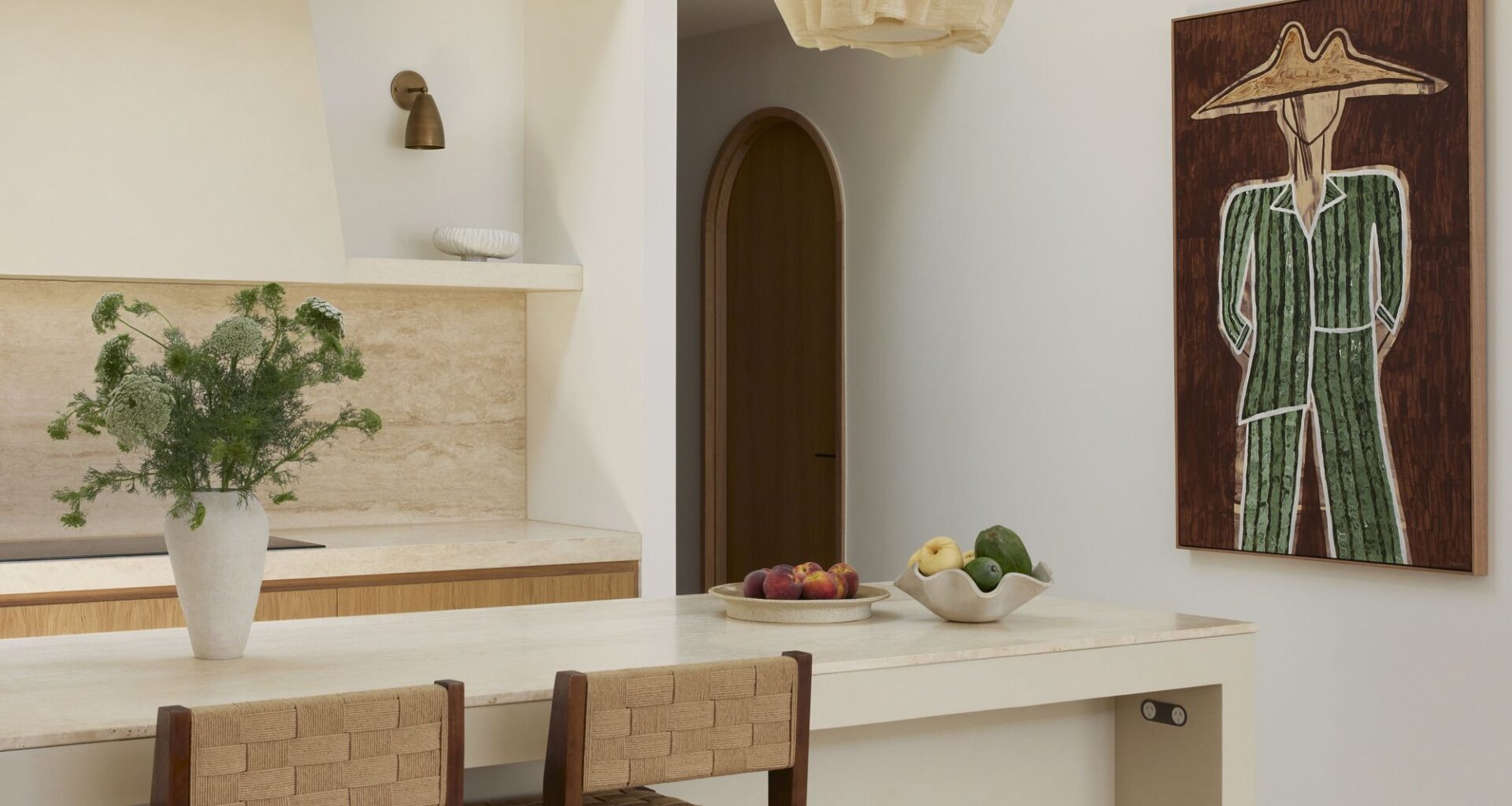
Inspired by the Spanish, Grecian, Italian, and French coastlines that comprise the region it is named after, Mediterranean-style interior design is all about creating a holiday at home. Full-textured finishes and breezy fabrics, typically a bit imperfect, these are spaces that feel lived-in and relaxed, that facilitate devouring books in the sunshine and long, lazy lunches that stretch into the evening.
While authentically traditional details are found in the Mediterranean region itself, interior designers say recreating the design style is about not taking anything too literally. Instead, it’s less about replicating and more about picking and choosing the elements that create an overall atmosphere and mood.
So how can you capture a style that is not directly derived from a period of history? I spoke to experts in the field — interior designers known for creating beautifully carefree spaces full of warm tones and texture — and got the lowdown on how to curate a Mediterranean style at home, even if you don’t have ocean views.
Article continues below
You may like
Why Is Mediterranean Style Interior Design Relevant?
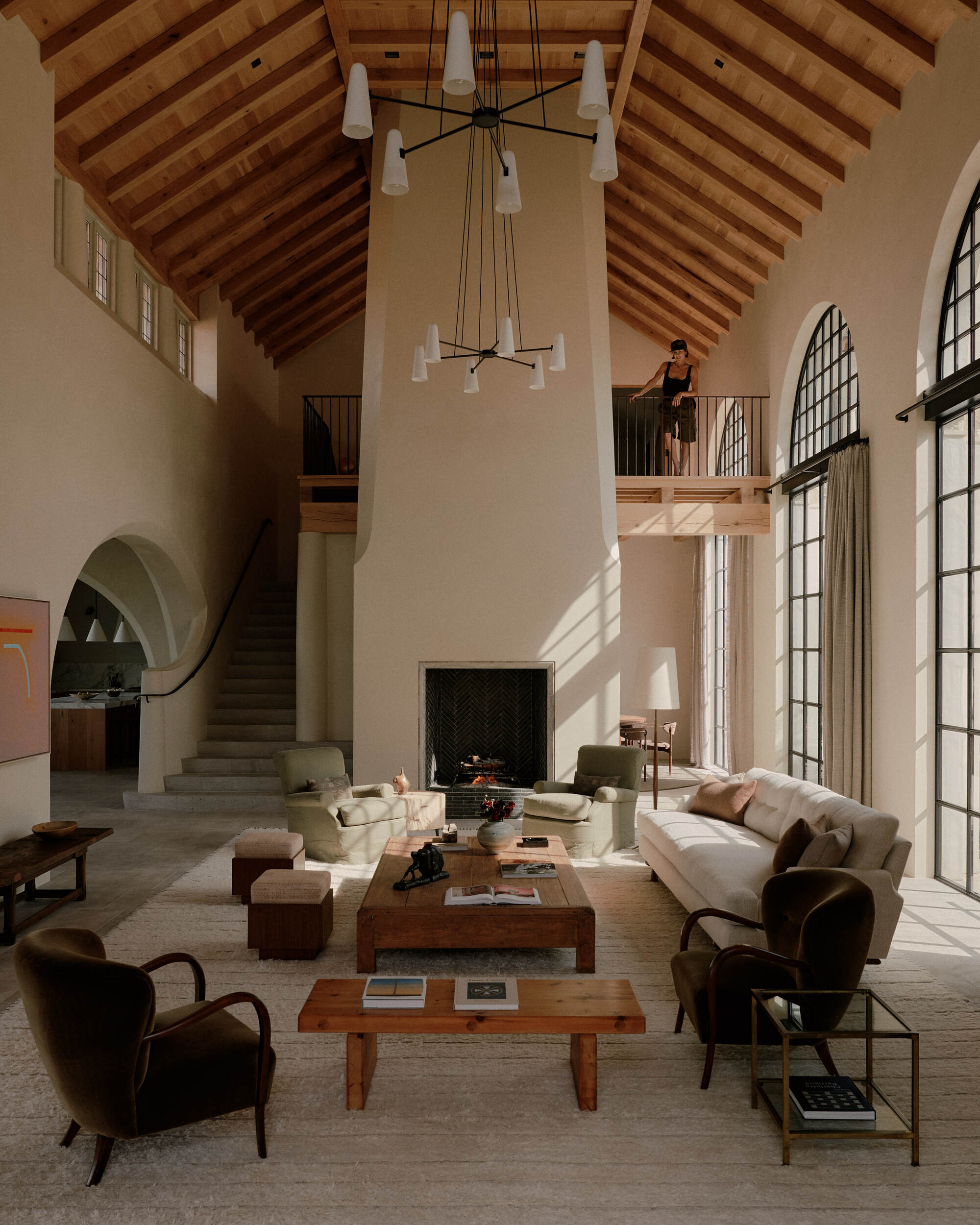
Sunlight, archways, and texture form the foundations of this Mediterranean-style home in Austen, by Alexander Design.
(Image credit: William Jess Laird. Design: Alexander Design.)
Unlike other interior design styles, Mediterranean-style interior design is less about historical or even contextual replication and more about an overall mood, making it a timeless choice that never loses its relevance.
“For me, Mediterranean style is really about a feeling more than a strict look,” explains Kate Lawrence, of eponymous Kate Lawrence Interiors. “There’s this ease to it, it’s light-filled, a bit imperfect, really textural. It’s not overly styled or polished, it just feels warm and lived-in, and very connected to its surroundings.”
Mediterranean-style interior design acts like a balm to the rush of contemporary life, adds Yasmine Ghoniem of YSG: “It evokes a relaxed mood and connection to nature.”
John Lewis
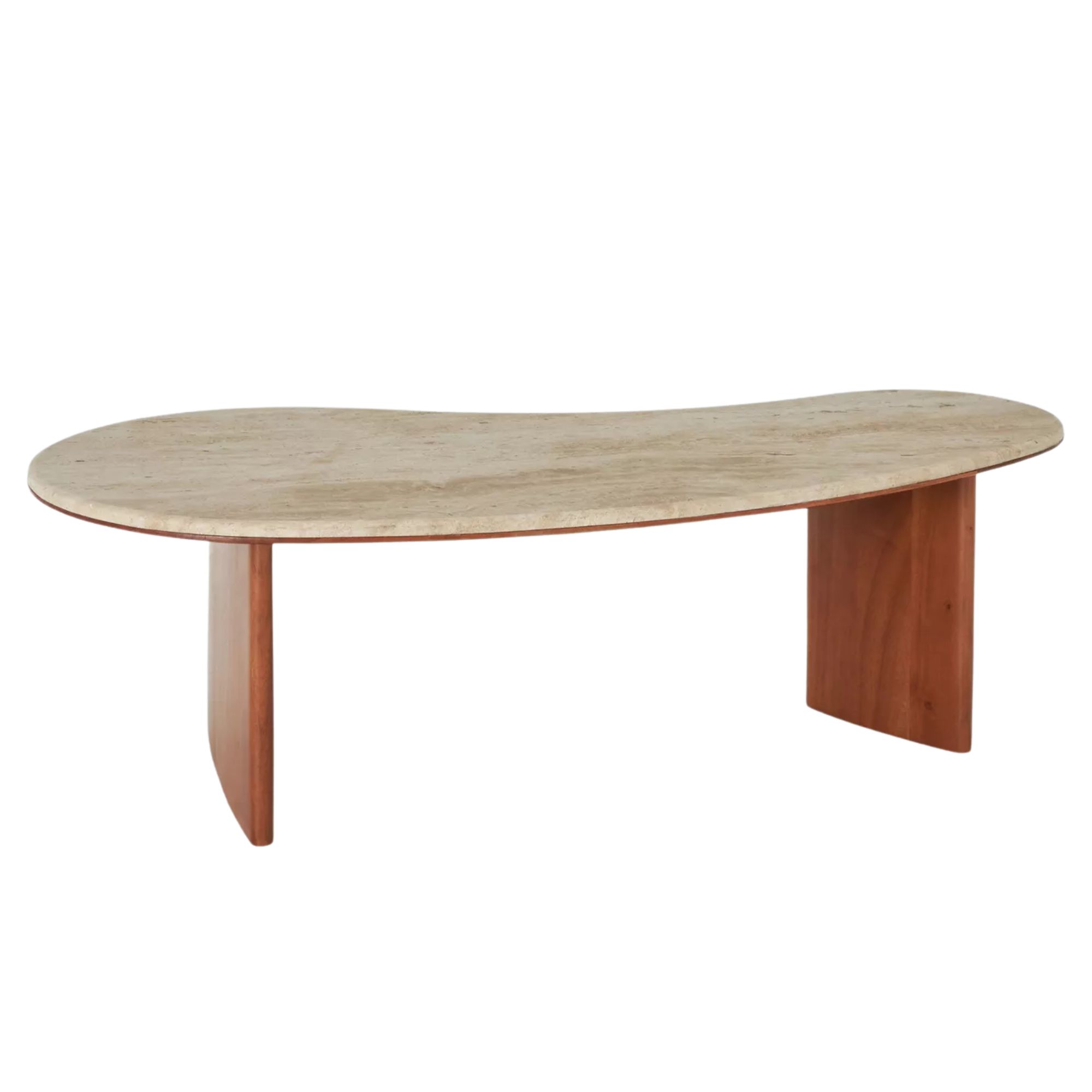
Taj Travertine Coffee Table in Natural
What Are the Characteristics of Mediterranean-Style Interior Design?
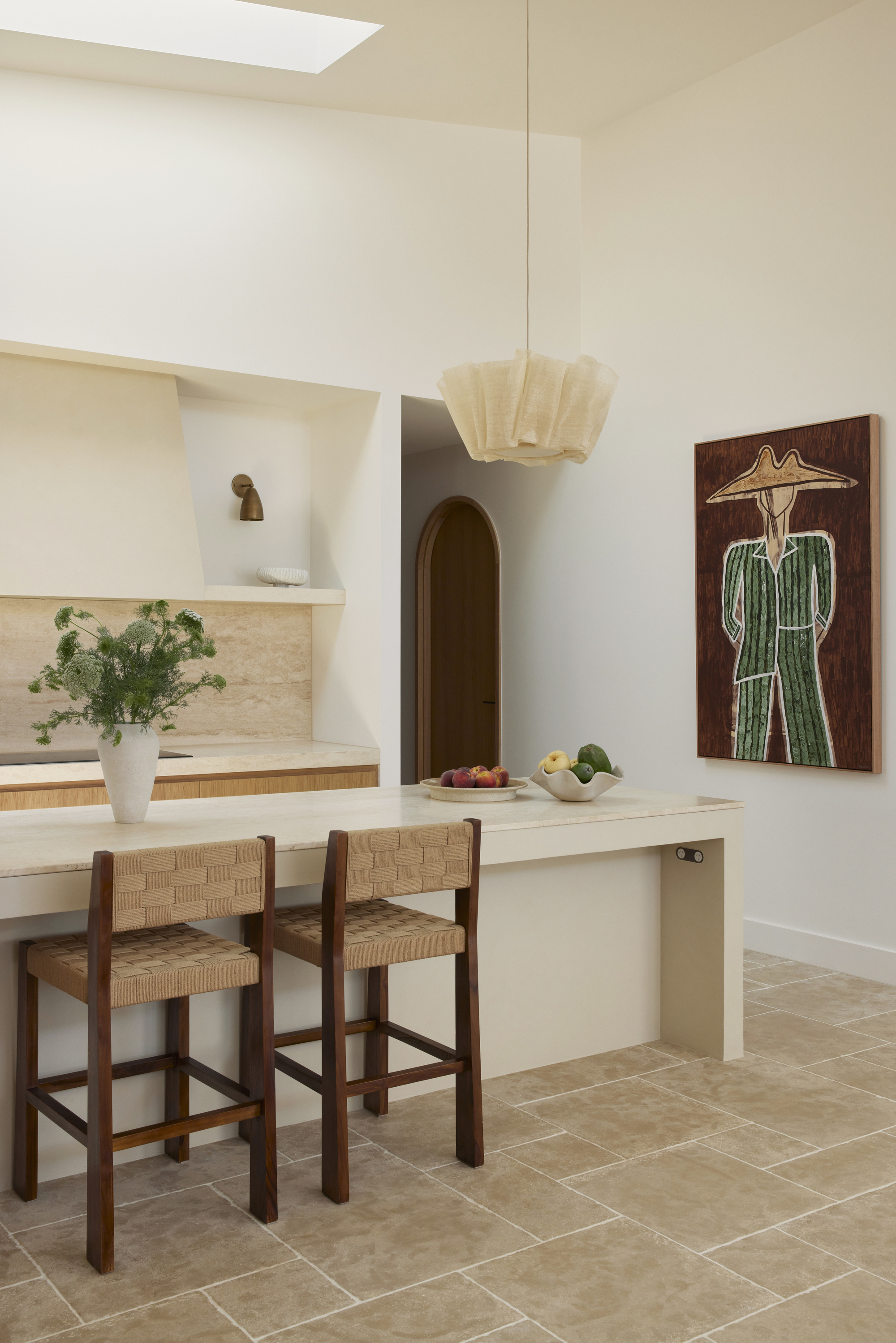
“I really wanted to capture the feeling of Mediterranean design without it feeling too literal or themed,” says Kate Lawrence. “It was more about layering in those elements in a way that felt warm, grounded, and right for the home.”
(Image credit: Jenah Piwanski. Design: Kate Lawrence.)
When it comes to Mediterranean-style interior design, it’s all about texture and soft architectural details, such as exposed wooden beams and render.
“Architecturally, you often see things like arches, niches, and quite solid, textural surfaces,” explains Kate. “There’s also a softness to the forms, not many hard lines, more curves and organic shapes. Light plays a big role as well — it’s always about creating spaces that feel open and airy.”
Just as important, Kate adds, is creating spaces dedicated to gathering and entertaining. “Indoor/outdoor spaces are generally combined to encourage outside eating and lounging, so courtyards, loggias, and comfortable lounge areas are common,” adds Yasmine, echoing the sentiment.
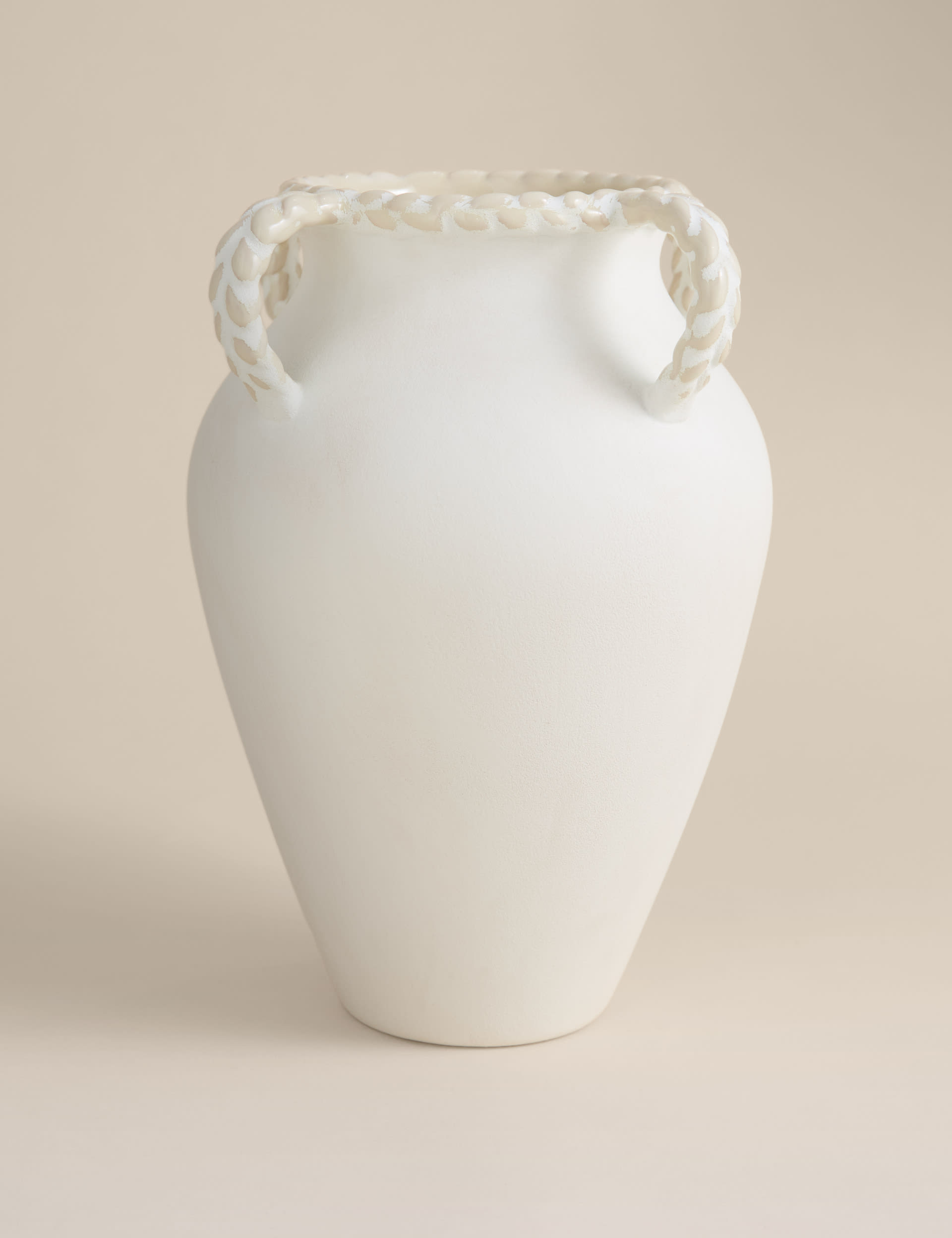
M&S
Large Twist Handle Ceramic Vase
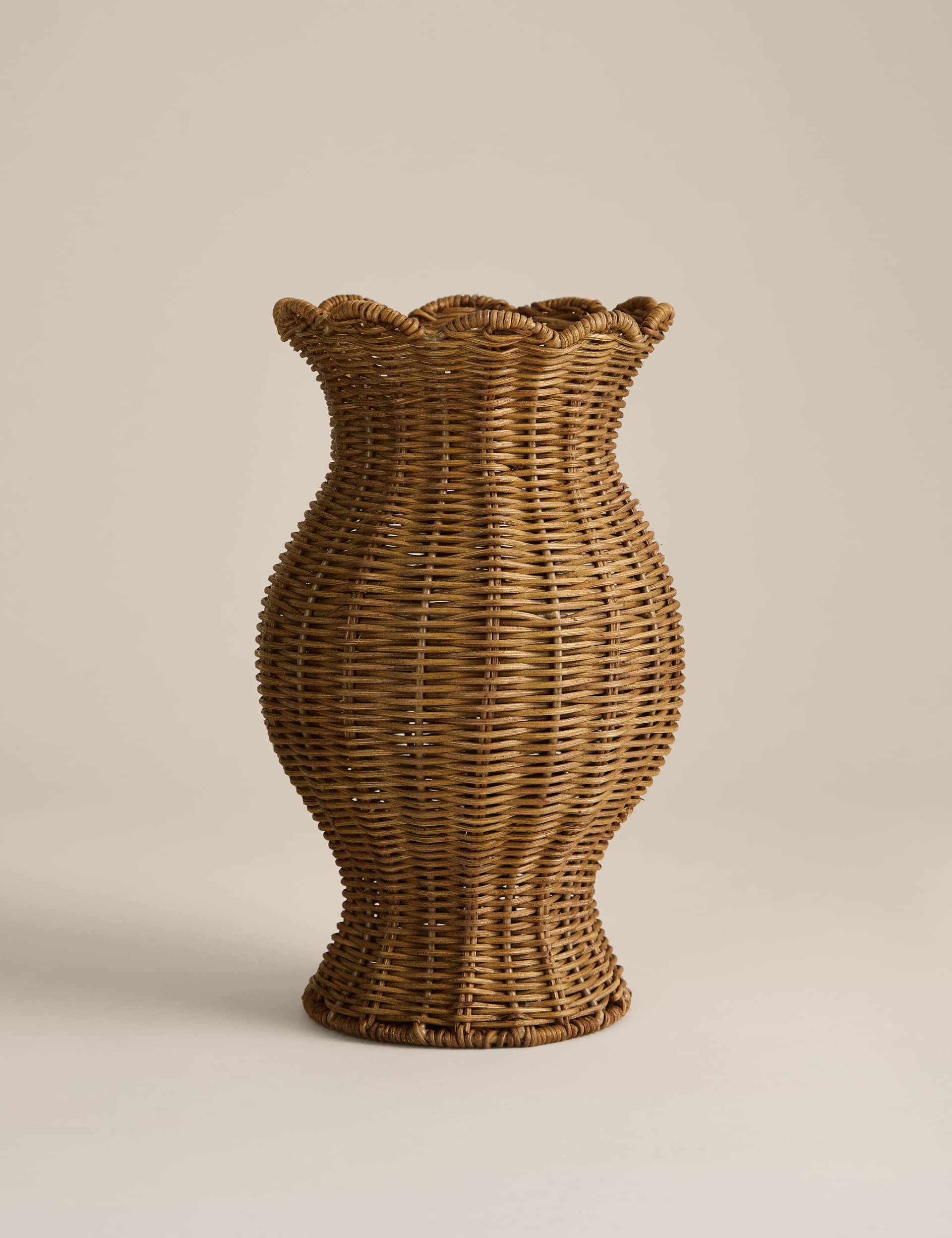
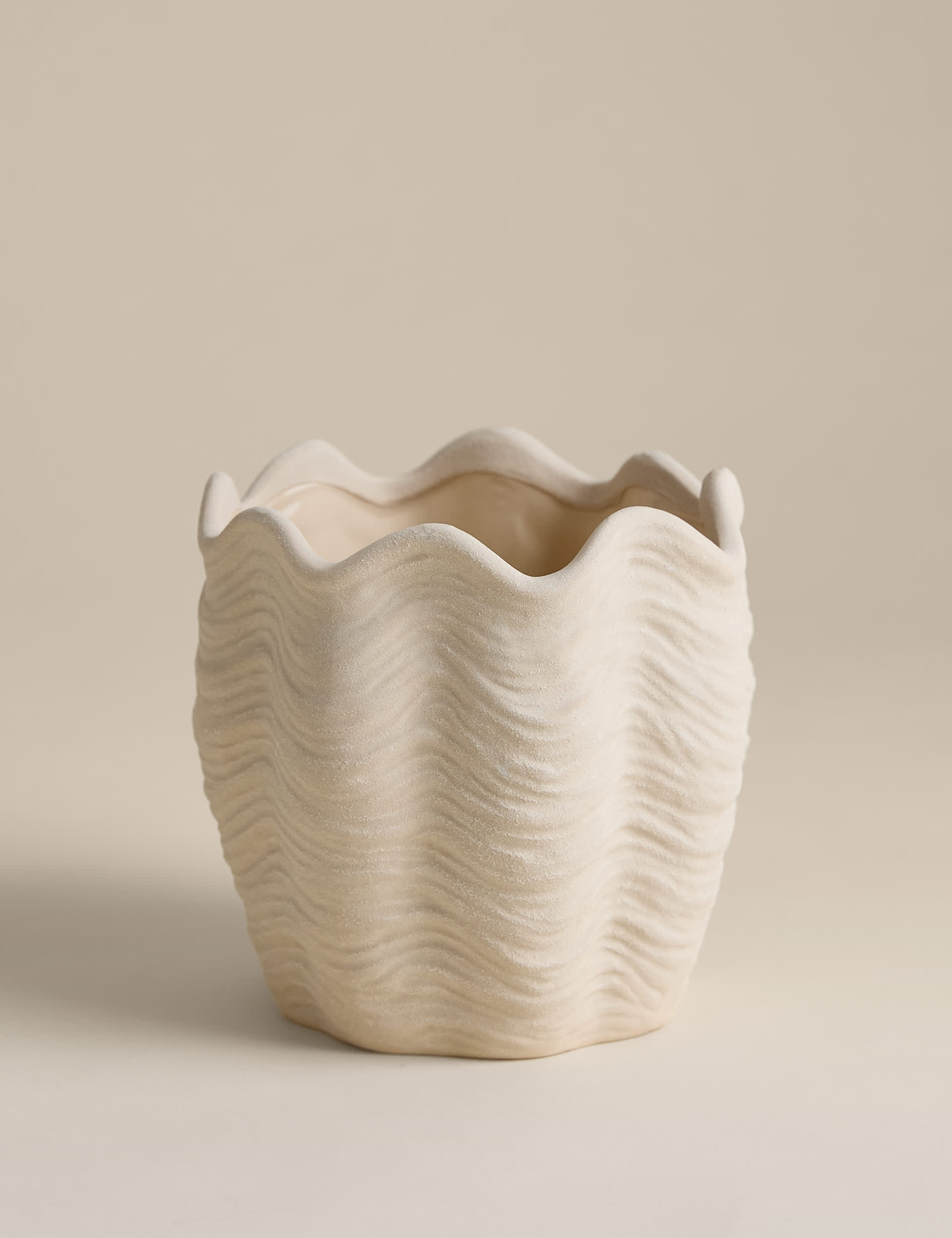
M&S
Coastal Textured Ceramic Planter
What Colors Are Associated With Mediterranean-Style Interior Design?
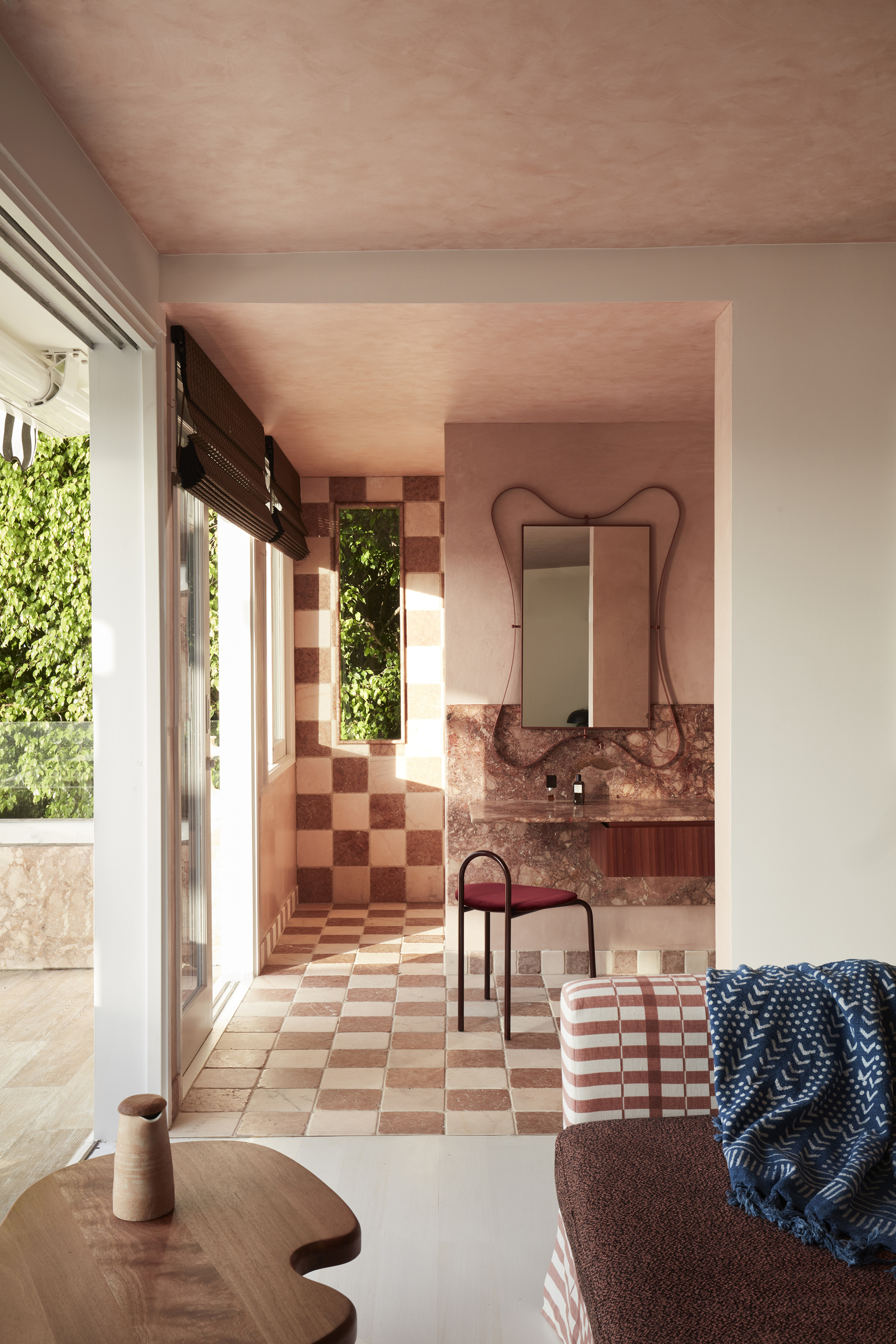
“French washed walls and ceilings scattered like a patchwork pattern throughout both levels ground the expanses of the existing white walls with their saturated deep terracotta red sheaths,” says Yasmine Ghoniem.
(Image credit: Prue Ruscoe. Design: YSG.)
A common misconception about Mediterranean-style interior design is that it is void of color. While texture is admittedly the hero, Yasmine says color could — and should — be included, but in considered ways.
What to read next
“Natural, slightly weathered finishes rather than bright colors,” she suggests, listing warm, sun-baked hues including pale to deep red terracotta shades, ochre, and warm whites, specifically. “Deep blue is often used as an accent,” she adds.
These tones are complemented by architectural elements that echo them — red clay roof tiles and timber beams being two examples.
Similarly, Kate says it’s common to spot nature-inspired colors. “It’s heavily inspired by the landscape and the architecture of those coastal regions,” she says. “Things like sun-bleached walls, stone, terracotta, the sea. Even the colors come directly from that environment, so warm neutrals, soft whites, muted blues, and greens.”

Farrow & Ball
Setting Plaster
How Has Mediterranean-Style Interior Design Evolved?
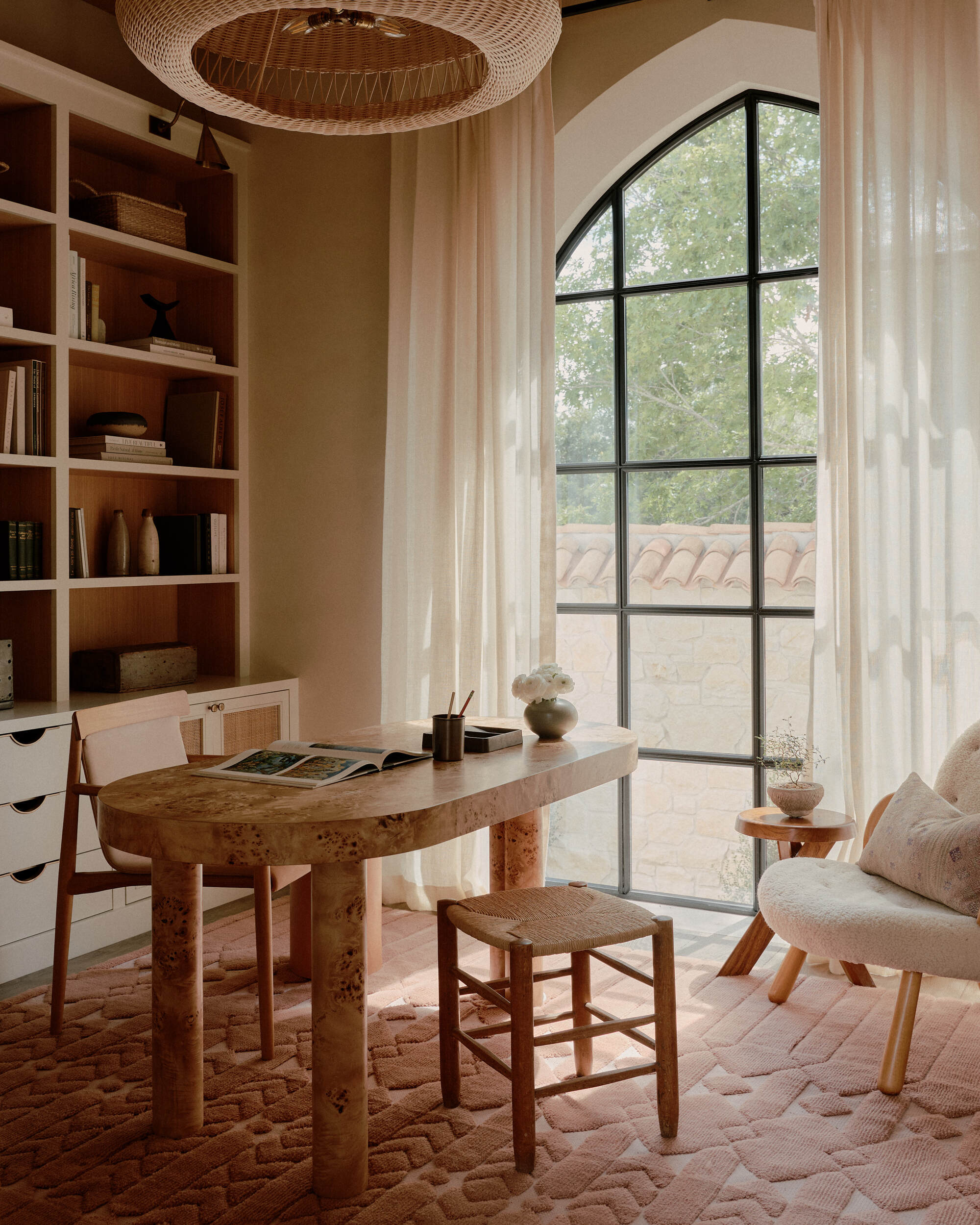
Neutral tones create a strong base palette from which to add soft tones and plenty of texture. Sheer curtains in this project, by Alexander Design, allow the space to be illuminated by soft light.
(Image credit: Alexander Design.)
While inspired by the old villas and casas of the region, evolving Mediterranean-style interior design for today’s homes is more about picking and choosing the elements that are fit for contemporary life.
“It’s less about replicating traditional details and more about capturing the essence of it,” explains Kate. “I tend to strip it back and focus on the feeling, so using natural materials, softer forms, and a more restrained palette. Instead of anything overly decorative, it might come through in curved furniture, textured walls, or subtle patterns in things like tiles or fabric. It’s really about creating that relaxed, sun-washed feel, but in a way that still feels clean and current.”
Yasmine agrees, describing a base palette of creams and off-whites from which to add color and pattern. “Floors generally feature terracotta pavers or natural timbers, and boards are laid vertically, without a tricked-up pattern.” She also recommends maximizing natural light by decorating with sheer curtains.
While we would all love to live it up along the sunny European coastline, creating moments of ‘Mediterranean’ at home is — as you can see — easier than you think. To redesign your space in a homage to the style, starting with furnished and decorated spaces, such as a Mediterranean-style living room, rather than hard-wearing zones, can be the perfect approach.
For more inspiration, make sure you’re subscribed to Livingetc’s newsletter.