
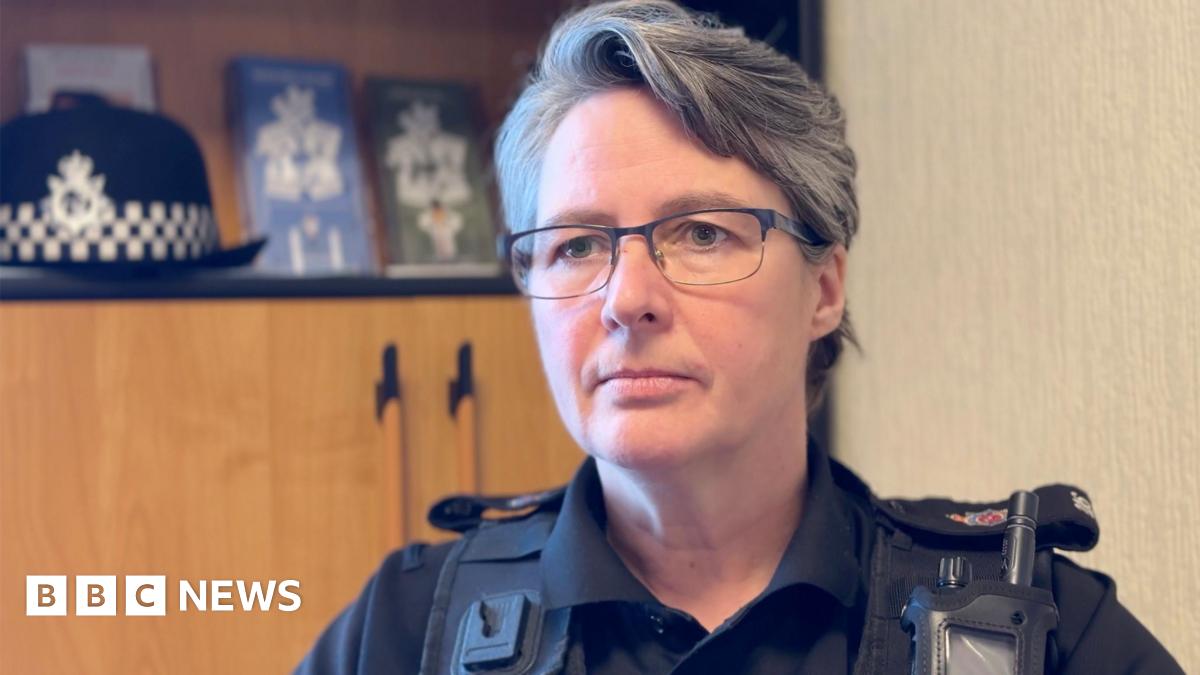
The “growing issue” was affecting children as young as seven, Kennaugh continued.
As a school education officer, Kennaugh said she asked whether pupils had seen something online that scared them and “still does” and in response “about three quarters of each class will put their hands up”.
“If this is what we’ve got in primary schools it only gets more and more as they get older,” she said.
While some cases crossed into criminal behaviour, Kennaugh said education was the priority.
“We don’t want to criminalise young people, we want to educate them,” she said.
Parents were also being encouraged to stay aware of their children’s online activity.
“Check what your kids are doing. Not in an invasive way, in a caring way. It’s not being nosy, it’s caring,” she said.
“It has to start happening and it has to start happening quicker.
“What I don’t want is to see these consequences as they develop into young adults.
“We don’t want your lives to change over the simple making of an image and sharing it.”