
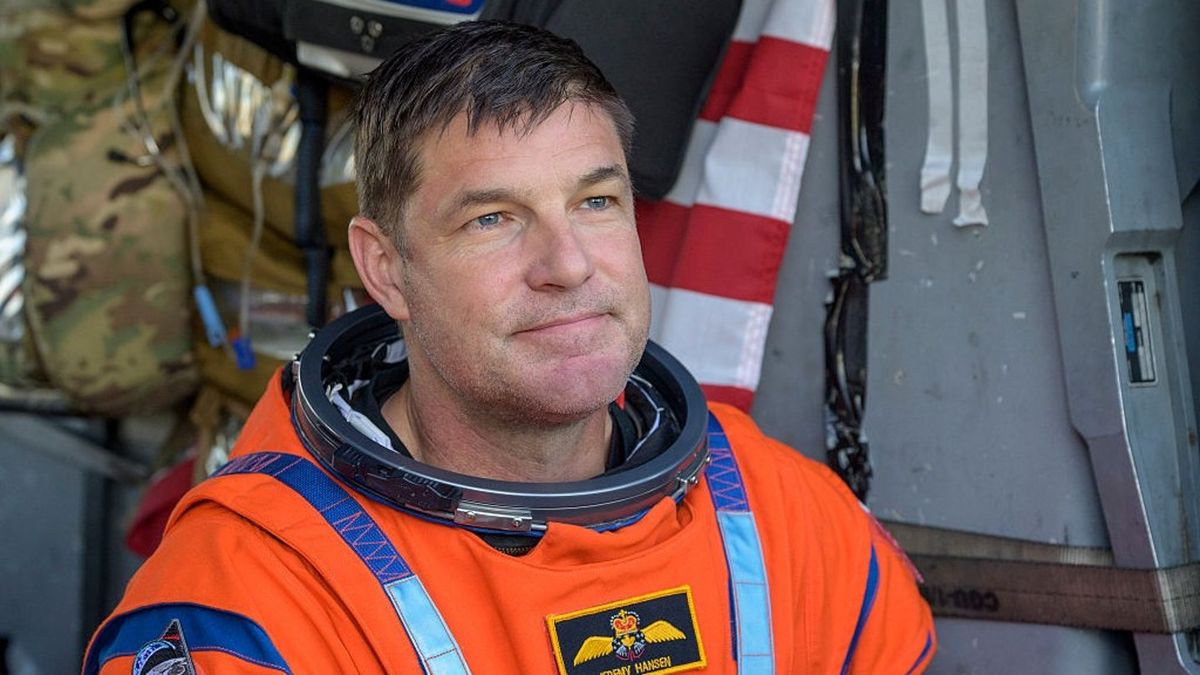
An astronaut on board the Artemis II mission has opened up about the ‘mind-blowing’ realisation which stuck with him after returning to Earth.
It was the first time humans had travelled around the Moon since Apollo 17 in 1972.
Four astronauts – Reid Wiseman, Victor Glover, Christina Koch, and Jeremy Hansen – spent about 10 days in space, letting the Moon’s gravity naturally curve their path around the far side of the Moon.
During the trip they tested life-support systems, communications and also took some stunning observations of the Moon.
The spacecraft re-entered Earth’s atmosphere and safely splashed down in the Pacific Ocean on 10 April.
Speaking to reporters, commander Wiseman revealed that he experienced a profound emotional shift while he was up there.
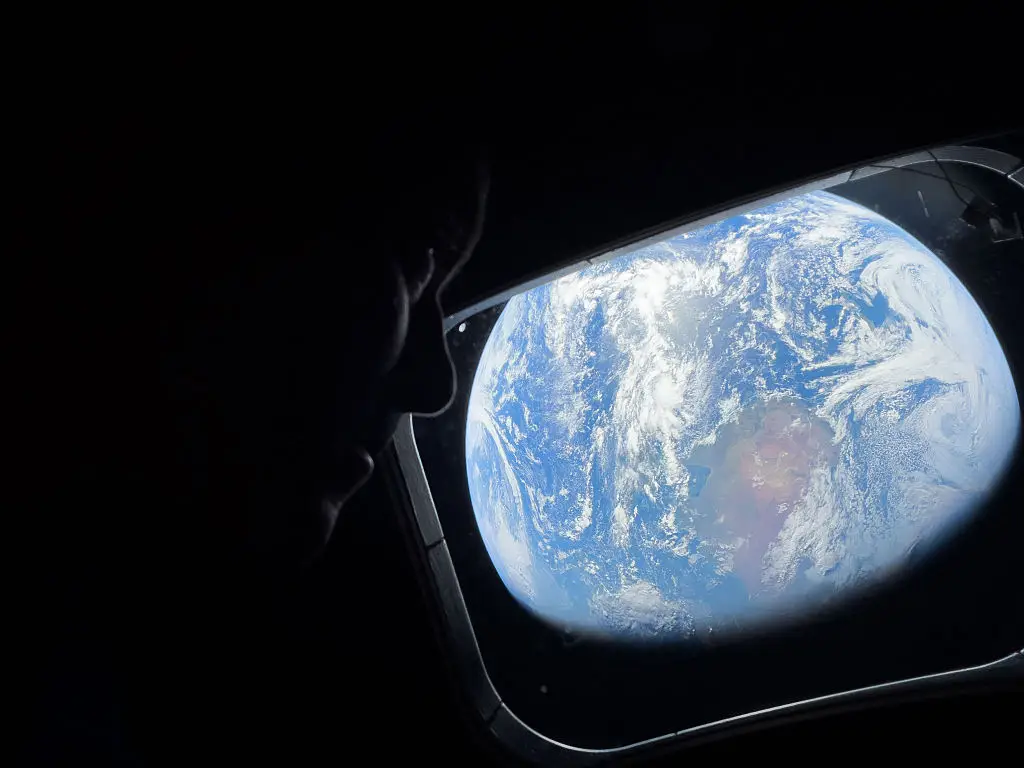 The astronaut felt the ‘Overview Effect’ (NASA via Getty Images)
“I’m not really a religious person but there was no other avenue for me to explain anything or experience anything,” he said.
“So I asked for the chaplain on the Navy ship to just come visit us for a minute.
“When that man walked in – I’d never met him before in my life – but I saw the cross on his collar and I just broke down in tears.”
Wiseman admitted that it’s ‘very hard to fully grasp what we just went through’ and that they’ve had little time to process their experience.
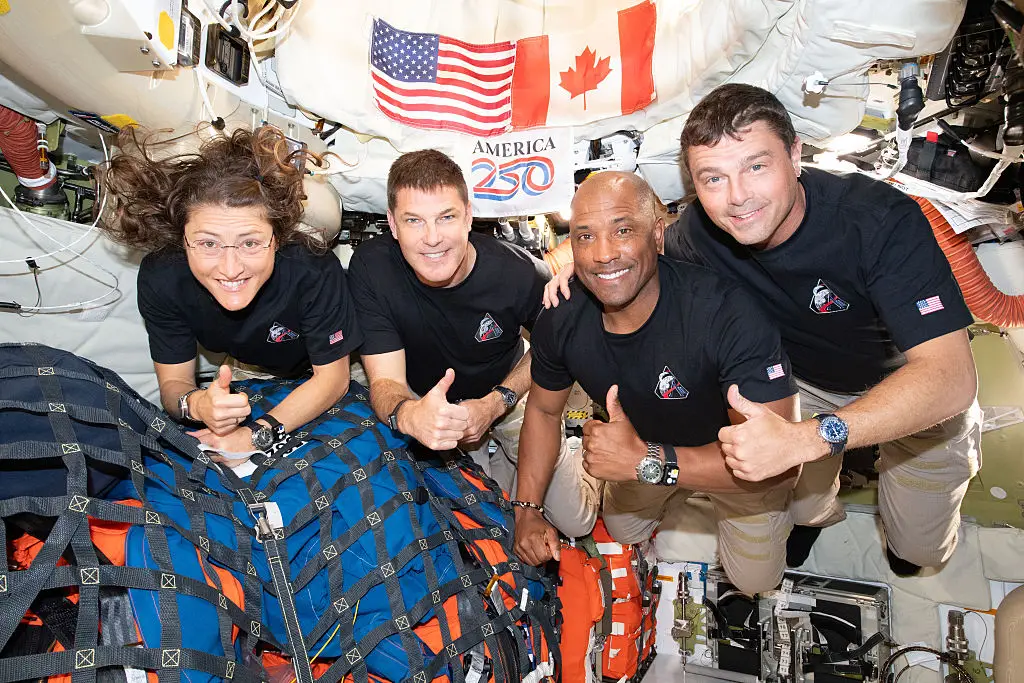 Christina Koch, Jeremy Hansen, Victor Glover, and Reid Wiseman (NASA via Getty Images)
Hansen, meanwhile, said he has been ‘trying to find words’ to sum up what they saw.
“But what kept grabbing my attention – when the lighting was right and we were looking out the window – is that I kept seeing this depth to the galaxy,” he added.
“That was mind–blowing for me. The sense I had of fragility and feeling infinitesimally small.”
The cognitive shift when looking down at Earth from space is known as the ‘Overview Effect’.
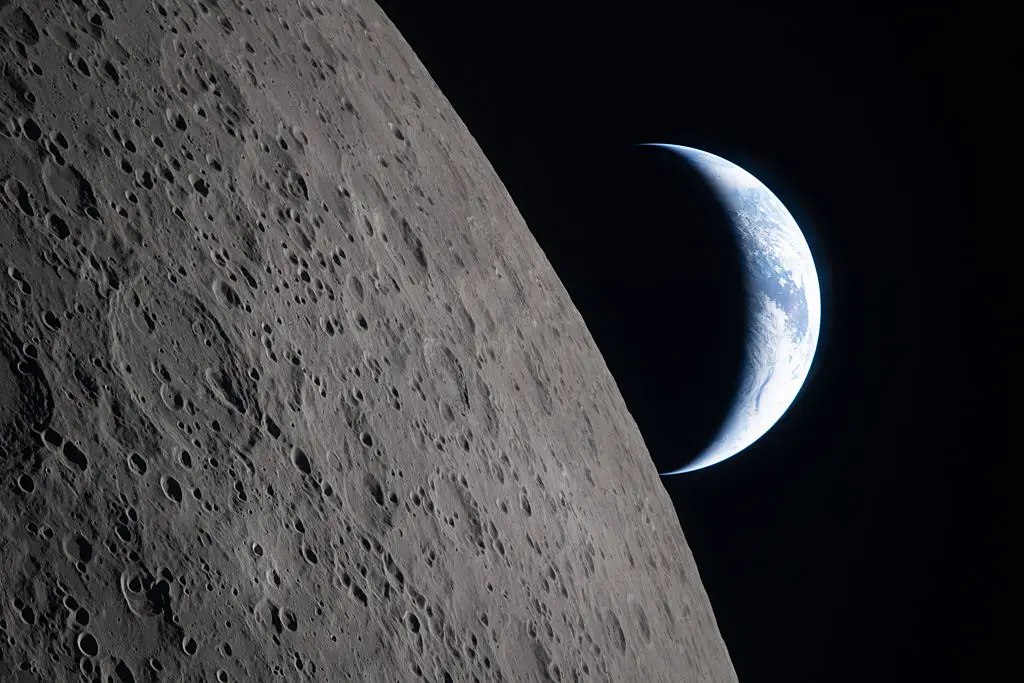 The astronauts captured incredible images of the Moon and the Earth (NASA via Getty Images)
It’s the unexpected feeling of overwhelming emotion, a kind of like ‘we’re all in this together’ thing.
“When the sun eclipsed behind the moon, I turned to Victor and said ‘I don’t think humanity has evolved to the point of being able to comprehend what we are looking at right now’,” Wiseman explained.
Koch noted that despite the profoundness of their mission, she revealed that team have been ‘sleeping great’ since.
“Every time I woke up during the first few days I thought I was floating. I truly thought I was floating and I had to convince myself I wasn’t,” she said.
IN PICTURES: Artemis II’s historic lunar mission
From rogue Nutella jars to lunar hugs and even the Milky Way, let’s have a look at some of the highlights of the mission in pictures, as the crew prepares to splash down on the West Coast of the US.
Astronaut Jeremy Hansen enjoys a shave on the way to the Moon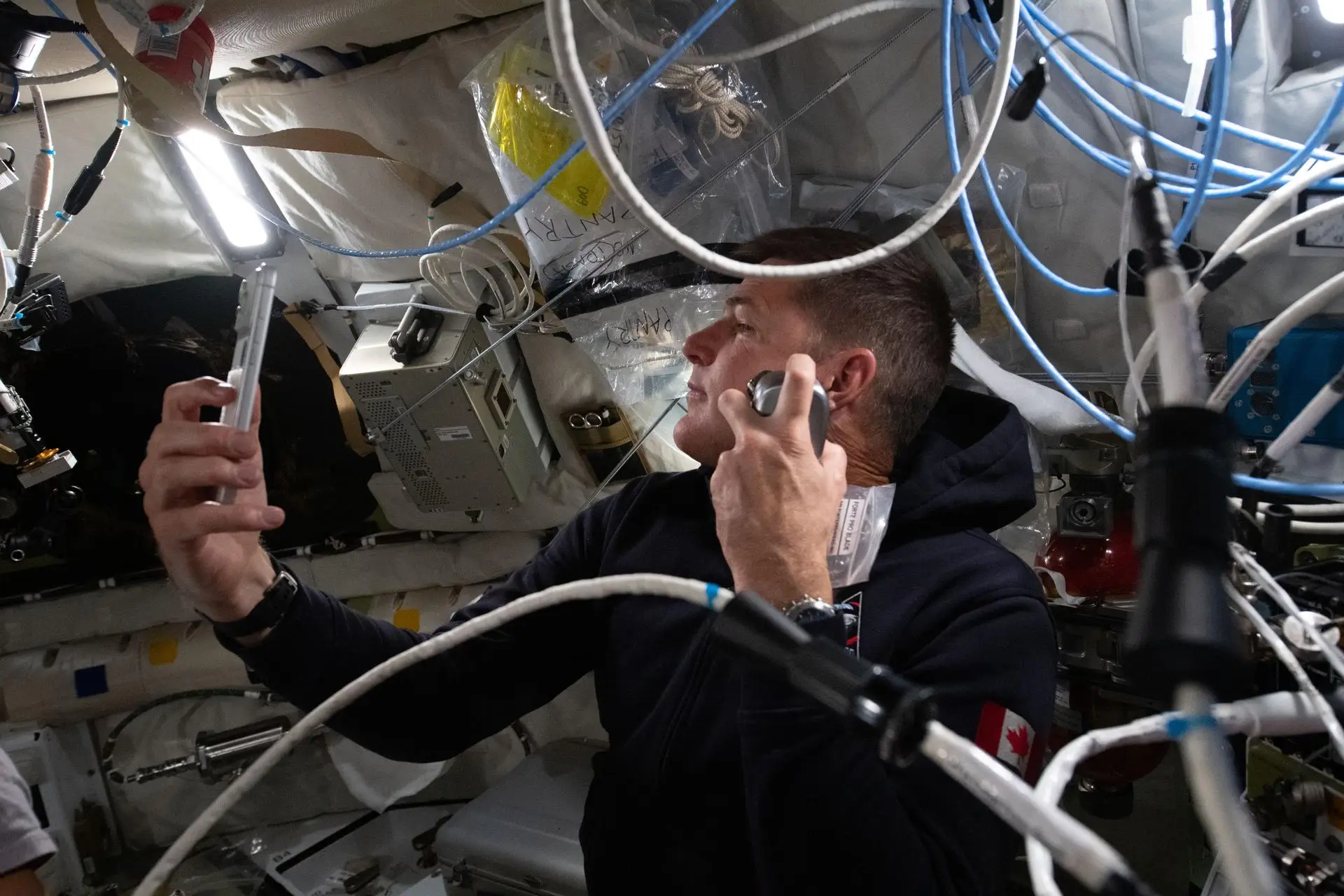 Hansen did a spot of self care during flight day five (NASA)Rogue Nutella jar photobombs the crew’s livestream
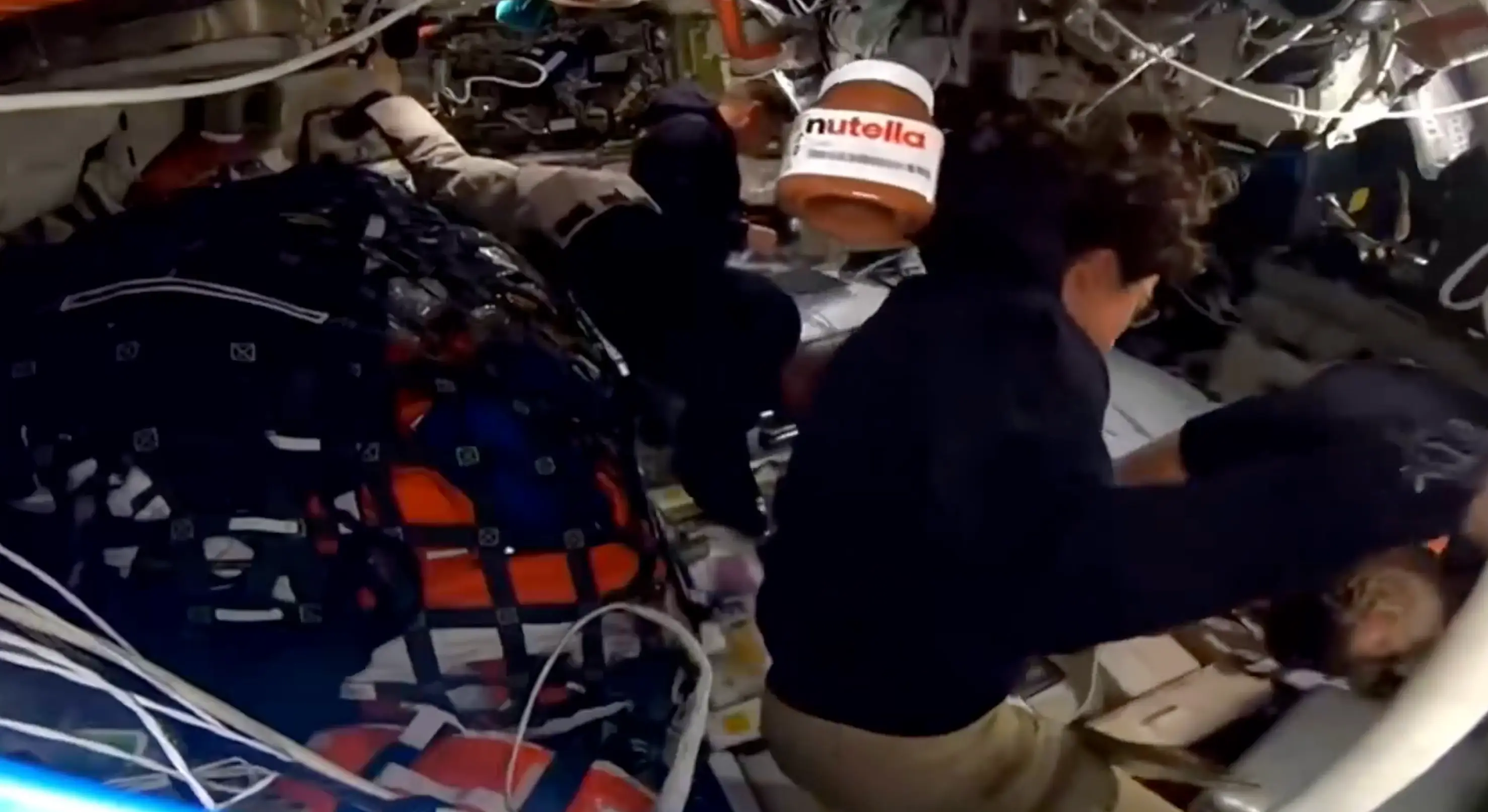 A rogue Nutella jar became the best accidental free advertising in history (NASA)Christina Koch takes a little peek at Earth
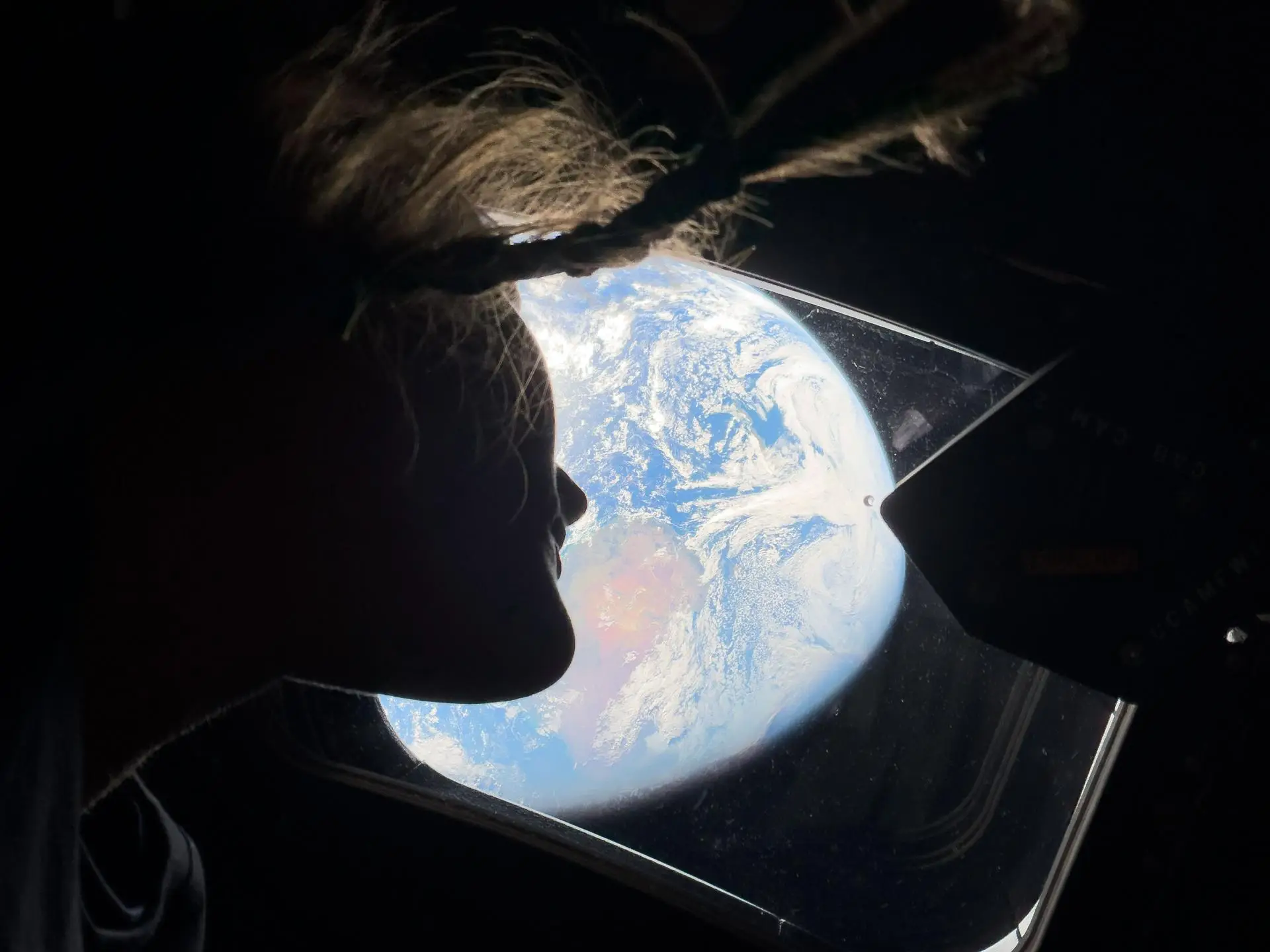 Christina Koch takes a peek at Earth as they journey closer to the Moon (NASA)The crew look out of the Orion as they close in on the Moon
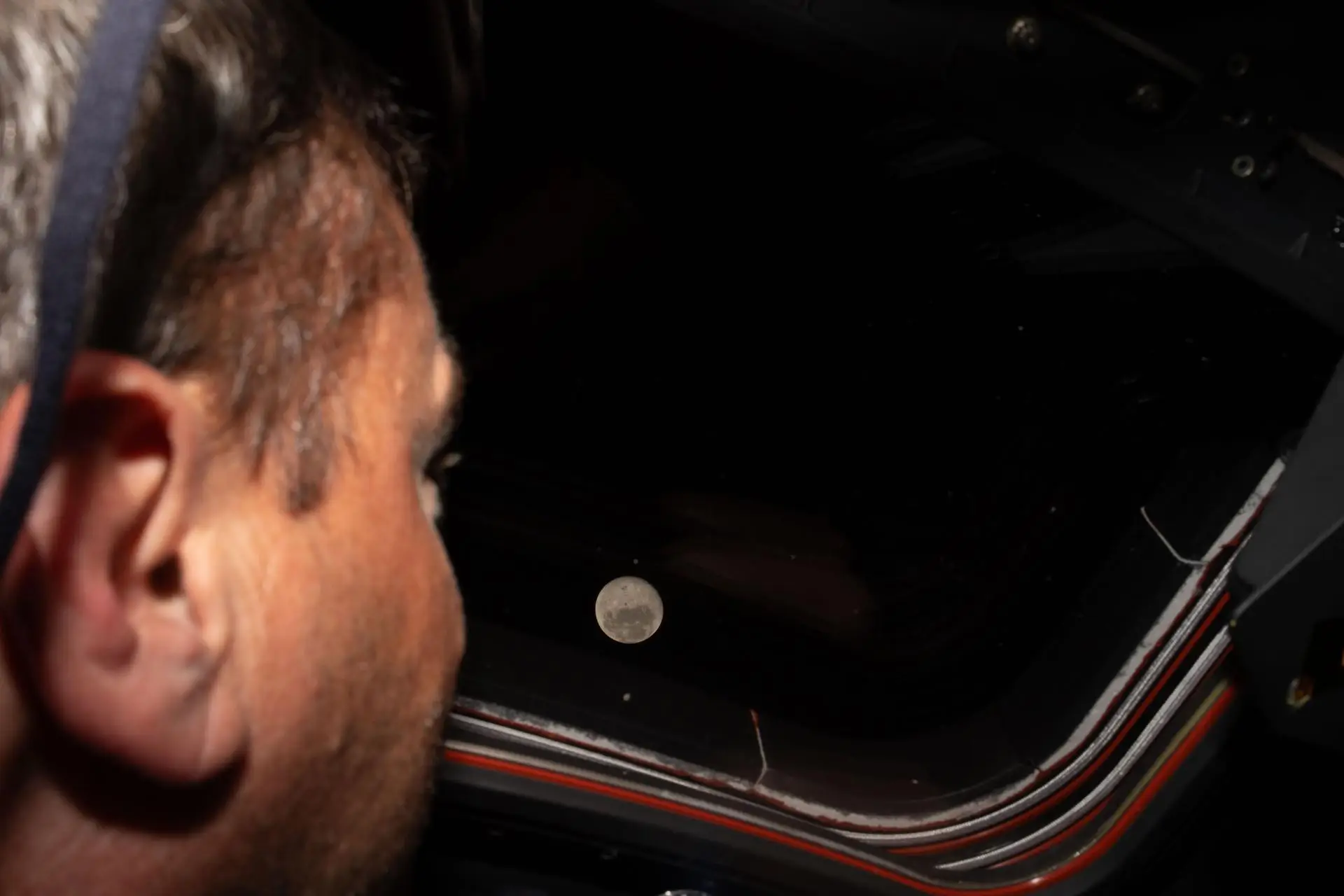 Artemis II commander and NASA astronaut Reid Wiseman is seen taking in the view (NASA)It’s solar eclipse time
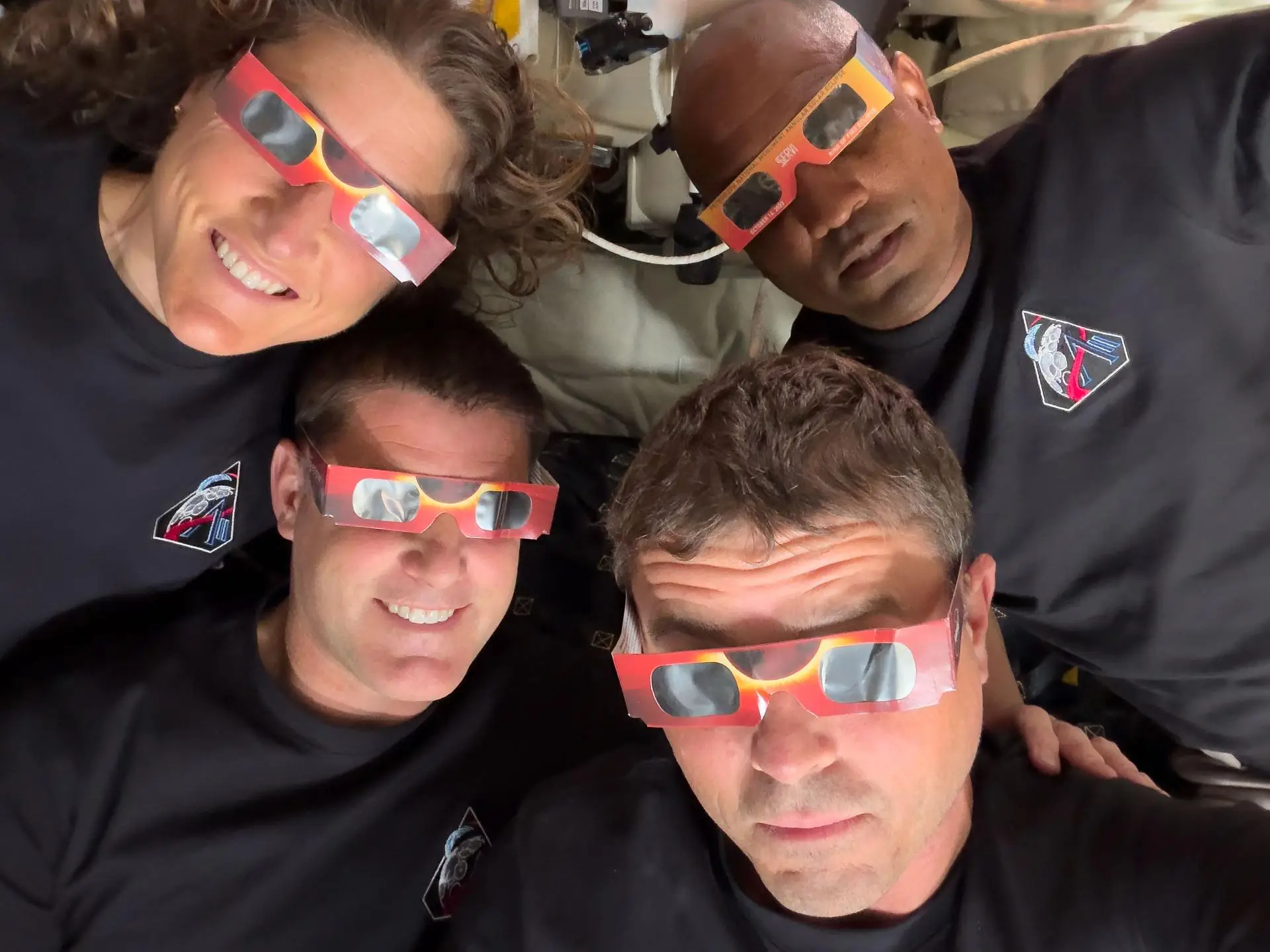 The Artemis crew viewed a solar eclipse from the Orion spacecraft (NASA)
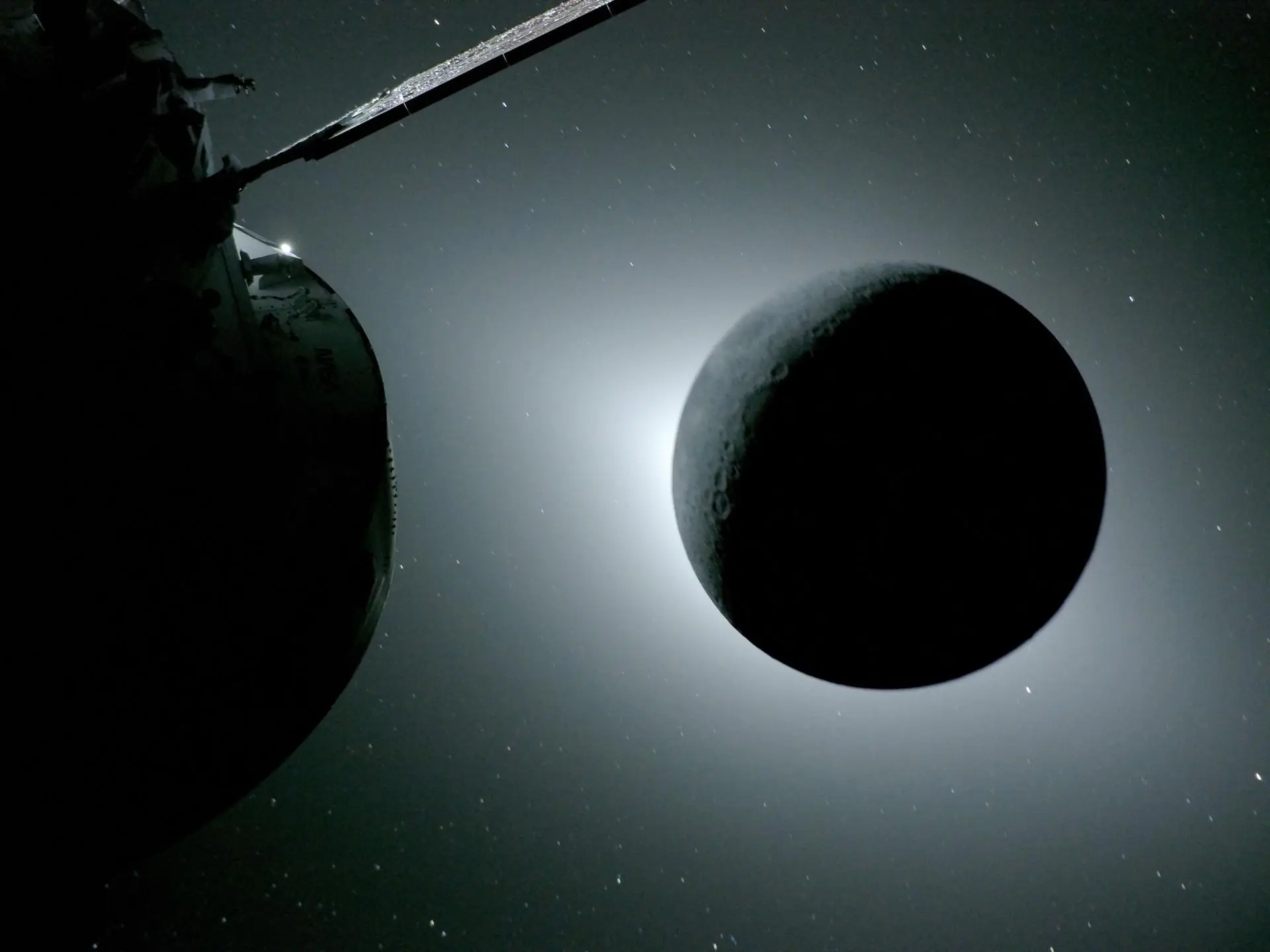 The Sun disappeared behind the Moon (NASA)The crew prepare their cameras for their journey around the far side of the Moon
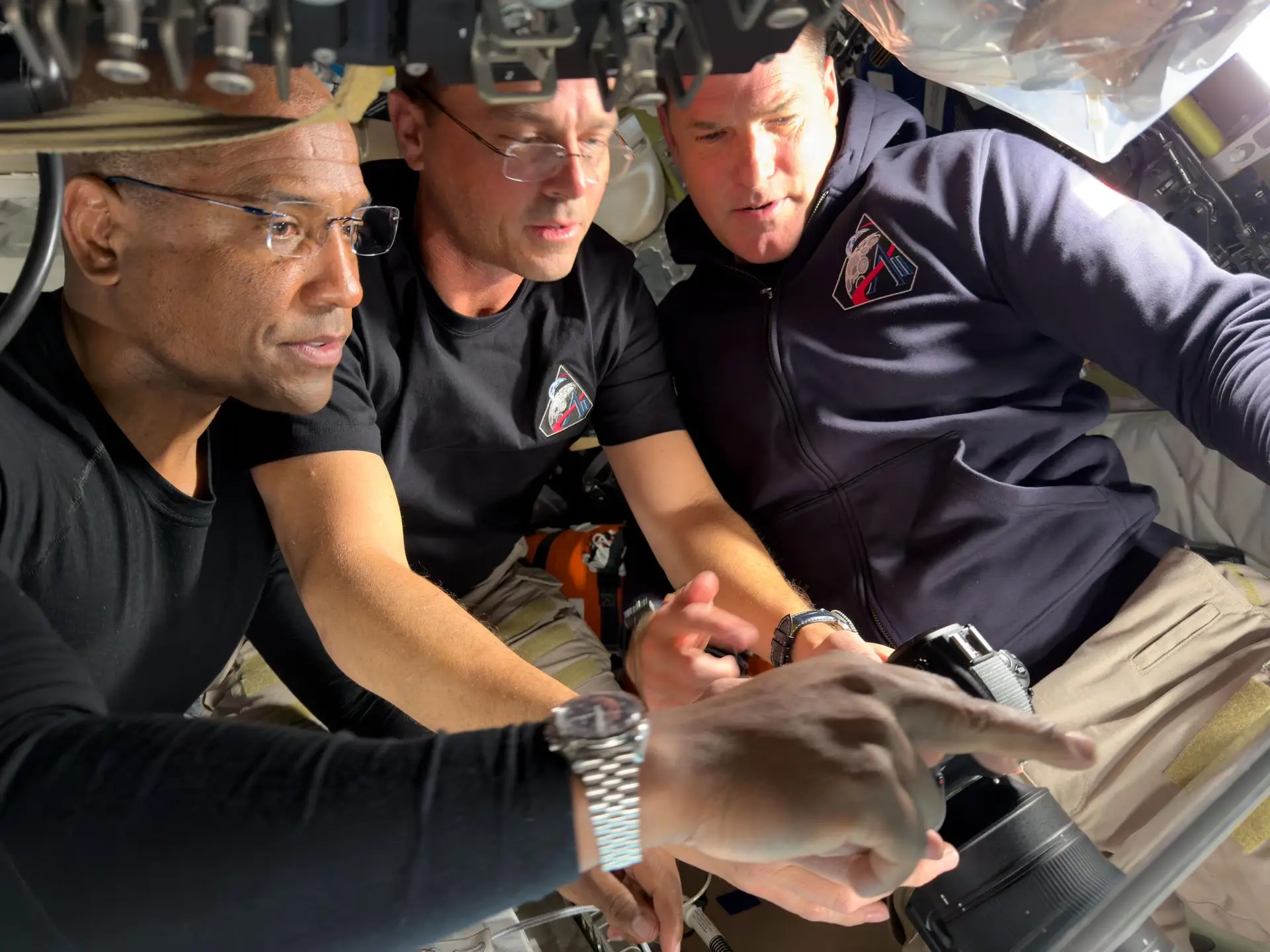 Some of the crew are pictures configuring their camera equipment before beginning their lunar flyby observations (NASA)An in-depth look at the lunar surface
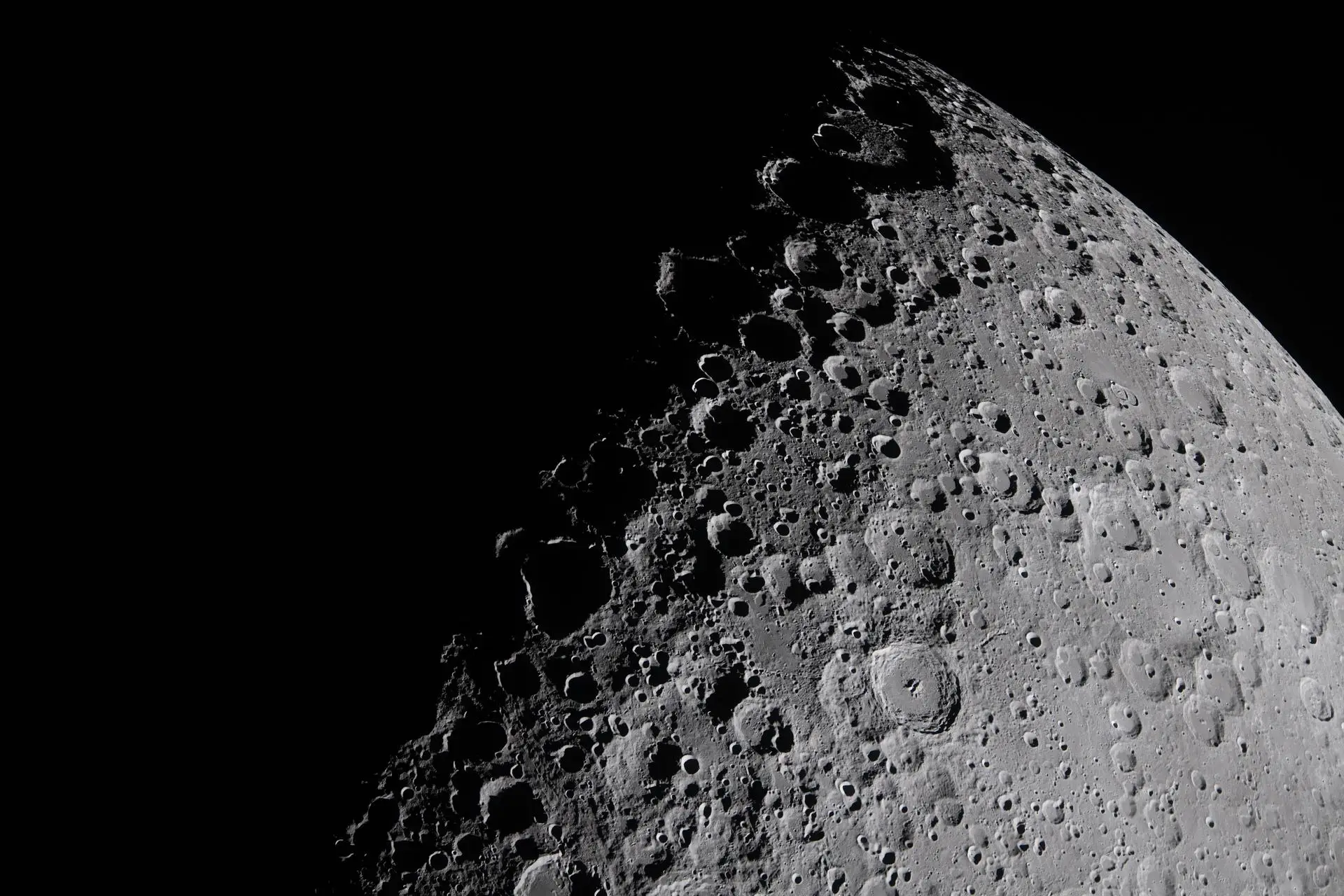 The crew captured a portion of the Moon coming into view along the terminator – the boundary between lunar day and night (NASA)
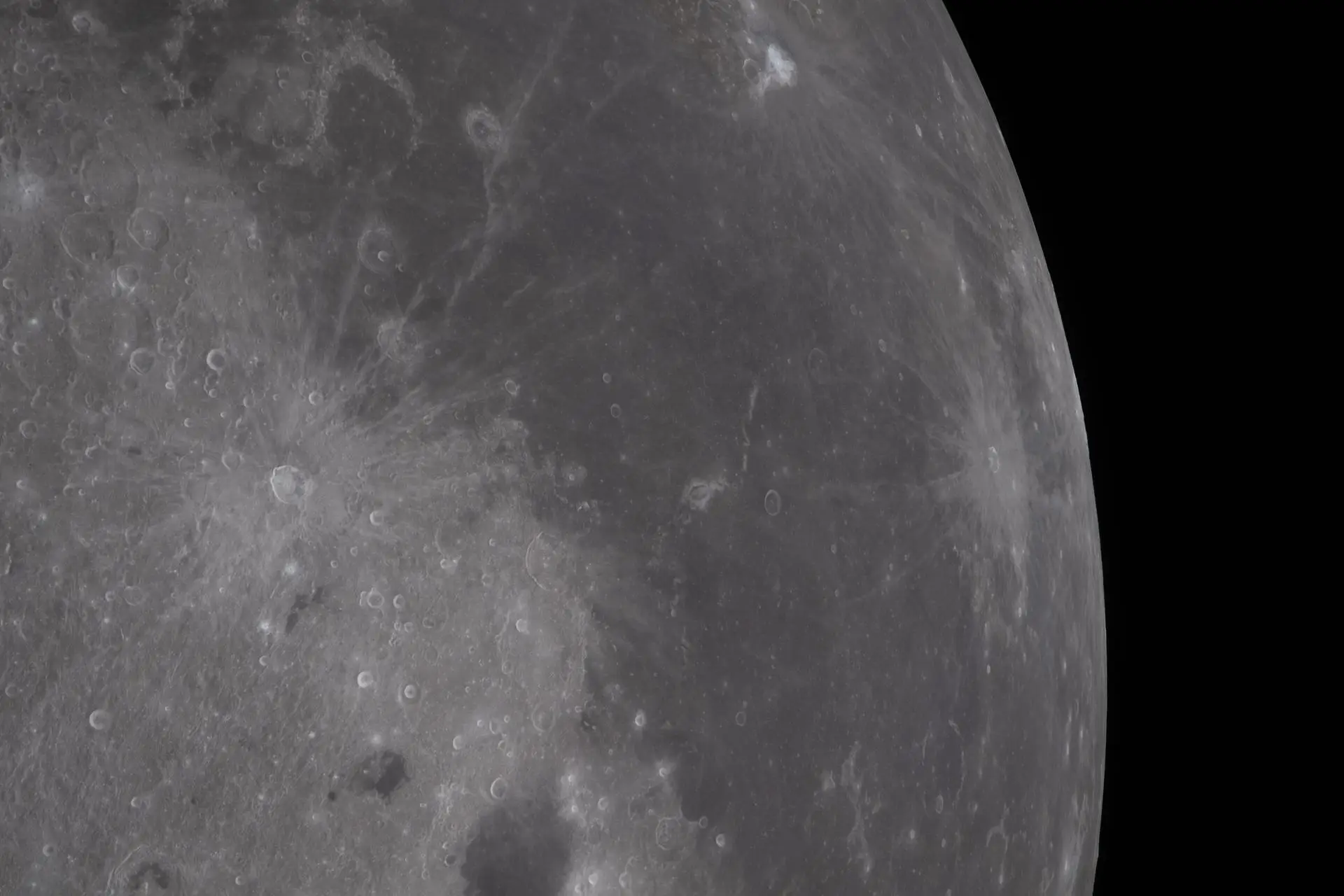 A cross section of lunar geology (NASA)First photo taken from the far side of the Moon
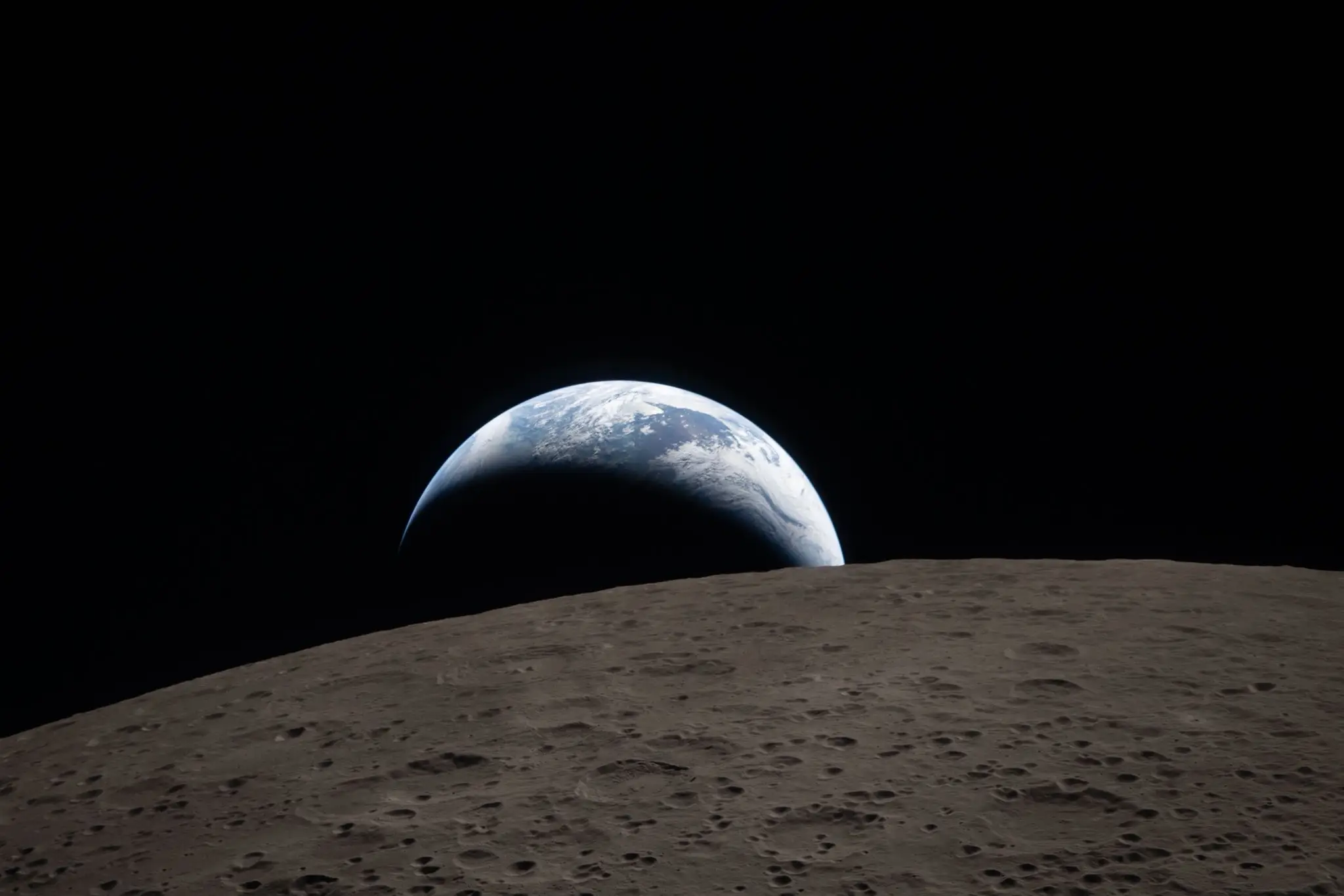 The image was captured from the Orion, showing a view of Earth from the far side of the Moon (NASA)A full view of the Moon
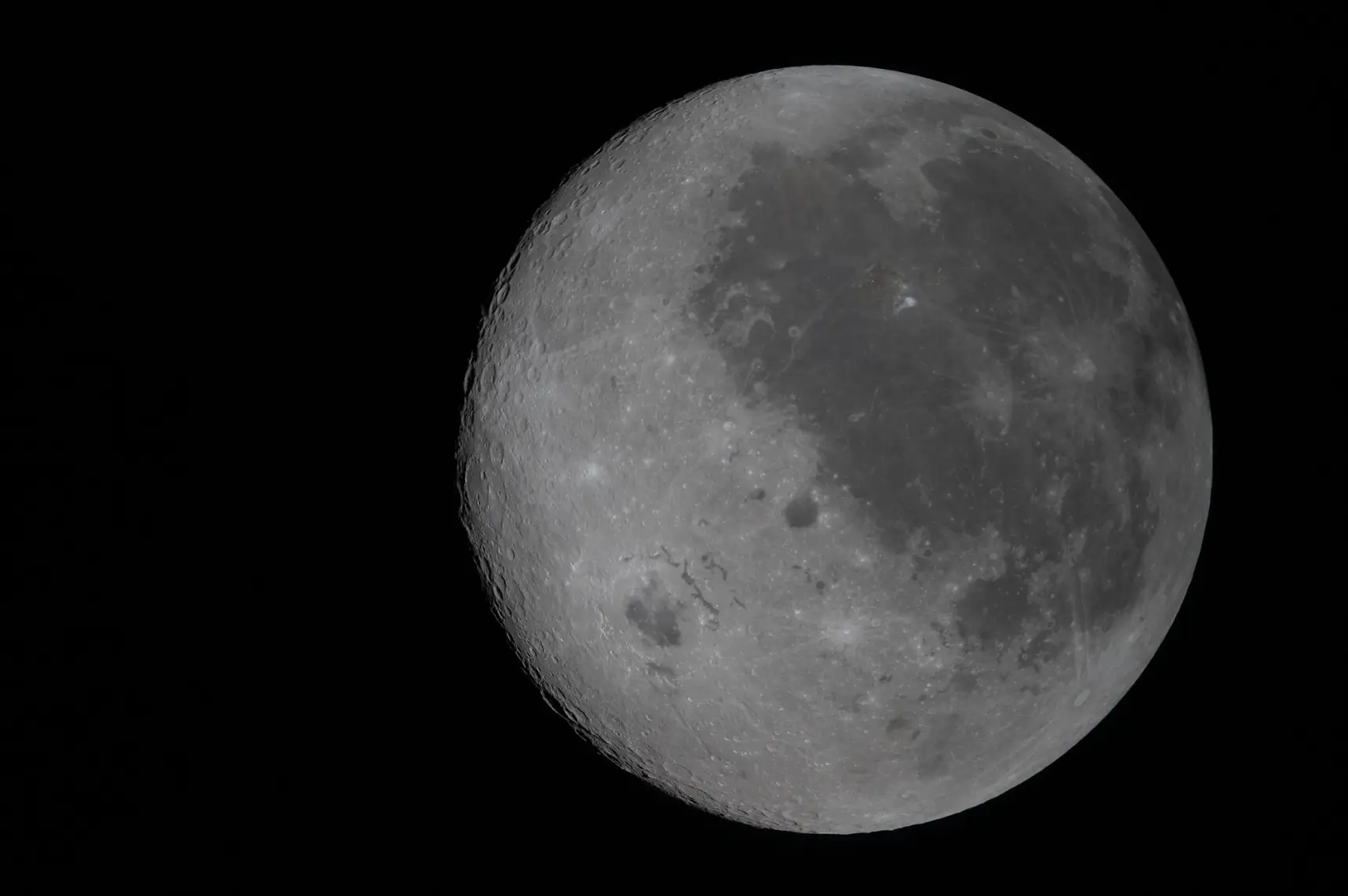 Everything to the left is the far side of the moon; the dark patch is the part we can see from Earth (NASA)Time for a space selfie
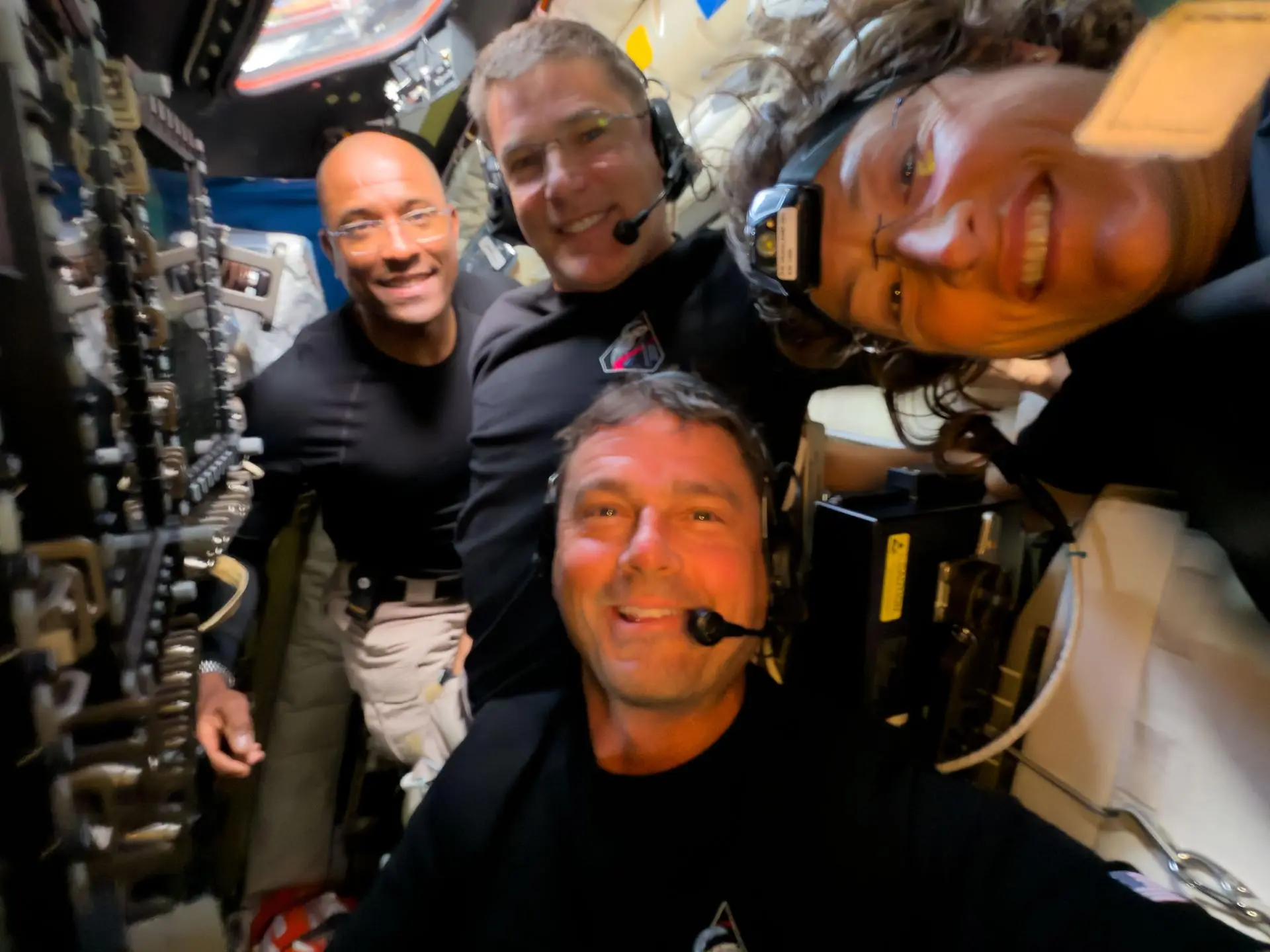 Midway through their lunar observation period, the crew stopped for a quick snap (NASA)A quick pit stop to snap the Milky Way
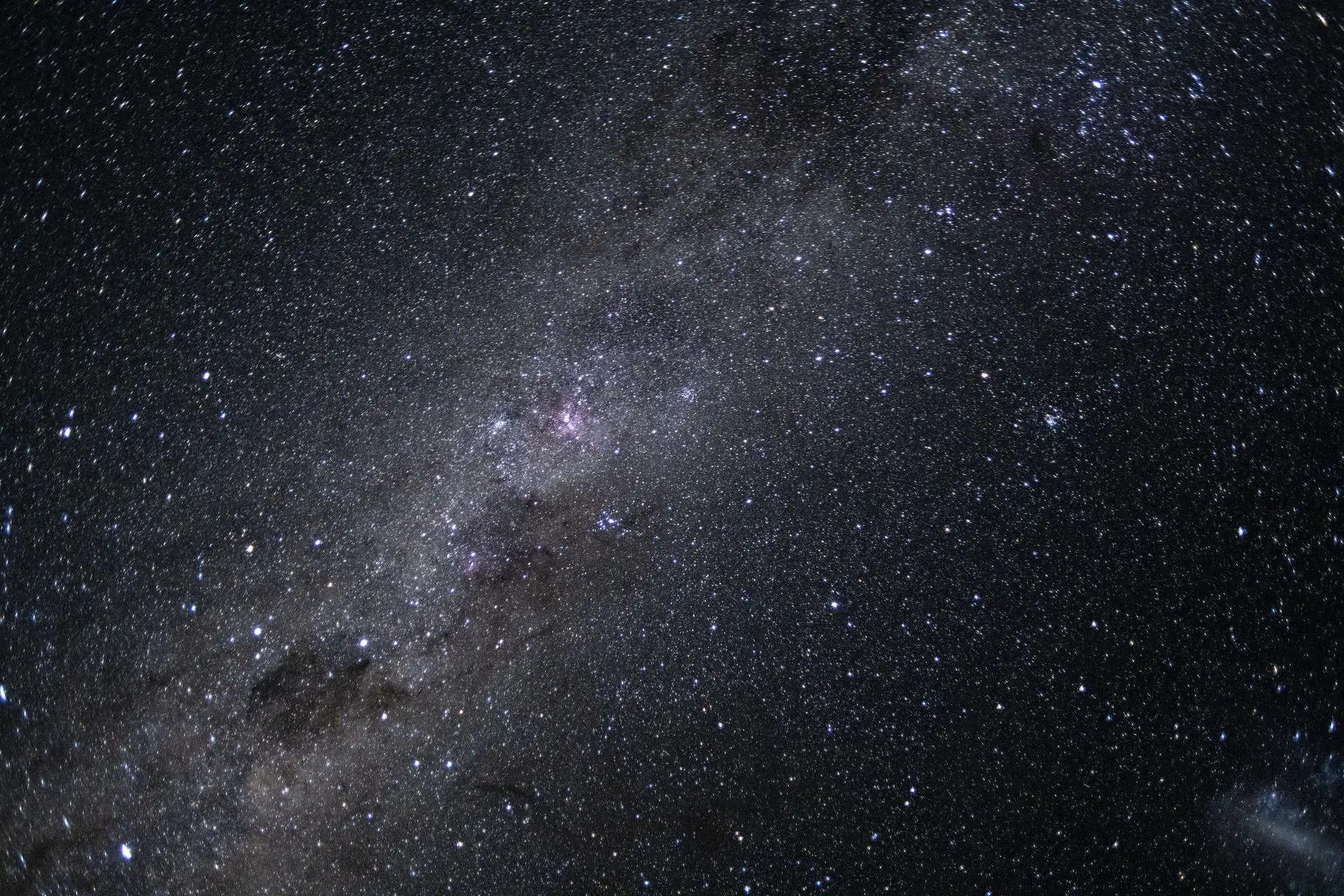 This breathtaking image captures our galaxy, the Milky Way. Earth is about halfway from the center (NASA)A space hug
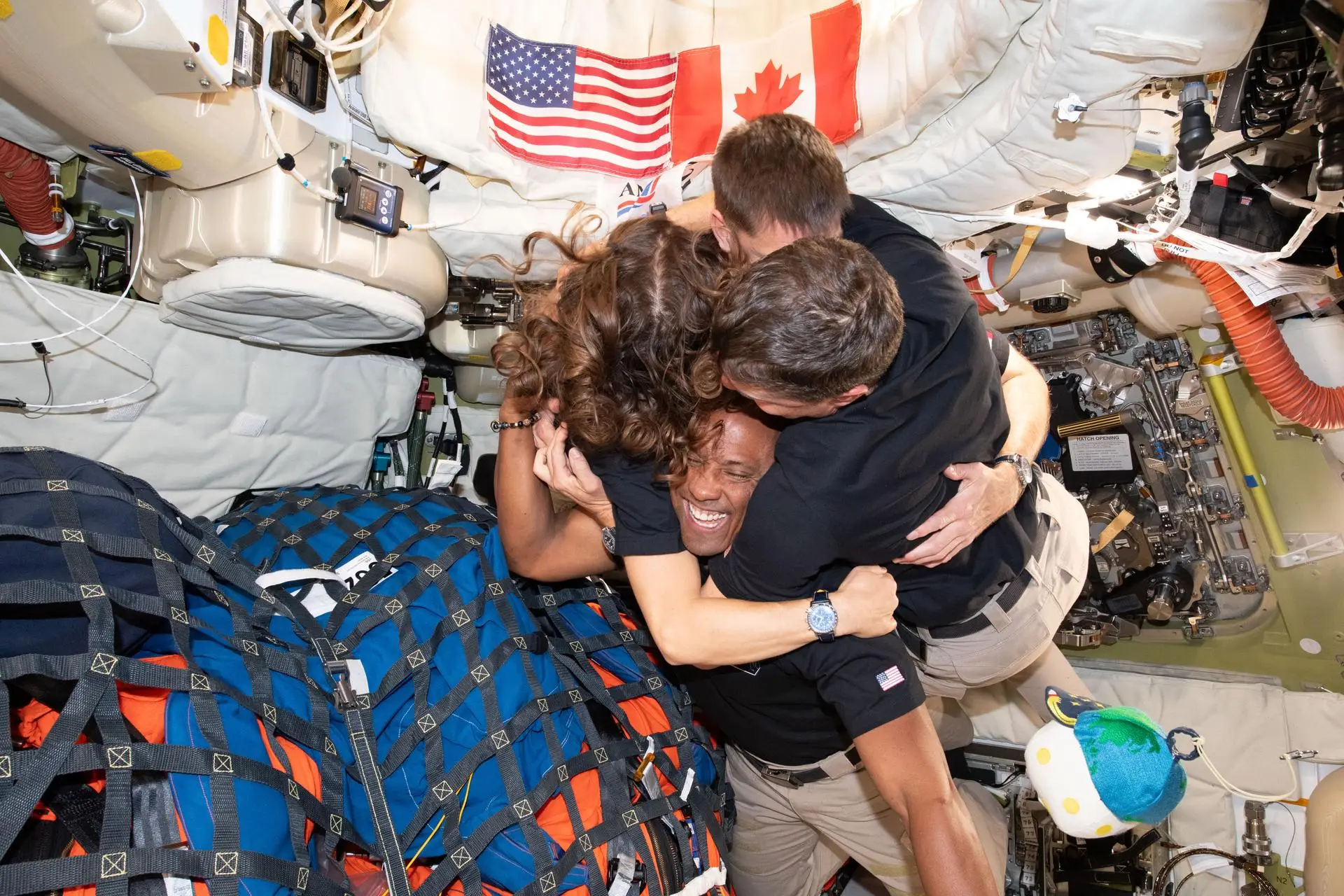 The crew share their joy inside the Orion spacecraft on their way home (NASA)NASA’s Orion spacecraft in full view among the stars
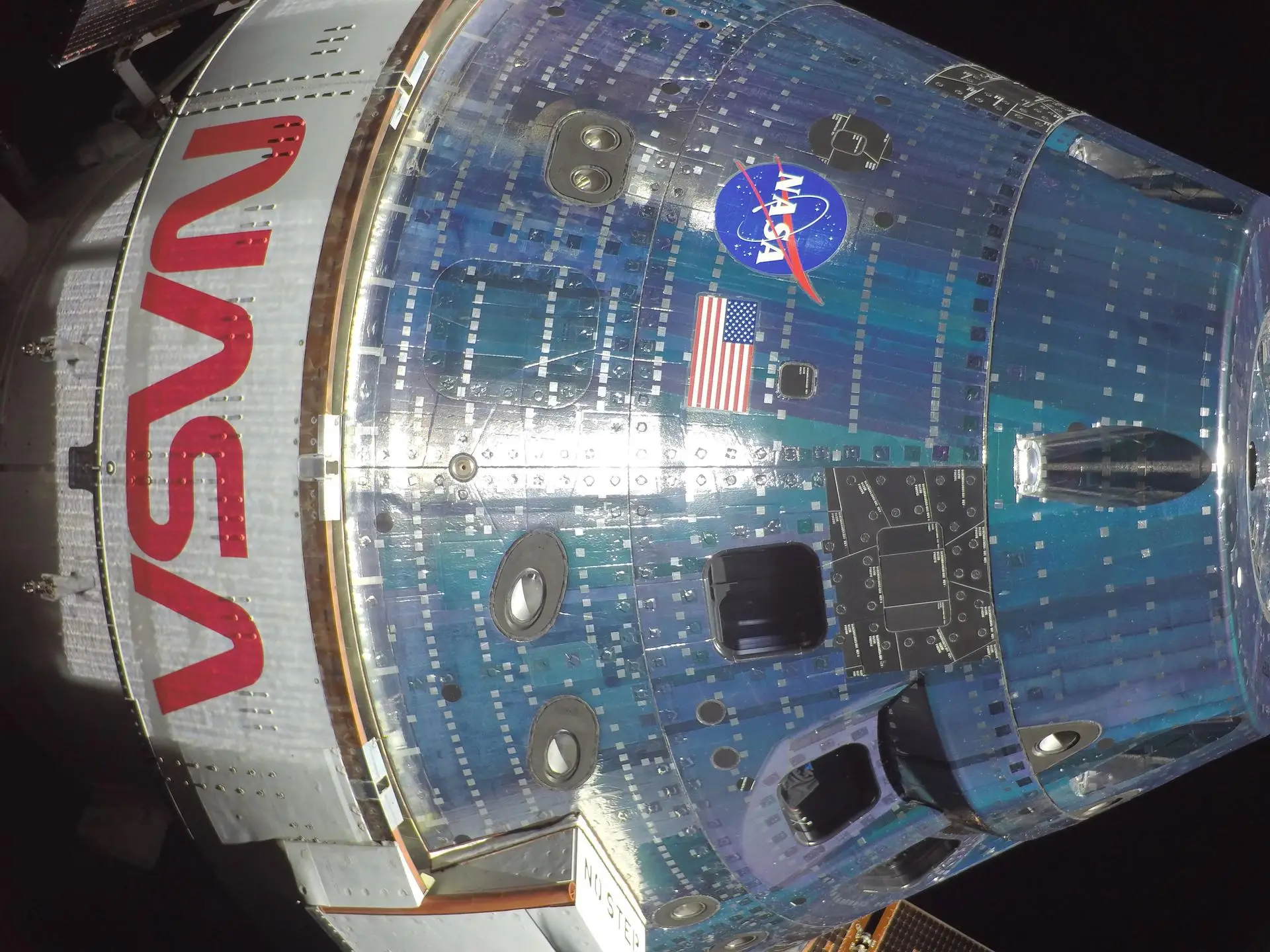 At the time this photo was taken, the Artemis II crew were having a snooze (NASA)