
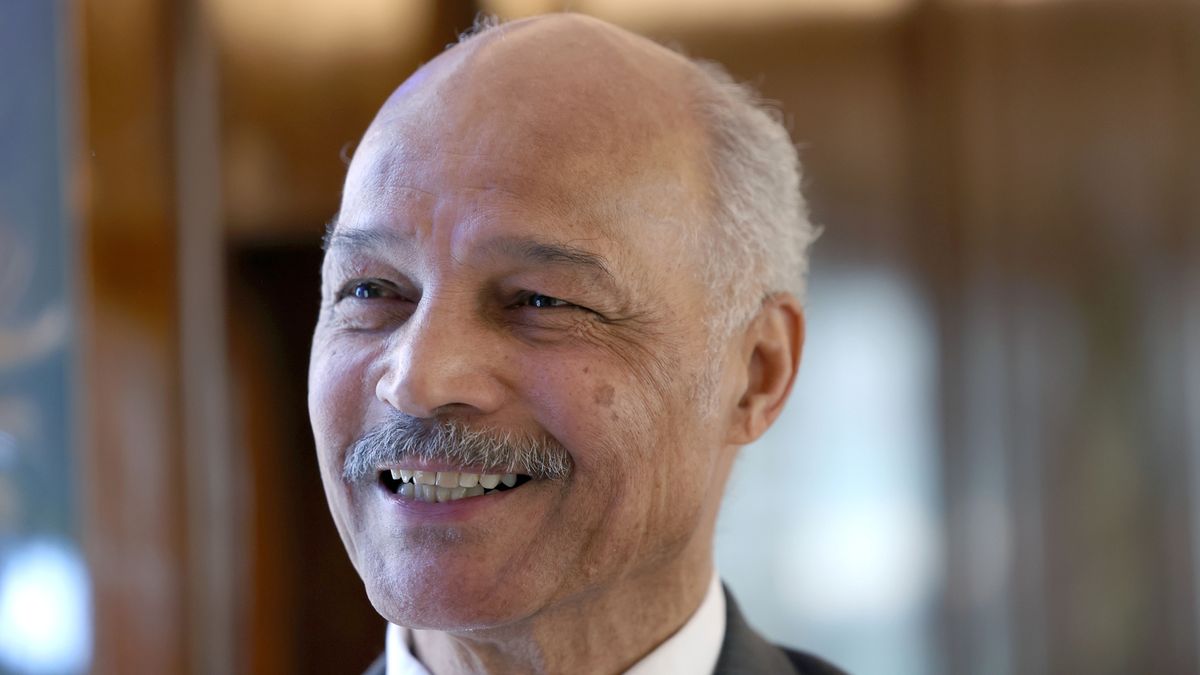
“God helps those who help themselves,” is the mantra repeated by John Conteh as the reason why he has always been able to get up after being knocked down. That lesson was passed onto the Scouse boxing legend by his dad, Frank, who first took him to the Kirkby Amateur Boxing Gym when he was 11.
Conteh had already shown incredible sporting promise as a child in football and athletics, but it was the sweet science that proved to be his true calling. The now 74-year-old was a natural in the ring and became the face of the sport in this country in the 1970s, with his light heavyweight title win over Jorge Ahumada still considered as a defining moment in British boxing.
More than five decades on from this triumph and Conteh’s story continues to captivate, as his rise in the ring was in contrast to his personal struggles away from it, with alcoholism and repeated hand injuries leading to an abrupt retirement aged 29 in 1980. The dichotomy of his fascinating career is explored in a new play at the Royal Court, Conteh, which is on until May 9 and stars fellow Liverpudlian Aron Julius in the lead role as the legendary boxer.
Speaking to the ECHO in an exclusive interview at the theatre this week, Conteh said it is a privilege to have his story adapted for the stage. He said: “It’s a great honour to be part of it. That society wants to do that. It sounds a bit trite, but the genuineness of that is fantastic.”
The ECHO spoke to the boxing legend on the day of rehearsals after he watched preparations for two scenes that illustrated the split lives he led at his prime. One scene saw Conteh fall into the trappings of his celebrity lifestyle as he partied with his brother, Tony, at the beginning of a three day bender. The next scene saw him get scolded by his wife, Veronica, and trainer, George Francis, for losing his focus in the lead up to an important title fight.
Confronting the past is never easy and Conteh admitted it will be emotional to revisit this polarising period of his life when he watches the play with the family. He quipped: “I think [the family] will want to get rid of me. I’m on the ropes. All my brothers will be after me. ‘Ay, what are you talking about?’ I didn’t say that.”
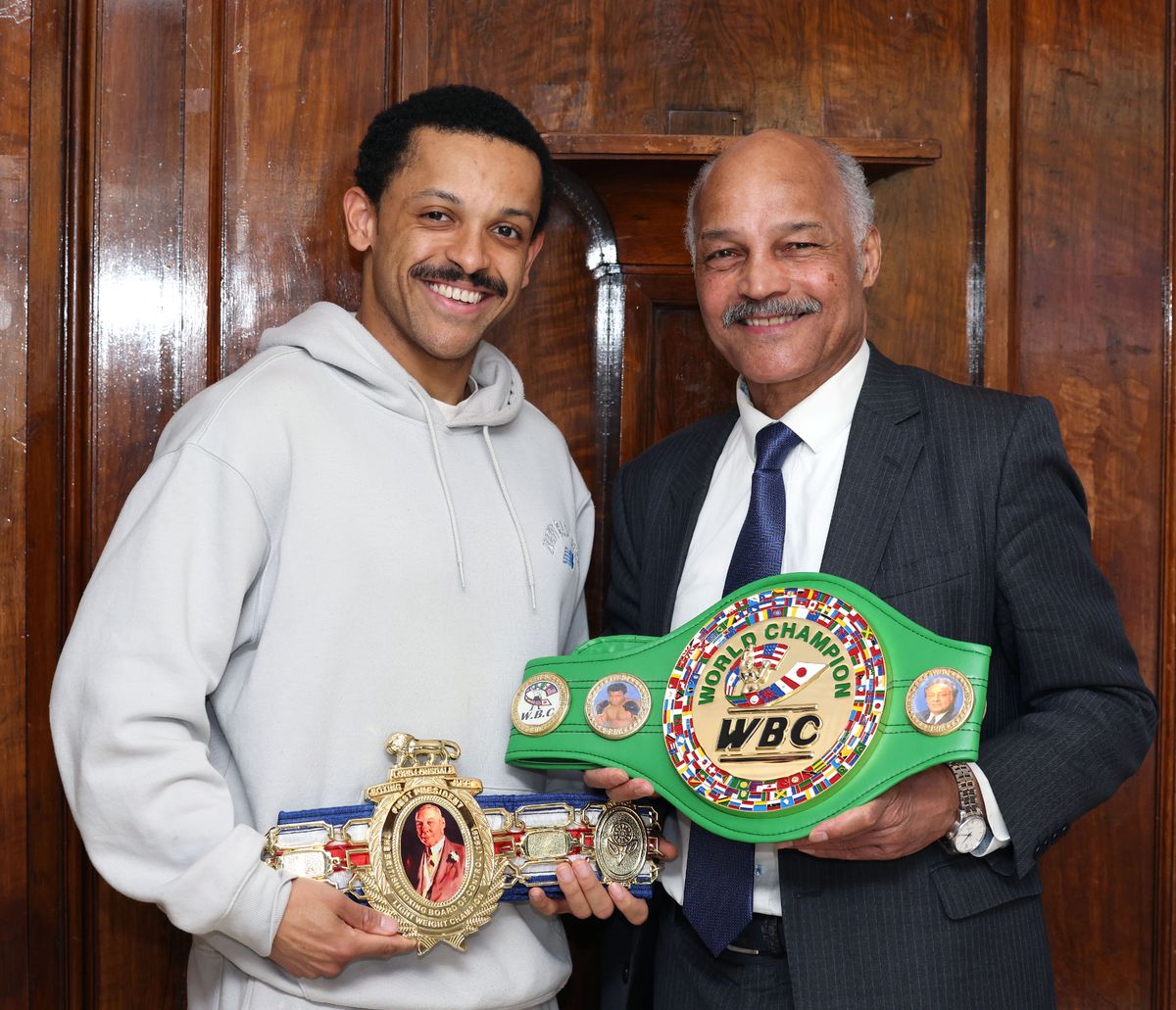
John Conteh with Aron Julius, who is starring as the legendary boxer in Conteh at the Royal Court(Image: Colin Lane/Liverpool Echo)
But Conteh has always been honest about his demons and this is perhaps why he always connected with the British public beyond boxing. That honesty is something he inherited from his upbringing in Liverpool, as he shared his philosophical outlook.
He said: “We do some good things, we do some bad things. If you’re still alive, you’ve got a chance to learn from it, grow from it, and go forward. And, hopefully by doing so, helping somebody else as they helped me in my life.
“Getting in the boxing side when I was in Liverpool, people helped me. And my problems in life. People helped me that way. So you try to pass it on.”
Helping people is at the core of Conteh’s values and is the main reason why he gave Julius permission to adapt his story for the stage. The boxing icon has been sober since the early 90s and still attends meetings to this day as he wants to use his voice to spread the word about what worked for him.
He told the ECHO: “Keep bringing the body [to meetings] and the head will eventually follow. Uncover, discover, discard. That’s what it’s about.
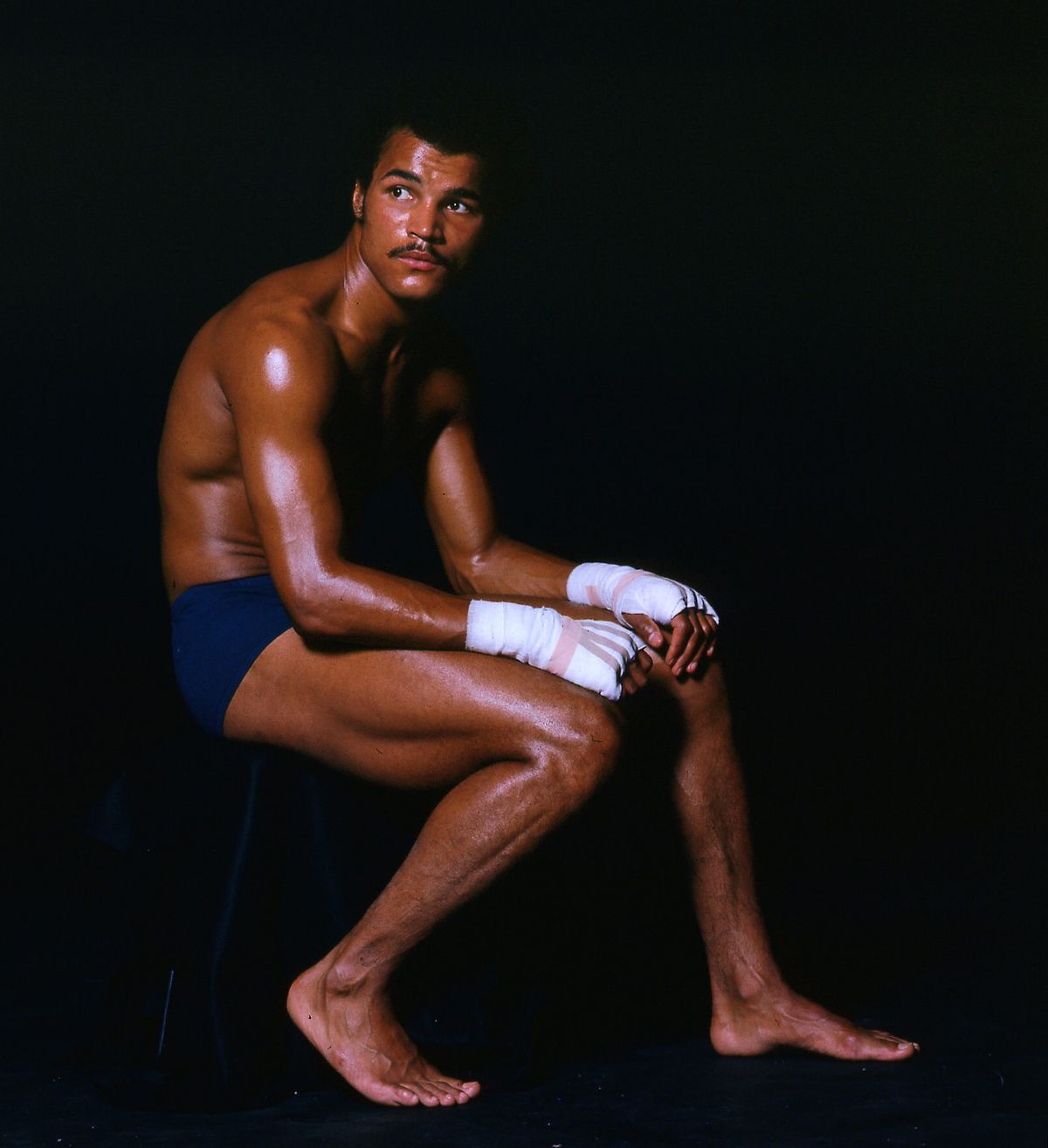
John Conteh boxer, May 1977
“[Life] is the complete opposite to the ring, you see. This is the ring out here. I always knew that [a boxing ring] was a square, four corners. But this is the real ring, the problems out here [in the real world].”
In the defined boundaries of the ring, Conteh flourished as he won a gold medal at the Commonwealth games, along with British and European titles before the WBC World Light Heavyweight title in 1974. A steadfast mentality and a belief in his mantra was key to that early success in his younger days, as he said: “I was taught to believe, went to mass and I was an altar boy. I wanted to sing, but I couldn’t play any instruments so it was sport, athletics, boxing or football.
“I chose boxing along the way because I heard that God helps those who helps themselves. That was taught to me by my mother, my father, my religion. I used that higher power to get what I wanted and it worked for me in boxing.
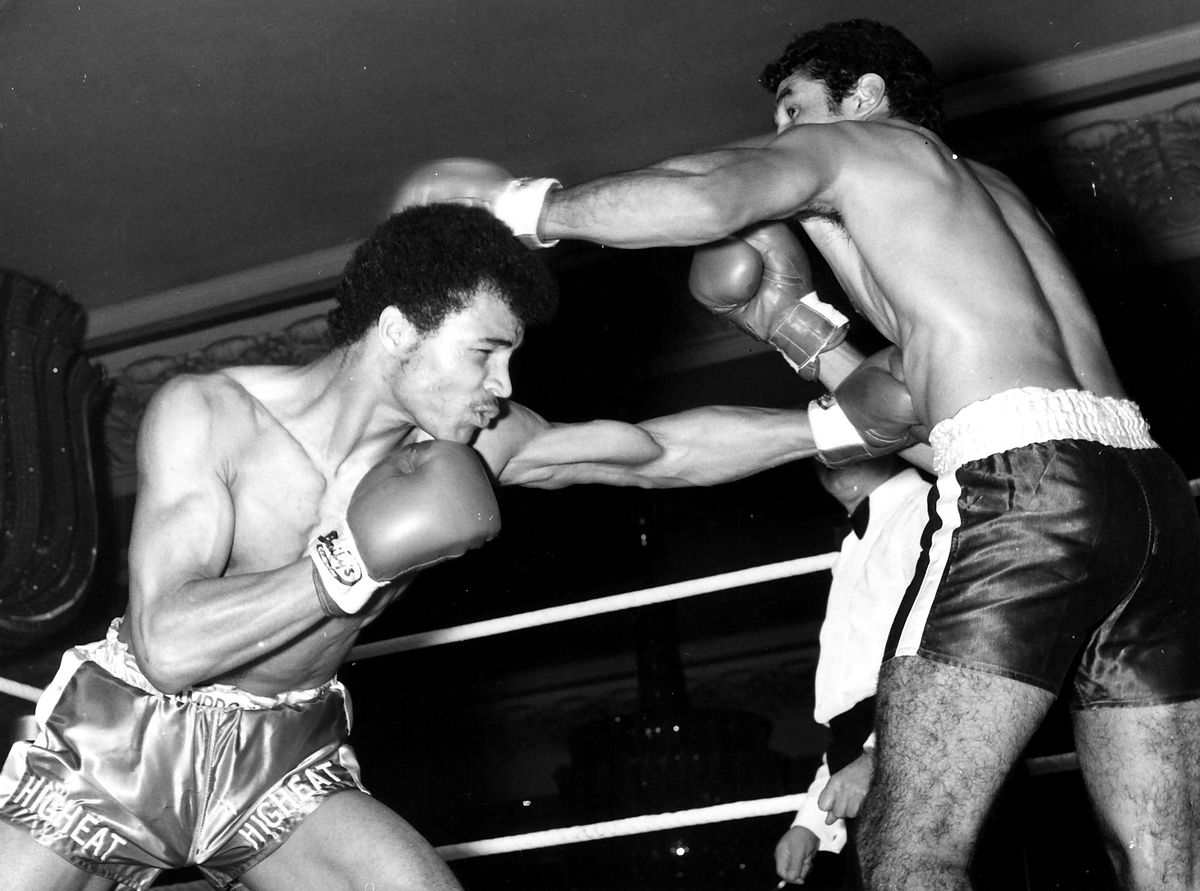
John Conteh in action
“Using all that energy was good in one ring but in the big ring out here it wasn’t working. It did for a while, but then it stopped. You hit rock bottom and then you [have to] get on with it.”
It was the loose structures away from boxing where Conteh struggled and he said it was the support of others that helped lift him from rock bottom. On when realising he needed to seek help, Conteh has another quip, saying: “If I could remember it, then I wouldn’t have been an alcoholic.”
It was those around him who helped Conteh recover and, typical of the boxing legend, he sees this part of his life through the lens of the squared circle. He said: “In boxing, you’re throwing your best shots and you can’t get in. But you do exactly what [your corner] says, you ignore any doubts in your mind. And it opens it all up and it makes a potential hard fight easy because, they from the outside, can see more than you from the inside.”
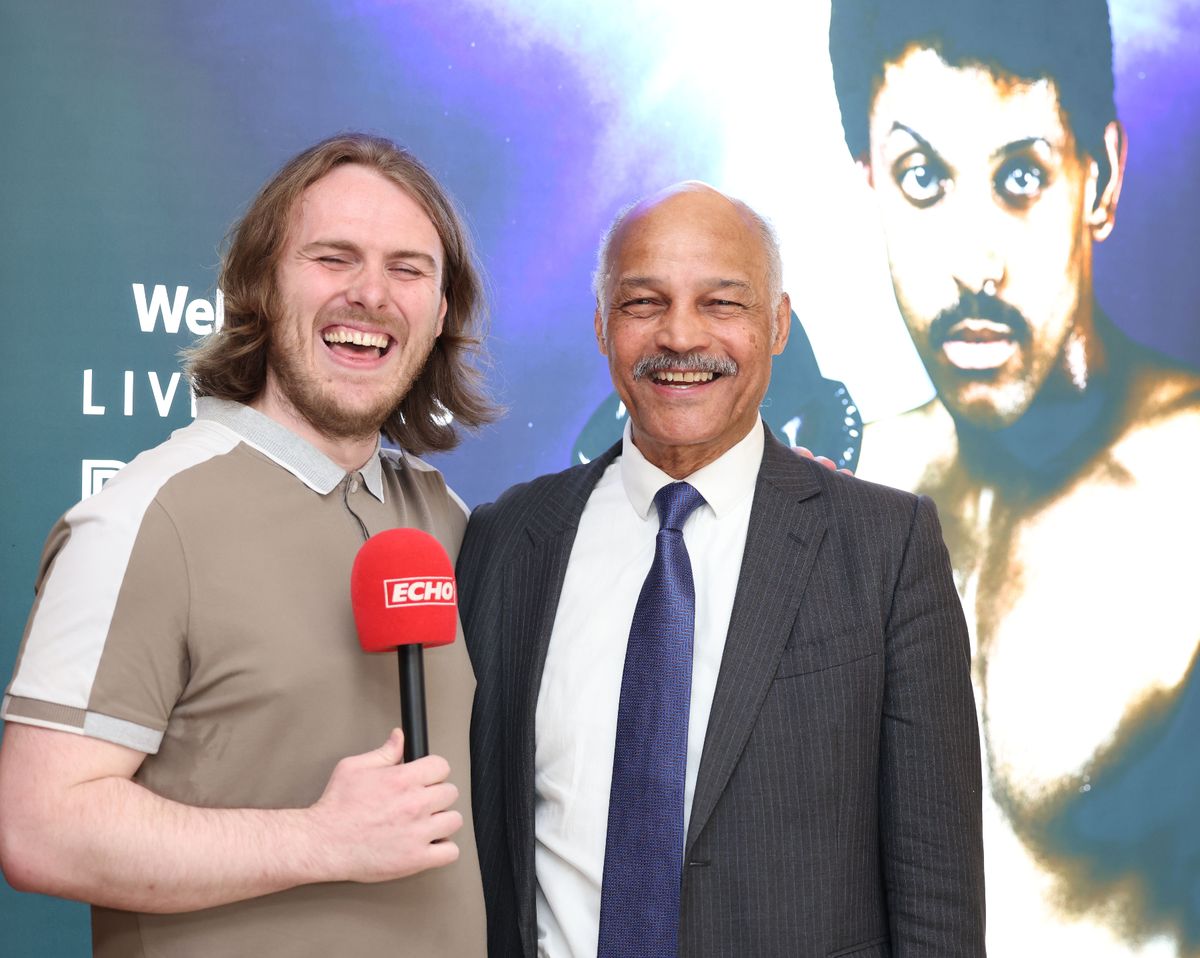
John Conteh spoke to the ECHO’s Ryan Paton in an exclusive interview(Image: Colin Lane/Liverpool Echo)
Teachings like this are representative of how Conteh’s mind remains sharp into his 70s. The sporting legend even put his wits to the test on a charity episode of The Chase just two years ago as he laughed: “I got chased off in the first round. I wasn’t on very long. There was a difficult question, they asked me my name and I said Muhammad Ali.”
It’s not just the mind as he stays in good physical shape too going on daily jogs and playing golf with his son, James. The charisma that made him a star in the 70s remains as bright as ever and Conteh is excited for the next chapter and continuing to build a platform for his children and grandchildren.
He wants to do this in tribute to those who helped him in his darkest moment while remaining true to the honest values that have characterised his recovery. He said: “[People] were honest with me and helped. It’s the human condition and trying to deal with life on life’s terms. One day at a time.”
Conteh is playing at the Royal Court until May 9. You can find further information on how to get tickets here