
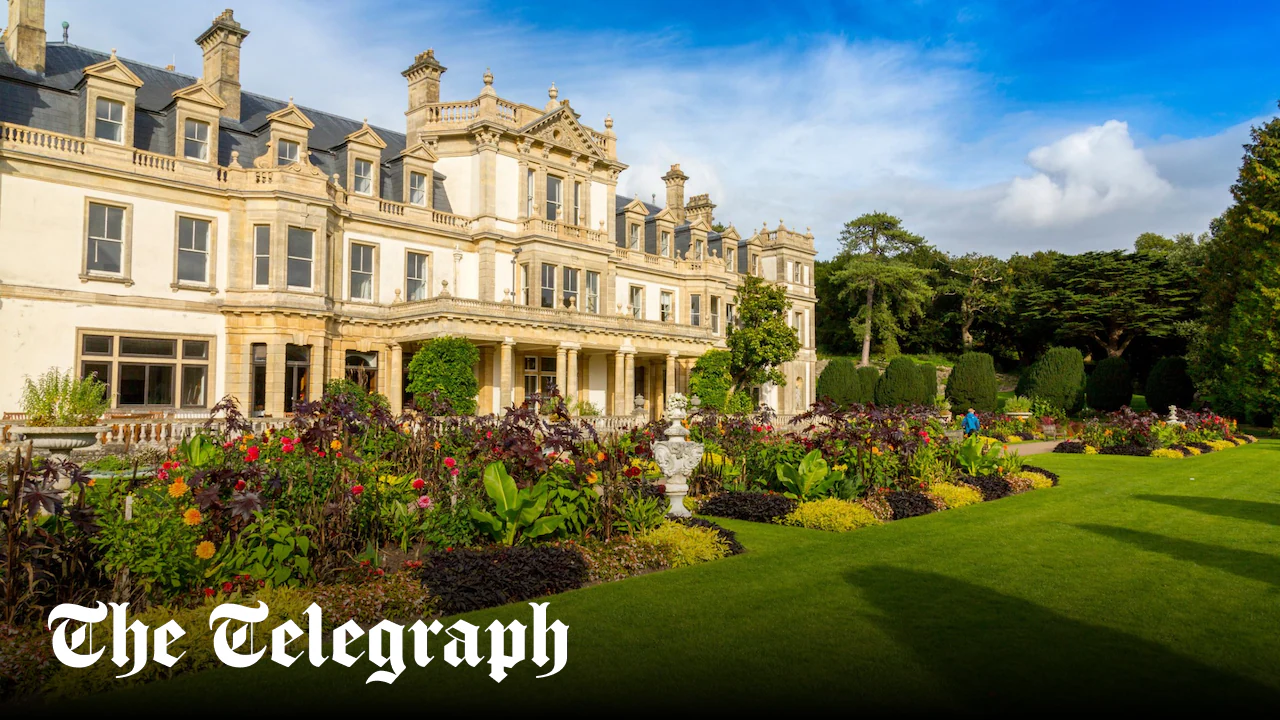
Times are changing in the gardening world. Many of us are becoming greener because we know that wildlife is in steep decline in the UK. There’s a lot of confusion because gardeners aren’t quite sure how to help wildlife and keep their gardens looking good as well. The National Trust is leading the way at Dyffryn, an Edwardian, Grade I-listed garden near Cardiff, which is being managed with both wildlife and beauty in mind.
The 90-acre estate has a variety of soils, including clay, acid greensand and chalk bedrock. Although it is surrounded by intensive agriculture, it’s home to 66 species of conservation importance, including whiskered bats, long-eared bats and brown-banded carder bees. The Trust is improving and restoring this well-equipped garden, which has features including glasshouses, a productive walled garden, herbaceous borders, garden rooms, formal lawns, an arboretum, meadows, a rock garden and a fernery. In a few weeks, the garden team will be planting up 12 south-facing parterres with a summer mixture of sub-tropical kniphofias, dahlias, castor oil plants and possibly cannas.
Here’s what the head gardener, Chris Flynn, and the Trust have changed so far.
Updating the mowing regime
Some changes have been partly serendipitous, because Dyffryn had to manage with only four gardeners during the Covid lockdown of 2020 and there were no visitors. “We couldn’t keep the mowing up and the garden was very quiet, so it gave us time to stand and stare,” says Flynn. “A family of weasels proved very entertaining, and kingfishers were far more visible too. Large aggregations of mining bees appeared, which we hadn’t noticed before, because these lawns had been closely mown for 80 years.” Having areas of longer grass in your garden will provide nesting sites for many solitary bees and bumblebees.
The once stripy lawn took on a glowing purple and pink patina as the grasses grew, and the flower heads went on to provide a golden haze under the summer sun. It looked wonderful, but Flynn also found that the ground drained in a day following rain, rather than the two or three days needed when the lawn was tightly mown. Longer grass also suffers far less in dry summers and stays green for far longer than mown grass. Climate change, whether drought or heavy rain, favours longer grass.