
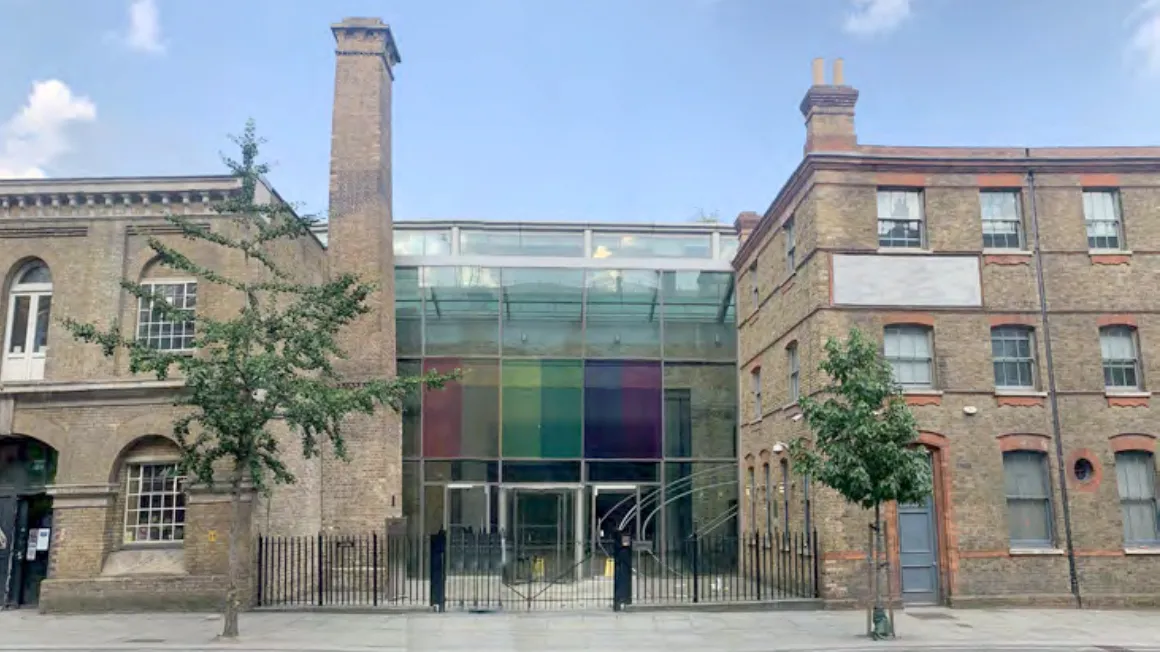
OpenAI is building some of the most sophisticated technology on the planet but its new London headquarters faces a distinctly 19th-century challenge: a small patch of Victorian paving.
Last week the US-based company behind ChatGPT revealed that it had committed to take 88,500 sq ft of office space at the Jahn Court and Brassworks buildings in the Regent Quarter of King’s Cross.
However, planning documents filed with Islington council reveal that before OpenAI can move into Jahn Court, its landlord must first dig up thousands of historic granite “setts” and individually file down their “tips” by hand to satisfy accessibility requirements.
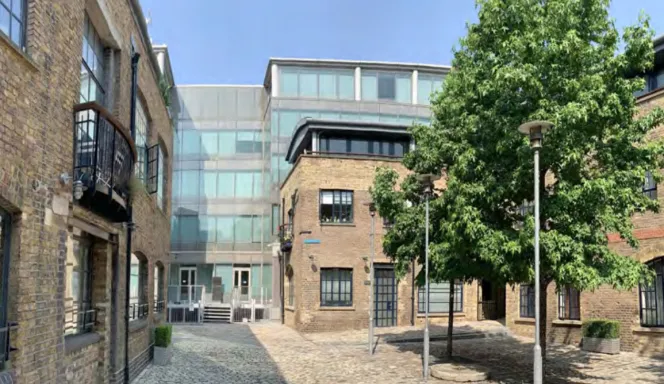 The buildings are in a conservation areaThomas Broomhall/Savills/Islington Council
The council’s inclusive design team had demanded a level, friction-free route to ensure that the building is accessible to wheelchair users and those with limited mobility. The cobble shaving is required because residents and heritage groups successfully blocked plans to replace the setts with modern materials, arguing that such a move would destroy the industrial “character” of Albion Yard, which dates back to 1846.
The site is located within the King’s Cross Conservation Area, which boasts a high number of 19th-century industrial and commercial buildings, some of which are listed. The setts are specifically identified as “non-designated heritage assets” that contribute to the industrial character of the area, according to planning documents.
A source close to the project said that while he had not experienced this issue pertaining to Victorian paving before, there were “lots of projects where you’re trying to reuse an old building and there’s a clash between heritage and either sustainability or accessibility”.
He added: “One of the things that was pointed out by Islington early on in the process is that the cobbles are horrendous for wheelchair users and the modern building requirement that you make buildings accessible all the way around. You don’t have a separate entrance — everything should be accessible for everyone.”
It is unclear whether OpenAI was aware of the row over the stones when it agreed to take the space, which is the firm’s first permanent London office and will have capacity for up to 544 workers. It is expected to open in 2027.
OpenAI said: “The removal of the cobblestones in the planning submission is a planning condition between the landlord and Islington council, and it is the landlord that is required to complete those works. It is unrelated to the terms or agreement of OpenAI’s occupancy of Regent Quarter.”