
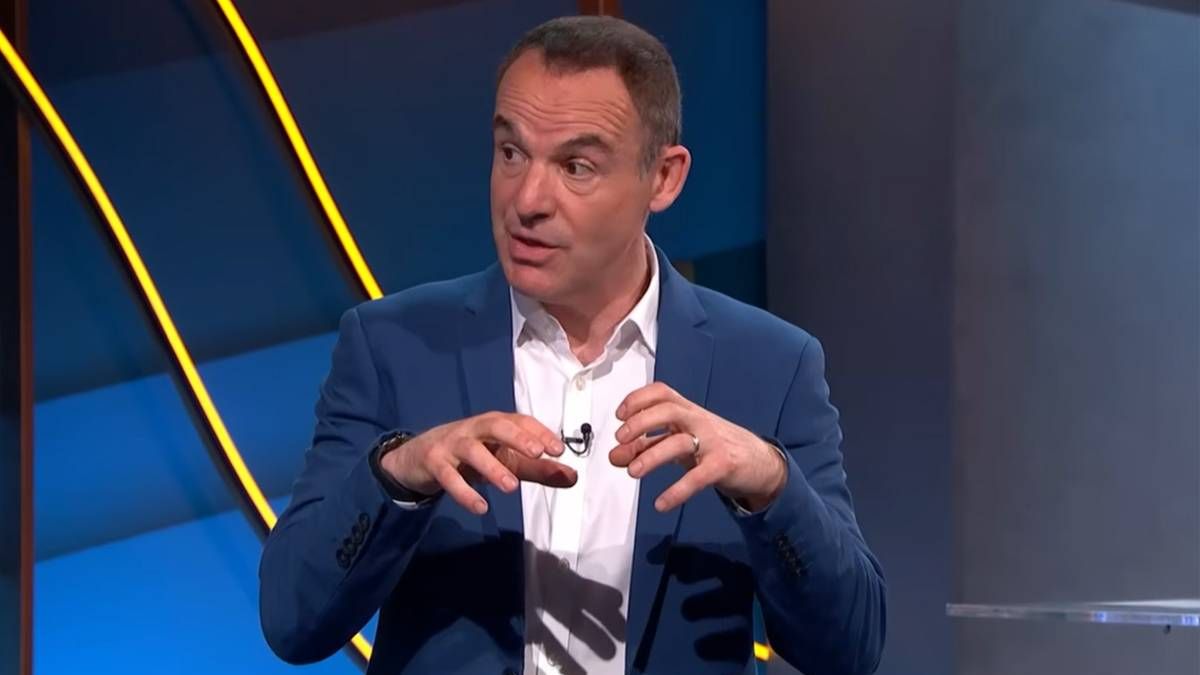
Martin Lewis has offered guidance on understanding state pension entitlements, providing comprehensive advice following a query submitted to his BBC podcast regarding National Insurance contributions.
Individuals typically require 35 years of National Insurance (NI) contributions to qualify for the full new state pension, which presently stands at £241.30 weekly, or £12,547.60 annually. Payment rates rose 4.8 per cent in April, in accordance with the triple lock mechanism.
The triple lock guarantees the state pension increases annually in line with whichever is highest: 2.5 per cent, the inflation rate, or average earnings growth. A listener’s question to his BBC podcast concerned whether she should address gaps in her NI record.
Individuals can voluntarily purchase contributions if there are any missing years within their record spanning the previous six tax years. The questioner explained she had two years of absent contributions while studying and residing overseas.
She revealed she is presently 36, and purchasing those two years of contributions would bring her total to 10 years. Sign up for the North Wales Live newsletter sent twice daily to your inbox
She asked Mr Lewis whether it would be worthwhile paying for those two years immediately, considering she will likely accumulate the 35 years required for the full new state pension regardless.
Under existing regulations, her state pension age is set at 68, meaning if she continues paying National Insurance until then, she would accumulate an additional 32 years of contributions, bringing her total to 42 years if she covers the two outstanding years.
This would likely be sufficient to qualify for the full new state pension under present arrangements, reports the Express.
Martin Lewis responds
Mr Lewis responded to set out the key rules to note. He said the first thing to know is the “minimum number of years” you need to pay in is 10 years, to get any state pension when you finally claim the benefit.
He said: “That is the minimum. If you have less than 10 years, nothing counts.” Mr Lewis went on to set out why it can be a very wise move to top up your NI contributions if this will increase your state pension.
He said: “An extra National Insurance years is worth around £360 a year of state pension for you. So if you’re going to retire on less than the full state pension and you can buy a year, even if it costs you £1,000, because it’s going to add £360 a year to your state pension, even if you live just a few years once you get your state pension, you make your money back.”
Buying one full National Insurance year typically adds £6.89 a week to your state pension entilement, or around £358 a year. The rate you pay to buy NI years depends on which tax year the contributions relate to.
For the past two tax years, you pay the original rate for that year, while for any earlier years, you pay the rate for the current year.
These are the current rates you would have to pay:
2026/2027 tax year – £956.80 (£18.40 a week)2025/2026 tax year – £923 (£17.75 a week)2024/2025 tax year – £907.40 (£17.45 a week)2023/2024 tax year – £956.80 (£18.40 a week)2022/2023 tax year – £956.80 (£18.40 a week)2021/2022 tax year – £956.80 (£18.40 a week)2020/2021 tax year – £956.80 (£18.40 a week).
Mr Lewis also reminded listeners that given the triple lock raises payments each year, it’s “completely unbeatable” in terms of the value you can potentially get out of it. Although he warned younger people that “the current system could change” by the time they reach their retirement.
Check online
Turning to the woman’s particular case with her missing two years, Mr Lewis told her to first go and look at her state pension projection, which is available on the Government website. He said to find out if she is on track to get the full state pension which she retires.
Delivering his verdict, Mr Lewis said: “If you are, I think this is probably overkill, because it’s not like once you get to the full state pension, you earn more National Insurance years, you get an even bigger state pension. It doesn’t work like that.
“Many older people complain saying, I’ve now got enough for my full state pension, why do I have to keep paying National Insurance? That’s because National Insurance is a tax in reality, it’s just a tax that happens to be demarked as your contributions towards getting your state pension when you are older.”
Although he advised against her buying the two years, Mr Lewis did not one exception to this, namely “if you can buy these years really, really cheaply”. He explained: “If any of these are part years, where you’ve almost got all the contributions you need to get a year but you’re not quite there. It is binary.
“I know people who have been able to buy part years for £15. Normally a full year is going to cost you around £900, but if you could buy a part year for £15, £20 or maybe even £50. Even at your age, just in case something happens in future as you can only buy back a certain amount, you can only buy back six years, I would be tempted just to do it just on the off chance I might need it in the future.”
Changes to the state pension
In contrast, Mr Lewis said that given her age and the fact the state pension system may change, if she would have to pay for a full year, it may not be worth it given the system may change. He explained: “You are so young at 36 for doing this.
“There are a lot of risks that you are just going to buying money, throwing it away. There are big risks for you that the state pension might become means tested once you’re older.
“We don’t know that. I don’t think that’s going to happen imminently, I don’t think it’s going to happen for people who are retiring now, but you’re talking about retiring in 30 to 35 years, and who knows what will be happening to state pensioners in the UK in 30 to 35 years. So there are a lot of risks in doing it now.”
Changes to how you access the state pension are already on the way, with the state pension age increasing gradually from 66 to 67 between April 2026 and April 2028. Legislation is also in place for it to move up from 67 to 68 between April 2044 and 2046.
Another question is if the triple lock could be replaced with a less generous yearly increase metric. Labour has committed to the policy for the duration of this Parliament so it will be staying in place for the next few years.