
“That’s not what a loved one needs to hear at an exceptionally difficult and emotional time.”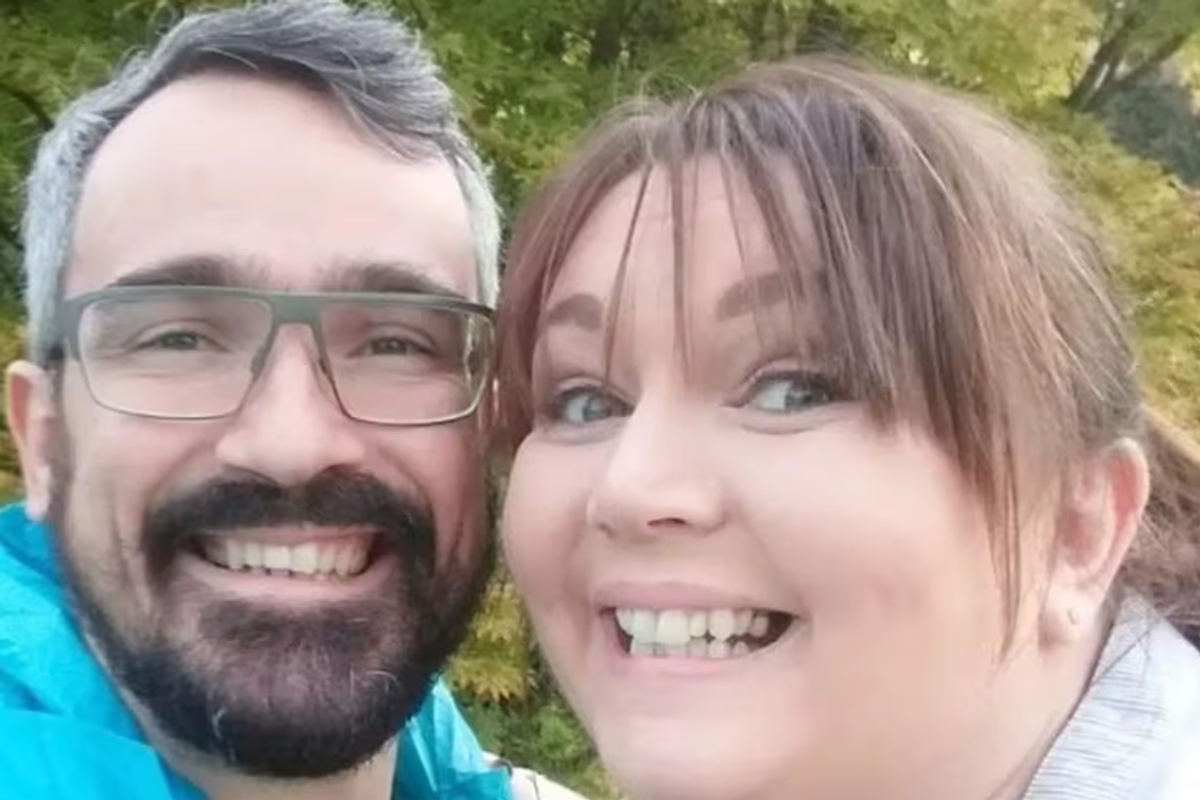
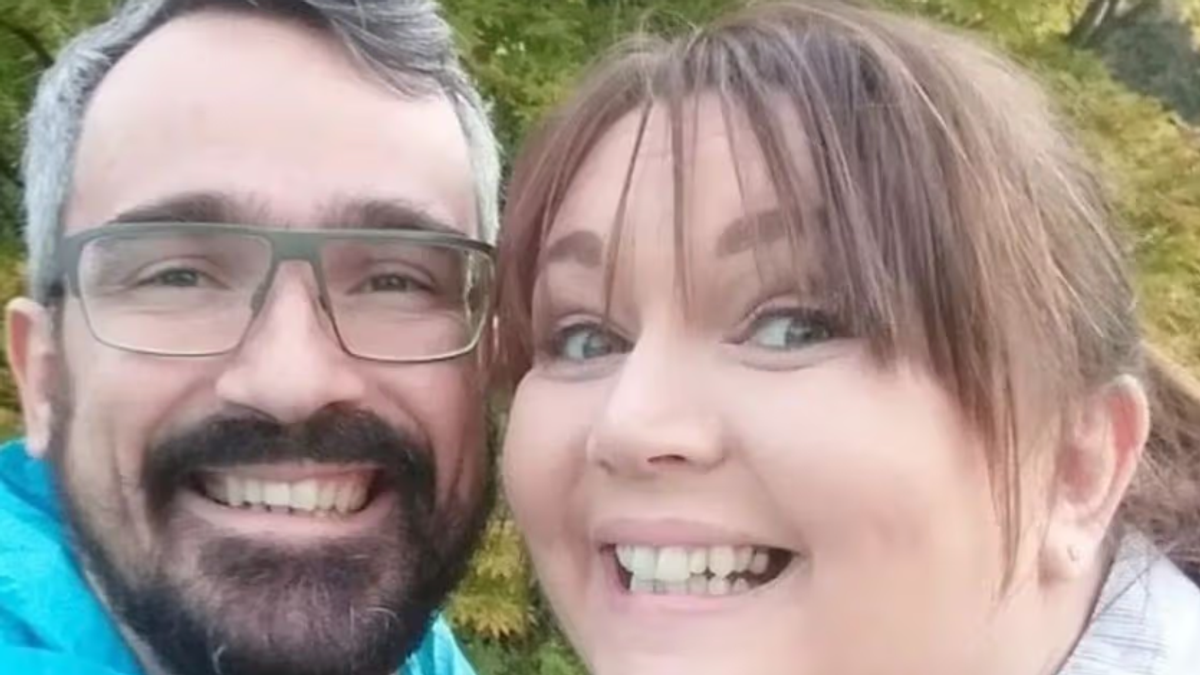
Sile Tankov cares for her husband, Stefan, who was diagnosed with dementia aged just 39
A Northern Ireland woman has opened up about her husband’s dementia diagnosis at 39 as a new report exposes shortfalls in dementia training here.
She was speaking as huge injustices in dementia training have been revealed across social care. Half of staff receive just one to two hours of dementia learning despite people living with dementia being one of the biggest groups drawing on social care.
Sile Tankov cares for her husband, Stefan, who was diagnosed with dementia aged just 39. Sile from Lisburn met her husband on a night out in 2019. In September 2022, she began noticing changes in Stefan’s personality.
READ MORE: Man running 33 consecutive marathons including in Belfast is facing gut-wrenching futureREAD MORE: ‘I lost my dad to Alzheimer’s and now I honour his memory and help other families facing dementia’
Sile thought perhaps Stefan, now 40, was depressed. Their GP agreed. Tests also discovered Stefan had type-2 diabetes. The family later decided to take Stefan to hospital where tests revealed his cognitive function was “very low”. Doctors ordered MRI and CT scans with a full psychological report.
Following CT and MRI scans and a lumbar puncture, he was given the devastating diagnosis of frontotemporal dementia.
A few months after her Stefan’s diagnosis a senior nurse said to her: “If that was my partner, I would be gone.”
She added: “That’s not what a loved one needs to hear at an exceptionally difficult and emotional time. In the same placement, I had members of staff report to me that Stefan had urinated in the corridor, in a tone that implied he’d somehow done it on purpose, even though he was in fact incontinent as a result of his dementia.
“I was constantly made to feel that Stefan’s behaviour – he would bang on walls and windows – was a problem, and annoying to staff and other residents. I was always apologising for these behaviours that were actually out of his control.”
Alzheimer’s Society is warning that serious shortfalls in dementia training in Northern Ireland are leaving social care staff unprepared, unsupported, and putting people with dementia at risk of inadequate care.
New findings from research commissioned by Alzheimer’s Society and led by experts at the Centre for Dementia Research at Leeds Beckett University and IFF Research show that half of all reported training packages offered just one to two hours of dementia-specific content.
In Northern Ireland, despite the majority of those surveyed having completed some kind of dementia training, research still found that up to 42% of social care staff have minimal levels of basic dementia knowledge and over half are likely to start caring for people with dementia with no training at all.
Dementia is complex. It affects memory, problem-solving, language and communication, so care needs to be tailored. Alzheimer’s Society is calling on the Department of Health to prioritise relevant adult social care staff receiving high quality mandatory dementia training in Northern Ireland.
By 2040, the number of people estimated to be living with dementia in Northern Ireland will rise to 37,400 – one of the largest increases (51%) across the UK.
A review of 29 training packages across 19 social care providers, combined with a survey of 43 care staff across Northern Ireland, reveals 36% of staff received dementia training as part of their induction; only 37% report feeling very competent in the care they are providing; 74% of care workers agreed they would like more dementia-specific training.
High quality dementia training equips care workers with the skills and knowledge they need to provide good care, build positive relationships and can reduce the inappropriate use of antipsychotic drugs which are sometimes used to manage behaviours that challenge. Another benefit is the potential cost savings from reduced GP appointments and emergency hospital admissions.

Sile Tankov and husband Stefan, pictured before his devastating dementia diagnosis at the age of just 38(Image: Sile Tankov)
Sile feels that Stefan’s condition was not well understood by some staff: “That kind of dementia has very different symptoms from Alzheimer’s in the early stages. Stefan was very young when he was diagnosed and the fact that on the outside he looked young and fit meant that some staff couldn’t seem to understand how unwell he was.”
Stefan is now being very well cared for at a nursing home where Sile says the staff couldn’t be better. But she feels that better training for staff could have made those early days much easier.
“At an incredibly stressful time, the support for me and understanding and compassion for Stefan’s needs was simply not there,” she added.
Michelle Dyson CB, CEO at Alzheimer’s Society said: “One hour of dementia training doesn’t even scratch the surface. Anything less than comprehensive training leaves care workers unprepared, coping with situations they haven’t been equipped for, which can put people with dementia at risk of inadequate care.
“Baristas can receive more training to make great coffee than care workers receive to provide dementia care. Care staff want and deserve better; they need dementia training which gives them the skills and confidence to deliver the best possible care.
“Without high quality dementia training, social care will remain dangerously inconsistent, leaving families unsure whether loved ones will be supported with dignity and expertise.
“We need to close the training gap, with better dementia care, everyone benefits. It’s crucial that the Department of Health prioritises the roll out of high quality mandatory dementia training for all relevant adult social care workers in Northern Ireland.”
In response a Department of Health spokesperson said: “The Department is committed to providing high quality training for all health and social care staff, including for those staff working directly with people living with dementia across a range of care settings.
“The Regional Dementia Project Board has an Education, Training and Research workstream which is supporting with the delivery of training across the workforce and across organisations.
“The Dementia Learning and Development Framework 2016 sets out the core knowledge and skills required by health and social care staff to enable them to interact appropriately and respond sensitively to the needs of people living with dementia, as well as their families and carers.
“In addition, staff receive training in line with their continuing professional development requirements. Within dementia services, this comprehensive, appropriate training ensures staff are fully equipped with the necessary knowledge, skills, and competence to effectively support individuals living with dementia.”
To ensure you don’t miss out on all the latest from Belfast Live, be sure to make us your preferred source on Google.