
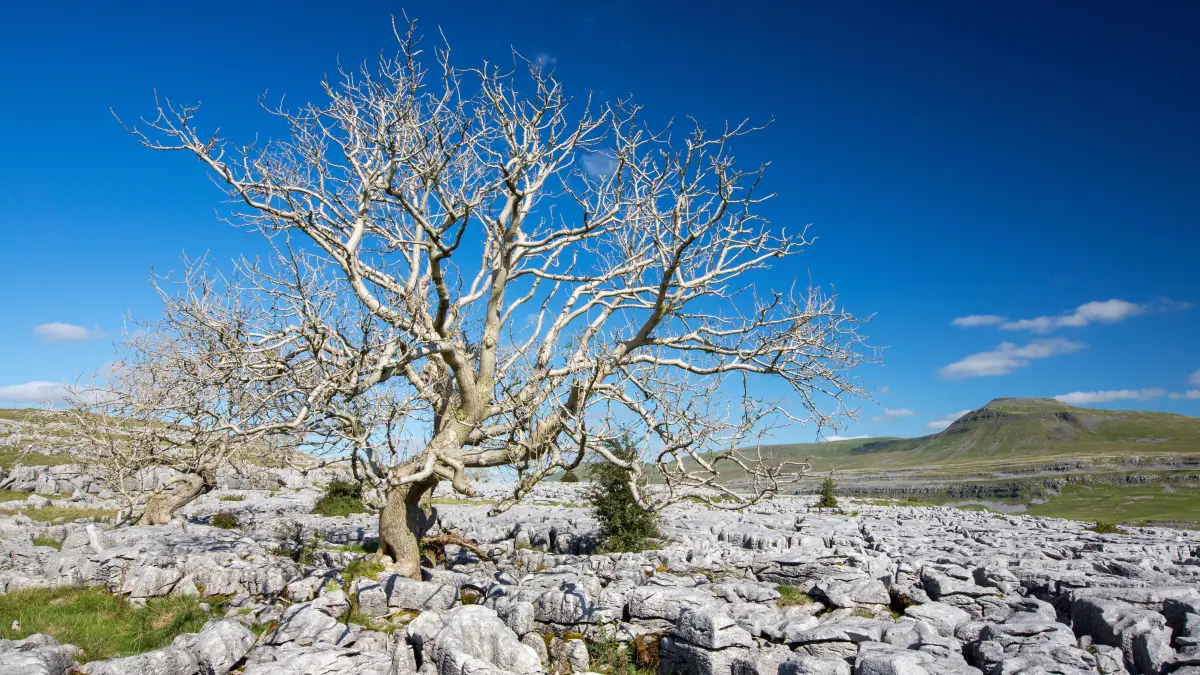
After years of devastation there is fresh hope for one of Britain’s most ecologically important trees as scientists have reduced the germination time of ash seeds from years to days.
Researchers at the John Innes Centre in Norwich have developed a fast-track method of breeding disease-resistant ash, which could transform efforts to restore woodlands ravaged by ash dieback, a deadly fungal disease.
The team is working on simplified instructions for a “kitchen table” version of the method, raising the prospect that gardeners and volunteers could help repopulate the nation’s ash trees from home.
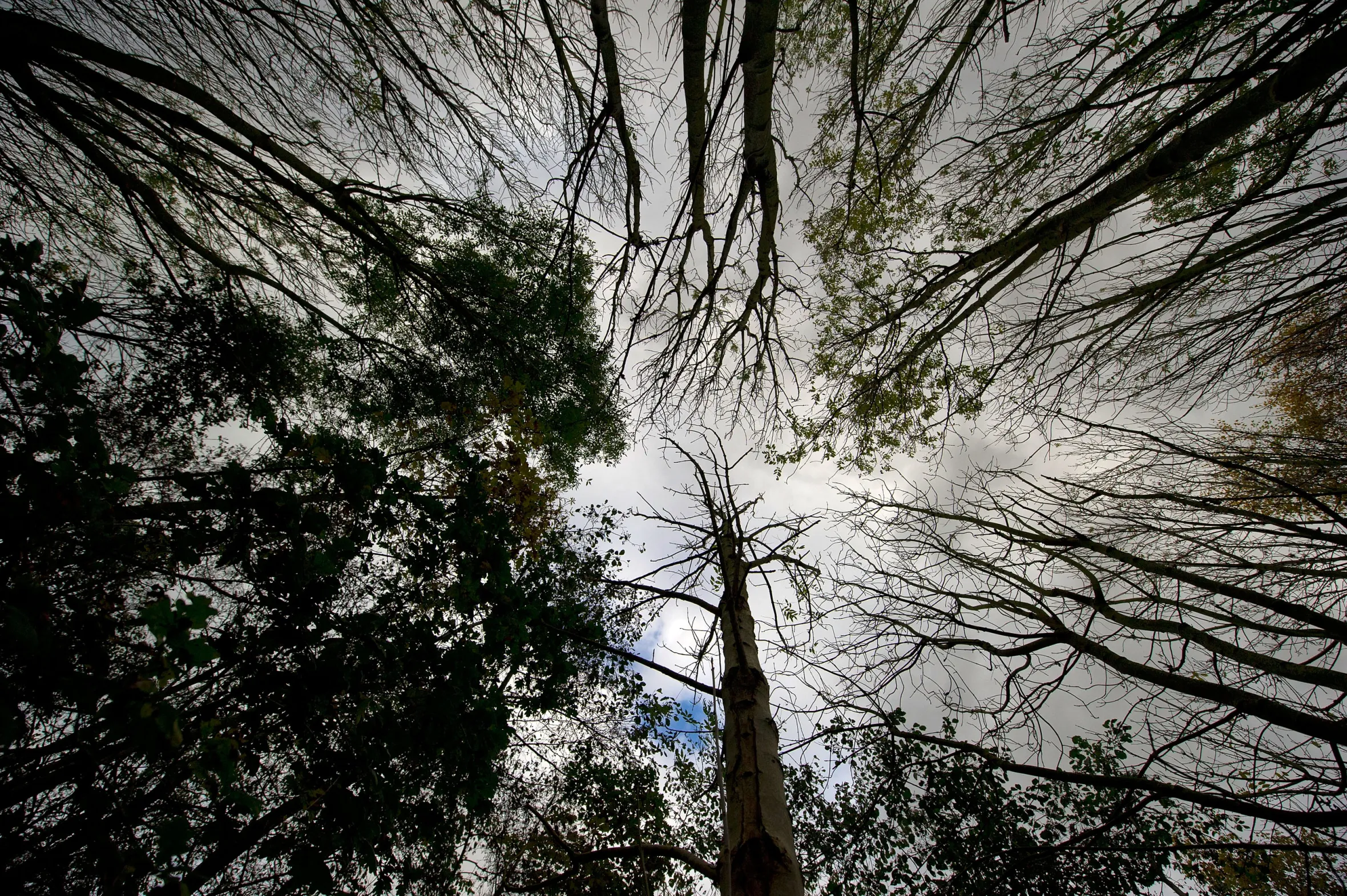 Ash seeds can take up to six years to germinate in the wildBETHANY CLARKE/Getty Images
Ash dieback, which blocks water transport within the tree and is caused by the fungus Hymenoscyphus fraxineus, was first confirmed in the wild in Britain in 2012, having previously been seen in Europe.
The Woodland Trust estimates that the UK could lose up to 80 per cent of its ash population, making it one of the most severe tree disease outbreaks in modern times.
Environment newsletter
The latest climate, energy and nature news and analysis, plus reasons to be hopeful.
Sign up with one click
Despite the scale of the loss, a small proportion of ash trees show natural resistance. Scientists and conservation volunteers have been scouring woodlands to identify these survivors, which can be used to breed a more resilient generation.
The breakthrough centres on adapting an embryo extraction technique, in which the tiny plant embryo is removed from the seed’s tough outer casing and placed on “an agar nutrient jelly”.
In nature, ash seeds can take up to six years to germinate because of a prolonged dormancy cycle. In the laboratory, the new method reduces that to about a week.
More than 2,000 seedlings have already been produced for trials, seed orchards and planting schemes. The work, details of which were published in the Scandinavian Journal of Forest Research, has drawn international interest and could be scaled up by landowners, conservation groups and amateur growers.
Professor Elizabeth Orton, the study’s lead author, said: “We’ve had so much interest from both other researchers and from stakeholders keen to help restore ash populations. One of our next steps is to develop a kitchen method so that people can do this at home, using substances that you can purchase online such as household bleach and agar to treat the seed as part of the process.”
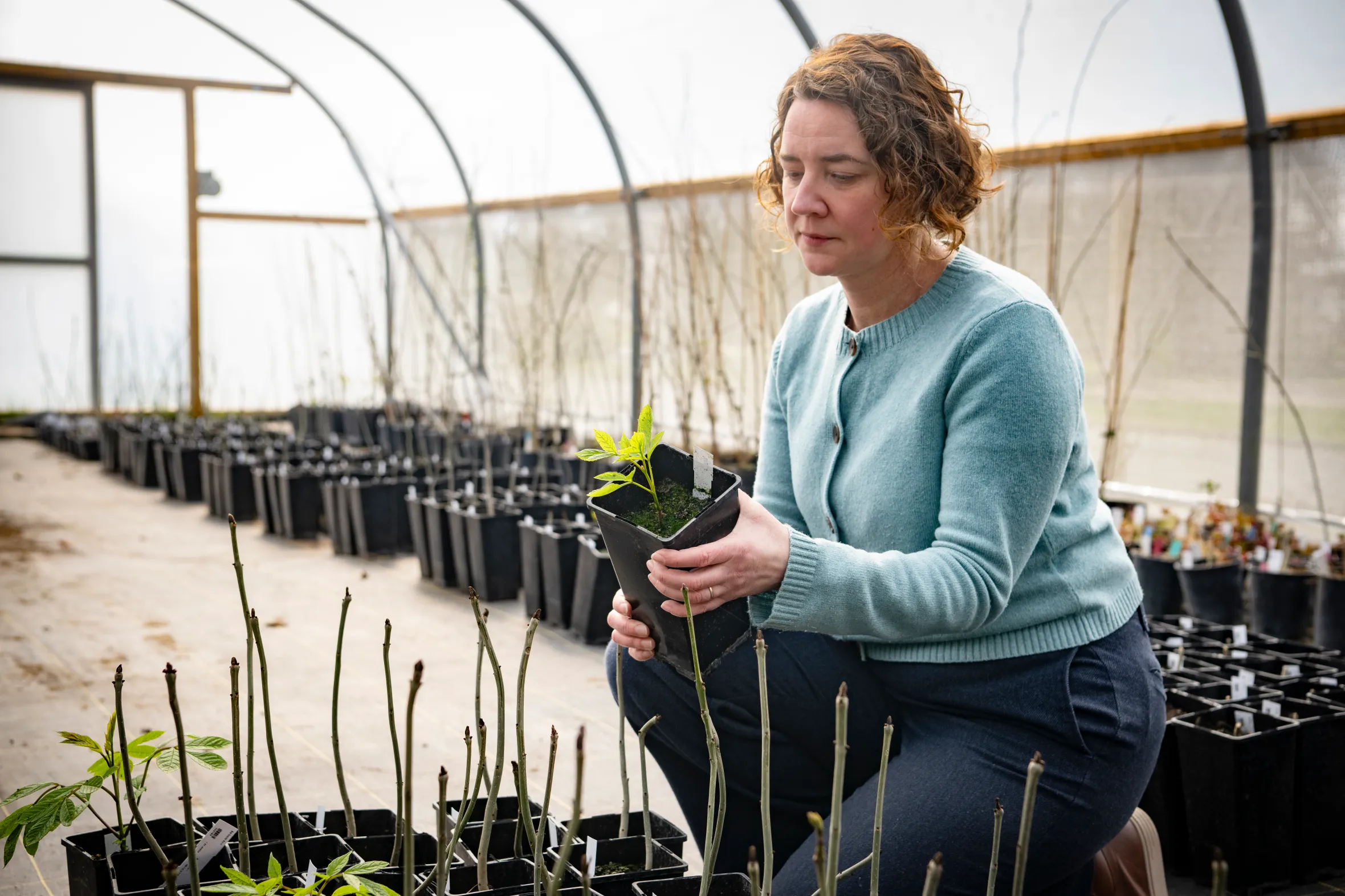 Professor Elizabeth Orton Phil Robinson/EUREKALERT
Growing the plants from seed, rather than cloning, is seen as critical because it preserves genetic diversity, offering the best protection against future pests, pathogens and a changing climate.
The new method bypasses the seed’s natural dormancy, which normally requires cycles of warm and cold conditions, by directly culturing the embryo. Within about two weeks, seedlings are ready to be transferred to compost; after ten months in a glasshouse, they can be planted outdoors.
The technique is already being used to establish a seed orchard at the Wendling Beck in Norfolk, where trees selected for their apparent resistance will breed and, it is hoped, produce a new generation of hardy ash.