
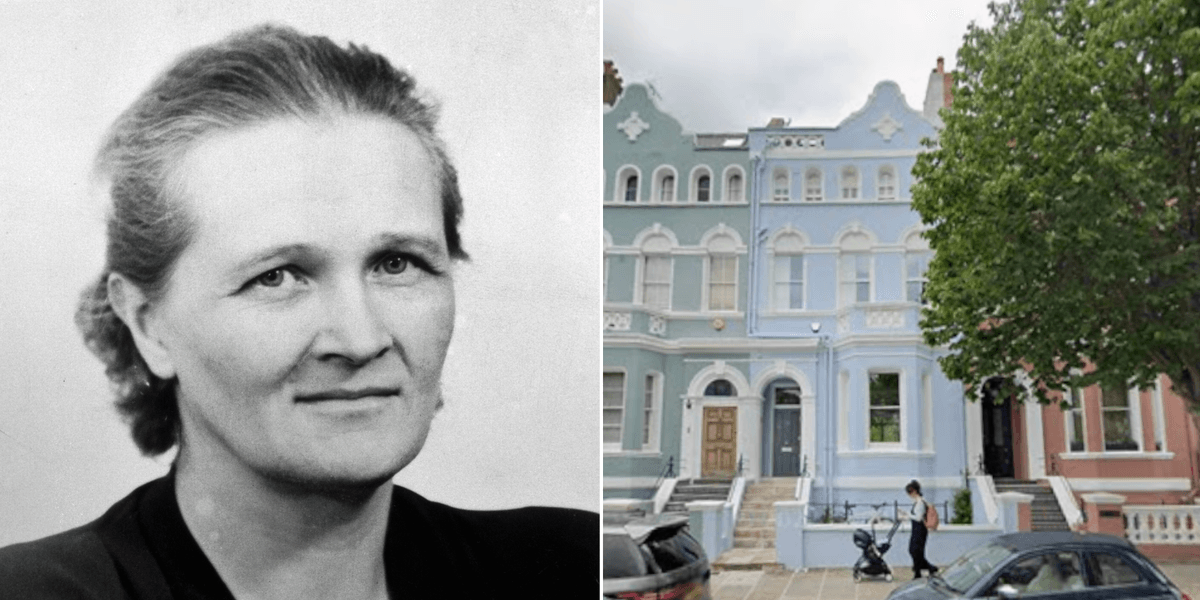
A British woman who helped unlock the secrets of the stars is set to be honoured with an English Heritage blue plaque.
Cecilia Payne-Gaposchkin, an astronomer, fundamentally changed humanity’s understanding of what the universe is made of and is now set to be commemorated with the iconic English Heritage blue plaque at the London home where her journey began.
The plaque will be installed at 70 Lansdowne Road in Notting Hill, the teenage home of Mrs Payne-Gaposchkin, who discovered that stars are composed primarily of hydrogen and helium.
Whilst living at the west London address, she won the scholarship to Newnham College, Cambridge, that paved the way for her to make one of the most important scientific discoveries of the 20th century.
Senior historian at English Heritage, Howard Spencer, described her as “a scientist of exceptional brilliance and determination”.
He said, speaking to the BBC: “This plaque marks the London home where, as a young woman, she began to develop the knowledge and ambition that would take her to the forefront of modern astronomy.
“Her story is not only one of groundbreaking discovery, but also of perseverance in the face of barriers that limited women in science.”
Mrs Payne-Gaposchkin was born in Wendover, Buckinghamshire, in 1900 and showed an exceptional aptitude for science from a young age.
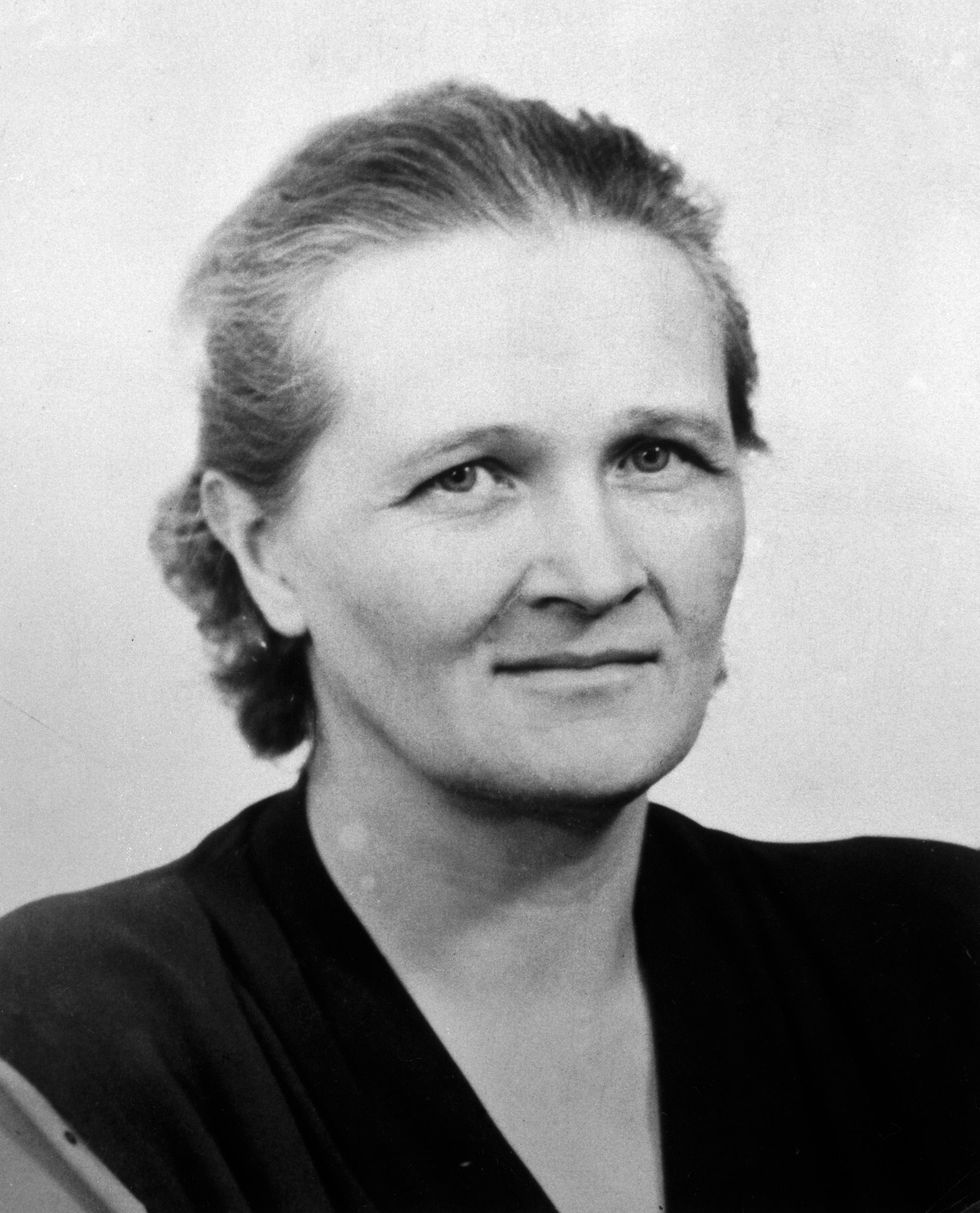
Cecilia Payne-Gaposchkin has been hailed as ‘a scientist of exceptional brilliance and determination’
|
GETTY
She studied independently and taught herself languages considered essential for scientific scholarship at the time.
Her family moved to London when she was 12 and it was from her Notting Hill home that she secured her place at Cambridge University.
Arriving at Newnham College in 1919, her interest in astronomy was sparked after she attended a lecture by physicist, Sir Arthur Eddington, who had recently returned from observing a solar eclipse that provided evidence for Einstein’s general theory of relativity.
She later described the experience as “a complete transformation of my world picture”, recalling that when she returned to her room, she wrote down the lecture word for word.
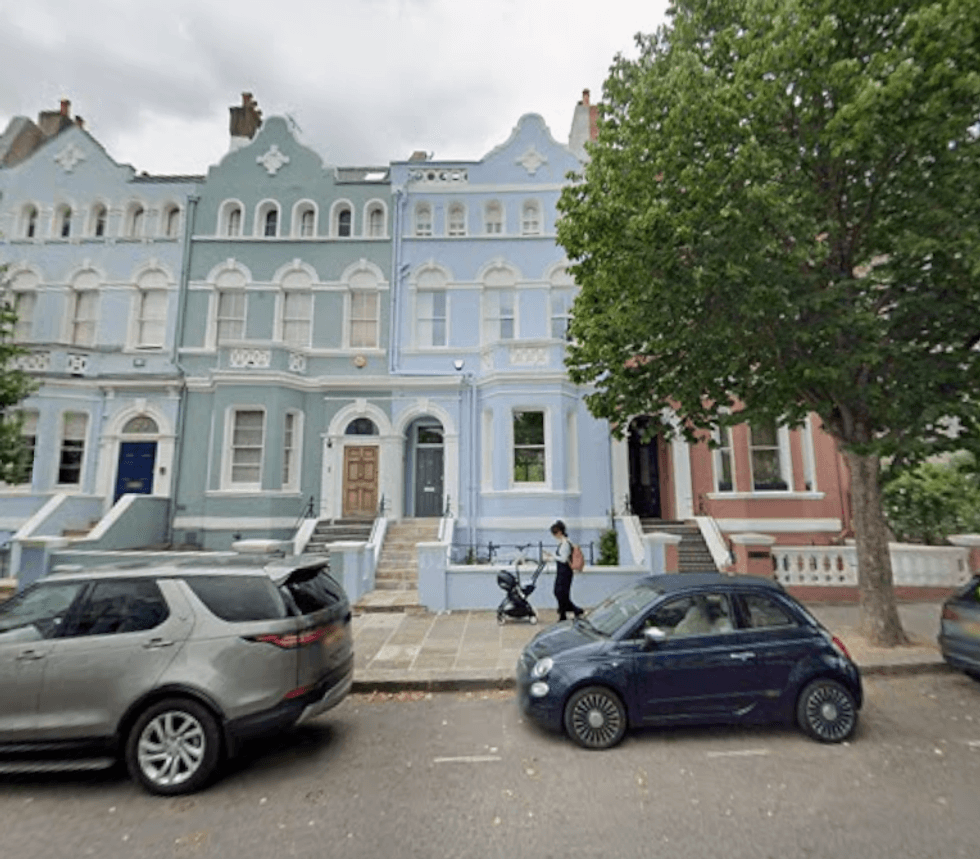
70 Lansdown Road in Notting Hill where the astronomer’s English Heritage blue plaque will be placed
|
GOOGLE STREET VIEW
Despite completing her studies at Cambridge, she was unable to receive a degree from the university, which did not grant degrees to women until 1948.
Recognising that opportunities for female astronomers were limited in Britain, she moved to the United States in 1923, where she began graduate work at Harvard College Observatory under director, Harlow Shapley.
In 1925, she became the first person to earn a doctorate in astronomy from Radcliffe College, affiliated with Harvard, which at the time did not grant doctoral degrees to women directly.
Her thesis, Stellar Atmospheres, proposed that stars are overwhelmingly composed of hydrogen and helium, with hydrogen roughly one million times more abundant in stars than other elements.
The discovery was a directly contradicted the scientific consensus of the time – that stars had a similar elemental composition to Earth.
Her conclusions were initially rejected by leading astronomer, Henry Norris Russell, who pressured her to add a disclaimer to her thesis suggesting her findings on hydrogen were “almost certainly not real”.
By 1929, Mr Russell had independently reached the same conclusions using a different method, eventually acknowledging that Mrs Cecilia Payne-Gaposchkin’s original findings had been correct all along.
Astronomer Otto Struve later described her doctoral thesis as “undoubtedly the most brilliant PhD thesis ever written in astronomy”.
Today, the accepted ratios of hydrogen and helium in the Milky Way, approximately 74 per cent hydrogen and 24 per cent helium, confirm the calculations the astronomy trailblazer made in 1925.
In 1927, she became the youngest astronomer ever to have a star of distinction next to her name in the publication American Men of Science.
Over the course of her career she published hundreds of scientific papers and several books and her research on stellar atmospheres and stars established her as one of the most significant astronomers of the 20th century.
In 1956, she became the first woman to be appointed a full professor at Harvard University and the first to chair a department there.
The Notting Hill blue plaque joins those already commemorating other astronomers including Sir Arthur Eddington, who encouraged Mrs Payne-Gaposchkin in her early career, and the scientific couple Walter and Annie Maunder.
An asteroid, 2039 Payne-Gaposchkin, has also been named in her honour.