
The diner scene – ‘Mullholland Drive’ (David Lynch, 2001)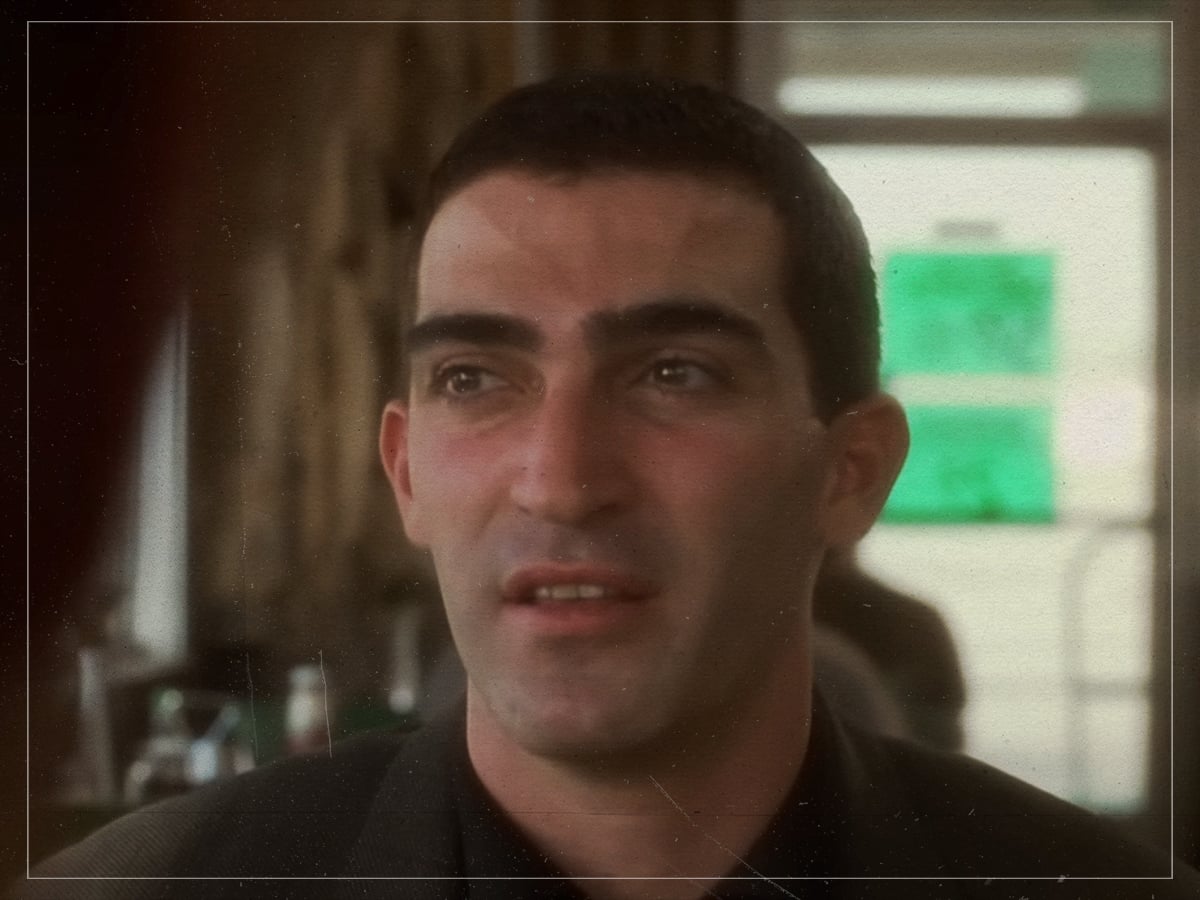
David Lynch is notorious for not only making some of the most surreal and disturbing films ever made, but for refusing to explain them, always hesitant in interviews to offer a definitive interpretation of the thematic ideas that he was dealing with on each of his films, which is why they continue to inspire so many essays and analysis texts.
Mulholland Drive is still Lynch’s most complex film, and no scene is more jarring than an instance in which Patrick Fischler’s Dan discusses having a dream about a nightmarish creature while in a diner, only to later witness the unsightly being moments later. It’s the first instance in Mulholland Drive in which Lynch seems to indicate that reality isn’t to be trusted, and that what the characters witness in their dreams might end up playing out in real life.
The spinning top – ‘Inception’ (Christopher Nolan, 2010)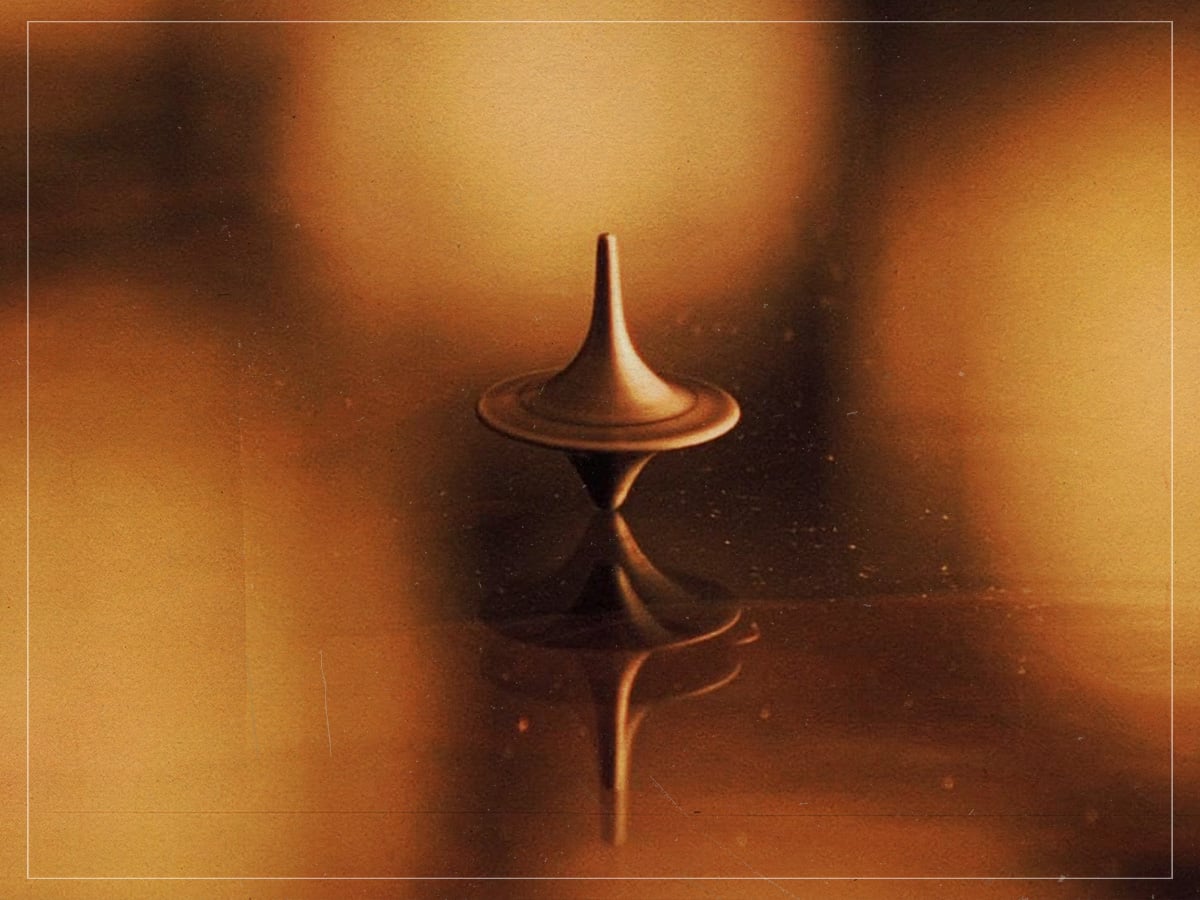
Christopher Nolan has a fondness for plot twists, and Inception has several shocking reveals regarding the dream thief Cobb, played by Leonardo DiCaprio, and his dead wife Mal, portrayed by Marion Cotillard, who has returned as a part of his subconscious to draw him back into an endless sleep, with the most debated aspect of the ending is when Cobb returns to finally see his children, a moment that is so satisfying for him that he immediately spins a top to see if he is still dreaming.
Nolan cleverly chooses to cut before the top either falls or spins to eternity, making it unclear if Cobb has actually returned to his family or been trapped within another dream. In the 26 years since Inception was released, because Cobb is no longer wearing his wedding ring, some have suspected that he has accepted his wife’s death and is now living in reality.
The ending – ‘The Thing’ (John Carpenter, 1982)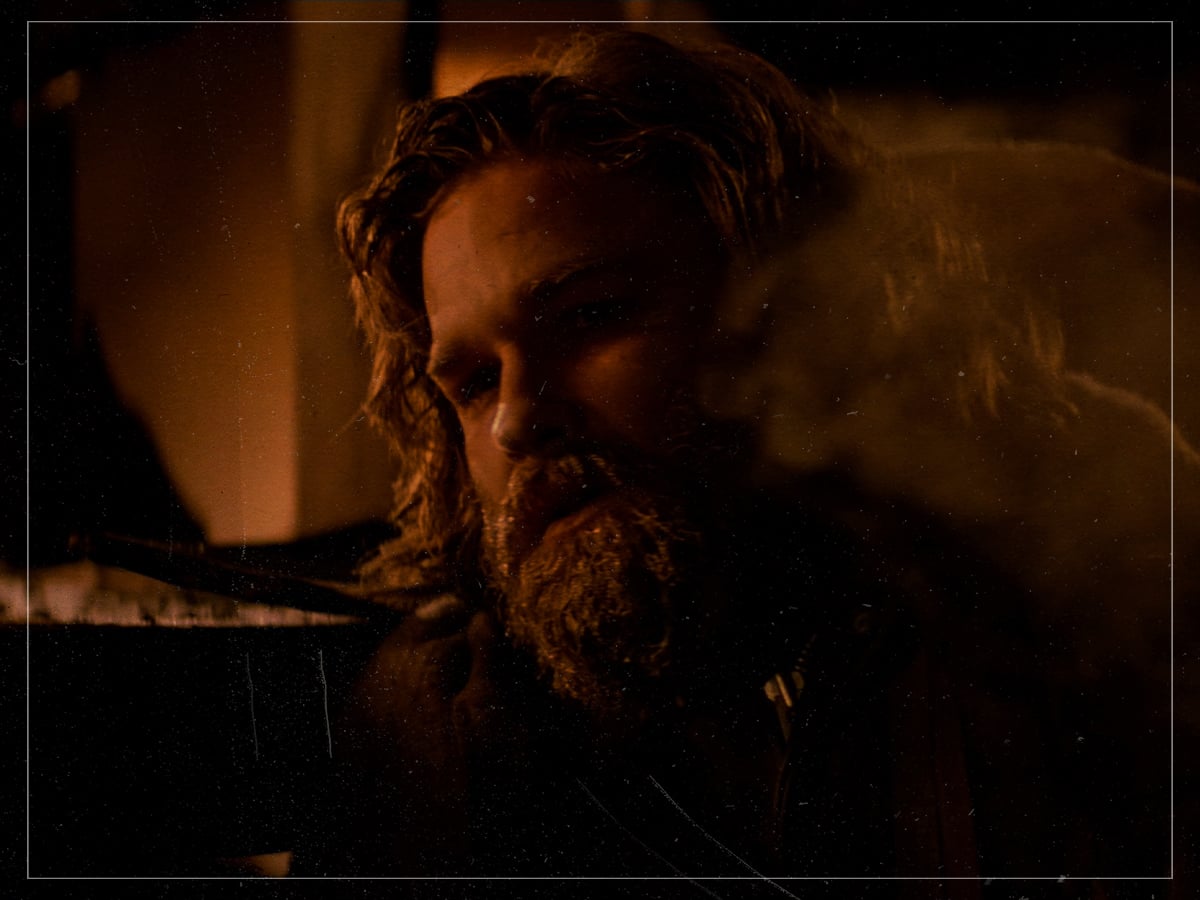
John Carpenter got the last laugh with The Thing, his remake of the classic monster movie The Thing From Another World, which was met with mixed reviews upon its original release, only to be deemed a horror masterpiece in the years to come, but audiences in 1982 were left baffled by the film’s ending, in which it is not clear if MacReady, played by Kurt Russell, and Childs, played by Keith David, have been infected by the alien predator.
Russell has worked with Carpenter more than anyone, but has remained quiet on what the director’s intention was with the final moment. Although there’s reason to support multiple theories, the fact that the audiences are still left with the same heightened level of suspense at the end of The Thing is one of the many reasons that it has such lasting power as a stomach-churning work of body horror.
Keyser Soze is revealed – ‘The Usual Suspects’ (Bryan Singer, 1995)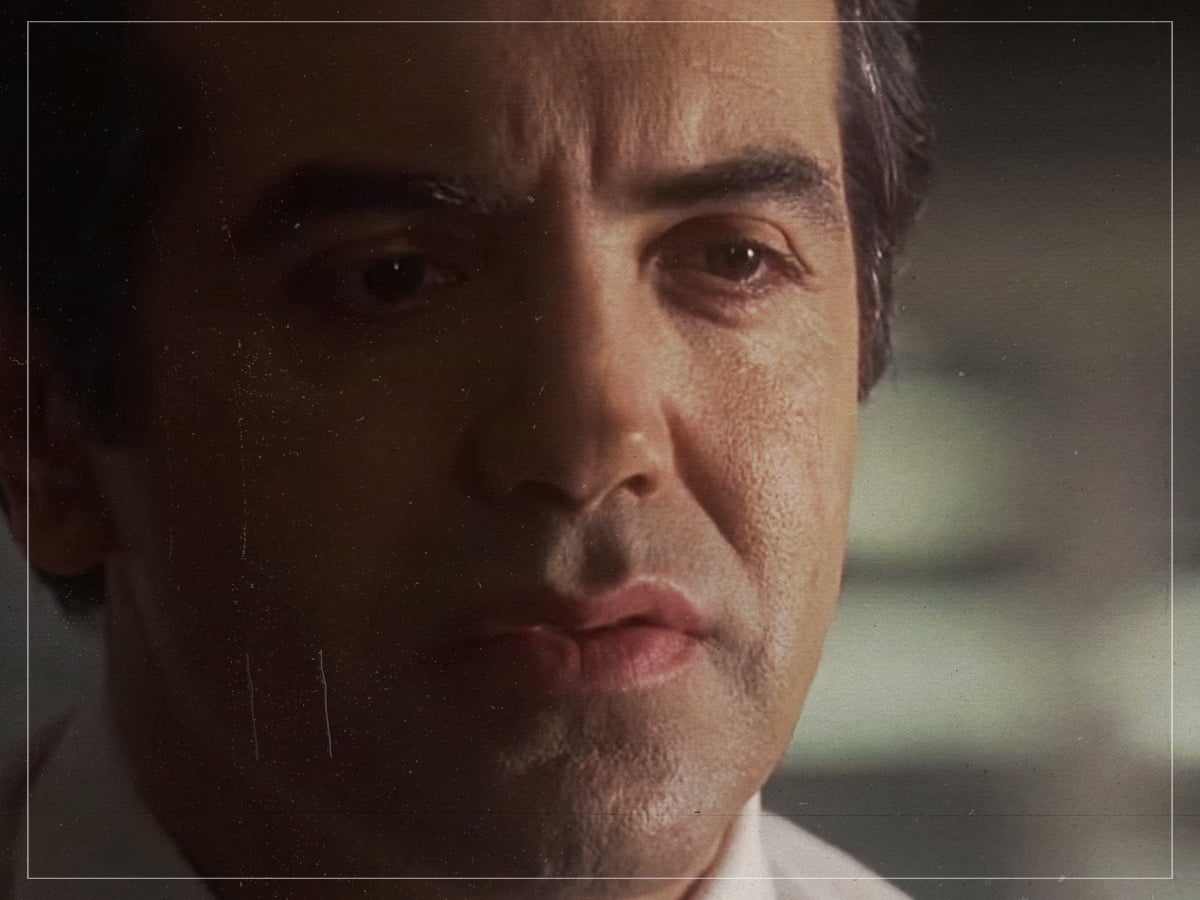
Bryan Singer may have justifiably been cancelled, but that didn’t prevent The Usual Suspects from becoming one of the most influential crime thrillers of the ‘90s. Much of the marketing was reliant on the question of who Keyser Soze was; while the film presents multiple different myths about the legendary crime lord, it is eventually revealed that he is actually the seemingly passive witness, Verbal, played by Kevin Spacey.
Even if Soze’s identity is confirmed, the scene that follows Verbal’s release reveals that he drew from many items in the room to conceive of a story about what happened to the other members of the initial lineup. This begs the question as to how much of what transpired in the film is intended to have actually happened; could everything relating to the heist have been a smokescreen for Verbal to deceive the cops?
‘The Architect’ is revealed – ‘The Matrix Reloaded’ (Lilly and Lana Wachowski, 2003)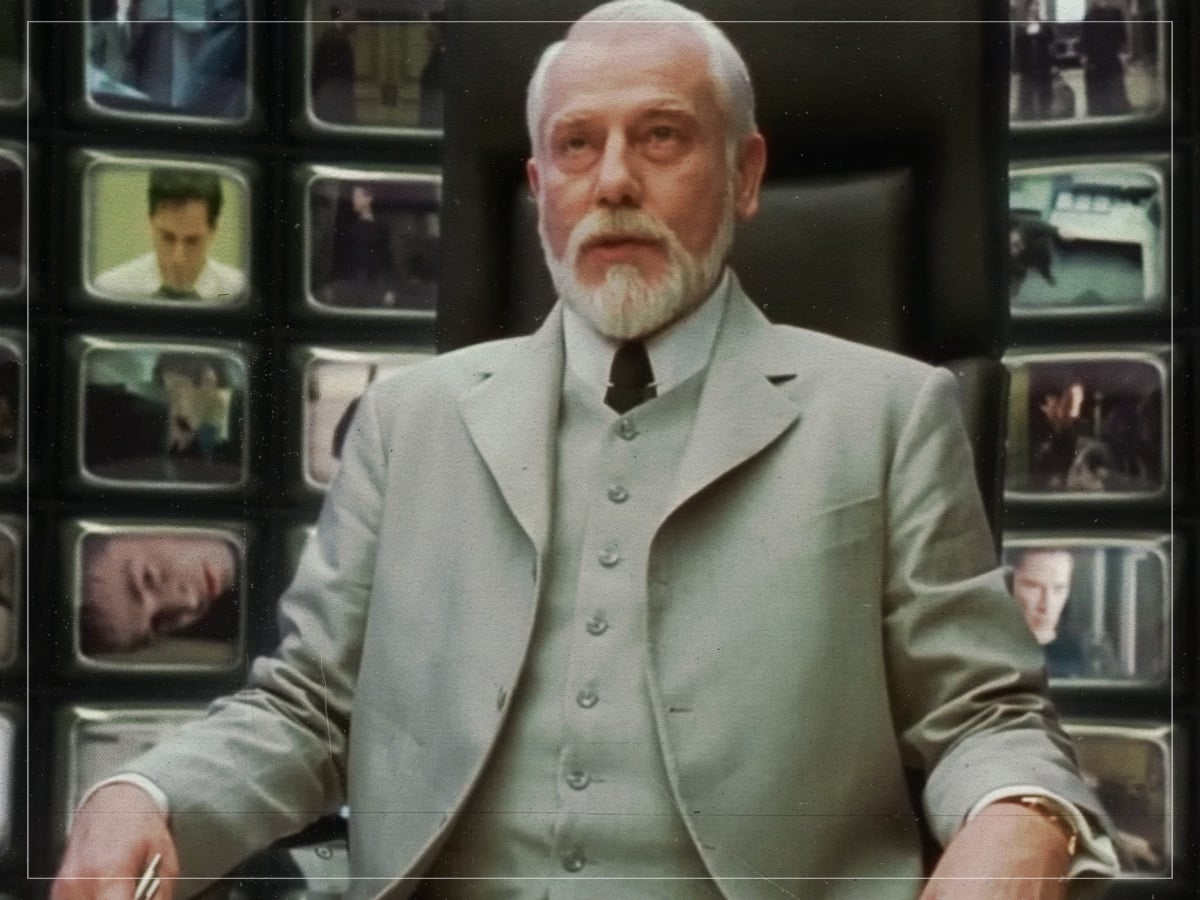
The Matrix became the breakout hit of 1999 when it offered a fresh, smart take on science fiction, specifically in comparison to the year’s other science fiction blockbuster, Star Wars: Episode I – The Phantom Menace. George Lucas was accused of packing too much lore and confusing details into the Star Wars prequels, but unfortunately, the Wachowskis did the same thing with their two-part follow-up to The Matrix.
The Matrix Reloaded ends with a scene in which Keanu Reeves’s Neo meets with a mysterious being known as ‘The Architect’, played by Helmut Bakaitis, who delivers a long and boring speech about the lifecycles of the Matrix itself and the recurring presence of a being known as ‘the One’. It’s virtually impossible to understand what The Architect is talking about for anyone who has not spent years reading The Matrix lore, especially since there weren’t any more answers provided in The Matrix Revolutions.
The unicorn dream – ‘Blade Runner’ (Ridley Scott, 1982)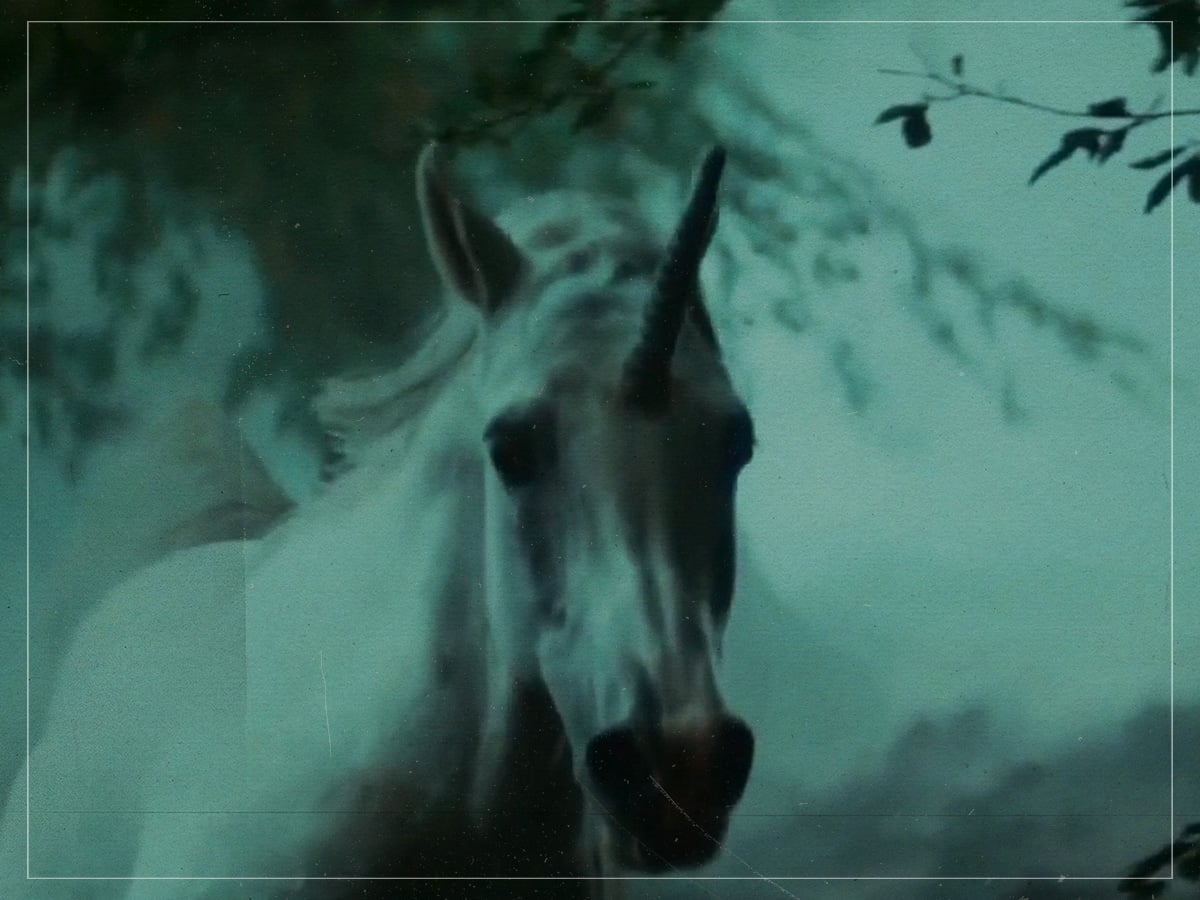
Ridley Scott has claimed that Blade Runner is the most personal film of his career, which may be why he has returned to make several different director’s cuts. One of the most interesting additions to Scott’s version is a sequence in which the character of Rick Deckard, played by Harrison Ford, dreams of a unicorn, as an origami unicorn would be revealed later on, and the footage was taken from Legend, a fantasy film that Scott also directed.
This would seemingly confirm that Deckard is also a replicant, but reports from Scott, Ford, and others involved with Blade Runner have differed over the years, and while some expected the question to be answered in Blade Runner 2049, the sequel did not confirm or deny any theories about the original film, other than showing that Deckard and Rachael, played by Sean Young, did succeed in having a child.
The Army of the Dead – ‘The Lord of the Rings: The Return of the King’ (Peter Jackson, 2003)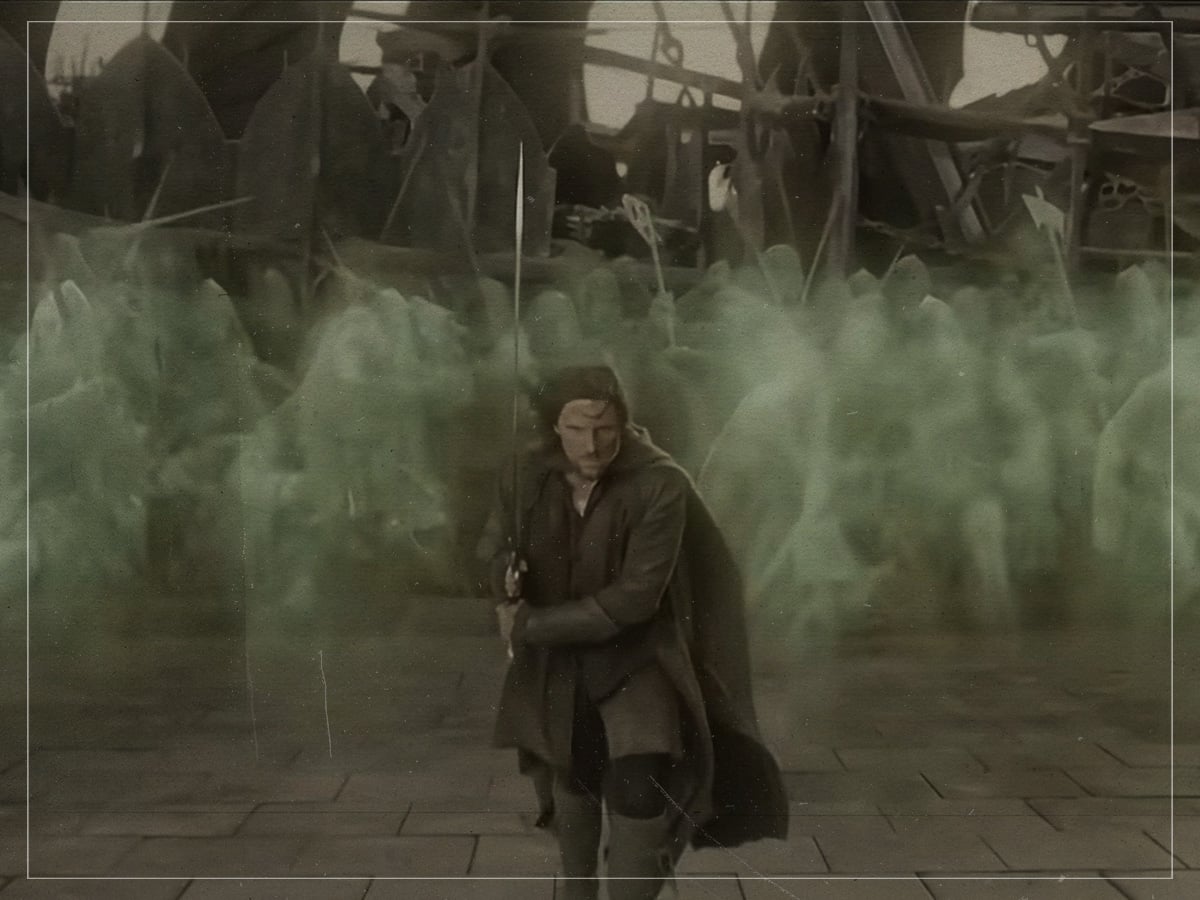
Peter Jackson has received both praise and criticism from fans of JRR Tolkien regarding how faithful he was to the original source material, but he nonetheless included one of the most confusing scenes from the final entry in the fantasy novel trilogy into his adaptation. The mysterious ‘Army of the Dead’ emerges to help Viggo Mortensen’s Aragorn protect the city of Gondor while it is being seized by Sauron’s army, but they don’t end up helping him continue the fight to Mount Doom.
The presence of ghostly warriors seems like something that would be in a Jackson horror film, but it makes for an abrupt change of tone in The Return of the King, especially during the heated battle to protect mankind’s most powerful city. Even the extended edition doesn’t make it any clearer.
The ending – ‘The Shining’ (Stanley Kubrick, 1980)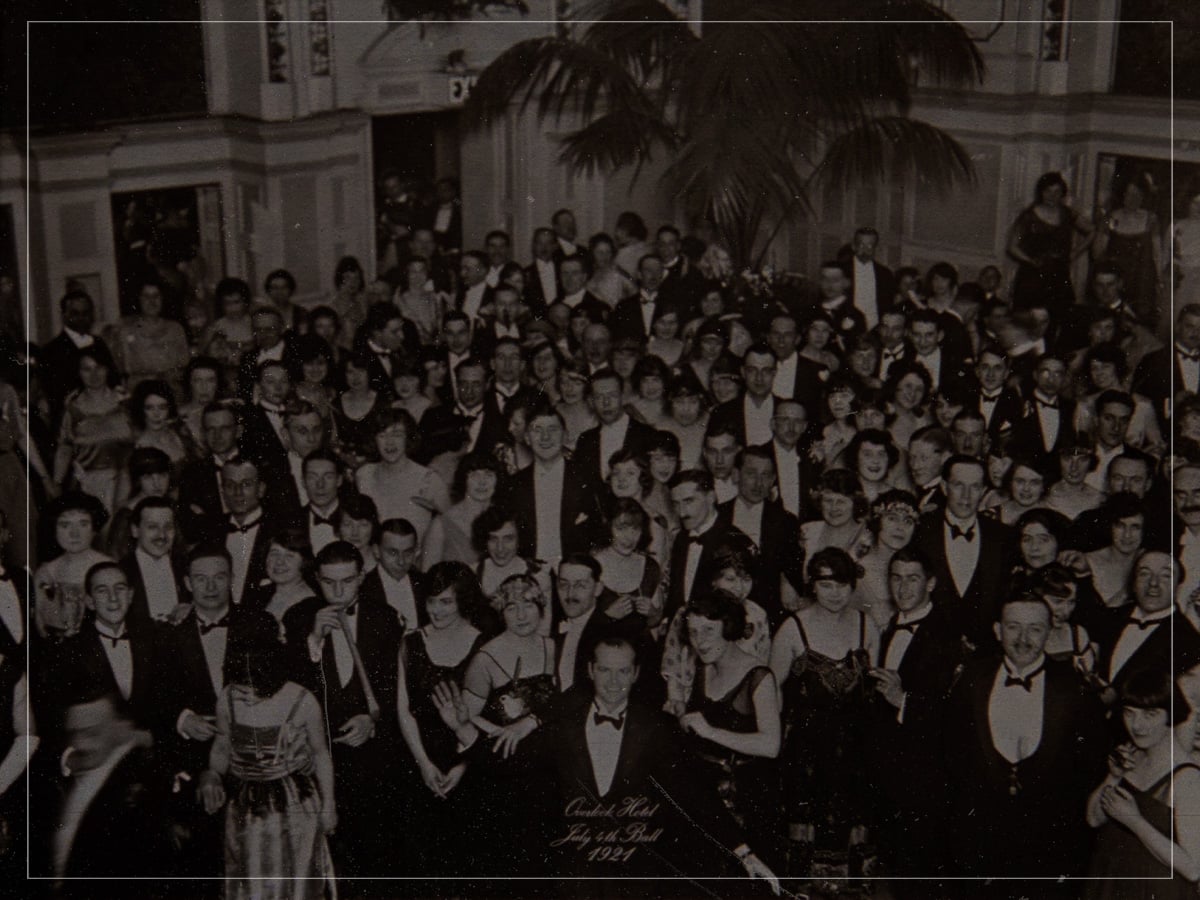
The Shining might be the horror film that has been discussed more than any other, as it has been analysed for the vast differences between what Stephen King had in his book, and what Stanley Kubrick did with his adaptation, wherein although the former had imagined the character of Jack Torrance, played by Jack Nicholson, as a troubled man who was struggling with the darkness inside him, Kubrick implied that he was evil from the beginning, and had been part of the deadly spirit that existed within the Overlook Hotel.
The notion that Jack is part of a lineage of horror is revealed at the end of the film, in which a photograph of him in black-and-white at a different party at the Overlook Hotel in the past is briefly glimpsed, recontextualising the story, forcing the viewer to reasses what the timeline looks like, and why Jack was drawn to Overlook in the first place.
The ‘Star Child’ – ‘2001: A Space Odyssey’ (Stanley Kubrick, 1968)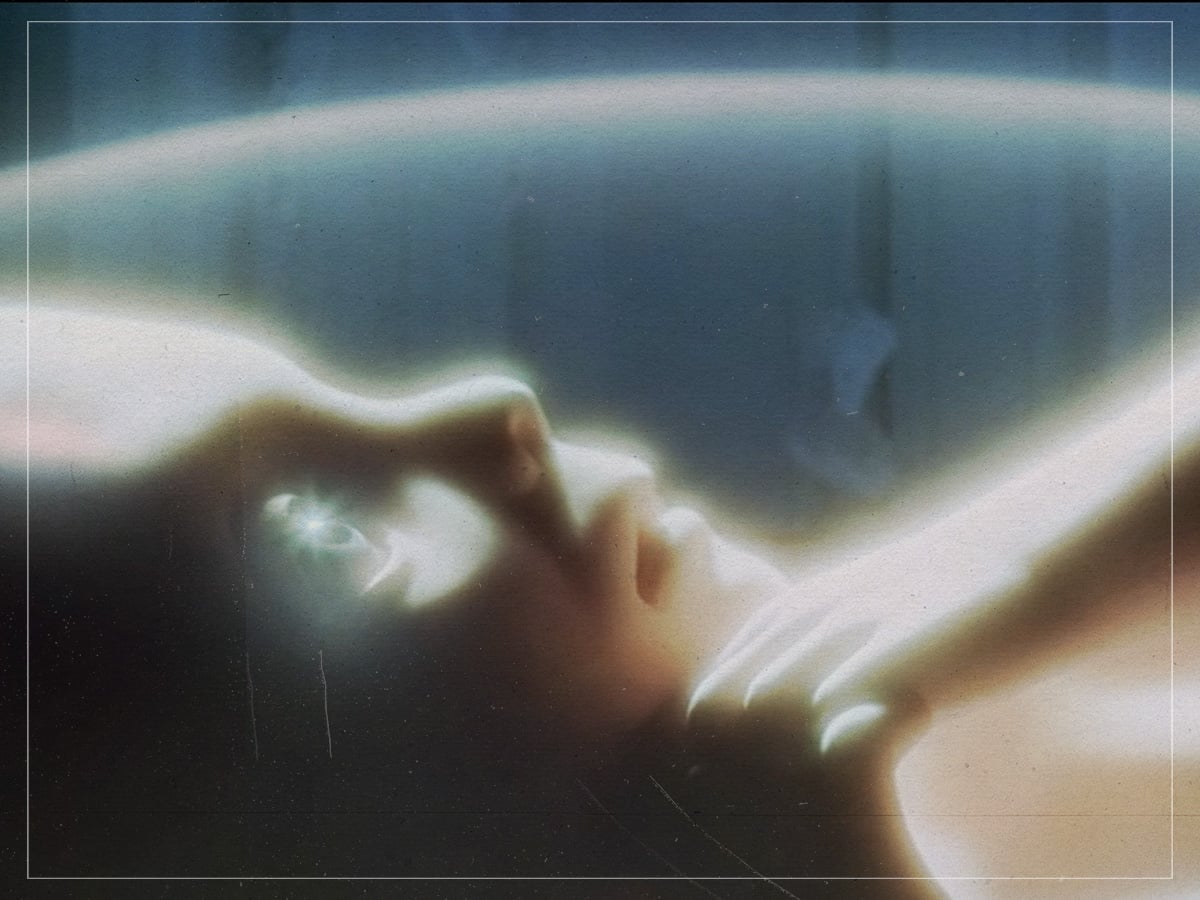
2001: A Space Odyssey is not only the best film that Kubrick ever made, but an outstanding masterpiece that changed science fiction forever. While audiences at the time of the film’s release couldn’t believe how amazing the space photography looked, as it came out a year before the Apollo 11 moon landing, 2001: A Space Odyssey saved its biggest twist for the very end, in which Dr David Bowman, played by Kier Dullwea, is transformed into a ‘Star Child’ after finally touching the monolith.
It’s been theorised that the monolith itself is an instrument in evolution that changes beings to a new level of intelligence, which may be why it teaches the apes to use tools for the first time, but the notion that David has now become a mere infant within the eternity of the universe is the type of jaw-dropping revelation that requires significant philosophical, religious, and scientific analysis.
The wedding scene – ‘The Graduate’ (Mike Nichols, 1967)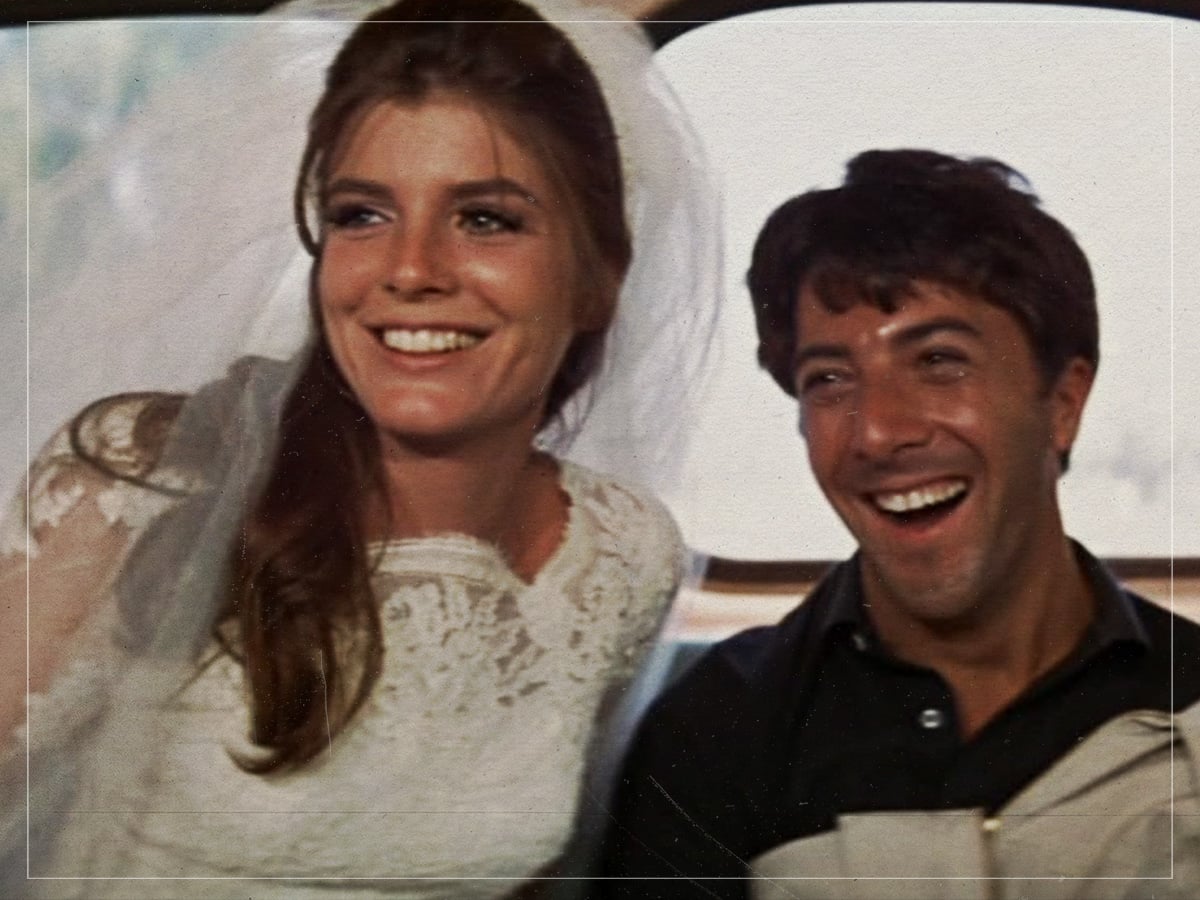
Mike Nichols‘ The Graduate is an important film for young people because it carries an essential lesson about growing up too fast and making commitments that would seem impossible to keep in the years to come. It is towards the end, when Dustin Hoffman’s Benjamin Braddock shows up to stop Katherine Ross’ Elaine from getting married, and they flee the ceremony, only to end up sitting confused as Simon & Garfunkel’s ‘The Sound of Silence’ plays in the background, that lends this scene an air of ambiguity up for debate.
While Benjamin and Elaine have made impromptu decisions that they have not thought through, they do seem to show genuine love for one another, and it’s unlikely that Elaine would be any happier with Brian Avery’s Carl, her would-be husband, but the melancholy ending to The Graduate would seemingly imply that there is some sort of disappointment in store for every married couple, regardless of how they feel about each other.