
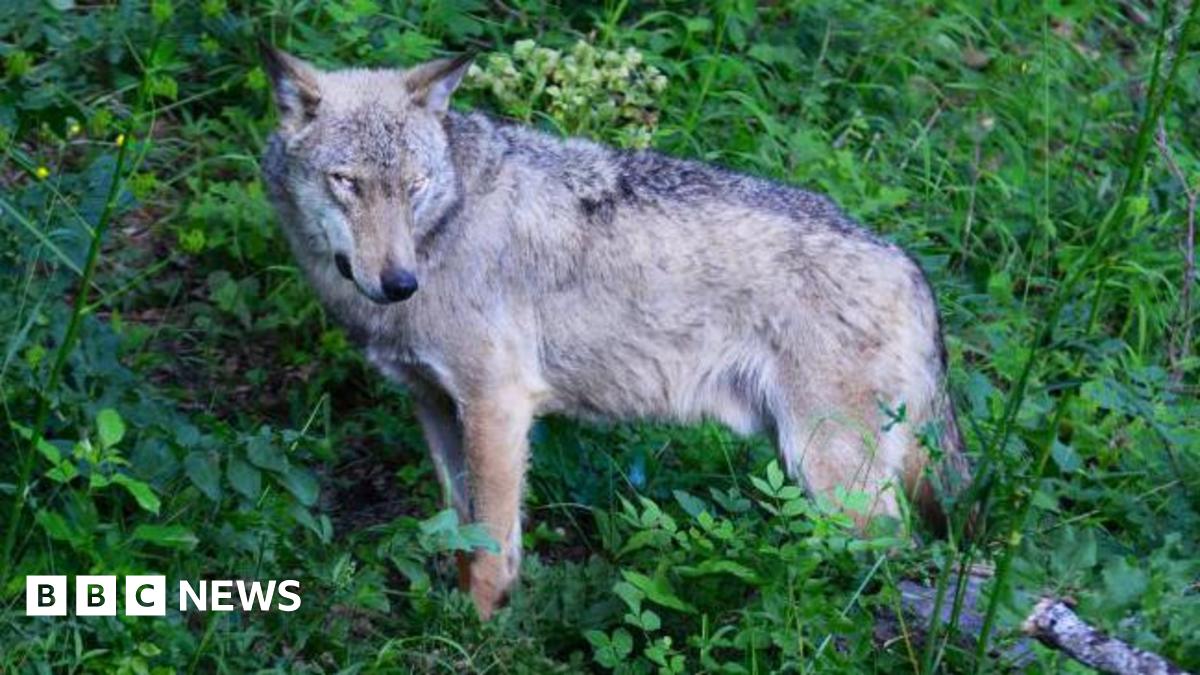
The park’s initial suspicions appear to have been corroborated in tests carried out by the local animal health research institute IZS.
Thirteen of the dead wolves were taken to the institute in Teramo, which found the “presence of pesticides for agriculture used in poisoned bait for animals”.
In a sign of the national seriousness of the issue, Environment Minister Gilberto Pichetto Fratin also intervened, condemning the killings as “horrendous and serious”, adding that the protection of wolves was “crucial to the balance of our ecosystem”.
Italy’s Institute for Environmental Protection and Research (Ispra) warned that the killing of wolves most likely by poisoning called into question significant advances in animal protection and conservation.
Poisoned bait posed a concrete risk to other protected wild species as well as domestic pets and public safety, it said.
Wolves have seen their population swell in Europe in recent years, with the European Union reporting a 35% increase to 23,000 from 2016 to 2023, concentrated especially in Central Europe and Alpine regions.
In Italy alone the wolf population was estimated to be about 3,300, according to a 2020-21 census by Ispra.