
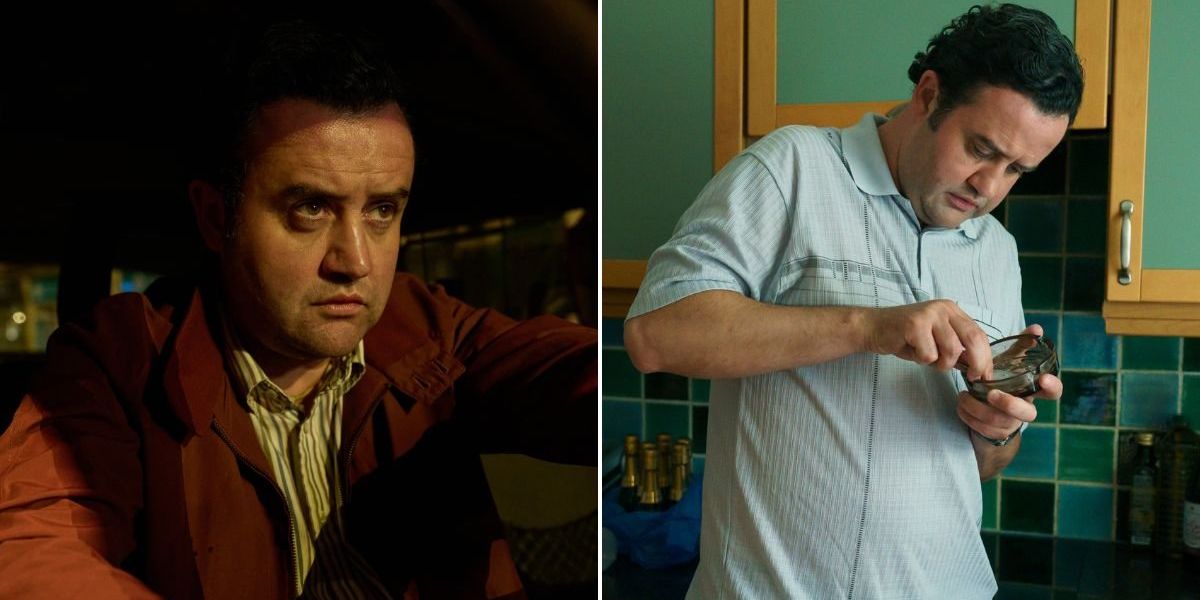
Jeff Pope, the writer and executive producer behind ITV’s Believe Me, has praised Daniel Mays for his portrayal of convicted sex offender John Worboys, highlighting how the actor conveyed the predator’s manipulative charm.
Speaking to GB News and other media about the upcoming drama, Mr Pope explained that Mays possesses an inherently trustworthy screen presence, making him ideal for demonstrating why victims accepted drinks from Worboys.
“Danny was able to show us that he was very plausible in the way that he played Worboys, and we understood in the end why they did, reluctantly, accept a drink,” Mr Pope explained.
The writer noted that the opening episode deliberately takes its time showing the character Sarah (Aimée-Ffion Edwards) entering Worboys’ taxi, ensuring viewers comprehend how his apparently cheerful, ordinary demeanour disarmed women.
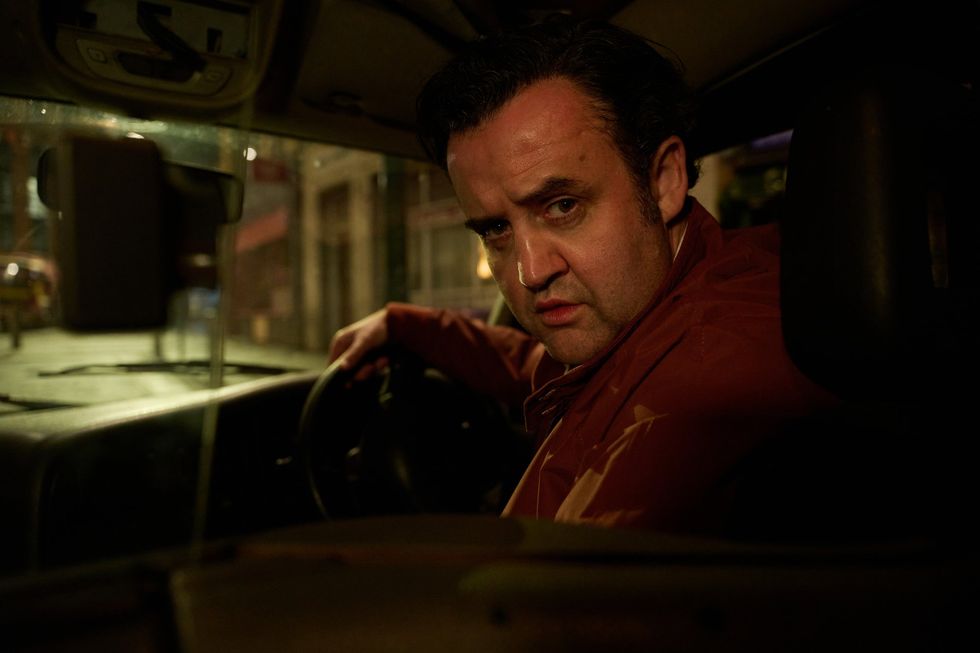
Believe Me writer Jeff Pope paid tribute to Daniel Mays’ performance
|
ITV
He added: “Danny’s played all sorts of roles, you kind of have a reaction to him.
“You kind of trust him. He’s engaging. And I thought it was so important that the audience understood why the women in his taxi accepted drinks from him, and it was because he was an incredibly personable – or he pretended to be – an incredibly personable kind of guy.
“And he was very plausible. Carrie Simons, who Miriam [Petche] played, said in court – I think she used the word ‘pathetic,’ but that kind of, down at the heel demeanor, that kind of, ‘I’m just a regular guy’ thing.
“In her opinion, that was what was so disturbing.
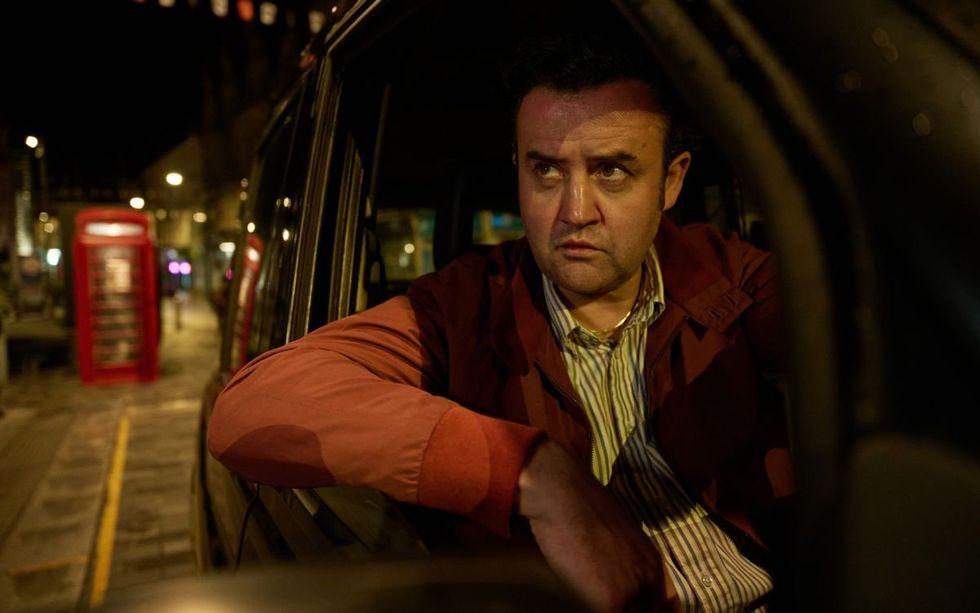
Daniel Mays portrays the real life ‘black cab rapist’ in ITV drama Believe Me
| ITV
“And so we spend a lot of time in the first episode when the character of Sarah that Amy Fionn plays when she gets into Danny’s cab. We don’t rush that.”
He continued: “We think it’s really important that everybody understands why these women accepted a drink.
“And Danny was able to show us that he was very plausible in the way that he played Warboys, and we understood why in the end, why they did, reluctantly, accept a drink.
“You think, ‘God,’ you know, this was a normal, regular, apparently, chirpy, cheerful guy.”
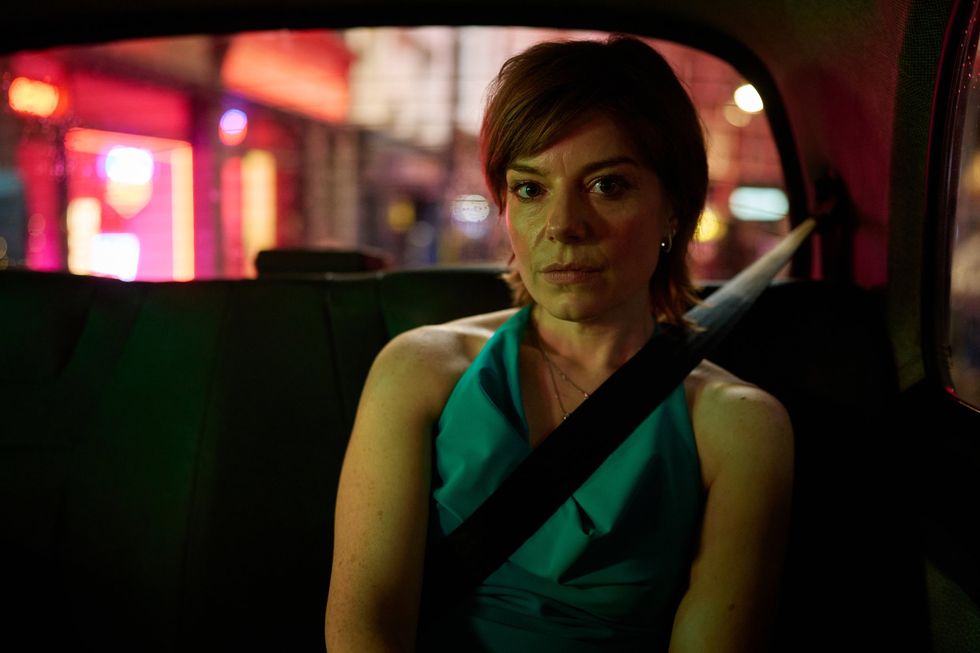 Believe Me tells the story of the ‘black cab rapist’ | ITV
Believe Me dramatises the case of one of Britain’s most prolific sexual predators, who became known as the “black cab rapist” after targeting women from behind the wheel of his licensed taxi.
Worboys received his conviction in 2009 for offences including sexual assault and drugging with intent, with twelve victims’ cases brought to trial from what investigators believed was a far larger pool of women he had attacked.
His approach followed a consistent pattern: he would collect women who had been enjoying evenings out, then tell them he had won money at a casino or through the lottery.
He would then repeatedly offer his passengers drugged champagne under the guise of celebrating his supposed windfall, leaving them unconscious.
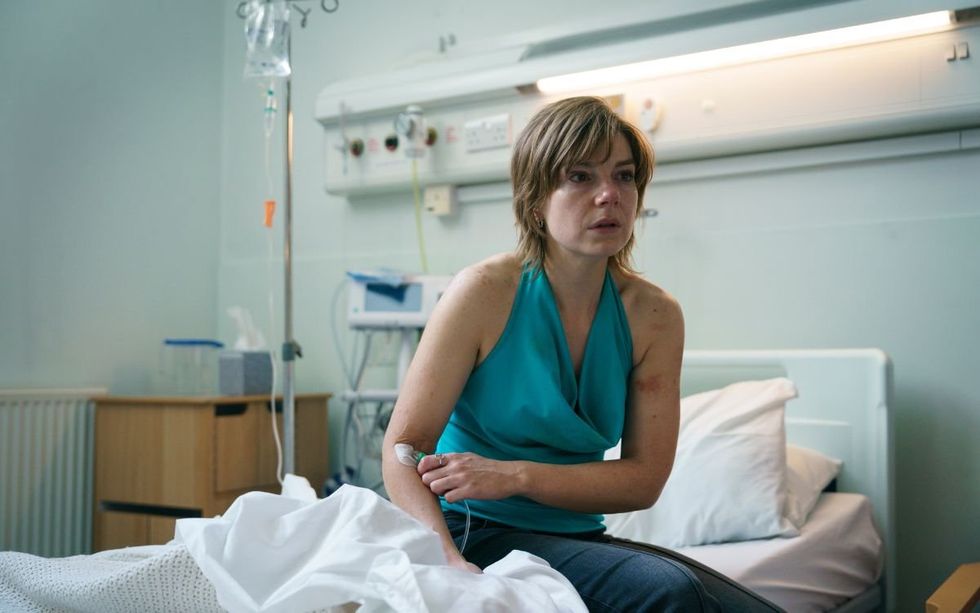 Aimée-Ffion Edwards stars in ITV drama Believe Me | ITV
The drama centres on the experiences of Sarah and Laila (Aasiya Shah), two women who came forward to report sexual assaults by Worboys, only to encounter a Metropolitan Police force that left them feeling disbelieved.
The programme depicts what many rape survivors describe enduring: repeated interviews, invasive evidence collection, and questioning that treats them with suspicion rather than su
In one particularly striking example, an officer asked Laila whether her choice of red nail varnish reflected something about her character.
These investigative failures by the Met effectively permitted Worboys to continue attacking women undetected for years.
Following his trial, it emerged that he was connected to allegations of sexual offences against more than 100 women, revealing the devastating scale of the police’s inadequate response.
Sarah and Laila subsequently joined forces with solicitor Harriet Wistrich and barrister Phillippa Kaufmann QC to pursue legal action against the Metropolitan Police.
They brought their case under the Human Rights Act, arguing that the force’s failure to properly investigate their allegations had subjected them to degrading treatment and compounded their distress.
The women secured victory in court, but the Met chose to challenge the ruling.
The police service took their appeal through the judicial system all the way to the Supreme Court, where the victims prevailed once again.
Yet even as they fought for accountability, another battle loomed: just eight years after Worboys’ conviction, his first parole hearing forced the women to campaign once more to ensure he remained imprisoned.