
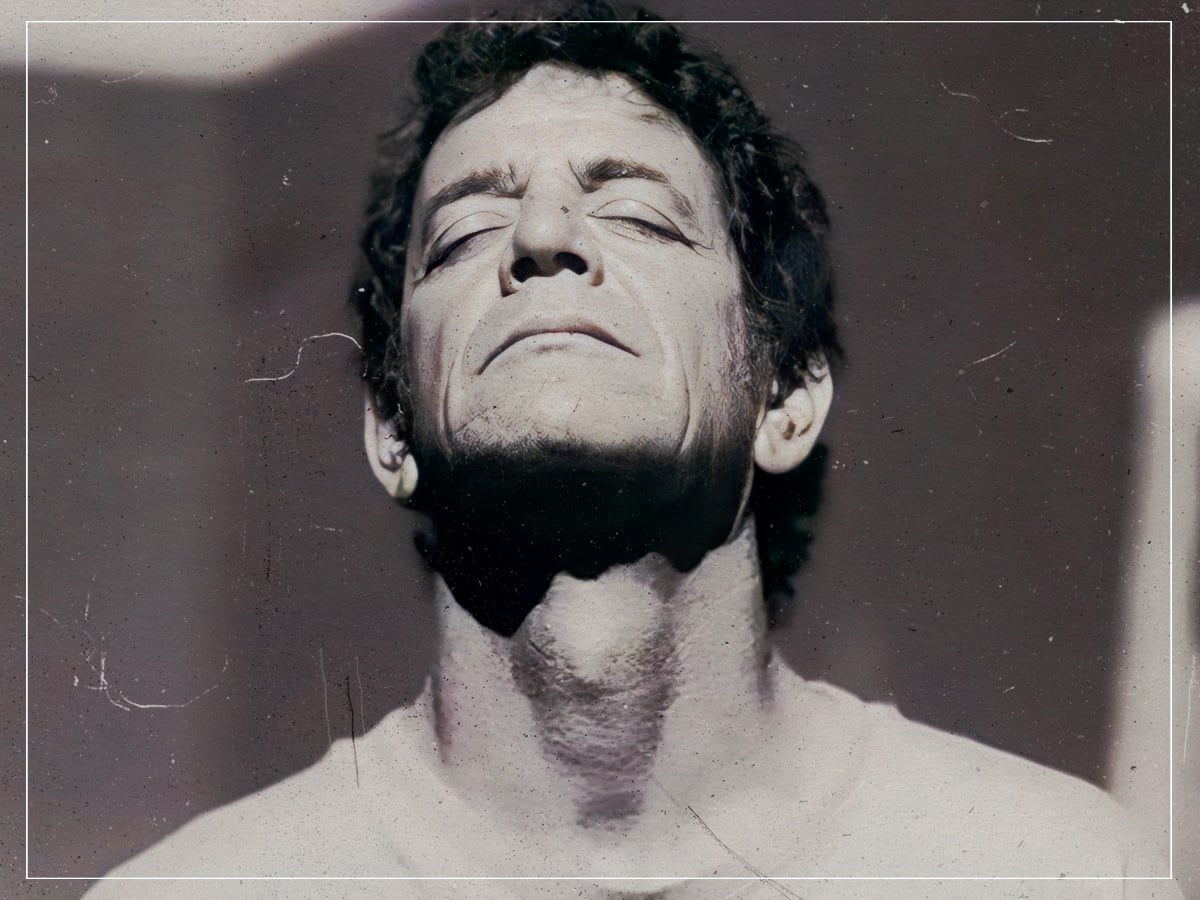
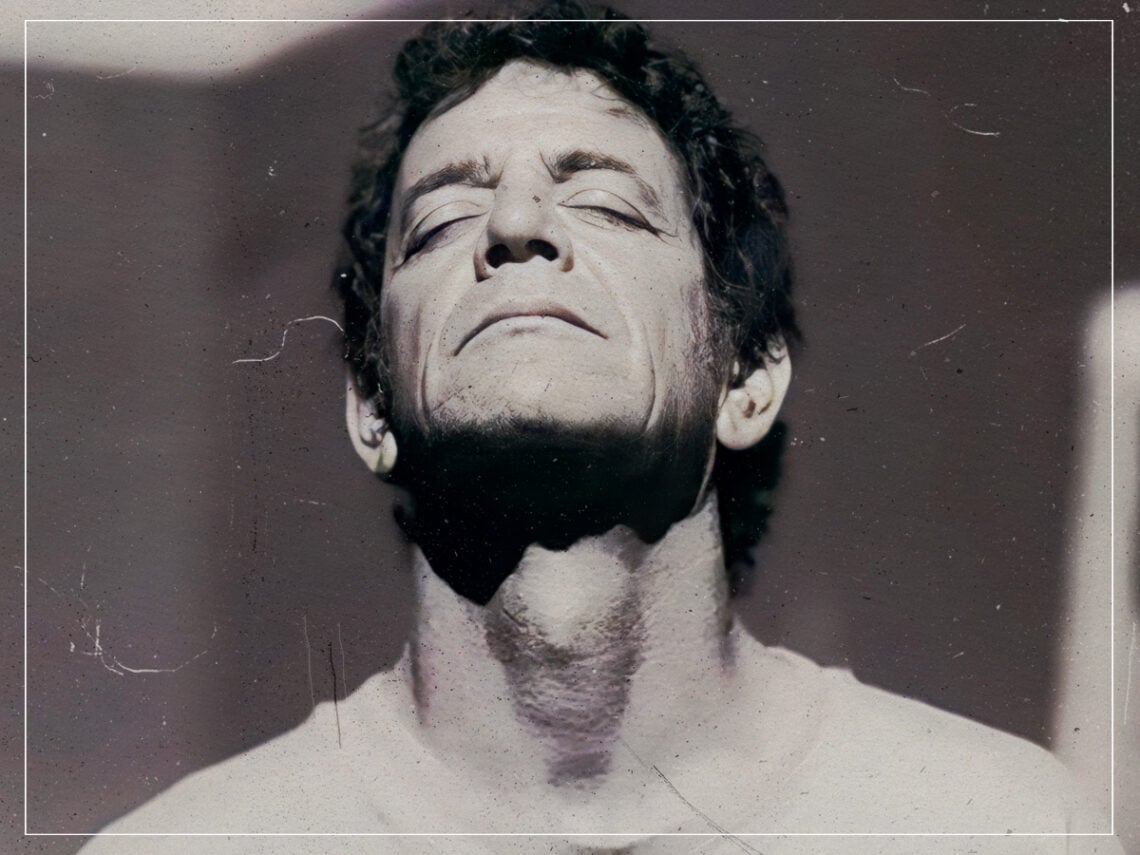
(Credits Far Out / Faber & Faber)
Sat 25 April 2026 20:42, UK
With such a vast back catalogue and so many different eras, exploring different sounds and styles, not every Beatles song can be a hit with everyone.
There is a level of trial and error involved with the band, requiring listeners to stay open-minded and stick with them as they discover what they like and don’t. It’s fine to admit that some bits aren’t for you, but when critique came in from Lou Reed, his damning voice of authority must have hurt a little.
In general, the topic of the Beatles always seems to be a debatable one. Hours could be lost to comparing the worth of different releases, with each person having their own thoughts, likes and dislikes on the band.
For some, they might never have gone much further than ‘Let It Be’ or ‘Hey Jude’, but for music fans who have explored deeper, the band are a subject matter that really splits opinion. For some, their early releases can be discarded as nothing but bubblegum fodder. To others, the later periods descend too deep into pure nonsense to be rescued. On all sides, there will be someone to argue the point and someone keen to fight back.
Part of that division comes from just how quickly The Beatles evolved. Within a few short years, they moved from straightforward pop songs to more abstract and experimental territory, leaving some listeners behind while pulling others further in. What felt like bold progression to some could just as easily feel like unnecessary indulgence to others, depending on what they valued in the band’s music.
 (Credits: Far Out / Apple Corps LTD)
It also raises the question of what people want from an artist at the height of their powers. For those drawn to immediacy and simplicity, the later work could seem overly complex or self-aware. For others, that very ambition is what makes it compelling. It is within that tension that opinions like Reed’s begin to make more sense, even if they remain difficult to agree with.
It’s incredible that the biggest band in history could be so divisive. It’s a testament to their power that they were able to become so vast and varied that the topic of which album you like best can fill a solid hour without a clear and universal answer. The question of which album you hate most is also just as hot and debatable. Lou Reed had his answer ready.
“Let me tell you, it didn’t have any effect on me. I don’t even own it,” he said of one album, delivering perhaps the most damning review to claim that a piece of art simply did nothing for him. The album in question was Sgt. Pepper’s Lonely Hearts Club Band, the group’s 1967 effort. Standing as a real landmark moment in their history, it was the point where they finally and once and for all fell off the cliff, casting off their old rock and roll image to fall into the world of LSD, meditation and the various strange sounds that came along with it.
As such a bold change in form, it’s an album that a lot of people select as one of their greatest and most interesting. Not Reed, though, who continued, “I thought it had some of the worst songs I’ve ever heard in my life on it.”
It seems that for the Velvet Underground leader, it had all got a bit too silly as he picked out one track especially. “‘Mr. Kite’,” he singled out, “absolutely unbearable. I didn’t like it then, and I don’t like it now.”
To add insult to injury, he felt his own band’s name was getting tarred by loose association. When Sgt Pepper’s Lonely Hearts Club Band came out, The Velvet Underground were the shiny new toy of the alternative music scene. Andy Warhol had just launched them into the world with his Exploding Plastic Inevitable multimedia extravaganza, and their debut album with Nico was making the world pay attention. With their left-field rhythms, weird instrumentals and bravery to merge rock with something more artistic, their name became the lazy comparative label attached to anything slightly outside of the usual.
But Reed was firm in his belief that what they were doing was far beyond the capabilities of the Fab Four’s dabbling in art-rock. “I don’t see how people can even think of it seriously when you compare it to, like, The Velvet Underground’s first album,” he said, “No comparison.”
If Lou Reed was sat in the pub with us, debating the big Beatles questions, he would be demanding a reconsideration, telling you to go home and actually listen to the album again and dare to tell him it was good. This would be his closing point; “I think that, perhaps, if people listen to it in retrospect now, they might find it a little more ridiculous, the way I did then,” he said, continuing, “It was like completely dispensable from beginning to end. It just had nothing.”
