
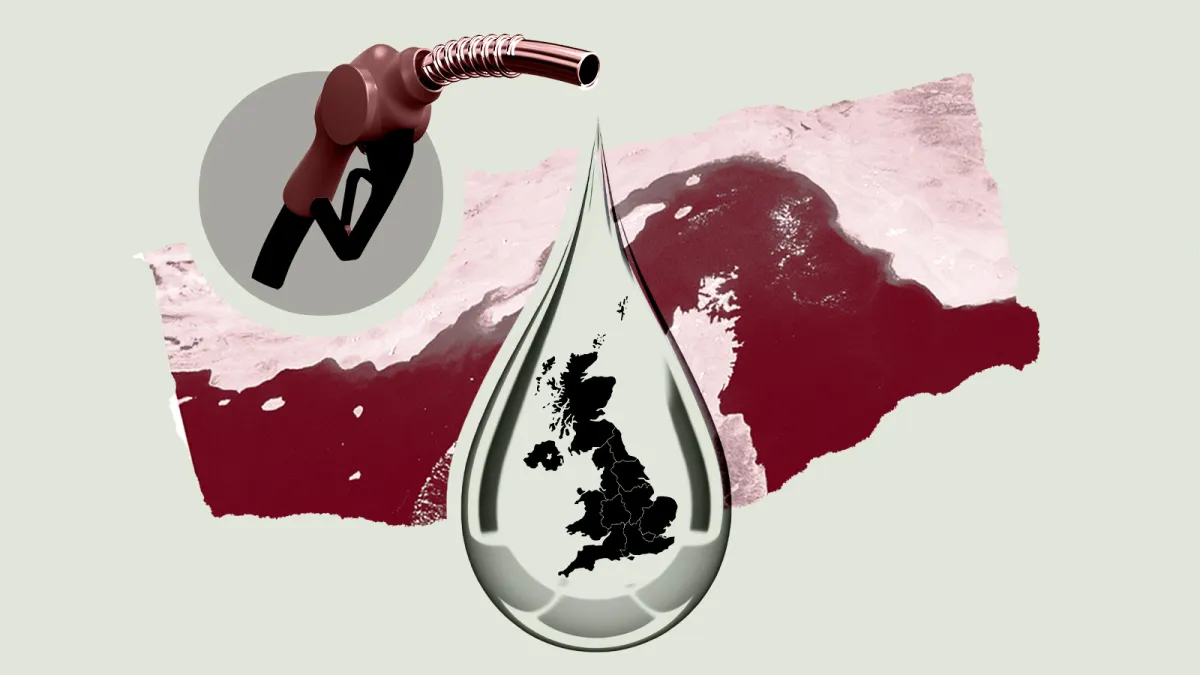
The first major national fuel protest in more than two decades is set to take place next week, as campaigners warned that sustained high prices were “crippling” businesses.
Farmers in tractors, lorry drivers, and tradesmen in vans are expected to descend on Westminster on Monday morning and will call on Rachel Reeves to take action to address “out of control” fuel prices.
Organised by Reform UK, the “national fuel tax protest” will feature speakers from the party, who will demand that the chancellor cut fuel duty and reduce VAT. The Treasury takes roughly 50 per cent in tax from every litre of fuel bought, earning it around £35 billion a year.

The price of petrol now stands at 157p per litre, up almost 25p since the start of the Iran conflict two months ago, with diesel at 189p — up 47p. Although there has been a small drop in the past week as the wholesale cost stabilised, the RAC said pump prices “aren’t falling at the rate our analysis indicates they should”.
The UK has reserves for 29 days’ worth of petrol, 23 days of diesel, 34 days of jet fuel and 14 days of heating oil, according to UK Oil Watch, but the country continues to receive imports, meaning those reserves remain stable. It produces more unleaded petrol than it uses and is a net exporter, so shortages are not a cause for concern, but it is a net importer of diesel, the fuel that industry uses in much greater volume.
It is exposed to the market disruption caused by the closure of the Strait of Hormuz for both fuels because the price is set internationally. The strait is used to transfer roughly a fifth of the world’s liquefied natural gas (LNG), and the oil needed to make petrol and diesel.
Last week, the final tankers to traverse the waterway before the war arrived in Europe, with a full reopening unlikely for many months as the US and Iran continue their standoff.
Howard Cox, the founder of FairFuelUK and a former Reform UK London mayoral candidate, who is attending the protest on Monday, said of the price rises: “As far as haulage and logistics are concerned, this could be crippling.
“We are finding that people are not going to hospital appointments simply because they can’t afford to get there,” he said. “We are seeing white van men not going to chase up quotes because they can’t afford to get there. It could cost them 30 quid to go and give a quote when they might not get it.”
With fuel the industry’s second-highest cost, passenger bus and coach operators have reported bills rising by as much as 50 per cent.
Roland Eglinton, the managing director of Chalkwell Coach Hire in Kent, warned his fleet of 55 diesel vehicles would have to cancel some services that take children to school and transfer people with special needs if prices do not drop soon.
“We can’t continue to deliver the same service on an ongoing basis; we can suck it up in the short term, but when it gets to the medium term, we will make decisions on what work we do or don’t do going forward,” he said.
The National Farmers Union (NFU) said it was monitoring prices of red diesel, which remained “critical” and warned food prices were likely to rise.
Martin Williams, a Herefordshire livestock and arable farmer who will not be attending the protest, said the increase in price of red diesel, used in machinery, was costing him £160 a day per tractor in extra costs.
“It’s horrible, actually, it makes you consider if jobs are worth doing. Recreational farming comes to a halt when the diesel price doubles.”
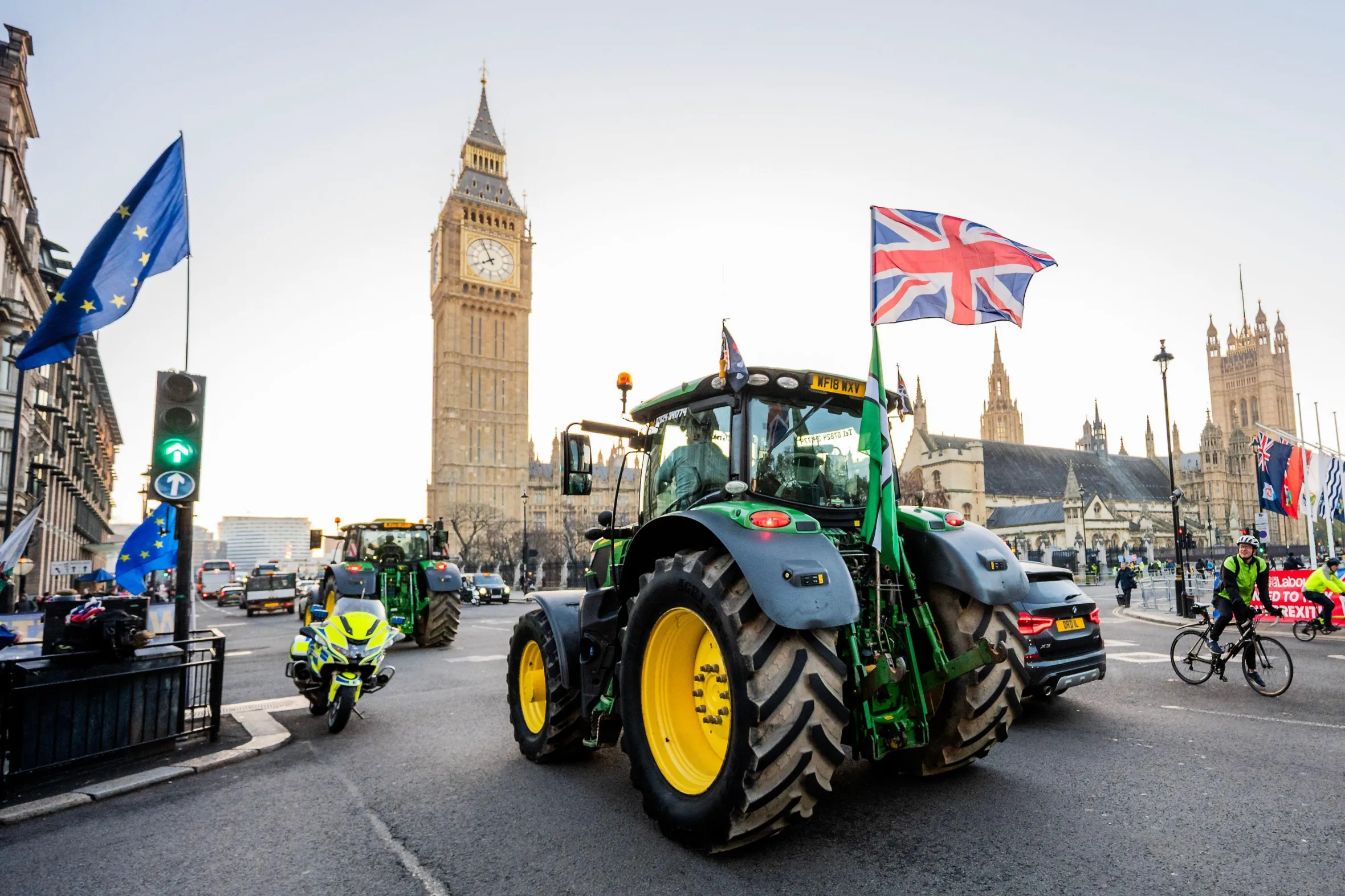 Farmers protested near parliament against Rachel Reeves’ decision to change inheritance tax rulesAlamy
Unlike airlines, which tend to hedge their fuel or buy it at a fixed price months in advance, industries like logistics or petrol retailers tend to buy from wholesalers weeks or days in advance, meaning they are more exposed to price shocks.
Although diesel or petrol prices have risen, supply has held up despite the initial concern at the start of the crisis, following some localised shortages.
As a member of the International Energy Agency, the UK has an obligation to hold emergency oil stocks — including petrol, diesel and crude — equivalent to covering 90 days of its total needs if all imports suddenly stopped. The UK’s total stocks are above that level.
“Although fuel stocks are lower than we’d like, we are not at the point where we would consider them critical. It’s a watch and wait,” said Kathryn Porter, an independent energy consultant. “We typically run with low levels of stock, and it’s a situation we’re quite accustomed to.”
Business newsletter
The business editor’s exclusive analysis of all the latest financial and economic news.
Sign up with one click
She said the UK is “more likely to see price pressure than volume pressure”, adding: “Our willingness to secure access is based on willingness to pay for it.”
James Hitchman, an operations director at the fuel pricing experts MyAutomate, said: “People should be concerned but not panic. The UK has strategic reserves, capacity to produce fuels via our refineries and as an island can adapt to changing supply chains.”
Unlike jet fuel, where a majority of imports come from the Middle East, around 10 per cent of diesel imports in 2024 were from the region.
Instead, more than a third of diesel comes from the United States and a similar amount from Europe, including the Netherlands, a global refining and distribution hub which gets its crude oil from Norway, the North Sea and the Middle East.
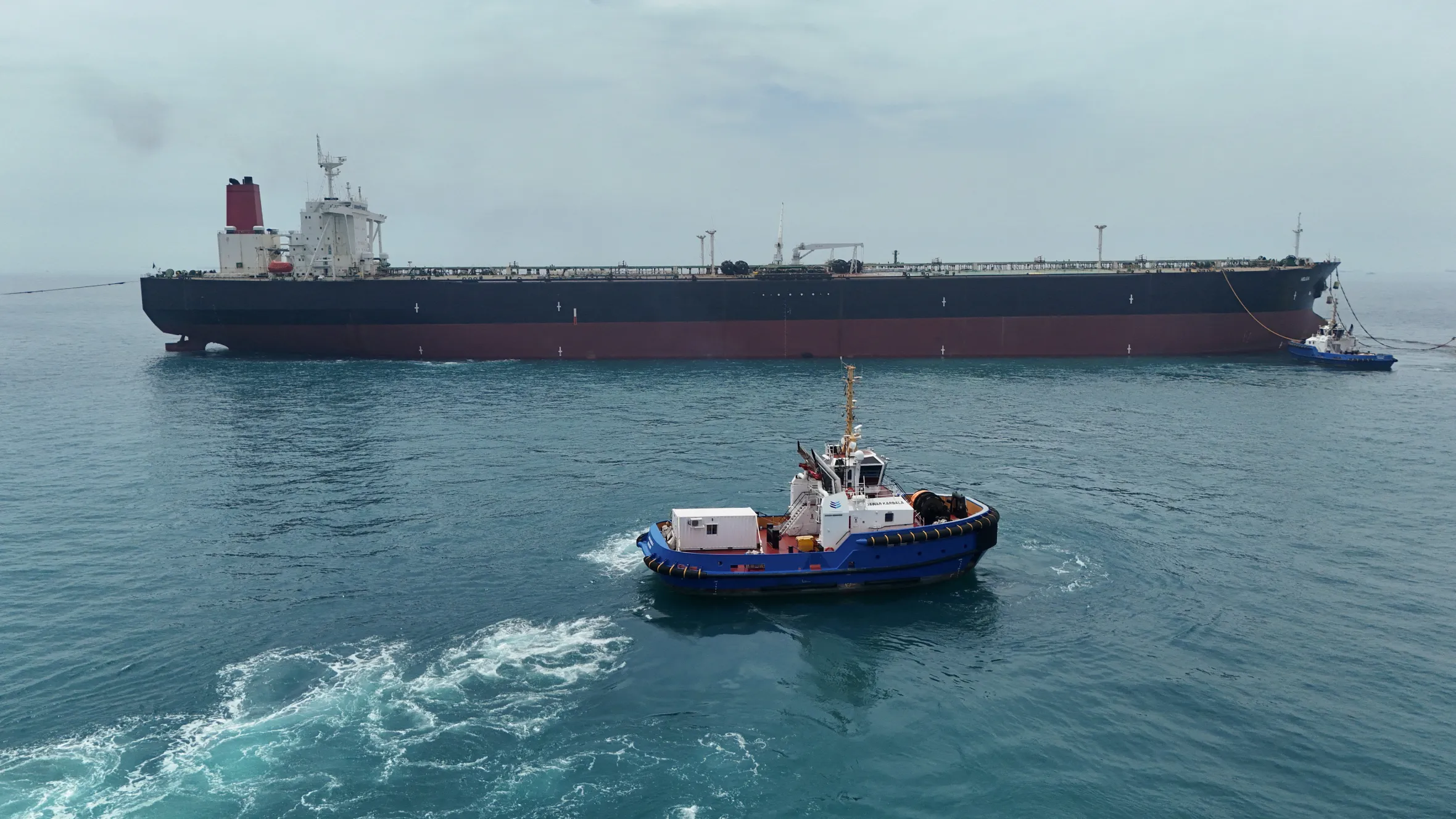 The tanker Helga prepares to load crude oil. Iran has reclosed the Strait of Hormuz after the US Navy maintained its blockadeMohammed Aty/Reuters
Most ships transiting the strait go east, so Asian countries have been hit the hardest. Pakistan, Thailand, Vietnam, the Philippines and Sri Lanka have all introduced measures to encourage fuel rationing.
But as those countries’ most affected reshuffle and start buying from elsewhere, it affects everyone. In the UK, if imports are disrupted, the country’s ability to fulfil demand is limited.
From 18 oil refineries in the 1970s, the UK is now down to just four operational ones following the closure of Grangemouth in Scotland and Lindsey in Lincolnshire last year.
Refinery output is now 55 per cent below the 1973 peak, which means, ahead of the move to lower emission alternatives in the years ahead, the UK is more reliant on imports of fuel refined elsewhere.
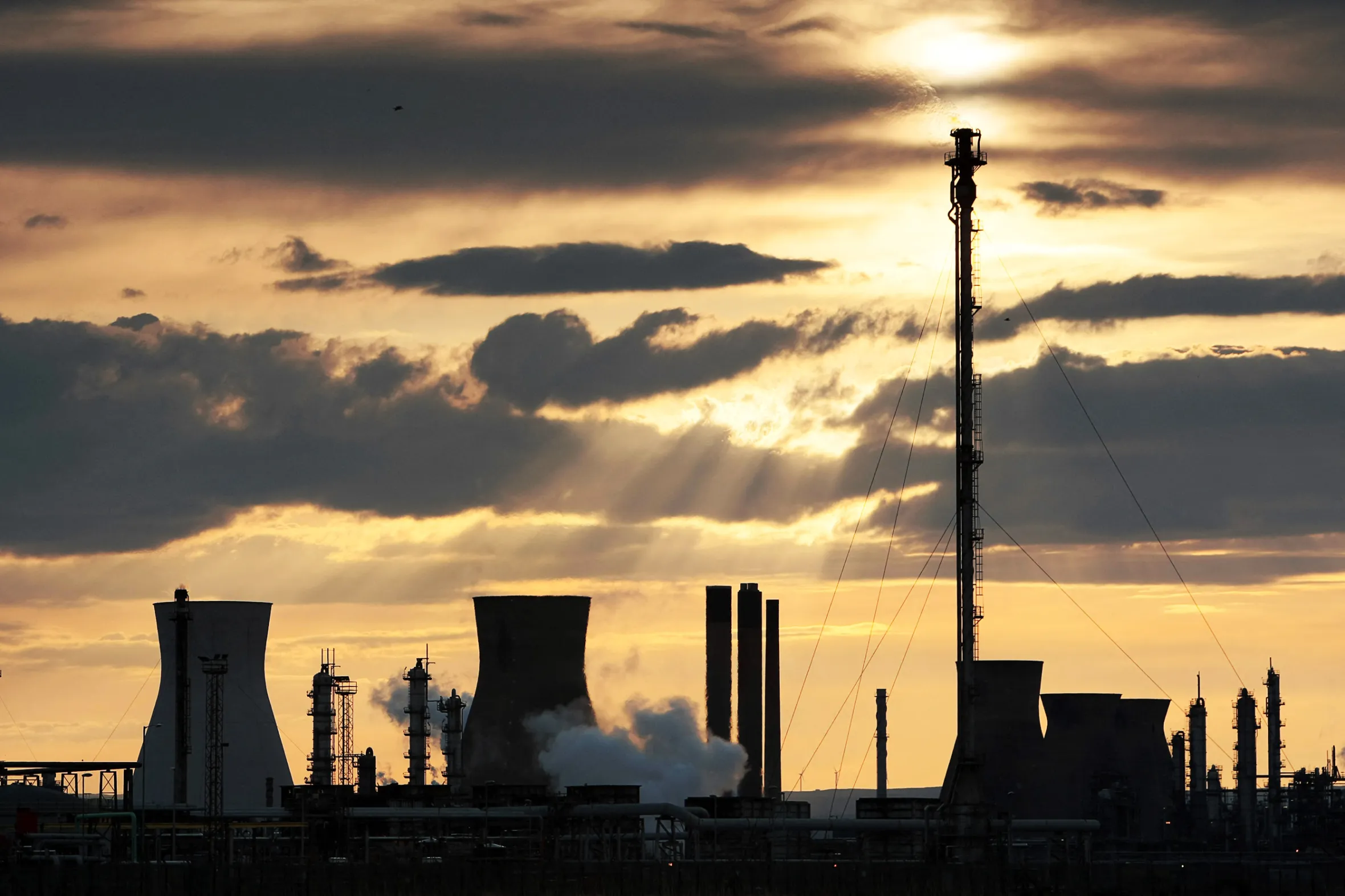 The Grangemouth oil refinery in Scotland. It closed in 2025 after a century of operation ED JONES/AFP/GETTY IMAGES
With energy and labour costs also higher in the UK compared with many other countries, refining here is much more expensive.
“Right now, the access to refinery capacity is more constrained than access to crude oil,” said Porter. “If you’re running a generally tight system, you don’t have that much room for manoeuvre. It’s also more geared towards petrol than diesel, which is why we are likely to see issues with diesel emerging more.”
She warned things could become more precarious ahead with some refineries going through turnaround — a “make or break” planned period of regeneration when investment is planned or pulled.
Ultimately, the only way to save the UK from future fuel shocks is to become more self-reliant, says Porter.
“We are chasing our tail around high energy costs, creating these knock-on effects. Let’s go back to first principles and find ways to make energy cheaper so industry can survive, and we aren’t lurching from one crisis to the next.”
The Department for Energy Security and Net Zero said: “The government is determined to fight people’s corner. To support drivers at the budget we extended the 5p fuel duty cut from this month to September.
“Both the AA and Fuels Industry UK have been clear that fuel production and imports are continuing across the UK as usual with no issues being reported.”