
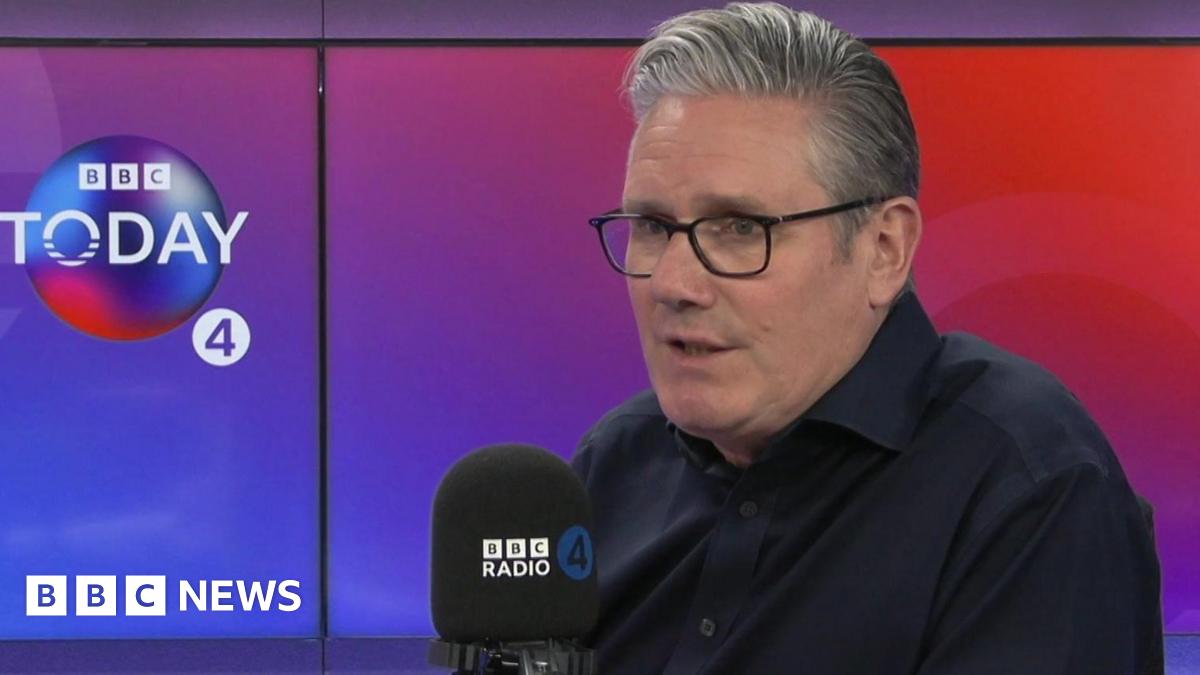
Asked about the call for a moratorium, Sir Keir said: “I think it’s time to look across the board at protests and the cumulative effect.”
He added: “In relation to the repeated nature of the marches, many people in the Jewish community have said to me, it’s the repeat nature, it’s the cumulative effect.
“Now, I accept that, which is why we intend to deal with cumulative effects.”
Pushed on whether some protests needed to stop altogether, the PM said: “We need to look at what further powers we can take.”
In response to concerns about linking protests to attacks on Jews, Sir Keir said: “I will defend the right of peaceful protest very strongly and freedom of speech.”
He added: “I’m not saying, of course, that there aren’t very strong, legitimate views about the Middle East, about Gaza. We all have deep concerns about it.”
Hall’s call for a moratorium has been criticised by the Stop the War Coalition, a campaign group that has helped organise several previous marches.
The group said it condemned “all forms of antisemitism and racism”, but it was “wrong” to connect the marches to any attacks on Jews.
The Green Party and Jeremy Corbyn’s Your Party have also warned the response to the “abhorrent” attacks should not restrict civil liberties.
However, the Conservatives and Reform UK have called for the government to take a tougher approach to the demonstrations.
Police forces in England and Wales can restrict protests in certain circumstances, including by stipulating a particular route or saying when it must end.
They can apply to ban marches outright where these powers are deemed insufficient to prevent “serious public disorder”, but this requires the approval of the home secretary and is not regularly used.
Last month the government approved a request from the Metropolitan Police to ban the Al Quds Day march in London, marking the first time a protest march had been banned since 2012.