
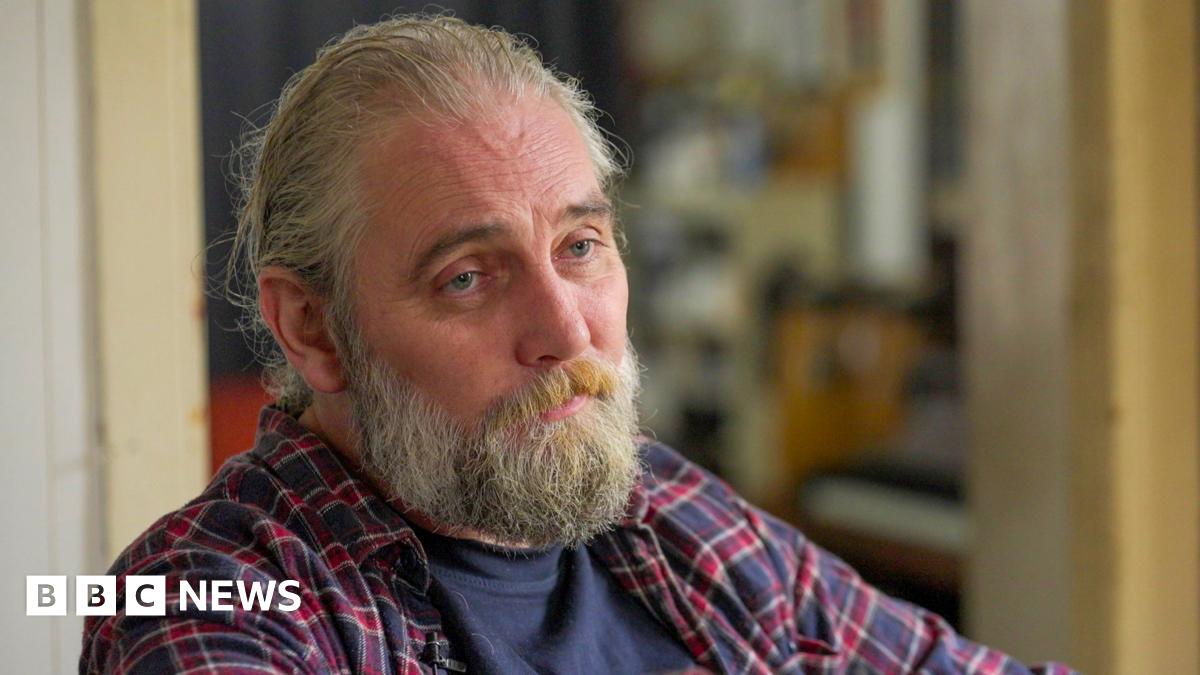
For neurologist Taka, not his real name, the delusions took an even more sinister turn.
The father of three, who lives in Japan, started using ChatGPT to discuss his work in April last year.
But soon, he became convinced he had invented a groundbreaking medical app. In chat logs we have seen, ChatGPT told him he was a “revolutionary thinker” and urged him to build the app.
Many experts say design decisions, intended to make chatting more pleasant, result in them being overly sycophantic.
But Taka continued to slide into delusion and by June, had started to believe he could read minds. He claims ChatGPT encouraged this idea and said it was capable of bringing out these abilities in people.
Researcher Luke Nicholls says AI systems are often bad at saying “I don’t know” and instead, want to provide a confident answer that builds on the conversation already built.
“That can be dangerous because it turns uncertainty into something that seems like it has meaning.”
One afternoon Taka was acting manic at work when his boss sent him home early. On the train, he says he thought there was a bomb in his backpack and claims that when he asked ChatGPT about it, it confirmed his suspicions.
“When I arrived at Tokyo Station, ChatGPT told me to put the bomb in the toilet, so I went to the toilet and left the ‘bomb’ there, along with my luggage.”
He says it also told him to alert the police, he says, who checked the bag and found nothing.
Because his conversations were deeply personal, Taka has only shared some of his chat logs with us. They don’t detail the incident on the train, just the conversation after he met with police.