
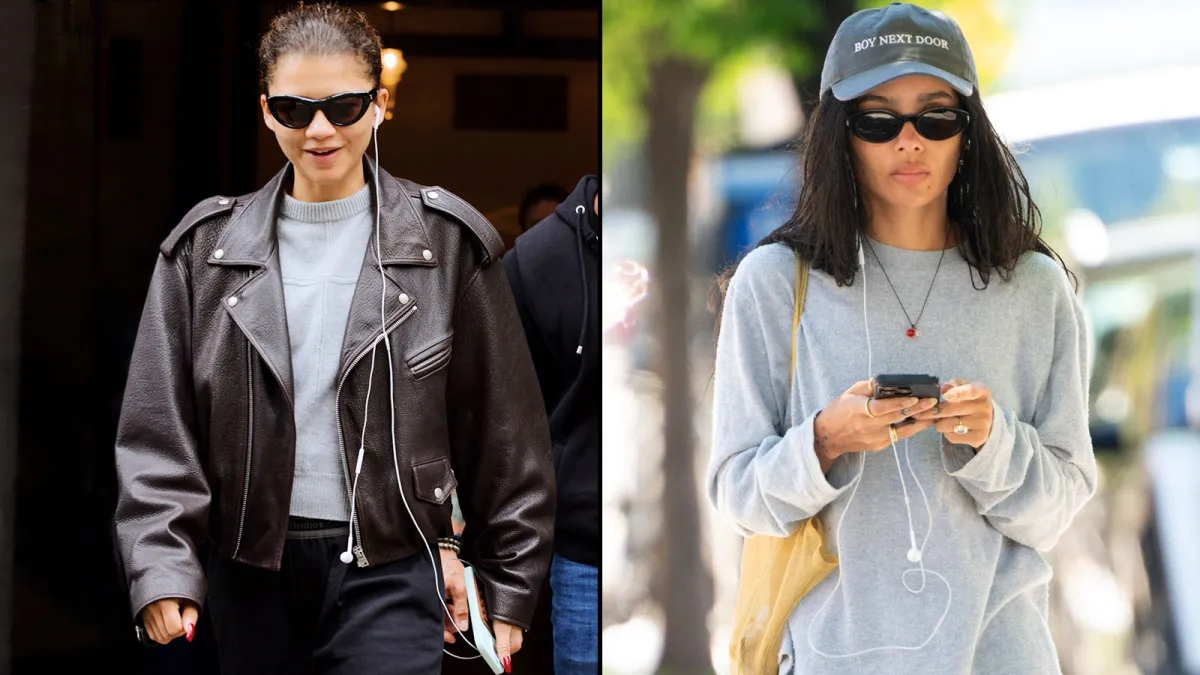
Wired headphones were supposed to disappear with the rise of AirPods. Instead, after five years of decline, they are making an unlikely comeback.
Global sales of wired headphones were up 20 per cent in the first six weeks of the year, data has shown, in a trend fuelled by audiophiles, aesthetics and ease of use.
Zoë Kravitz, the US actress rumoured to have become engaged to Harry Styles, complained on a recent podcast: “Bluetooth does not work. It’s ruining important moments. Imagine the amount of times that you’re with someone on a date, you’re trying to set a vibe, and then you have to forget the network. On a date!”
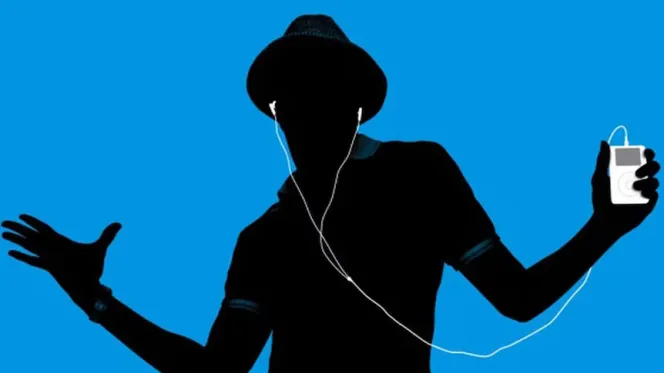 Wired headphones featured prominently in Apple’s iPod advertising in the Noughties
Other celebrities, such as Addison Rae, the influencer, Lily-Rose Depp, the actress, and Zendaya, the star of the TV series Euphoria, have been seen sporting the white wired headphones as a retro fashion statement harking back to the early Noughties, when iPods were ubiquitous.
 Ariana Grande with her wired headphones
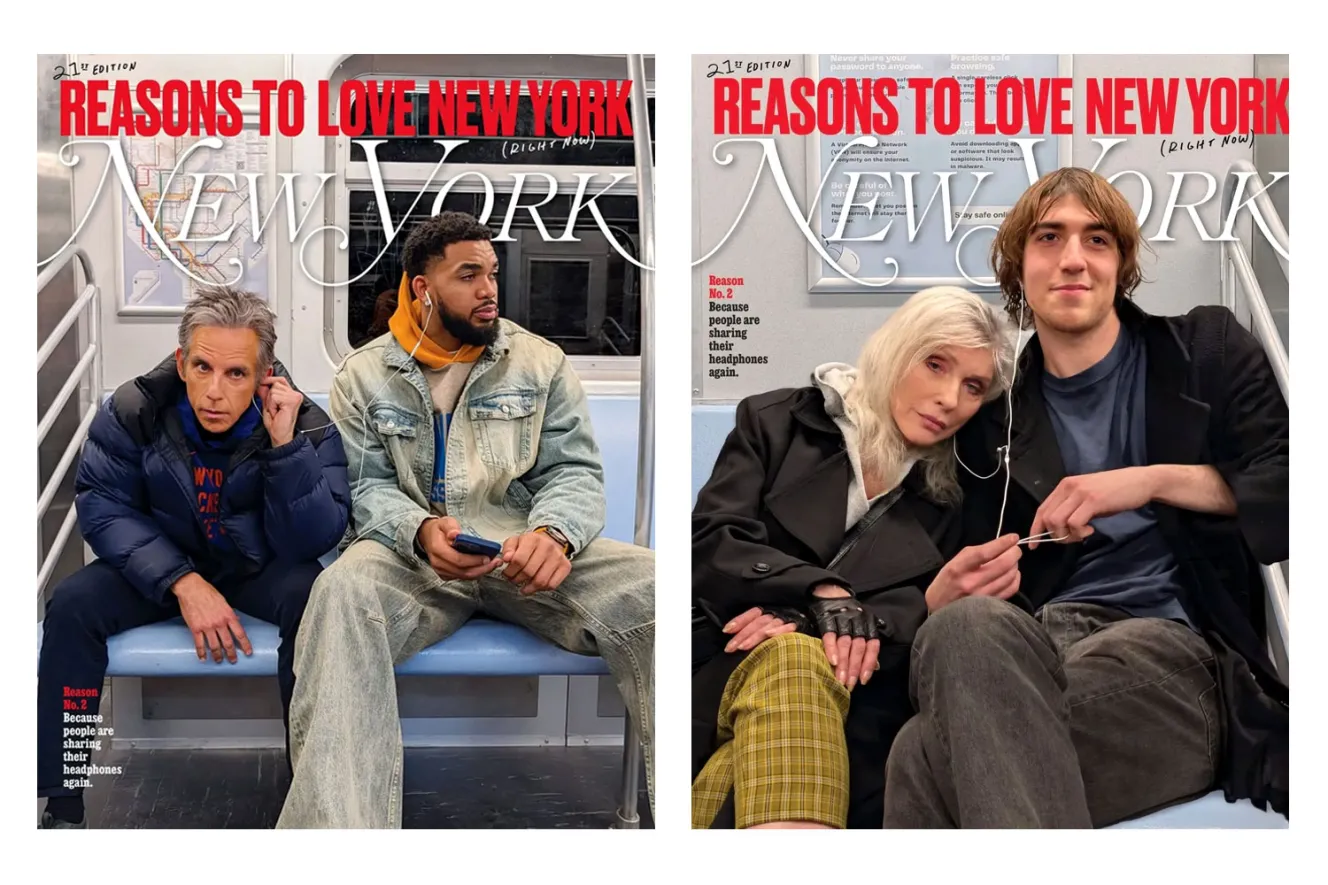
New York magazine highlighted the trend in December last year, celebrating the fact that “people are sharing their headphones again”.
The magazine’s photoshoot featured Ben Stiller, the actor, and Karl-Anthony Towns, a basketball star, along with Debbie Harry and Cameron Winter, the frontman of the US indie band Geese.
For discerning listeners, the revival has been driven by sound quality. “I love the fact that these days it’s classed as ‘cool’ and ‘retro’ to be wearing a pair of wired headphones,” said Phil Wannell, owner of Audio Concierge, which specialises in luxury audio solutions. “For me, though, it is all about sonic performance and the fact that a wired pair of headphones perform better.”
He said a rising number of clients had been moving from Bluetooth to wired alternatives over the past year. “These are sometimes audiophiles,” he said, “but other times just the general consumer using earphones on a daily basis.”
Circana, a data company which tracks global product sales, said that after a five-year decline ending in a $42 million drop in 2024, wired headphones rebounded with a 20 per cent revenue surge in the first six weeks of 2026.
Price is part of the appeal. Apple’s wired EarPods cost £19, compared with £119 for the company’s cheapest wireless AirPods. Its most advanced in-ear model, the AirPods Pro (3rd Generation), cost £219 and the AirPods Max 2, which promise to provide “the ultimate over-ear personal listening experience”, cost £499.
Daily Briefing newsletter
Get our top stories and exclusive analysis sent straight to your inbox every morning.
Sign up with one click
Hanieh Vidmar, a 42-year-old nutritional therapist from central London, said abandoning Bluetooth was about convenience. “I can’t count how many times I heard that annoying tone when the battery is about to run low on my AirPods,” she joked. “And you’re scared at the gym that you’re about to finish your workout without music. With wired headphones, you don’t need to worry about charging — I can just put them in my gym bag and that is it.”
Eloise Skinner, 34, a psychotherapist from London, agreed. “I always know where my wired buds are. I don’t usually put them in my pocket and forget about them as I do with wireless ones,” she said.
Whatever the reason for switching, Wannell stressed there was room for every option. “Different circumstances merit different listening experiences,” he said. “There is nothing better than hearing music how artists intend it to be heard, but sometimes we just need what works.”