
Scientists have found the biobeads contain a number of heavy metals, including lead and arsenic, which could be toxic to wildlife.
Beech added the time to clean up the spill depended on the weather and oceanography.
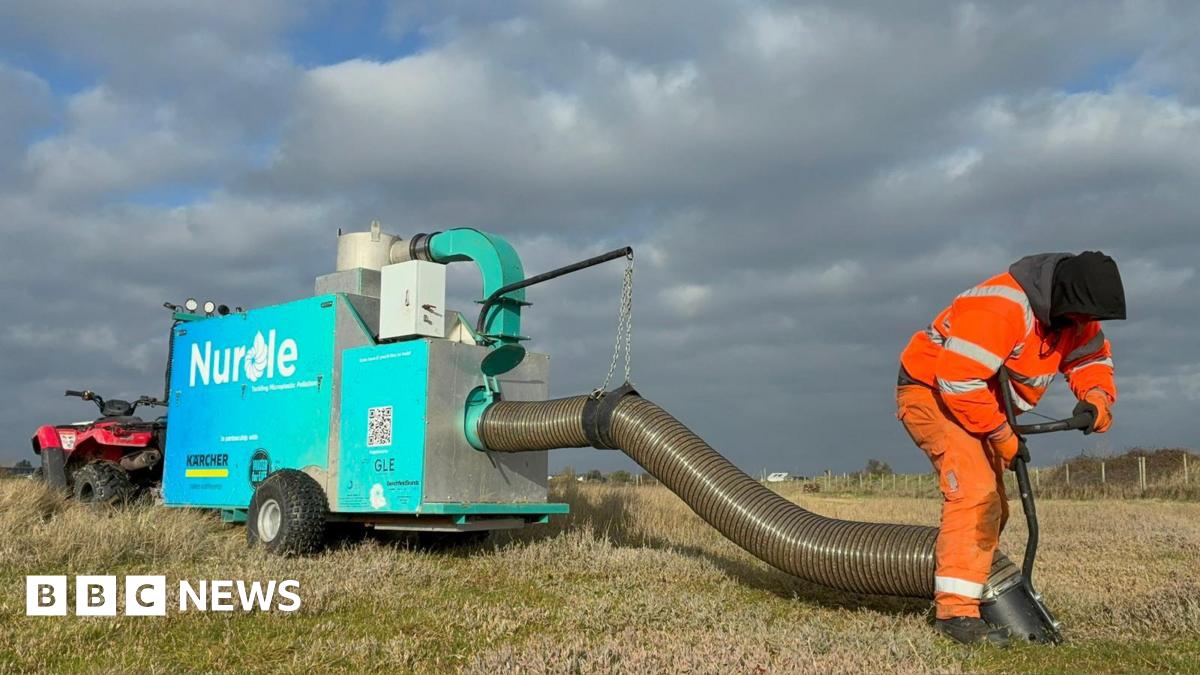
Nurdle, which is receiving funding from Southern Water, is using a specialised vacuum cleaner to remove the biobeads from the beaches.
The group cleared a “significant proportion” of them in the immediate days after they were discovered in November, although not all could be collected, according to Rother District Council.
Beech explained that Nurdle now needed to wait for spring tides and storms to churn up pellets buried in the sand so they can be removed by the machine.
“Basically, it’ll be storm hunting for the next few years,” he said.