
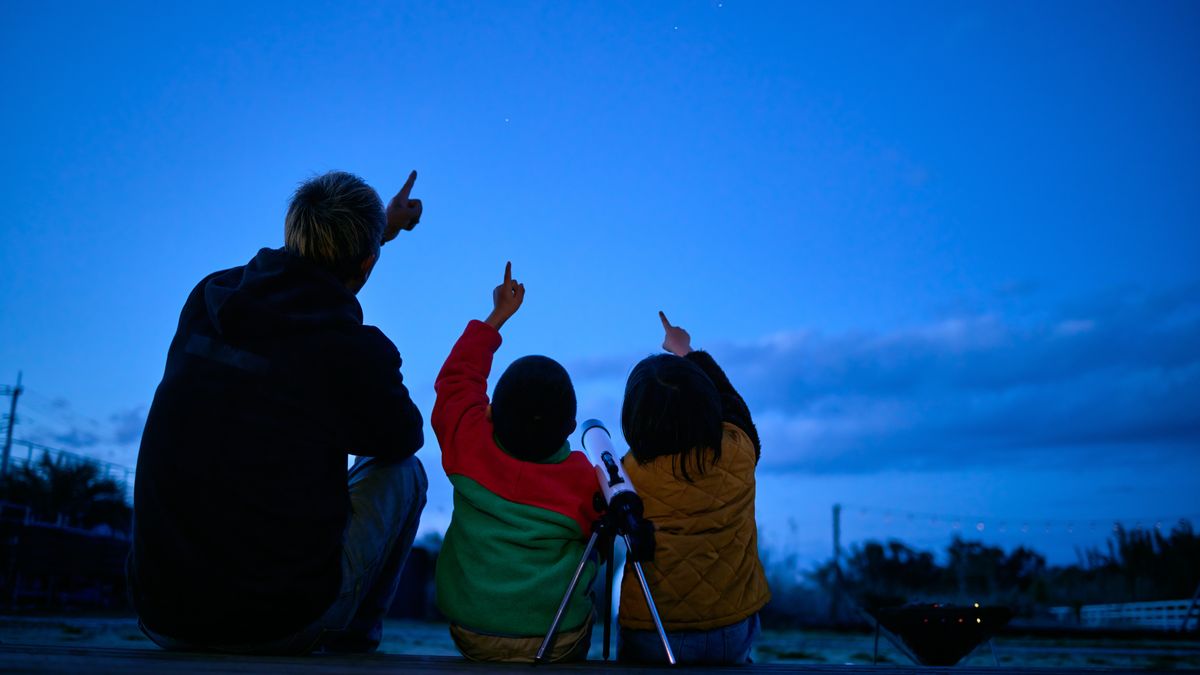
An astronomer has explained how to see the phenomenon
Neil Shaw Assistant Editor
10:41, 08 May 2026Updated 12:57, 08 May 2026
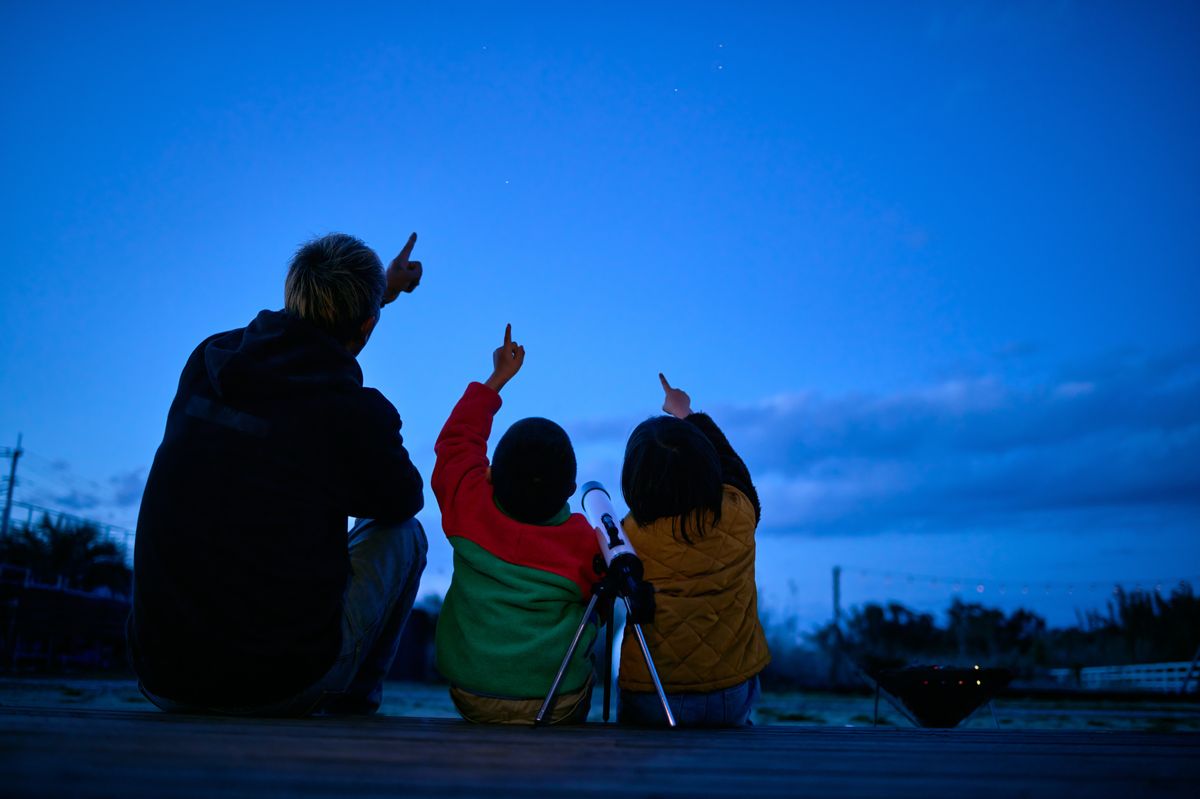
You will get the best view just after sunset
Stargazers are being encouraged to look to the western sky after sunset throughout the coming month, as two of the brightest planets, Venus and Jupiter, become clearly visible side by side in the early evening. The pairing offers one of the easiest and most rewarding celestial sights for casual observers, requiring no specialist equipment to enjoy.
According to the astronomical telescope experts at 365 Astronomy, this is a great opportunity for beginners to get familiar with the night sky. Alan Jones, astronomy expert at 365 Astronomy, said: “It’s quite rare to have two planets this bright and this easy to see at the same time in the early evening. Venus is often referred to as the ‘evening star’ because of how intensely it shines, while Jupiter appears slightly less bright but still stands out clearly against the twilight sky.”
Unlike stars, planets don’t twinkle in the same way, which can help observers identify them more confidently. Alan said: “They shine with a steadier light. Once you notice that difference, it becomes much easier to distinguish planets from stars, even if you’re new to stargazing.”
Both planets will appear low in the western sky shortly after sunset, gradually becoming more visible as the sky darkens. Alan said: “A good tip is to look for the brightest point of light first, which will almost always be Venus. Jupiter will be nearby, also very bright, and the two will remain visible for a couple of hours before dipping below the horizon.”
Because they follow the same path as the Sun, known as the ecliptic, they will appear along a similar arc across the sky. “Once you’ve found one, scanning slightly left or right along that path should help you locate the other.”
While the event is easily visible with the naked eye, binoculars or a small telescope can enhance the experience. Alan said: “With binoculars, you may be able to see Jupiter’s four largest moons as tiny points of light beside it. A small telescope will reveal even more detail, including Jupiter’s cloud bands and the crescent phase of Venus.
“This is one of those moments where simply stepping outside and looking up is enough. It’s accessible, visible from most locations, and a great reminder of how dynamic our night sky can be.”
For the best view, head outside shortly after sunset and find a spot with a clear view of the western horizon. Alan said “Try to avoid areas with heavy light pollution or obstructions like buildings and trees. Even a short walk to a darker, more open space can make a noticeable difference.”
Clear skies will offer the best visibility, though Venus and Jupiter are bright enough to shine through light haze or thin clouds, making this a reliable and worthwhile sight throughout the month.
The planets will be visible together for the next few weeks, with June 9 providing the best show as they will be at their closest point. From May 19 to May 21, you will also be able to see the moon alongside the two planets.