
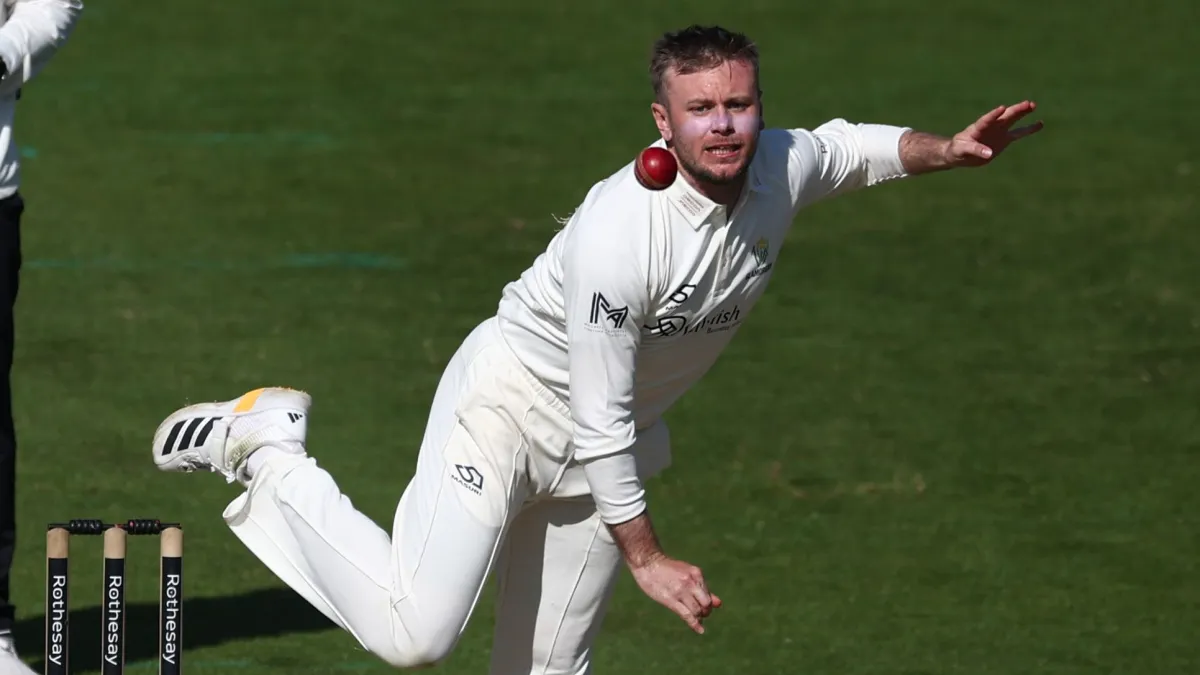
Chatting at a net session last week a fellow coach asked me a question to which I had no immediate answer. “Who was the best English spinner you faced?” he asked.
Now, this is not to denigrate the twirlers of that period between 1985 and 2003, because there were clearly some excellent spinners in the likes of John Emburey, Phil Edmonds, Phil Tufnell, Peter Such, John Childs, Ashley Giles, and Graeme Swann, as well as my Glamorgan colleague Robert Croft.
And there were a lot more spinners playing first-class cricket, with many teams employing two in every match. Just as an example I looked at the 1987 season where I was given a run of six County Championship matches by Glamorgan before being rightly dropped, and in four of those games the opposition selected at least two specialist spinners (Middlesex had Emburey and Edmonds, Surrey Keith Medlycott and Chris Bullen, and Gloucestershire had David Graveney and Jeremy Lloyds) and one of those teams, Northamptonshire, had three in Roger Harper, Nick Cook and Richard Williams.
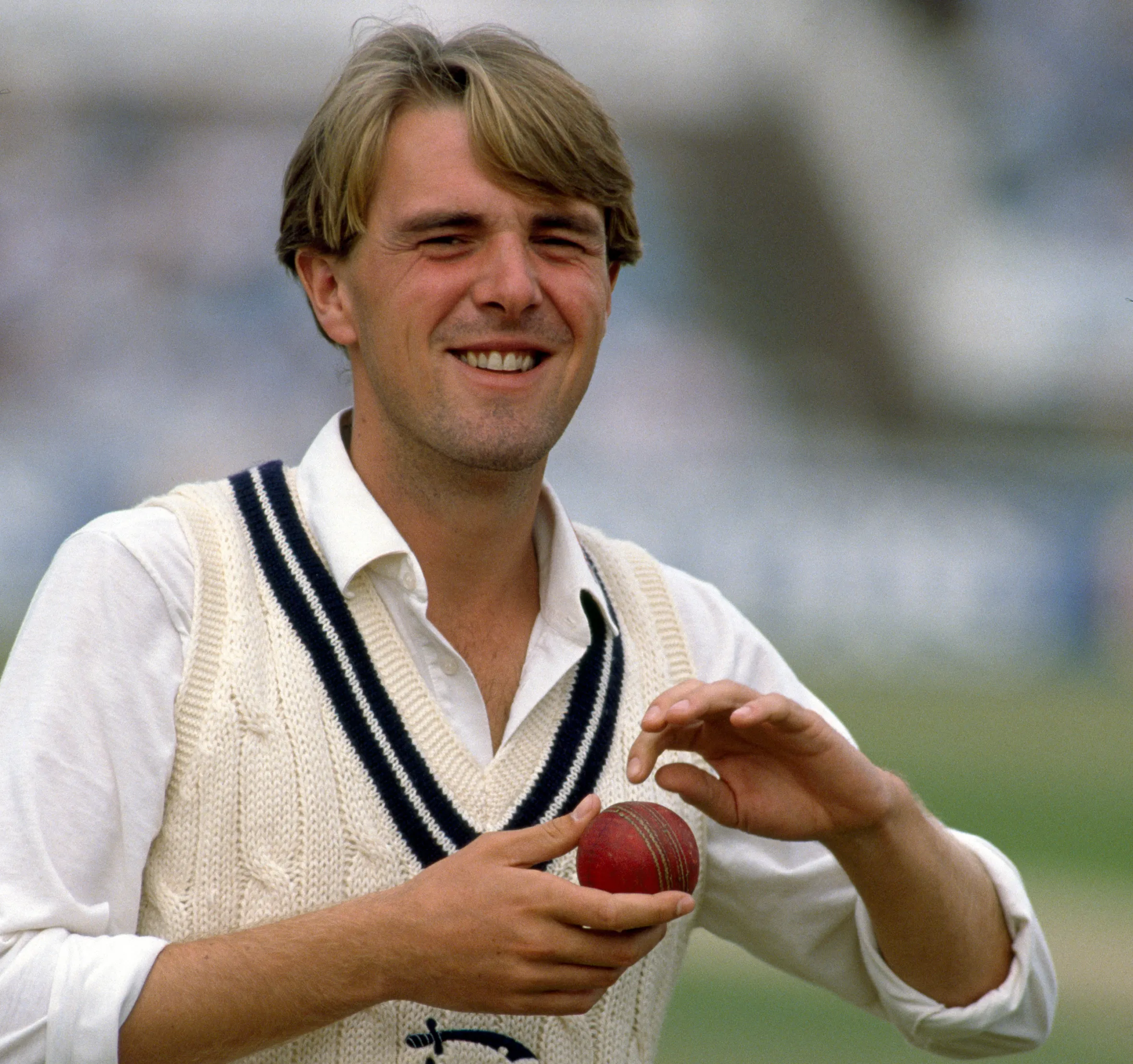 Tufnell took more than 1,000 wickets during his 16 years with Middlesex Getty
But the truth is that the greatest problems were encountered against the overseas spinners such as Muttiah Muralitharan, Mushtaq Ahmed, Shane Warne, Saqlain Mushtaq and Anil Kumble. Graham Gooch and Ian Botham called many county spinners “step-and-fetch-it” bowlers, and I was probably an example of a problem that still exists today in being relatively comfortable against spin until a pitch turned significantly or some mystery was involved.
For all their success at domestic level, the English spinners I played against did not deliver the same numbers in Test matches. For example, Emburey took his wickets at 26 and Edmonds at 25 domestically, but in international cricket Emburey’s average was 38 and Edmonds’ 34, Tufnell’s was nearly 38, Such’s 33, Giles’ 40 and Croft’s 37. Monty Panesar came later and his came at 37. So too Moeen Ali’s. Shoaib Bashir averages 39 (and 49 in first-class!), Jack Leach 34 (with his first-class number impressively around 28) and Dom Bess just under 34.
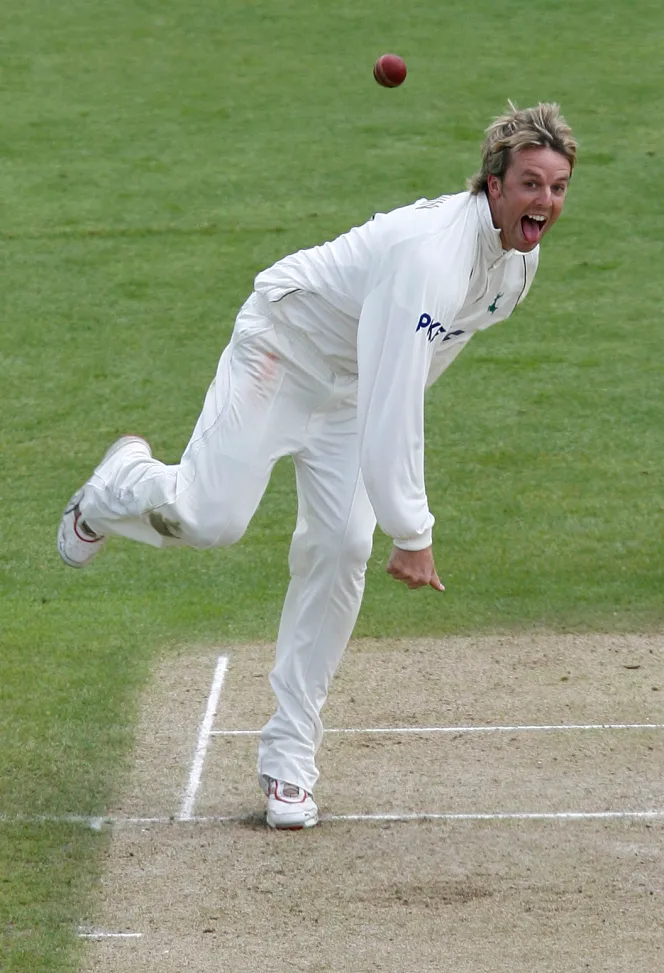 Swann is a rarity among English spinners in that he had a higher average in first-class cricket, for Northamptonshire and Nottinghamshire, than in Tests Getty IMAGES
Only Swann has averaged under 30 (and he averaged 32 in first-class) since the likes of Derek Underwood, Jim Laker and Tony Lock, so perhaps we need to be a little more realistic about English spinners and what we expect from them. As David Hopps once wrote: “The story of English spin bowling is a story of occasional triumph amid years of hardship.”
It was a debate into which Simon Harmer, the South African off spinner long settled at Essex, waded recently in a frank interview with the Guardian. “In England, generally your spinners are a bit of an afterthought,” he said. “It’s not a lack of resources, you’ve got 18 counties. But how many have a spin-bowling coach? Probably two or three.”
That is a damned good question. How many do have spin-bowling coaches? There are two former off spinners as county head coaches in Gareth Batty at Surrey and Richard Dawson at Glamorgan, while Salisbury is an assistant at Middlesex and Tom Smith was an assistant at Gloucestershire before joining England Women this year. Another left-arm spinner, Graeme White, is involved at Northamptonshire, as is former off spinner Matt Spriegel at Surrey, while the Glamorgan second-team coach is a former club leg spinner in Mark O’Leary.
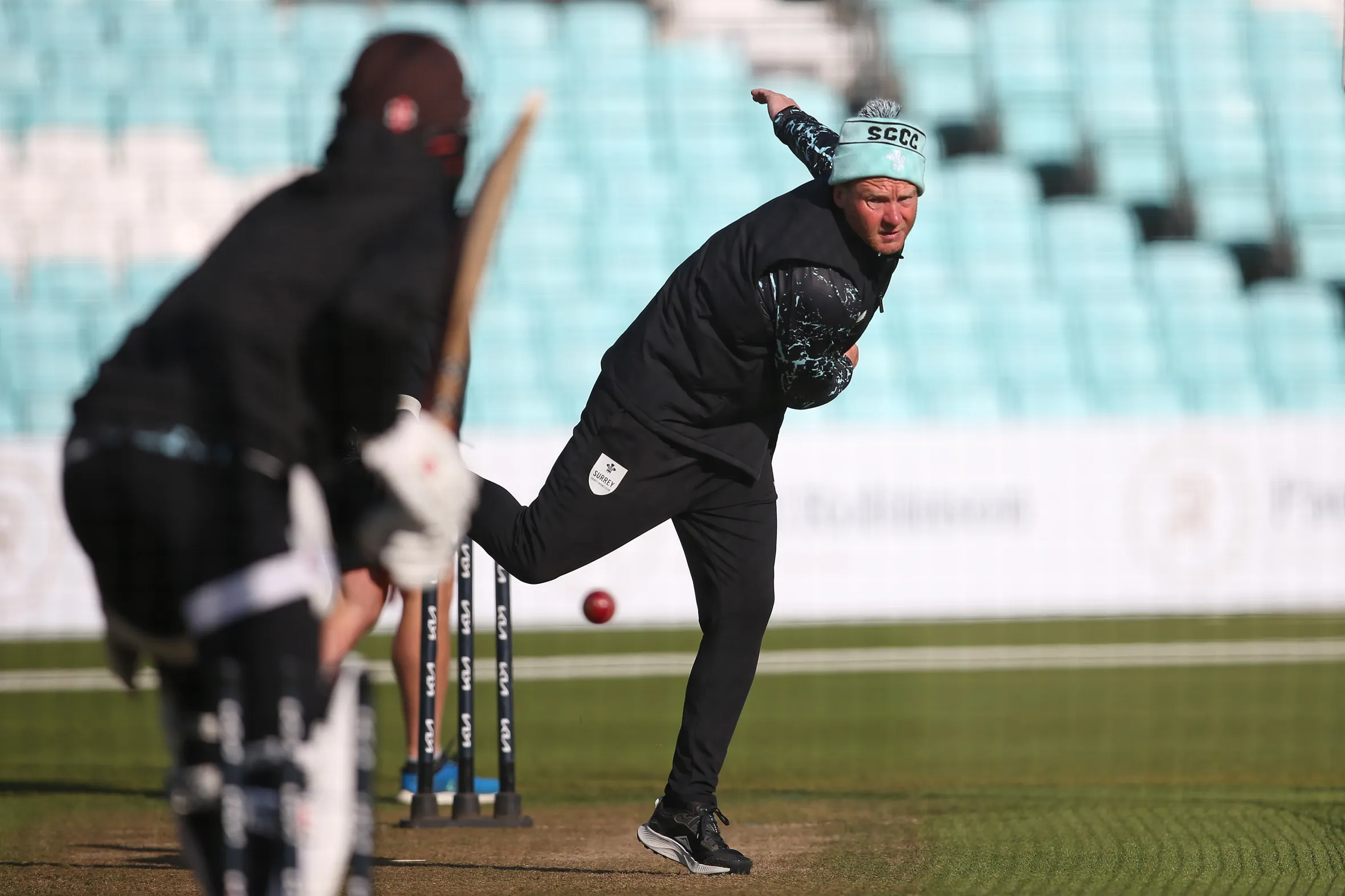 Batty, who played nine Tests, is now head coach at SurreyGetty
Presumably other consultants are used, but otherwise most of the bowling coaching is done by former quicks. My colleague Mike Atherton has written a wonderful piece on the possible resurgence of leg-spin bowling this season, but then in eight of the nine matches in this latest championship round teams winning the toss inserted the opposition. They were certainly not thinking about their spinners playing match-winning roles.
Much has changed, of course, since the days of Laker et al, with the Decision Review System probably being the only benefit to spinners amid the millstones of a crazy schedule, homogeneity of pitches and the belligerent blades of T20-infused batsmen using all manner of sweeps and reverse-sweeps.
I think the biggest problem with coaching spin has been an obsession with the pace at which younger players bowl. Ben Kellaway, the Glamorgan off spinner who can also bowl left-arm spin, was always described as bowling at an “adult pace” when younger and that is what is mostly sought. Some even develop kinks in their action when attempting as much, while most forget about actually spinning the ball.
But what I have often wondered is why more do not copy the double-arm twirl (the bowling arm goes round twice before release) used by Swann and Harmer (and Harbhajan Singh and Mushtaq Ahmed) in their actions? Don Shepherd, county cricket’s off-cutter extraordinaire, did the same. Is it considered too schoolboyish? Is it just too natural in these days of incessant drills and overcoaching?
None of this is for England now, however. They must decide exactly what they want in a spinner, while admitting that the complete deal like Swann is simply not out there. They embarked upon a long-term project with Bashir in the hope that he could become that, but both they and he lost confidence at the crucial moment of last winter’s Ashes.
In response England got caught between two stools in selecting Will Jacks, who is a decent batsman but, with an inconsistent action, not accurate nor incisive enough as a spinner. Had they wanted an attacking spinner who could bat they might have been better off picking Rehan Ahmed, and had they wanted a containing spinner then Liam Dawson (who had a shocker as an attacking spinner at Old Trafford last year) might have been their man. Kellaway is another option in that respect, as perhaps, are the two left-arm spinners, Nottinghamshire’s Liam Patterson-White or Sussex’s James Coles.
It was interesting, though, that last week on a club video Sussex coaches Paul Farbrace and Grant Flower selected their England teams for the first Test and went with neither Coles nor their off spinner Jack Carson but instead Somerset’s Leach. They didn’t select their captain Ollie Robinson either, with Flower in particular referencing his lack of fitness for a long Test.
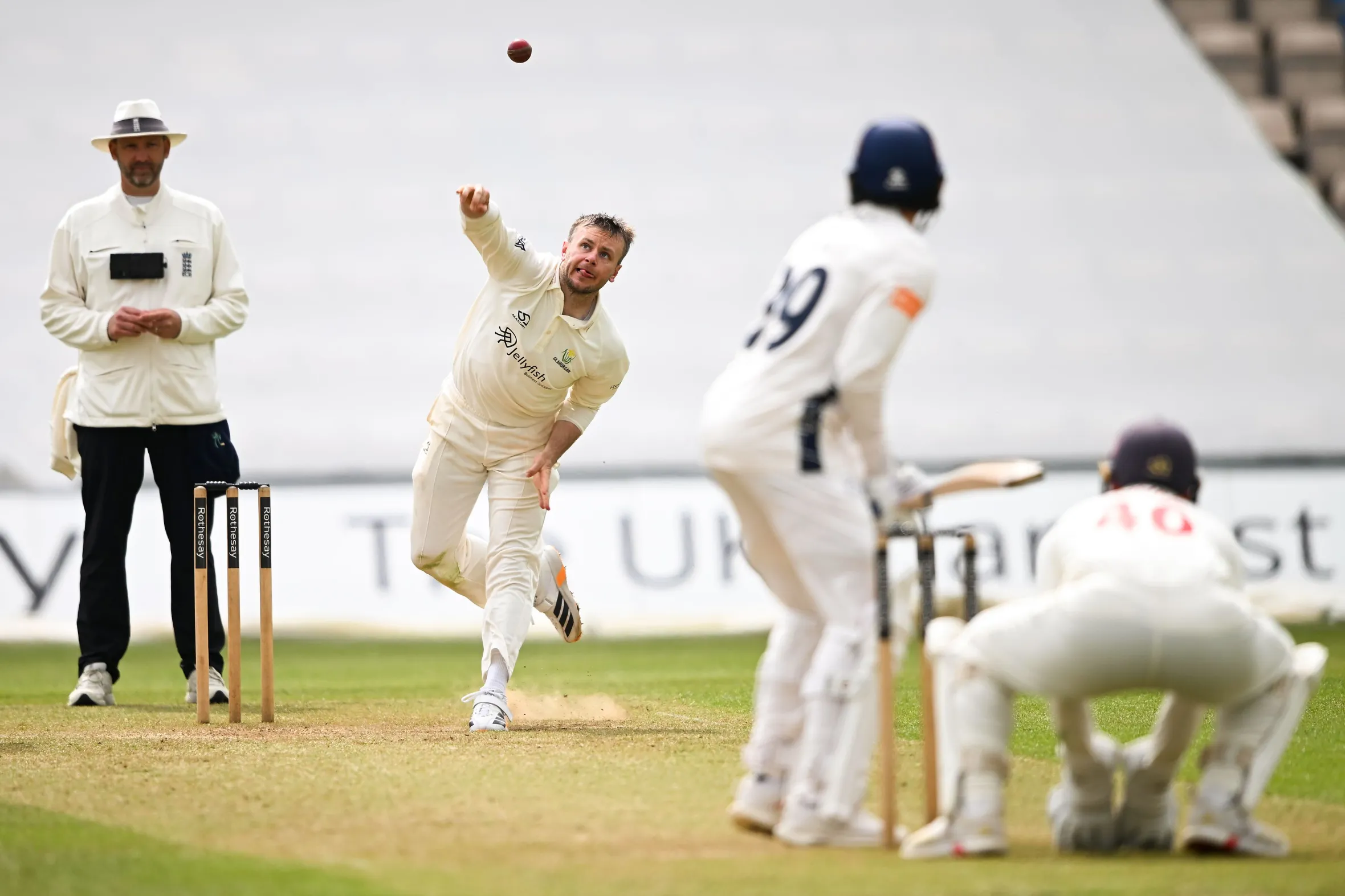 Crane has taken 18 wickets in his five championship matches for Glamorgan this seasonShutterstock Editorial
Robinson, or another containing seamer, could define the spin selection, because the presence of one of them could then permit the selection of an all-out attacking spinner. If so, then Glamorgan’s leg spinner Mason Crane is a no-brainer for me, despite much praise in these pages for Northamptonshire’s Calvin Harrison from Mr Atherton. Crane gives the ball a real rip, but he also bowls a lot of bad balls, as most leg spinners, Warne apart, do and did. He would need to be handled carefully, and at times shielded.
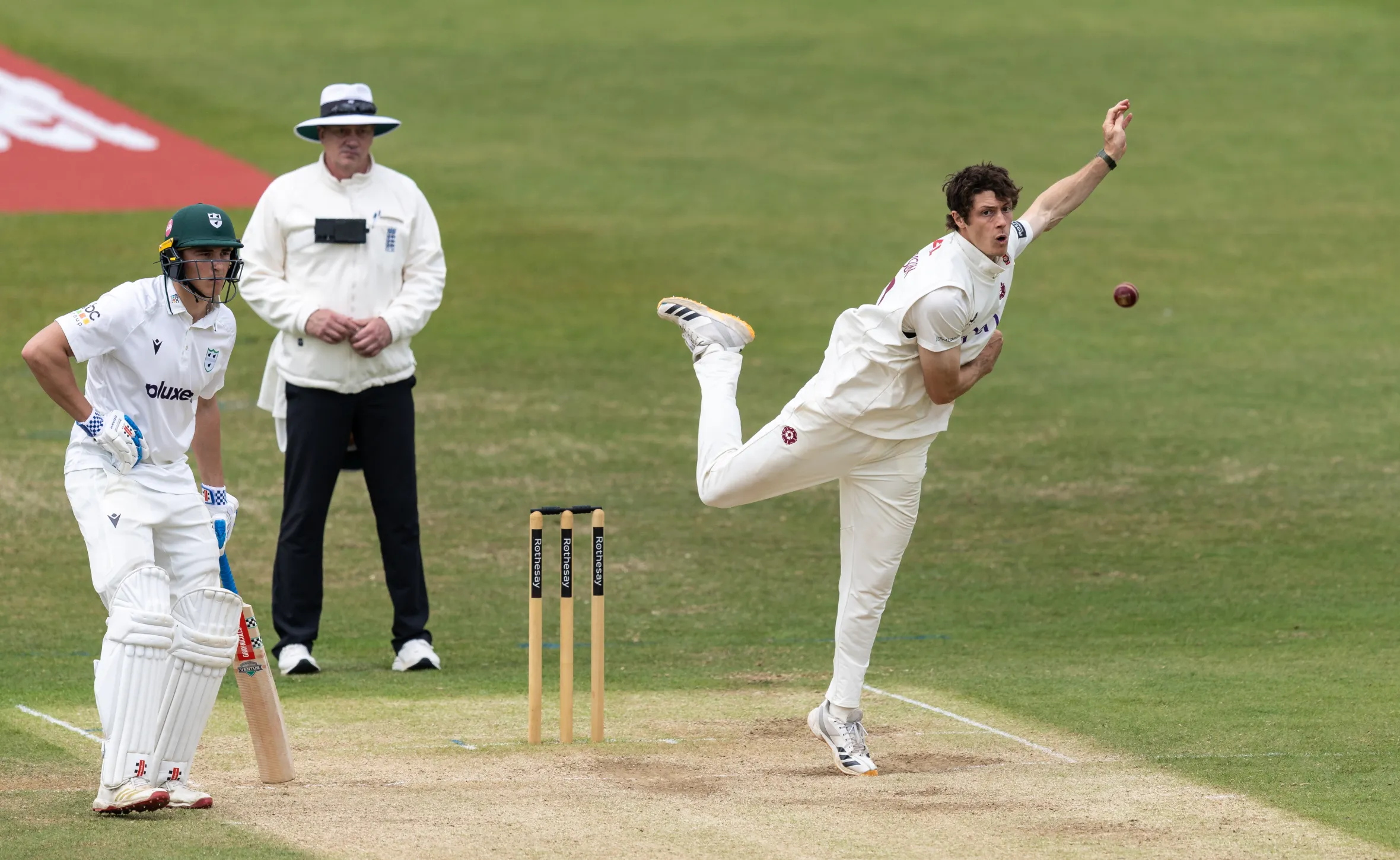 Harrison began the season well with five wickets against Lancashire but had less success in the most recent round of matches against WorcestershireGetty
Since Chris Woakes’ retirement England do not have a bowler necessarily at home batting at No8. Gus Atkinson and Brydon Carse have had their moments, but England paid for having them at eight and nine in the first Test at Perth last winter. So again that impacts this selection.
How much will it spin at Lord’s in the first Test? Plenty, might argue the expected new national selector, Marcus North, who is on the honours board there for his six off spinning second-innings wickets against Pakistan in 2010.
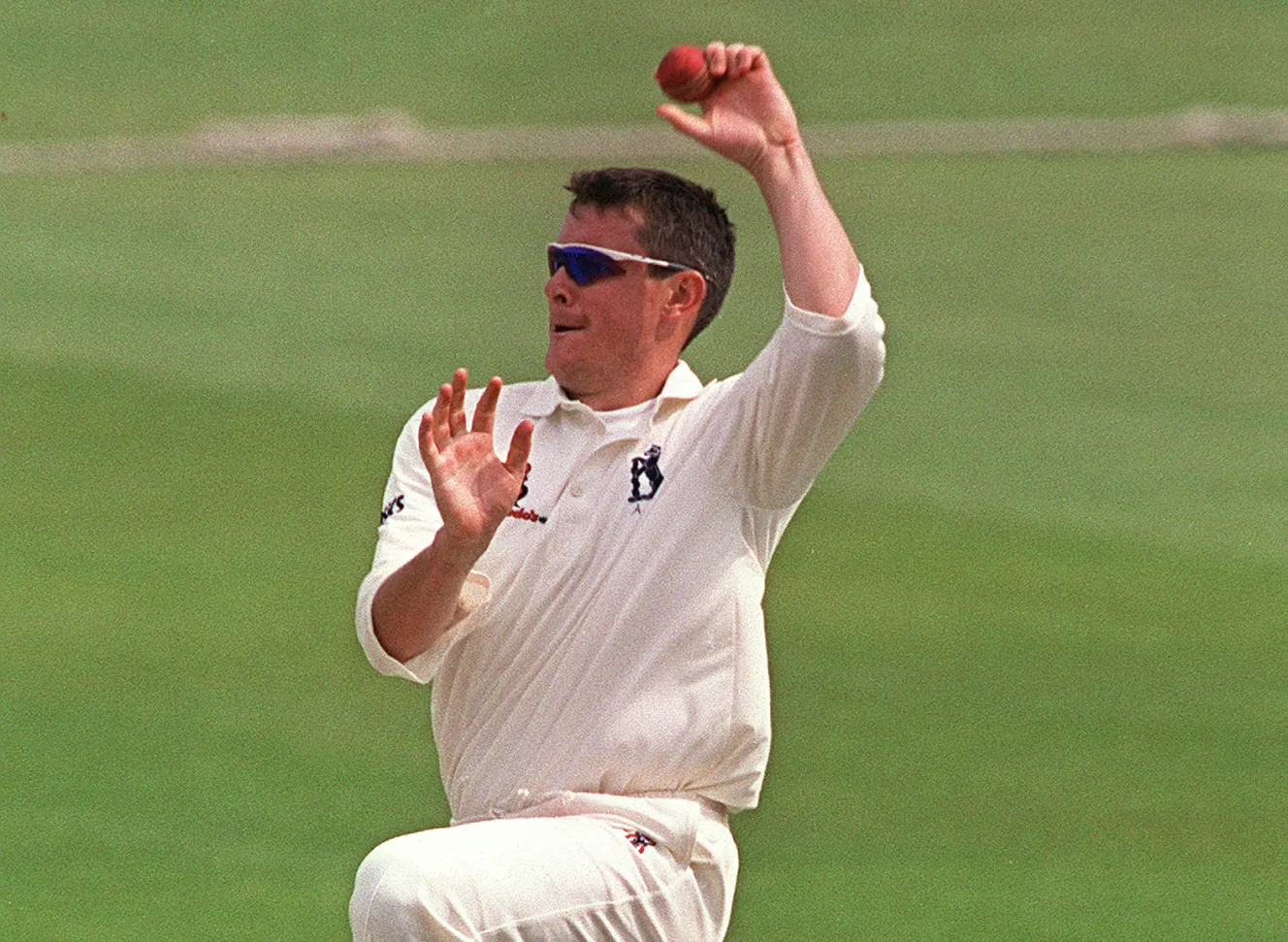 Giles, playing for Warwickshire, was part of England’s 2005 Ashes-winning squad, when his lower-order runs also proved vitalGetty
And the input of the new national pace bowling lead coach Troy Cooley will be interesting, as he was the bowling coach in the 2005 Ashes when head coach Fletcher went with the “all-round package” of Giles’ left-arm spin, gritty batting and safe gully catching.
Maybe England have to be as pragmatic as then. Could that even mean just relying on Joe Root’s off spin and Jacob Bethell’s left-arm stuff to allow the selection of another seamer?
As with the opening batsman’s slot, there is no obvious nor right answer here, as has been the case for a long, long time.