
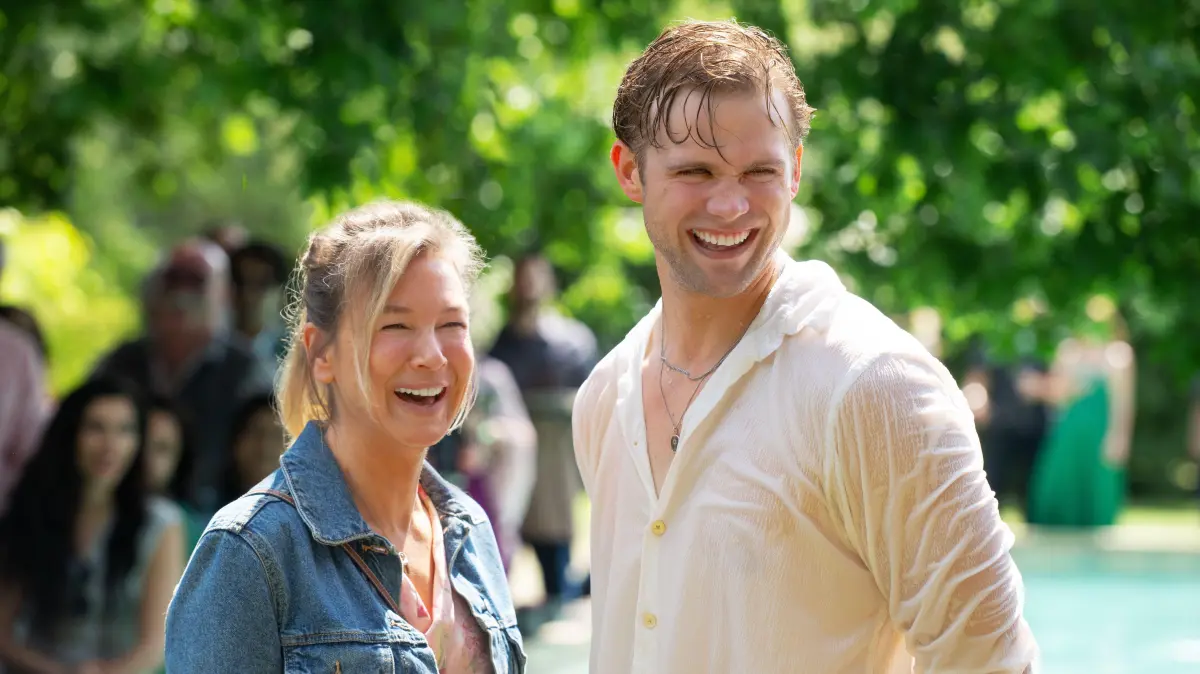
The Paddington films are about as British as you can get, right? They’re based on beloved British books, feature a largely homegrown cast headed by Ben Whishaw, Hugh Bonneville and Sally Hawkins, are mainly set and shot in London and were directed by the Hampshire-born Paul King and the Merseyside-born Dougal Wilson. OK, the bear is meant to be Peruvian but he sounds like he’s a barrister from Notting Hill and his credo of tolerance and politeness represents Britain at its best.
Yet, if you are talking in ruthless corporate terms, Paddington is also inescapably French. All three of the films were made by StudioCanal, the French studio that is the ninth biggest in the world and the biggest in Europe and which in 2016 bought the rights to the Paddington Bear brand. That’s just the tip of l’iceberg — StudioCanal also co-produced the Johnny English and Bridget Jones films, owns the intellectual property rights to Kind Hearts and Coronets and The Elephant Man and is developing reboots of The Wicker Man and The Avengers (the umbrella-twirling spy series with John Steed, not the superhero franchise). Should Paddington really be dining on sandwiches à la confiture? Will the new Steed be wearing a beret instead of a bowler? Is Johnny English actually Johnny French?
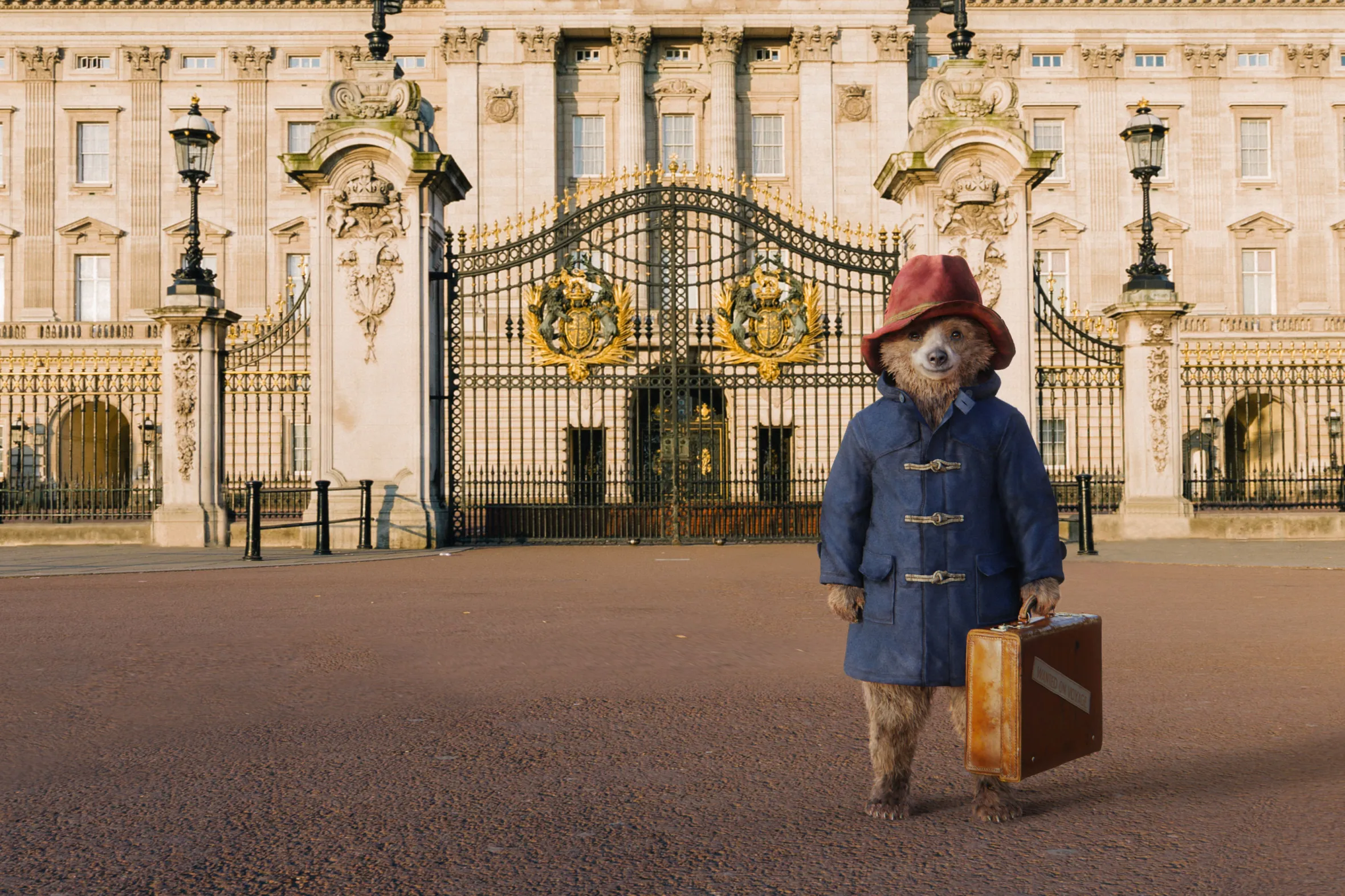 The three Paddington films were made by StudioCanalStudiocanal/PA
This Gallic takeover comes at a time when London has established itself as a dynamo of film and TV production, thanks to tax breaks, skilled English-speaking crews and accessibility to locations in Europe, North Africa and the Middle East. The emphasis is on production, though — the companies directing that production are mainly American — Disney, Warner Bros, Netflix — and, increasingly, French.
The latter include Banijay, the world’s biggest content producer and distributor, bar none. Headquartered in Paris, it owns British production companies including Kudos, which makes Peaky Blinders; Shine TV, home to MasterChef; and Tiger Aspect, which gave us Mr Bean and Harry Enfield and Chums. This year Banijay merged with All3Media, the British production giant behind The Traitors, Race Across the World and Sam Mendes’s forthcoming Beatles biopics.
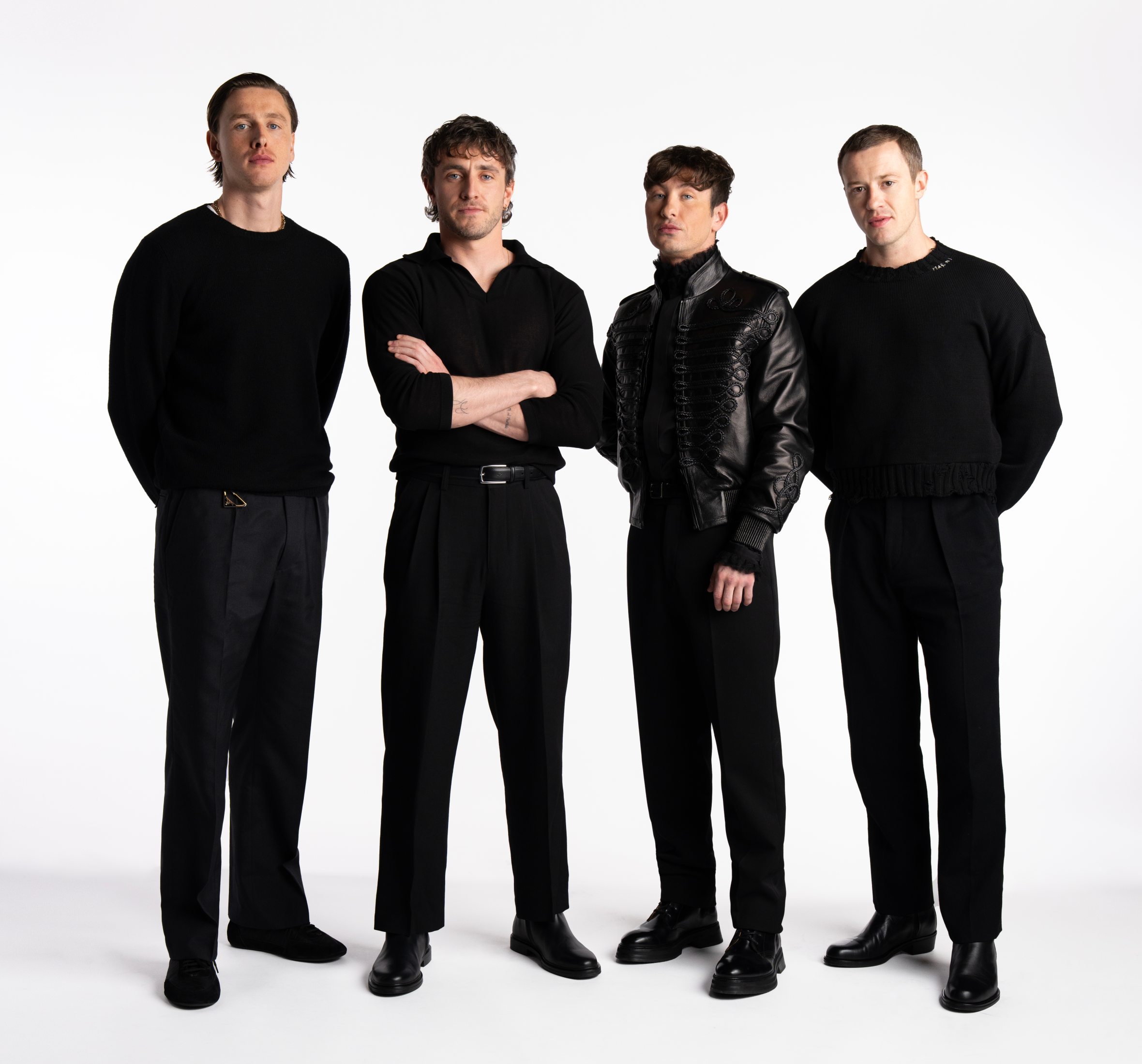 Harris Dickinson as John Lennon, Paul Mescal as Paul McCartney, Barry Keoghan as Ringo Starr and Joseph Quinn as George Harrison for Sam Mendes’s forthcoming Beatles biopicsJohn Russo/PA
Another French behemoth is Mediawan, which was conceived as an answer to the American media giants. With stakes in about a hundred production companies across 15 countries, Mediawan has an annual revenue of about £1.7 billion and its films grossed more than £740 million in 2024. It owns Drama Republic, which produced One Day for Netflix, and See Saw Films, which makes Slow Horses. More quintessentially British properties with super-savvy French owners.
Well placed to comment on this sea change is Jason Solomons, a British film writer and radio presenter who has moved into producing and whose forthcoming first feature, A Waiter in Paris, is an Anglo-French collaboration. The film, which Solomons is selling to international territories at the Cannes Film Festival this month, is based on the British writer Edward Chisholm’s book of the same name about his culinary misadventures in the French capital. It will start shooting in Paris in October with Leo Woodall of One Day and Bridget Jones: Mad About the Boy playing the titular waiter opposite the French actress Clémence Poésy (Fleur in the Harry Potter films) as the owner of a bistro.
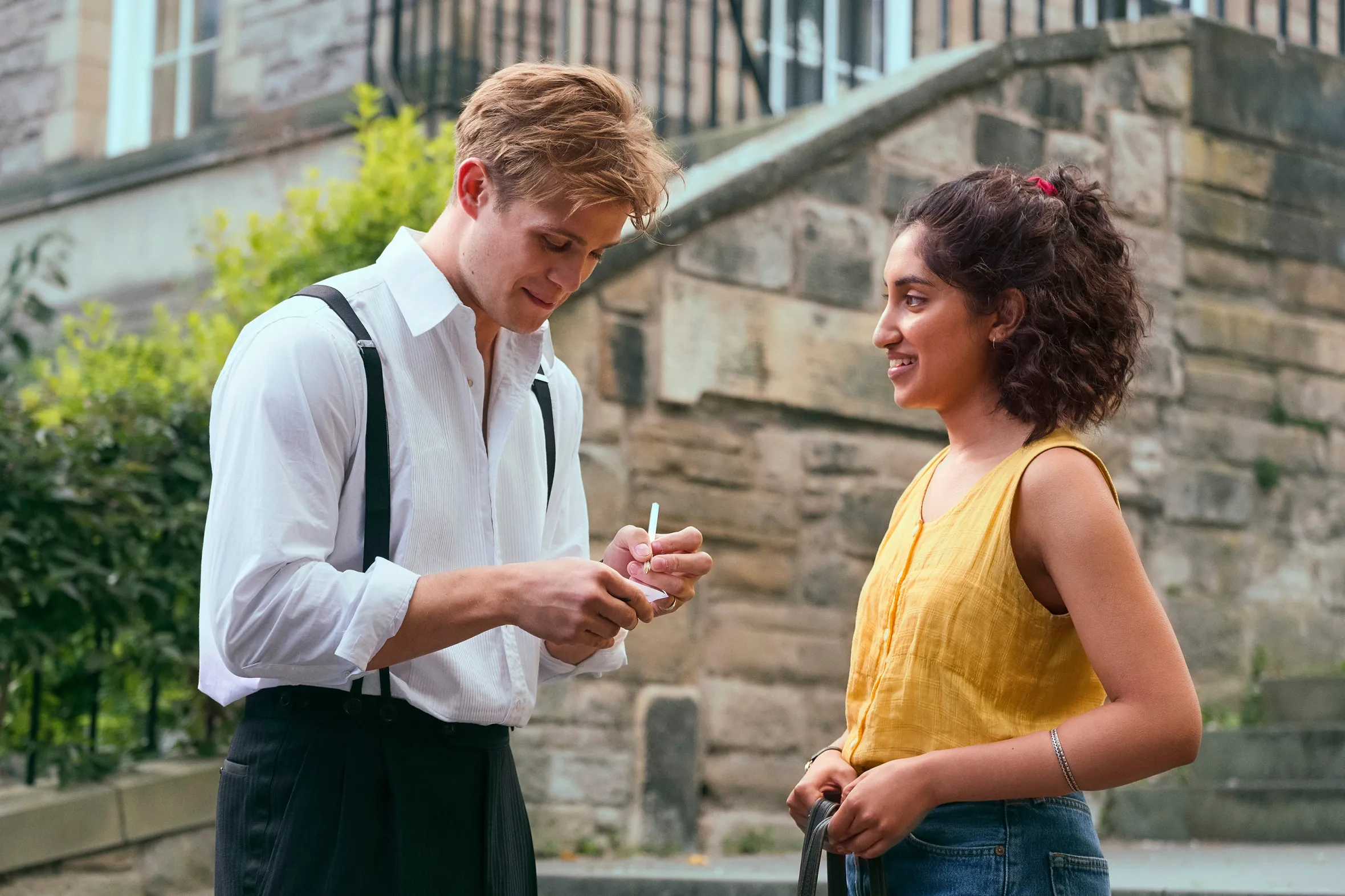 Woodall and Ambika Mod in Netflix’s One DayNetflix via AP
When Solomons was shopping his film around he got a strong sense of where the power now lies. “All these British producers I was trying to hook up with would say, ‘Well, our parent company is Mediawan,’ or, ‘We have a first-look deal with Banijay,’” he says.
A big reason for this wave of acquisitions is that British films and TV shows, with their language advantages, travel in a way that most French ones don’t. Although domestic cinema in France is in good health — five homegrown directors, Charline Bourgeois-Tacquet, Arthur Harari, Jeanne Herry, Emmanuel Marre and Léa Mysius, are in the running for the Palme d’Or at Cannes this year versus zero from the UK — their films are unlikely to make a big commercial splash outside France. Take the upcoming biopic of the French singer Johnny Hallyday, a French icon. It’s big news in France, as big as Sam Mendes’s Beatles films are here, but the global audience is likely to be small.
Even so, the likes of StudioCanal et al have an “intuitive understanding of audiences”, Solomons says, and film is in the French blood in the way that pop music and comedy are in the UK’s. Partly due to the language barrier, France has had to develop a self-sustaining ecosystem, which is enshrined in law. If you buy a cinema ticket in France, just over 10 per cent of each ticket goes back into the French film business.
The UK, meanwhile, has been “very susceptible to being colonised by Americans”, Solomons says. Working Title, the production company behind Bridget Jones and Four Weddings and a Funeral, has been hugely successful, but had to “get into bed” with Universal. Working Title has worked with the American studio for 25 years and has a deal offering it first dibs on upcoming films.
“Being French-owned is probably a good thing in general for the quality of the content,” Solomons says. “When you go around to French producers, the first thing they ask is, ‘Who’s directing?’ and the second thing is, ‘Who’s the cinematographer?’ Americans barely give a shit about that kind of stuff, and the Brits don’t ask very often.”
Despite shooting in France, A Waiter in Paris doesn’t have French backing — probably, Solomons thinks, because it was not deemed British enough. The French studios like their British films to be really British — think StudioCanal’s Amy Winehouse biopic Back to Black or Pathé’s The Duke, in which Jim Broadbent played a Geordie art thief.
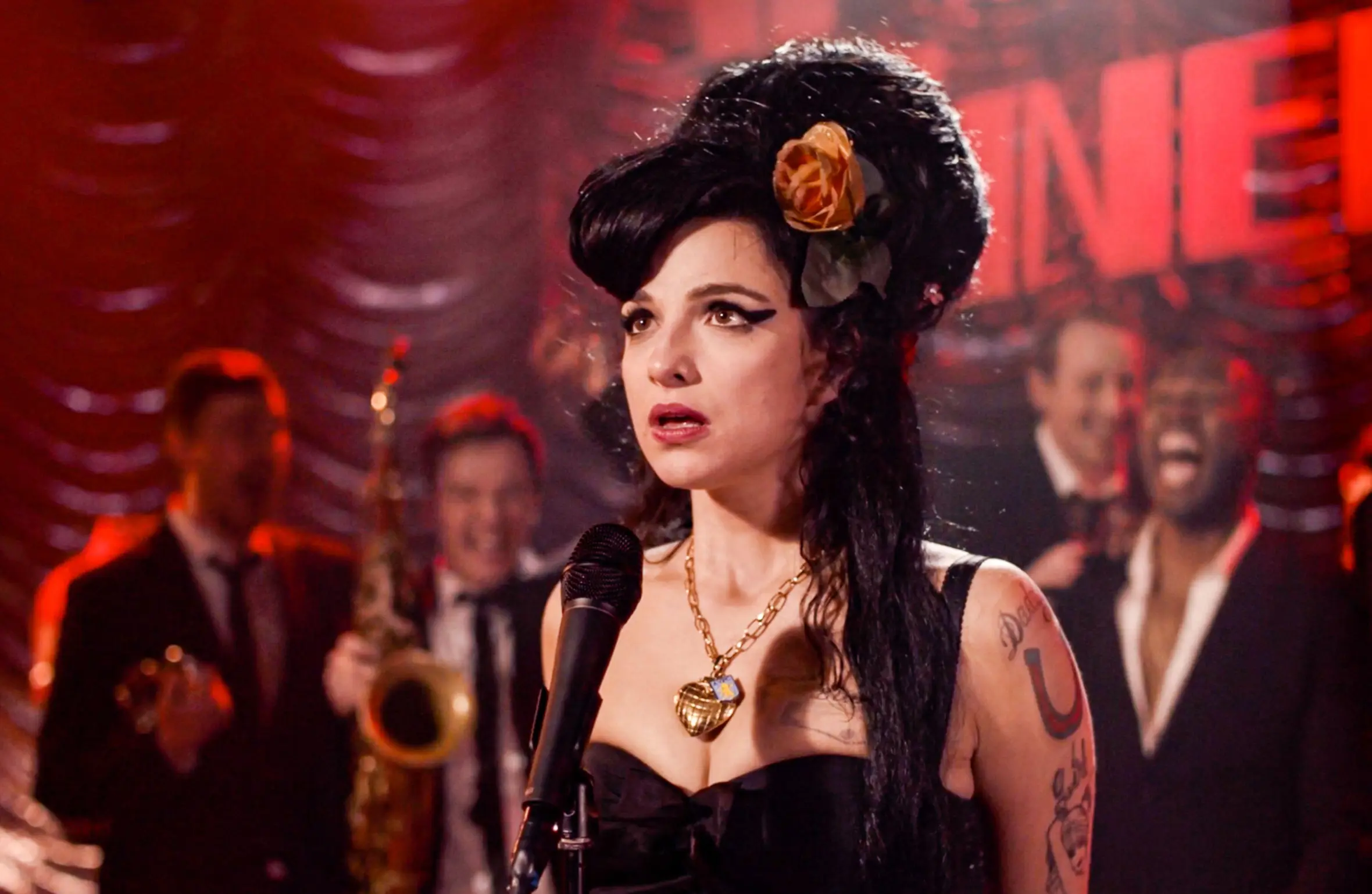 Marisa Abela as Amy Winehouse in Back to BlackAlamy
Could the UK develop a media giant to rival StudioCanal, Banijay or Mediawan? Not in the immediate future. Sky is worth an estimated £5 billion but it is owned by an American company, Comcast. The BBC has the reach and the reputation but it hasn’t adapted to the digital landscape as quickly as the big boys on the other side of the Channel. A Waiter in Paris was partly financed by BBC Film, but the latter’s annual budget has remained at about £12 million a year for the past decade and that of Film4 shrank from £25 million to £22.5 million in 2024. So if you’re a British producer looking to finance your future blockbuster, the choice is simple: Hollywood muscle or French va-va-voom.