
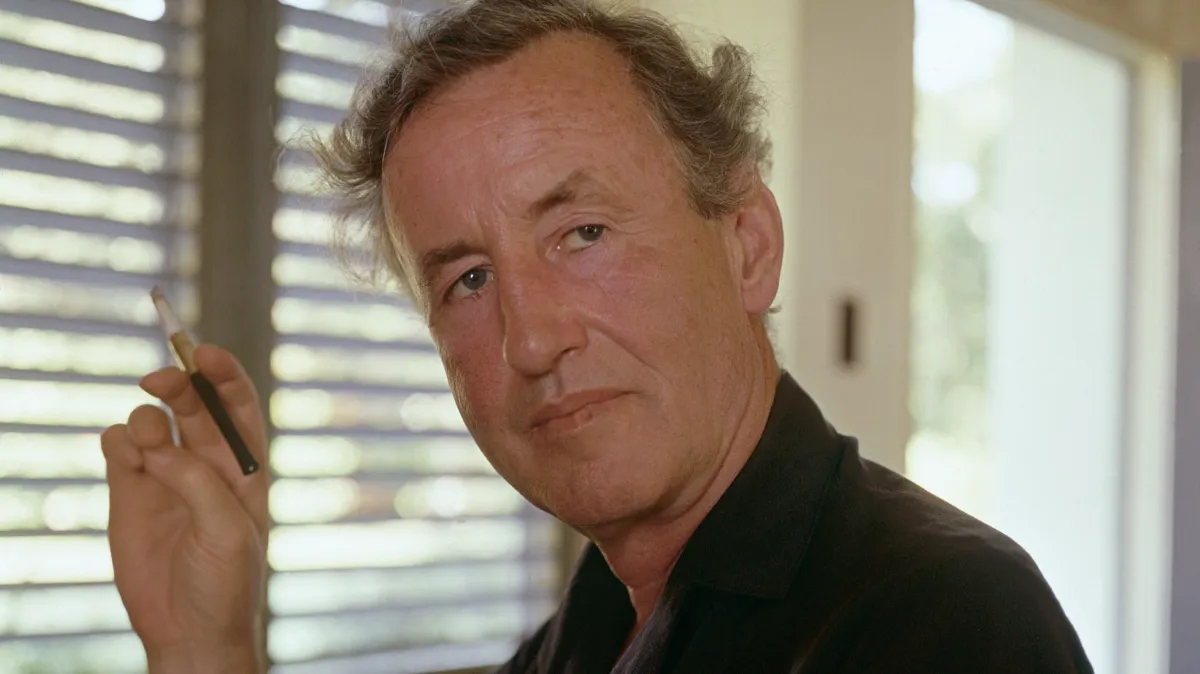
Watch Ian Fleming and the Curse of James Bond (Sky Arts) — for anyone who loves Bond it’s a must — and it’s clear that when it comes to cosmopolitan cool, still no one does it better. See Sean Connery’s Bond laconically order down his hotel room telephone, “Green figs. Yoghurt. Coffee, very black,” and you don’t just immediately want to imitate him saying it, you want to book a trip to Istanbul and order that very breakfast.
While others struggle with the impossible task of dreaming up a way for Bond to be relevant in the 2020s, this alluring documentary reminds you of several things: why you loved the character in the first place; why, in a way, he was the spy who killed his creator; and why Jamaica was such a part of 007.
As much as Bond evokes Mayfair gentlemen’s clubs and Côte d’Azur casinos, there’s a heady Caribbean flavour running through the stories: “Crab Key” in Dr No, “San Monique” in Live and Let Die, the Bahamas in Thunderball. The exotic heat and a languid kind of danger are part of Bond at his most captivating. Fleming famously named the spy after the author of Birds of the West Indies on his bookshelf, then wrote all the novels from his Goldeneye retreat on Oracabessa Bay — 12 books (and two short-story collections) in 13 years, which fair broke him. His hero became his villain, the stress of feeding demand for more Bond devouring him.
That’s the melancholic theory of Adam Low’s film (hence the title), a biography full of diverting insights, not just from such high-calibre contributors as Ralph Fiennes and William Boyd but also Fleming’s own family. Even his gardener, who reveals the author’s love of the local sea urchin dish and how he used to feed the octopus on his reef with conches (this was not long before he wrote Octopussy).
The readings by Helena Bonham Carter that punctuate the film show that Fleming was not wanting for descriptive imagination. Take this extract from Live and Let Die, where on Bond’s underwater journey to the villain’s lair the reef’s hostility presages the destination: “Anemones with crimson centres waved their velvet tentacles at him, a colony of black sea-eggs moved their toledo-steel spines in sudden alarm and a hairy sea-centipede halted in its hundred strides and questioned with its eyeless head.”
TV newsletter
What to watch or stream, plus news and reviews from our small-screen experts.
Sign up with one click
If Fleming’s natural home was Boodle’s in St James’s and the Royal St George’s Golf Club in Kent, Fifties Jamaica was this man of empire’s love affair — a paradisal contrast to Labour austerity back in Britain and a place that was “in some ways, colonialism’s last stand”, as the author Marlon James puts it here. 007’s world was one of old certainties — Bond’s Britain for ever the senior partner to Felix Leiter’s America — and as such consoled its creator as much as the pressures of writing about it exhausted him.
In his later years Fleming at last found fame yet the author described it as nothing more than “ashes, dear boy, ashes”. Stress contributed to his death at 56 from a heart attack (although probably more so his 70-a-day smoking habit). Yet the curse took another victim in his only son, Caspar, who, deeply affected by his father’s death on his 12th birthday, killed himself 11 years later.
It’s a tragic note for the film to end on, though it doesn’t detract from this being an intoxicating immersion in Fleming flavours. A world not just of spies, sex and danger, but of tropical humidity, bird-watching books and sundowners as Noël Coward’s Sail Away plays on the gramophone.
★★★★☆
Available on Sky/Now
Love TV? Discover the best shows on Netflix, the best Prime Video TV shows and the best Apple TV+ shows. Don’t forget to check our critics’ choices to watch and our comprehensive TV guide, plus our look at the finest films and TV shows this month