
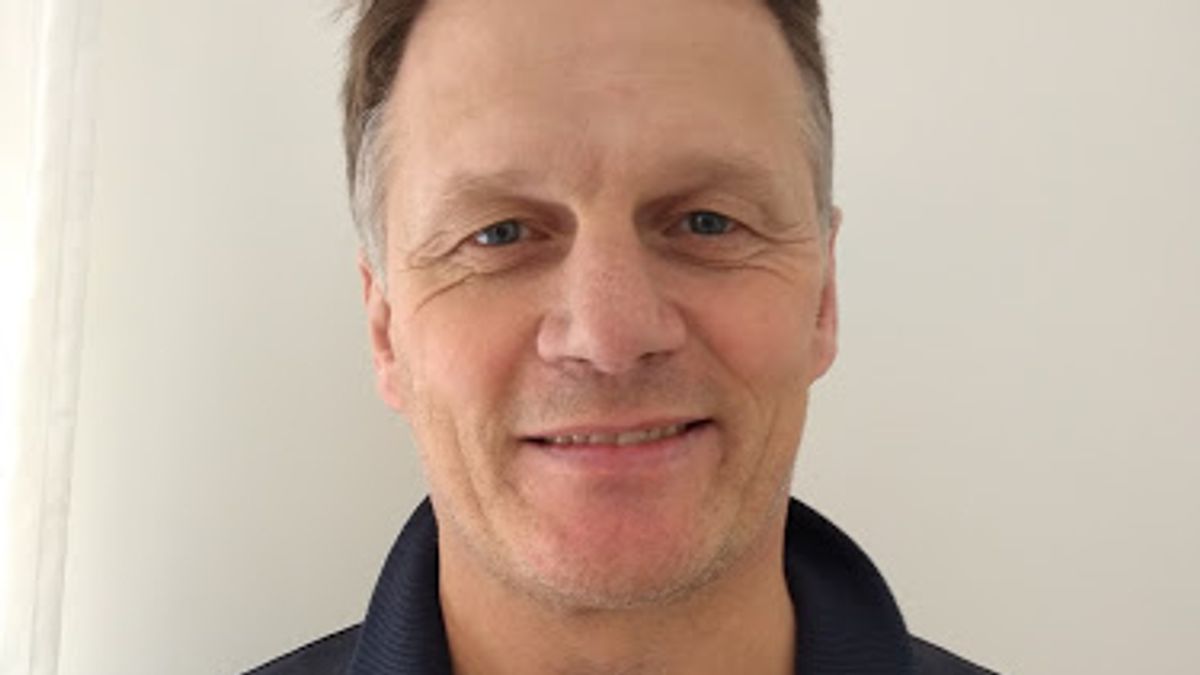
Tributes have been paid to a local legend of the South West football scene who has passed away following a long battle with frontotemporal dementia.
Darren Wills was a former player, captain and assistant manager at Torpoint AFC as well as a player and supporter for Plymouth Parkway. He played football for various clubs in Cornwall and Plymouth, including Saltash, Falmouth, Launceston, Milbrook and Torpoint.
Now, seven years later, he has passed away from the condition, with tributes being paid to him from the football family across the region.
In a tribute, Torpoint AFC said: “Torpoint AFC are extremely saddened to hear of the passing of former player, captain and assistant manager Darren Wills following a long battle with frontotemporal dementia.
“Darren was a hugely respected and ever-present figure within the local football community prior to his diagnosis, and we were always delighted to welcome him and his father, Rob, back to The Mill whenever we could. Our thoughts and deepest condolences are with Darren’s family and friends at this difficult time.”
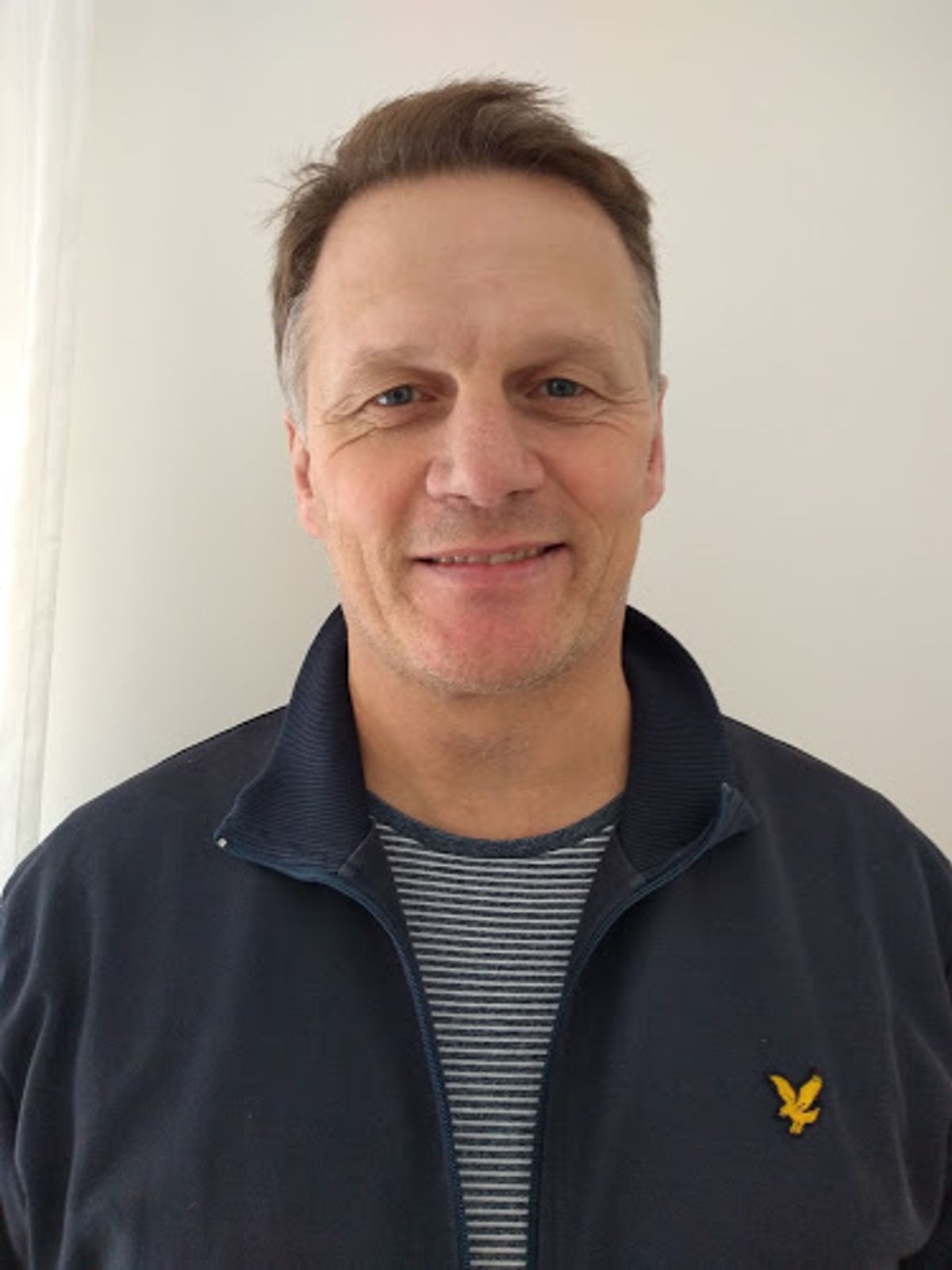
Darren Wills(Image: Submitted)
Plymouth Parkway in a post added: “Plymouth Parkway are deeply saddened to learn of the passing of former player and supporter, Darren Wills.
“During the early years of Plymouth Parkway, it was clear Darren possessed a real talent for the game. A commanding centre-back, Darren was admired not only for his footballing ability, but for the person he was away from the pitch.”
Vice Chairman Gez Baggott added: “Wonderful man and an extremely talented footballer. One of the nicest young men I ever met, and I always knew he would go on to play at a higher level.”
Over the past three seasons, Darren remained part of the Parkway family, continuing to attend matches at Bolitho Park whilst bravely battling Frontotemporal dementia, supported every step of the way by his incredible carers.
His final match at Bolitho came during the memorable 3-3 draw against Havant & Waterlooville last season. In his memory, former teammate and close friend Mark Bishop will be running the Plymouth 10k to raise money for St Luke’s.
Tributes poured in from wellwishers on the social media posts. One said: “What an unbeliever player, man and captain. Played a huge part in my life when I was coming through at Torpoint as a 16 year old, on and off the pitch. Rest in peace Willsey.”
Another added: “One of the nicest blokes I’ve ever met – Was great for all us young lads coming through the club at 16. Rest in peace Darren”
A third said: “Such sad news. Taken far too soon. Had the pleasure of playing with him when I was first learning what men’s football was all about. What a captain and man. RIP Willsy”.
A fourth said: “Very sad to hear this news. Top player, and a top bloke. Loved by all his teammates and respected by all of his opponents, and a great lad off the pitch too. RIP Willsy”
A fifth added: “RIP Darren it was a pleasure to no you and played with you gone to soon”
What is FTD?
The below information has been provided by the NHS.
Frontotemporal dementia is an uncommon type of dementia that mainly affects the front and sides of the brain (frontal and temporal lobes) and causes problems with behaviour and language.
Dementia is the name for problems with mental abilities caused by gradual changes and damage in the brain.
Dementia mostly affects people over 65, but frontotemporal dementia tends to start at a younger age. Most cases are diagnosed in people aged 45-65, although it can also affect younger or older people.
Like other types of dementia, frontotemporal dementia tends to develop slowly and get gradually worse over several years.
What is frontotemporal dementia?Symptoms of frontotemporal dementia
Signs of frontotemporal dementia can include:
personality and behaviour changes – acting inappropriately or impulsively, appearing selfish or unsympathetic, neglecting personal hygiene, overeating, or loss of motivationlanguage problems – speaking slowly, struggling to make the right sounds when saying a word, getting words in the wrong order, or using words incorrectlyproblems with mental abilities – getting distracted easily, struggling with planning and organisationmemory problems – these only tend to occur later on, unlike more common forms of dementia, such as Alzheimer’s disease
There may also be physical problems, such as slow or stiff movements, loss of bladder or bowel control (usually not until later on), muscle weakness or difficulty swallowing.
These problems can make daily activities increasingly difficult, and the person may eventually be unable to look after themselves.
Read more about the symptoms of frontotemporal dementia.
Getting medical advice
See your GP if you think you have early symptoms of dementia. If you’re worried about someone else, encourage them to make an appointment with their GP and perhaps suggest you go with them.
Your GP can do some simple checks to try to find the cause of your symptoms, and they can refer you to a memory clinic or another specialist for further tests if needed.
Read more about getting a dementia diagnosis.
Tests for frontotemporal dementia
There’s no single test for frontotemporal dementia.
The following may be needed to make a diagnosis:
an assessment of symptoms – it’s normally helpful to have somebody who knows the person well to give an account of their symptoms, especially as someone with frontotemporal dementia may not be aware of changes in their behaviouran assessment of mental abilities – this will usually involve a number of tasks and questionsblood tests – to rule out conditions with similar symptomsbrain scans – such as an MRI scan, a CT scan or a PET scan; these can detect signs of dementia and help identify which parts of the brain are most affected, or help rule out other problems with the brainlumbar puncture – to test the spinal fluid; this may be useful to rule out Alzheimer’s disease as the cause of symptoms
Read more about the tests used to diagnose dementia.
Treatments for frontotemporal dementia
There’s currently no cure for frontotemporal dementia or any treatment that will slow it down.
But there are treatments that can help control some of the symptoms, possibly for several years.
Treatments include:
medicines – to control some of the behavioural problemstherapies – such as physiotherapy, occupational therapy, and speech and language therapy for problems with movement, everyday tasks and communicationdementia activities – such as memory cafés, which are drop-in sessions for people with memory problems and their carers to get support and advicesupport groups – who can offer tips on managing symptoms from dementia experts and people living with frontotemporal dementia, and their families
Read more about how frontotemporal dementia is treated.
Outlook for frontotemporal dementia
How quickly frontotemporal dementia gets worse varies from person to person and is very difficult to predict.
People with the condition can become socially isolated as the illness progresses. They may not want to spend time in the company of others, or may behave in rude or insulting ways.
Home-based help will usually be needed at some stage, and some people will eventually need care in a nursing home.
The average survival time after symptoms start is around eight years. But this is highly variable and some people live much longer than this.
If you or a loved one has been diagnosed with dementia, remember you’re not alone. The NHS and social services, as well as voluntary organisations and specialist support groups, can provide advice and support for you and your family.
Causes of frontotemporal dementia
Frontotemporal dementia is caused by clumps of abnormal protein forming inside brain cells. These are thought to damage the cells and stop them working properly.
The proteins mainly build up in the frontal and temporal lobes of the brain at the front and sides. These are important for controlling language, behaviour, and the ability to plan and organise.
It’s not fully understood why this happens, but there’s often a genetic link. About one in every three people with frontotemporal dementia has a family history of dementia.
If you have a family history of frontotemporal dementia, you may want to consider talking to your doctor about being referred to a geneticist and possibly having a genetic test to see if you’re at risk.
There’s a lot of research being done to try to improve understanding of the causes of frontotemporal dementia so treatments can be discovered.
If you’re interested in helping with research, you can speak to your doctor or register your interest on Join Dementia Research.
Other names for frontotemporal dementia
Doctors sometimes use different names to describe frontotemporal dementia. These include:
FTDPick’s diseasefrontal dementiafrontotemporal lobar degenerationbehavioural variant frontotemporal dementiaprimary progressive aphasiasemantic dementiaprogressive non-fluent aphasia
More detailed information about these different terms and types of frontotemporal dementia can be found on the FTD Talk website.