
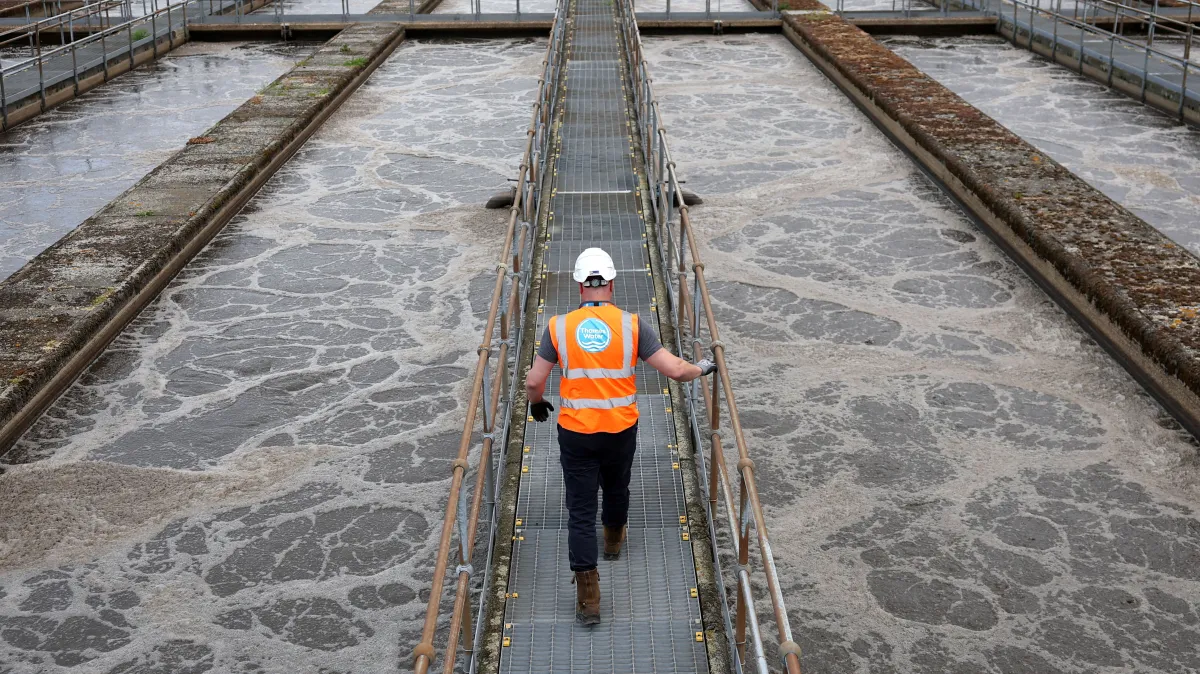
The water industry’s record on pollution in 2025 was on a par with the worst year on record despite better weather, an unpublished government assessment has found.
Water companies scored their lowest environmental performance rating in 2024 since a star-rating scheme started 14 years ago. The Environment Agency attributed the failings to wet weather, ageing infrastructure and increased inspections.
However, the star ratings for the 2025 Environmental Performance Assessment (EPA), run by the Environment Agency, will show what a source said was “a similar picture” to 2024.
The 2025 ratings are not due to be published until later this year. The source, who has knowledge of the data, said serious pollution incidents by water firms remained “stubbornly high” last year, in line with what they called the “horrible” performance in 2024.
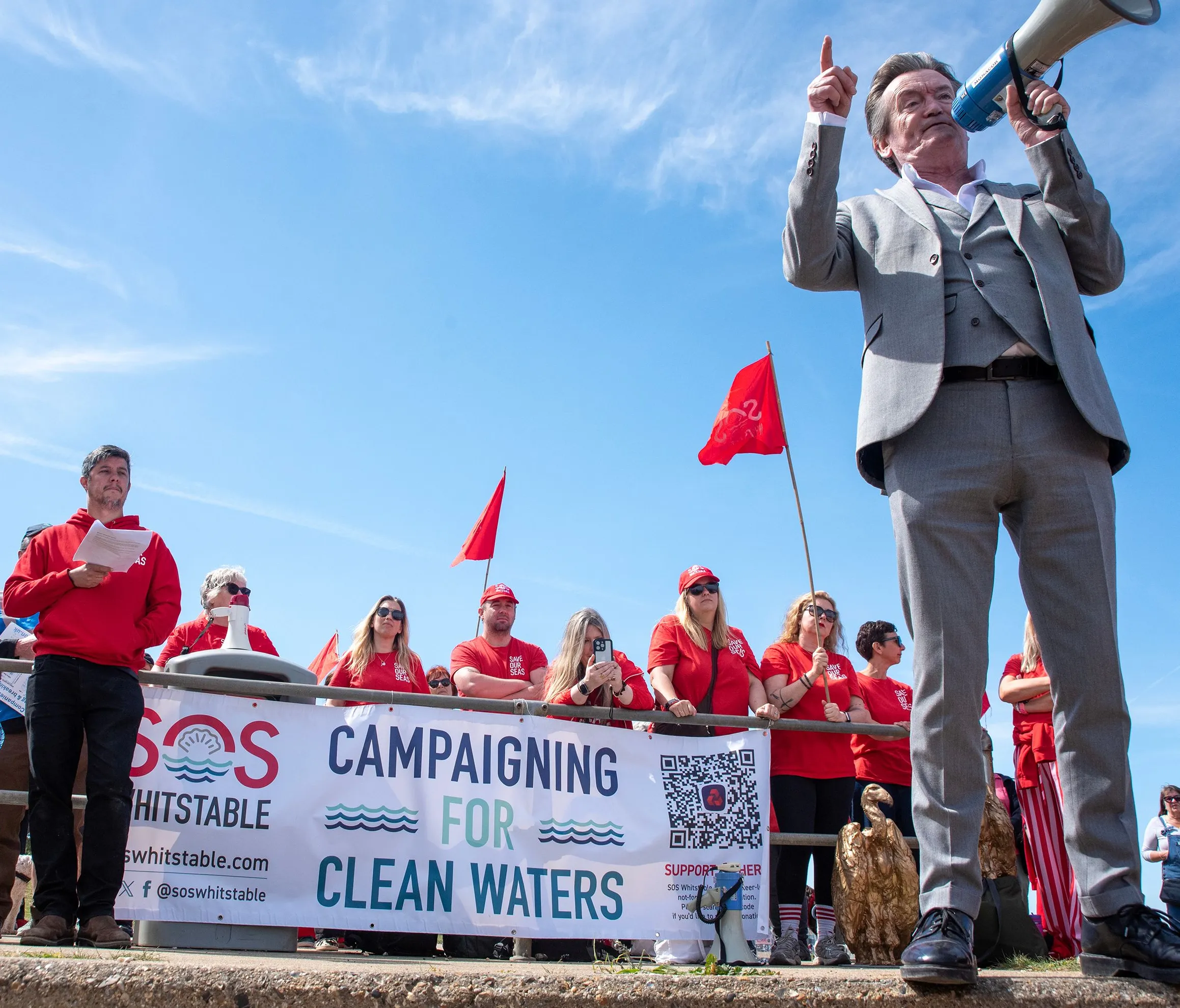 Singer Feargal Sharkey joins protesters at Tankerton Beach in Whitstable, where Southern Water discharged sewage, in AprilKrisztian Elek/SOPA Images/Shutterstock
They said the sustained problems were especially troubling because there was less stormy weather and fewer intense periods of rainfall last year. Downpours can trigger raw sewage discharges in rivers and seas from relief valves on the sewer network, sometimes leading to serious pollution incidents.
Last year had a very dry spring and summer, which the source said removed any “rational reason” for the high number of incidents.
The continued failings during Labour’s first calendar year in power came despite ministers passing the Water (Special Measures) Act, which banned bonuses at the most egregiously-polluting companies.
In 2024, Thames Water received just one star out of four and Severn Trent was the only company to win four stars. There were 75 serious pollution incidents in 2024, up from 47 in 2023. Thames was responsible for 33.
The source suggested that the number of serious pollution incidents in 2025 will be at least as bad. “It’s not where we’d like it to be at all,” they said.
The revelation suggests several water chief executives will again have to forgo bonuses worth hundreds of thousands of pounds.
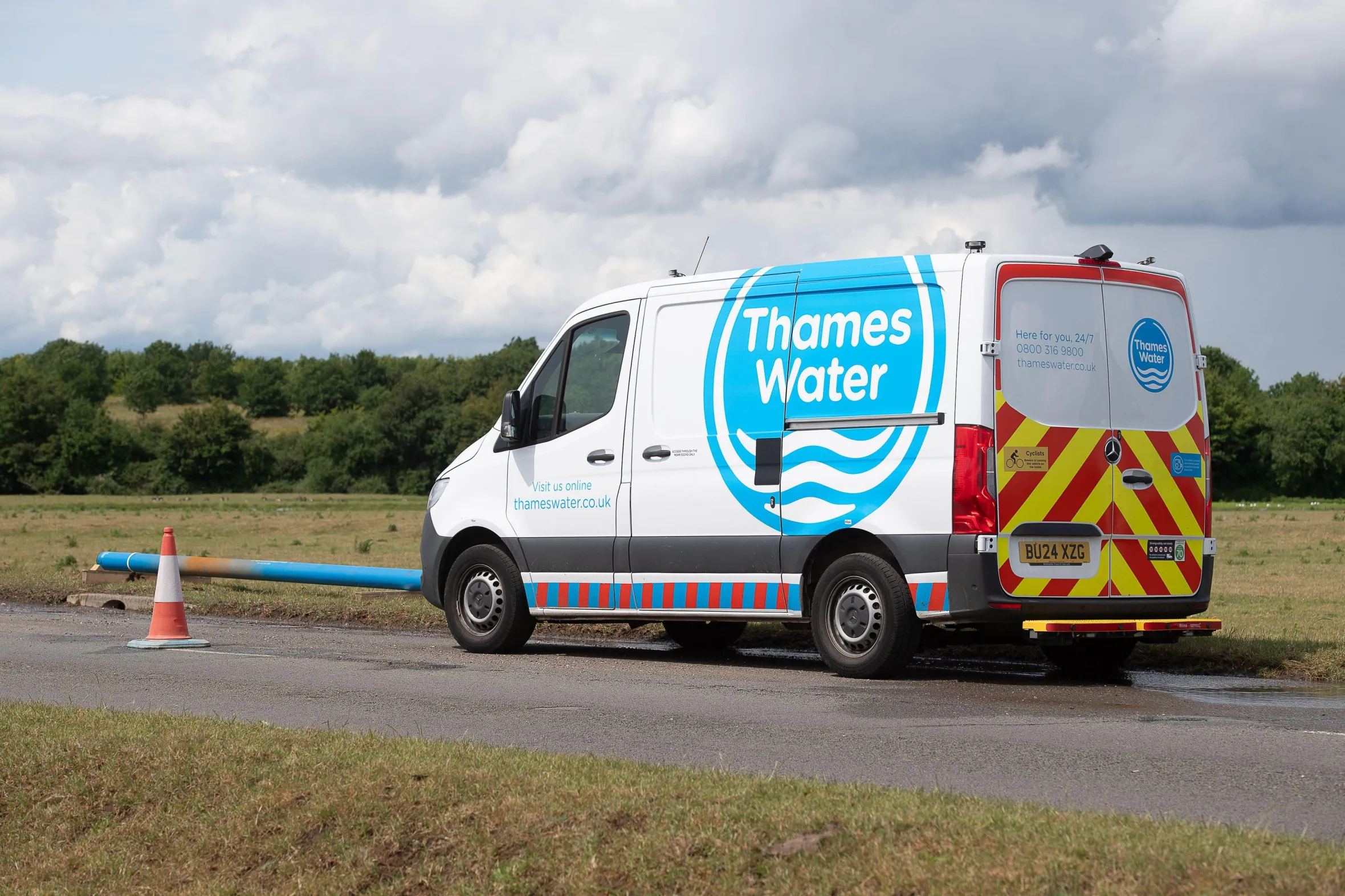 Thames Water received the worst rating in 2024Maureen McLean/Alamy
One of the triggers for a bonus ban is companies causing a category one pollution incident, equating to major environmental damage including killing a significant number of fish. Serious pollution incidents include both category one and category two incidents.
Companies are investing a record £104 billion by 2030 to tackle pollution and bring new reservoirs online, which is pushing up water bills by 36 per cent. Ministers have claimed that their reforms through the Water Bill, promised in the King’s speech, will end future inflation-busting bill increases.
However, the source argued big water bill hikes would still be needed beyond 2030.
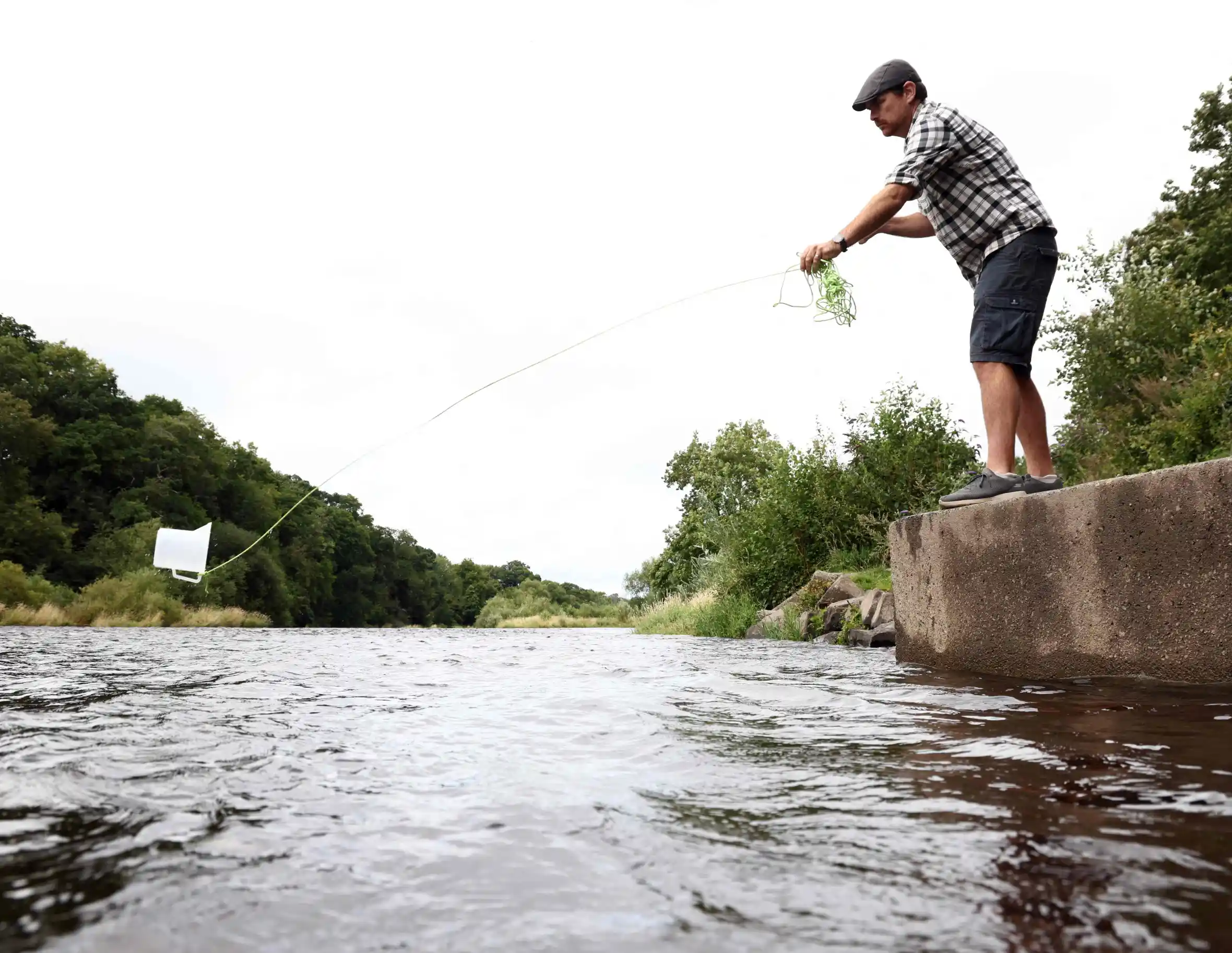 A citizen scientist inspects the River Wye in South WalesDARREN STAPLES/AFP/Getty Images
“We have seen a big increase for this five-year period [2025-2030]. That will need to be extended for a number of price review periods [regulated five-year spending by water companies] going forward.
“Let’s be absolutely clear about that. We have underinvested in this industry, you could say since Victorian times. But badly over the last 20 or 30 years,” they said.
An Environment Agency spokesperson said: “Water company incident performance continues to require improvement, and the level of pollution is simply not good enough. The Environmental Performance Assessments are not finalised, with the report to be published in October — so this data is unverified.”