
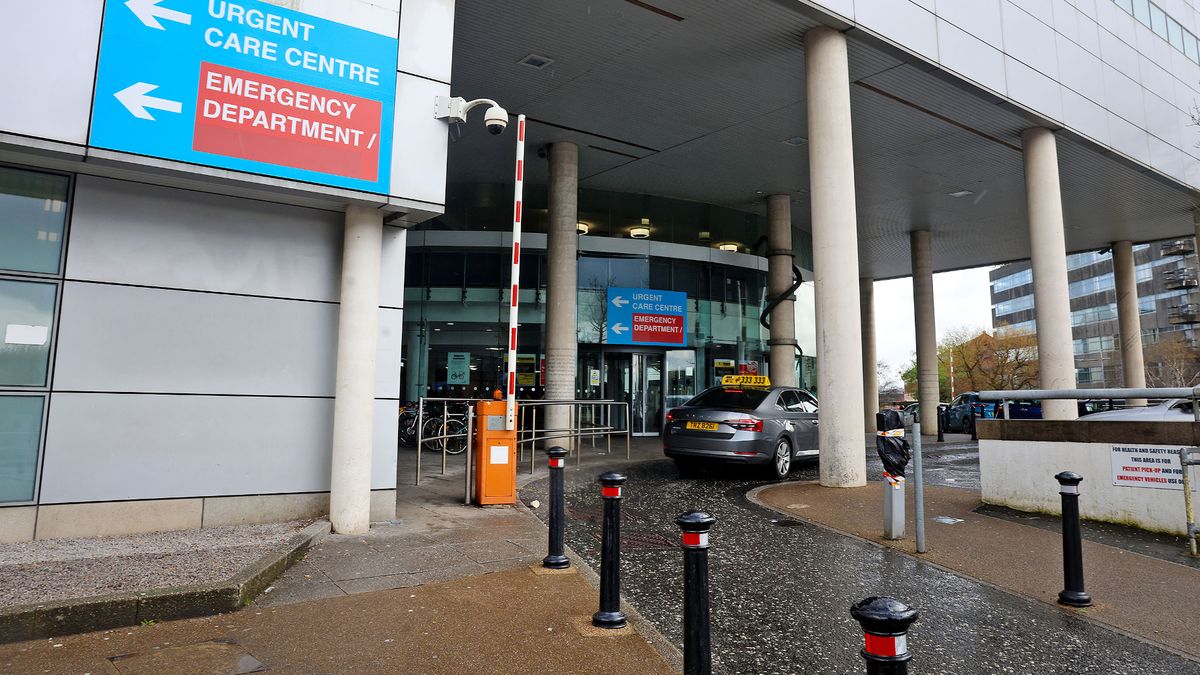
An infection control expert has outlined why the current CPO outbreak at a hospital in Belfast is challenging and the importance of adhering to control measures.
Infection Control Consultant and chair of the BMA’s Northern Ireland Consultants Committee, Dr David Farren, has said that it is essential that all service users, staff, and visitors comply with the advice and control measures recommended to protect the most vulnerable patients in hospital, after Belfast Live reported that a CPO outbreak had been identified at the Royal Victoria Hospital.
The outbreak involves a Carbapenemase-Producing Organism (CPO), which was first identified on 28 April 2026. An outbreak was formally declared two days later, on 30 April.
CPOs are highly resistant bacteria that produce enzymes capable of breaking down carbapenem antibiotics. The infection spreads through contact with contaminated hands, medical equipment, or surfaces.
READ MORE: Antibiotic-resistant infection outbreak detected at Royal Victoria HospitalREAD MORE: Everything you need to know about antibiotic-resistant CPO outbreak at NI hospital
Dr Farren said: “Carbapenemase-producing organisms are a group of bacteria that are resistant to multiple antibiotics, including those normally reserved for treating other forms of resistant bacteria. The actual threat of getting an infection with a CPO to a healthy member of the public is not much higher than other types of bacteria, but when an infection occurs with them, they are much more challenging to treat.
“This is because there are far fewer drugs that can be used to treat them, and those antibiotics used tend to have more side effects or are more toxic than those we would normally use. In addition, there is a higher risk of complications from these infections, including a higher risk of death.
“These organisms can pass from person to person through contact with people who carry these bacteria in or on their bodies or with contact with the environment around them, for example, within bathrooms. Generally speaking, these organisms will only temporarily live on the skin of healthy people, especially outside of a hospital environment, but they can colonise for longer in those with pre-existing health conditions that mean they have an impaired immune system, or those that have implantable devices, such as dialysis lines, central lines, or urinary catheters.”
Large outbreaks could close wards
Dr Farren added that for these more vulnerable patients, there is a higher risk of infections with these bacteria, especially if they have had one or more courses of antibiotics in a short space of time.
“The spread of CPOs has caused significant issues in other countries around the world, and within the UK. If they are not identified quickly and measures put in place to limit their spread they can cause large outbreaks that can close wards and impact on services. This will normally include enhanced cleaning, use of PPE for known or suspected cases, isolating cases away from other patients, screening patients frequently to identify cases early, and, on occasion, restricting visiting to an area,” he continued.
“Whilst these organisms are relatively uncommon in Northern Ireland, the control measures used are very similar to those used for other infections, so hospital Infection Prevention and Control teams will have robust procedures in place to prevent further spread. It is essential that all service users, staff, and visitors comply with the advice and control measures recommended to protect the most vulnerable patients in the hospital.”
On Wednesday, a Belfast Trust spokesperson said: “Belfast Trust is managing an outbreak of a Carbapenemase-Producing Organism (CPO) at the Royal Victoria Hospital with support from the Public Health Agency on infection, prevention and control guidance.
“A small number of patients within the Medical Specialities and Unscheduled Care Division have been identified as carrying a CPO. The first case of CPO was identified on 28 April 2026, and the outbreak was formally declared on 30 April 2026.
“Appropriate outbreak control measures, including enhanced cleaning of the ward, have been implemented in line with guidance from the Outbreak Control Group.
“The Trust is engaging with the families of all affected patients. There have been no reported fatalities or serious illness directly attributed to this specific CPO strain.”
For all the latest news, visit the Belfast Live homepage here and sign up to our daily newsletter here.