
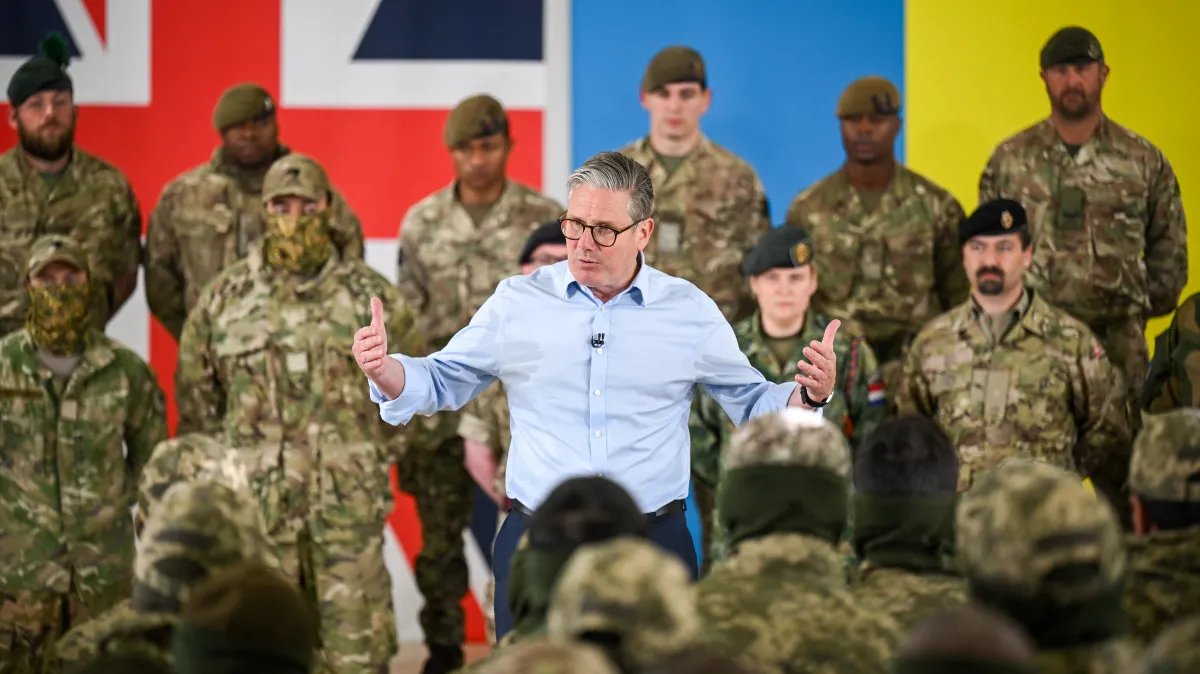
Sir Keir Starmer is expected to approve an £18 billion increase in defence spending as he faces a battle for political survival.
Senior defence insiders said the investment would enable the armed forces to modernise and prepare to fight a future war.
Jonathan Powell, the national security adviser, has written to Starmer in recent weeks warning him that Britain would struggle to maintain its position on the world stage without a significant increase in spending, The Times understands.
He warned that the armed forces could not afford the jets, munitions and advanced technology that Britain needs to fight a future war without a significant increase to the budget.
Dame Antonia Romeo, the cabinet secretary, is also understood to have pushed for a big increase in spending.
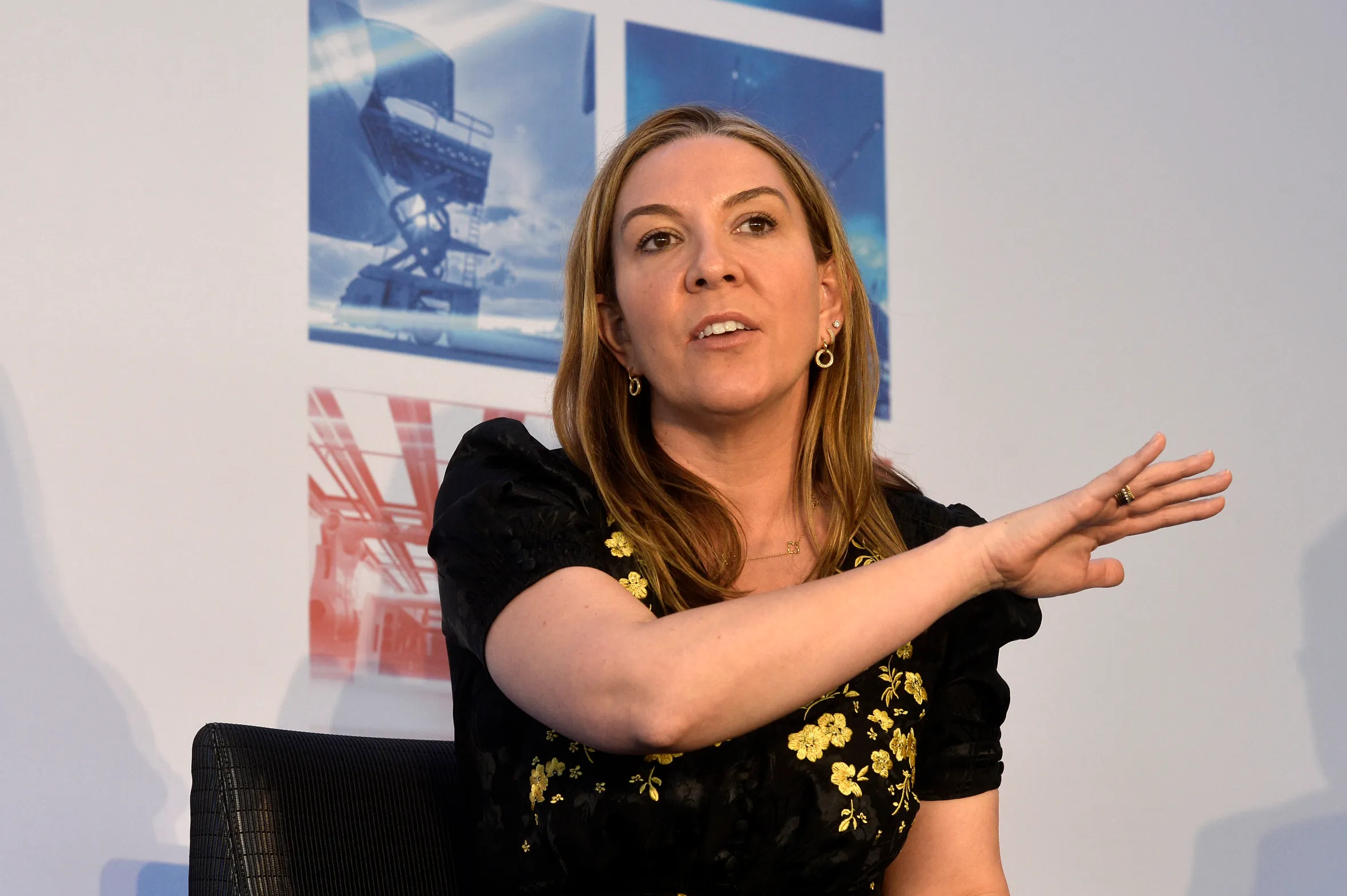 Dame Antonia RomeoMary Turner for The Times
The prime minister is expected to approve the spending boost as soon as next week, bringing an end to months of delays and internal rows, amid concerns in the Treasury that it would be unaffordable. It is unclear how the increase in spending will be funded, although a Whitehall source insisted it would be “fully affordable”.
Starmer’s premiership is under severe threat as Andy Burnham, the mayor of Greater Manchester, attempts to return to Westminster and challenge him for the keys to No 10.
 Labour’s National Executive Committee has given Andy Burnham permission to stand in the Makerfield by-electionPHIL NOBLE/REUTERS
The prime minister pledged to put defence and security at the heart of his premiership, given the continuing wars in Ukraine and Iran, including an ambition to reach 3 per cent of GDP in the next parliament. His critics have warned that failing to increase defence spending significantly would undermine that claim.
Other developments:
• Cabinet ministers called for Burnham to be given a “coronation” as Labour’s next leader if he could beat Reform UK in the by-election in Makerfield, Greater Manchester, and return to Westminster to challenge Starmer.
• Labour’s ruling National Executive Committee approved Burnham to run in the election, with plans to hold the contest on June 18.
• Government borrowing costs rose to their highest level since 1998 amid fears that Burnham would increase public spending and relax the fiscal rules.
• President Trump said it would be “tough” for Starmer to survive as he renewed his criticism of the prime minister over migration and offshore wind.
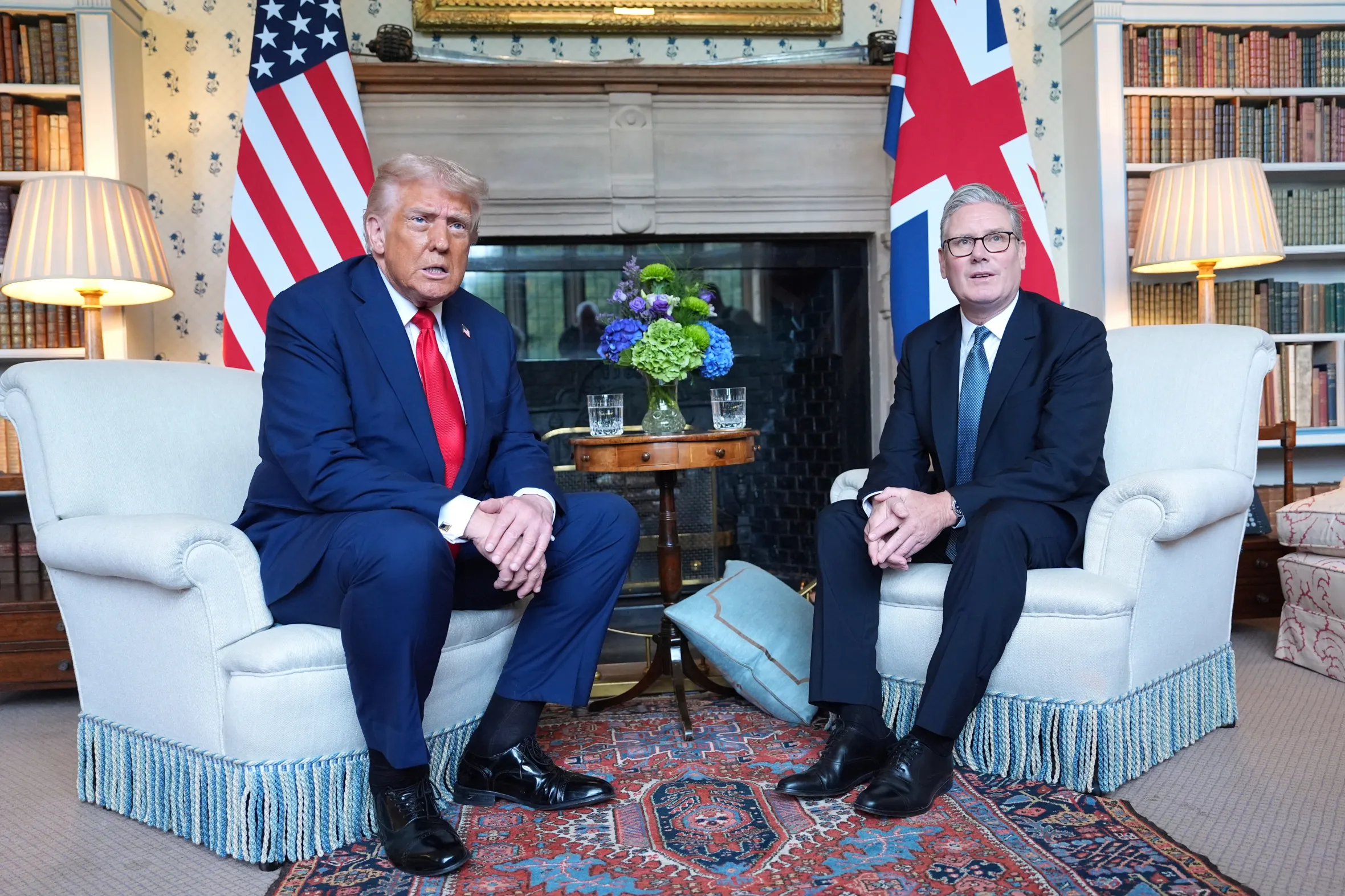 Starmer welcomed President Trump to Chequers in September. They will meet again at the Nato summit in JulyEVAN VUCCI/AP
Cabinet colleagues expect Starmer to use the defence spending announcement as part of his fight back as he attempts to save his premiership after a tumultuous week in No 10.
Powell told Starmer recently that Britain’s allies had committed to spending more on defence than the UK and that the country had fallen down the Nato league tables.
He said £18 billion was required to fund the investment deemed necessary in the Ministry of Defence’s strategic defence review, and maintain international leadership, it is understood.
According to Nato data, Britain was the 12th biggest spender proportionally last year, falling from third place in 2021. The UK spends 2.4 per cent of GDP on defence at present.
The £18 billion will be spread over the next four years and was understood to be one of two options on the table to the prime minister in recent days, along with £12 billion. Powell had pushed for £18 billion and the prime minister is expected to give the green light next week.
John Healey, the defence secretary, is also understood to have pushed for a significant sum having made clear that anything lower would not be enough given the increasing threat to the UK.
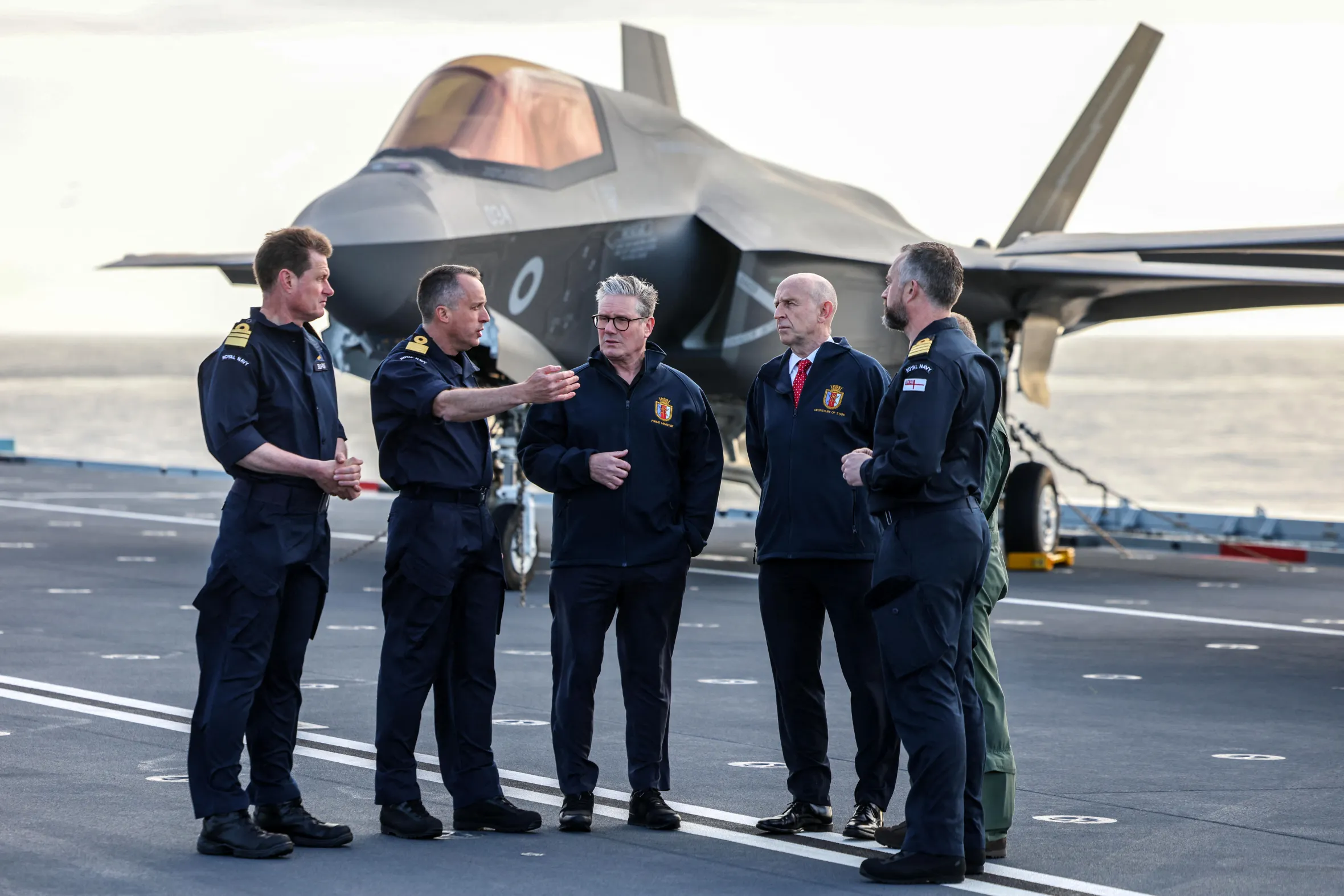 Starmer with John Healey on HMS Prince of Wales in April last year TIMES PHOTOGRAPHER RICHARD POHLE
The £18 billion would enable the MoD to fulfil all of the 62 recommendations in the strategic defence review, it is understood. This includes pushing ahead with the Global Combat Air Programme (GCAP) fighter jet programme, shipbuilding, buying new F-35A jets to carry nuclear weapons, stockpiling munitions, and buying novel weapons to make forces more lethal.
A Whitehall source said that the strategic defence review would be “fully affordable” under the plans being signed off. Insiders in the MoD welcomed the expected £18 billion increase, describing it as “great news”.
“It is great the government is taking defence seriously. It is super important for Britain’s position in the world and for the morale of service personnel,” one senior military source said. However, they said the MoD “needs to really get on top of how to leverage money from the private sector if we are going to be ready to fight a war”.
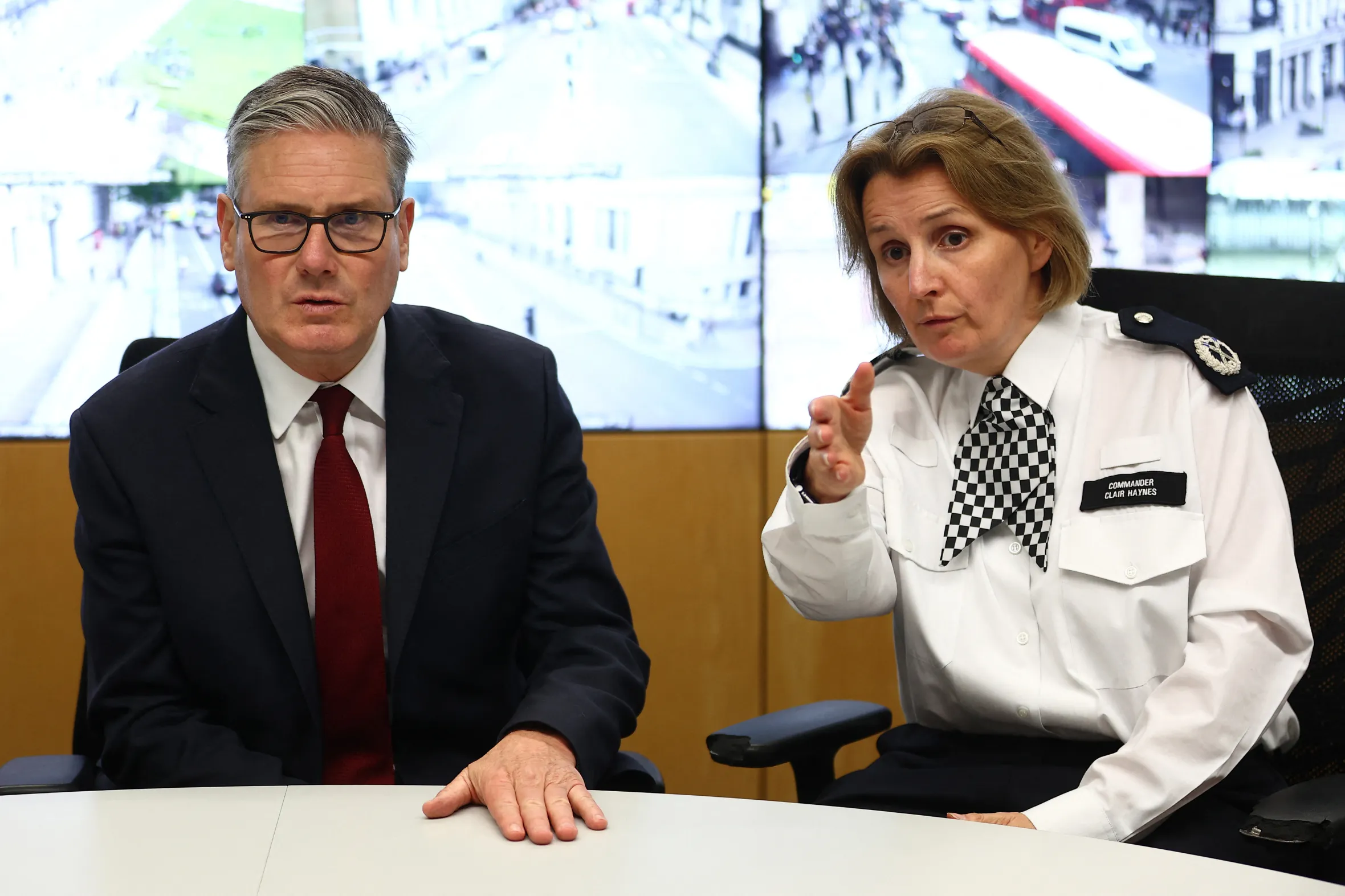 Sir Keir Starmer met Metropolitan Police officers in south London on FridayPeter Nicholls/Getty Images
A second Whitehall source said the £18 billion would be a “big win”, adding: “We can’t keep saying we are going to do it and not bring the money in.”
The Times previously disclosed that Rachel Reeves, the chancellor, had proposed increasing defence spending by £10 billion.
Yet £18 billion is not enough to fill the estimated £28 billion black hole in the department. Healey has driven efficiency savings to save money.
The government has pledged to increase defence spending to 2.5 per cent of GDP from April 2027, with an “ambition” to reach 3 per cent in the next parliament.
An extra £4.5 billion extra a year would not be enough for the defence budget to reach 3 per cent of GDP by the end of the parliament, although it should not be far off, according to one insider.
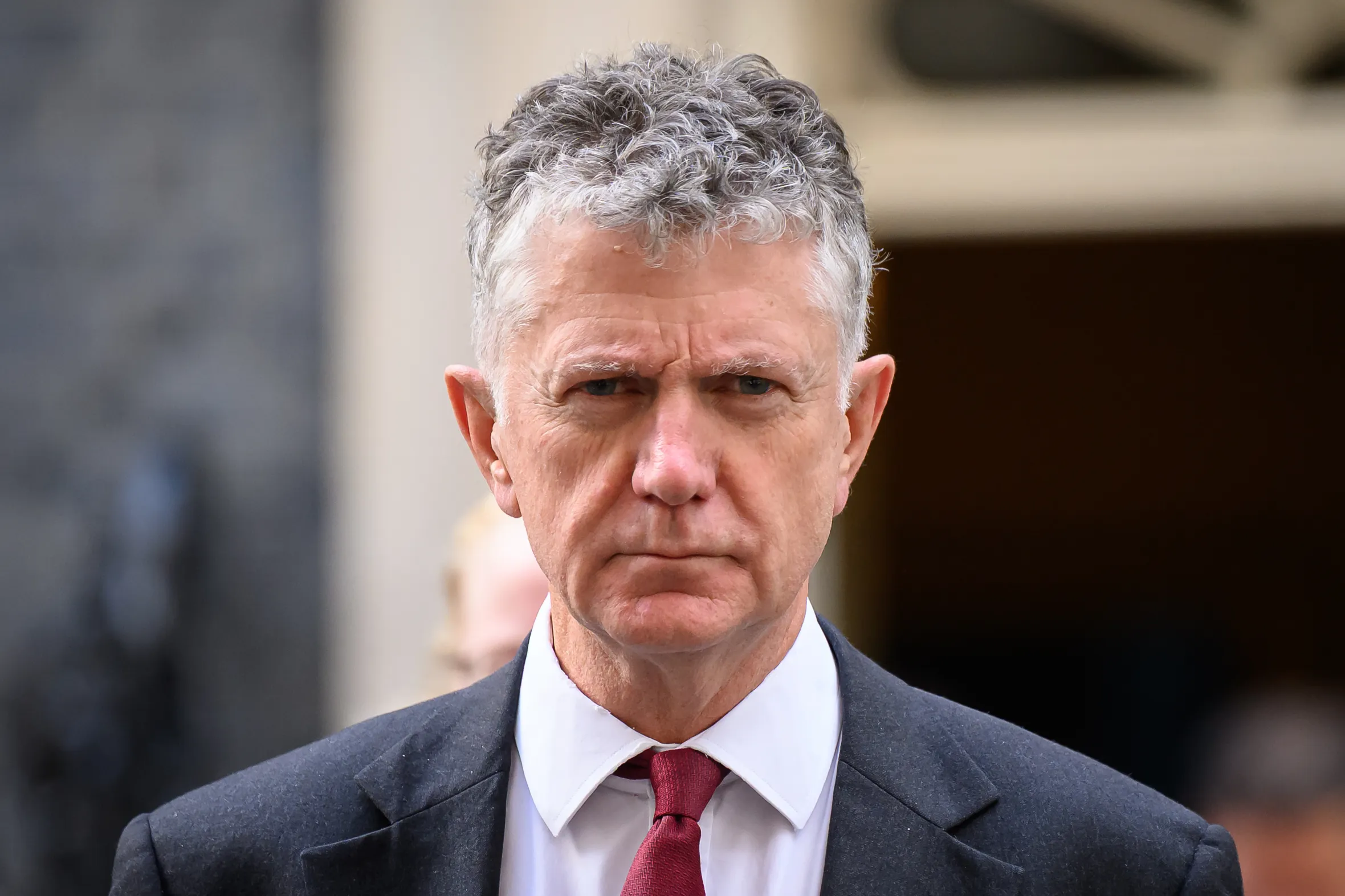 Jonathan Powell has been pushing for the defence boostLeon Neal/Getty Images
Both Powell and Healey are insistent that the long-awaited defence investment plan must be published before the Nato summit in Ankara, Turkey, in July, where Starmer will meet Trump.
An agreement on money had been expected this week but a crucial meeting was thought to have been pushed back because of Labour in-fighting.
A government spokesman said: “The defence investment plan will deliver the best kit and technology into the hands of our frontline forces at speed, while investing in and growing the UK economy. We are working to finalise the plan and it will be published as soon as possible.”