
Hundreds of NHS staff a year are being investigated for sexual misconduct and many are allowed to return to work even when found guilty.
An investigation by The Sunday Times has found that claims for sexual abuse against patients and colleagues, ranging from inappropriate touching to kissing and rape, have risen by 72 per cent over the past decade. About £11 million has been paid to victims in that period.
In one case a doctor had an inappropriate relationship with a teenager which ended in them having sex. He was suspended for 12 months then allowed to return to work. So was another doctor, who sexually harassed multiple colleagues over a decade, and a third who a tribunal found to have raped a woman in his home.
So concerned are medical authorities by the rise in sexual abuse that they have called for an overhaul of the way cases are investigated and treated.
In some cases the General Medical Council (GMC) has contested lenient decisions made by medical tribunals to get doctors struck off.
‘We don’t have confidence in the current system’
Tim Mitchell, president of the Royal College of Surgeons, said the figures “don’t paint a pretty picture”.
He said: “It’s clear from the continuing cases, which sadly appear much more frequently than we would like to see, that this is a continuing problem that needs to be dealt with.” He called for an overhaul of the Medical Practitioners Tribunal Service (MPTS), which appoint panels of three lay people, including at least one medical professional, to adjudicate on cases and set sanctions.
“We don’t have confidence in the current system,” he said.
Politics newsletter
Get our daily insider’s guide to Westminster, plus a rundown of PMQs every Wednesday.
Sign up with one click
Figures obtained by The Sunday Times show hundreds of sexual misconduct claims are being raised by NHS trusts about specific staff. NHS Resolution, a service which handles legal claims against the NHS, saw a 72 per cent rise from 143 in 2015-16 to 246 in 2024-25.
In total, over the past decade, across England, Wales, Northern Ireland, Guernsey, Jersey, and the Isle of Man, NHS Resolution recorded 900 reports of inappropriate sexual behaviour including flirting and unwanted advances by doctors, and 648 specific acts of touching, kissing or rape.
Separately, independent research published in the Royal College of Surgeons bulletin journal found there had been 55 allegations of sexual misconduct brought against doctors by the GMC between August 2023 and August 2024. There were 46 proven, but of these only 16 doctors received a suspension. In 11 cases doctors were allowed to return to work even though the GMC had recommended they be struck off.
Relationship with teenager
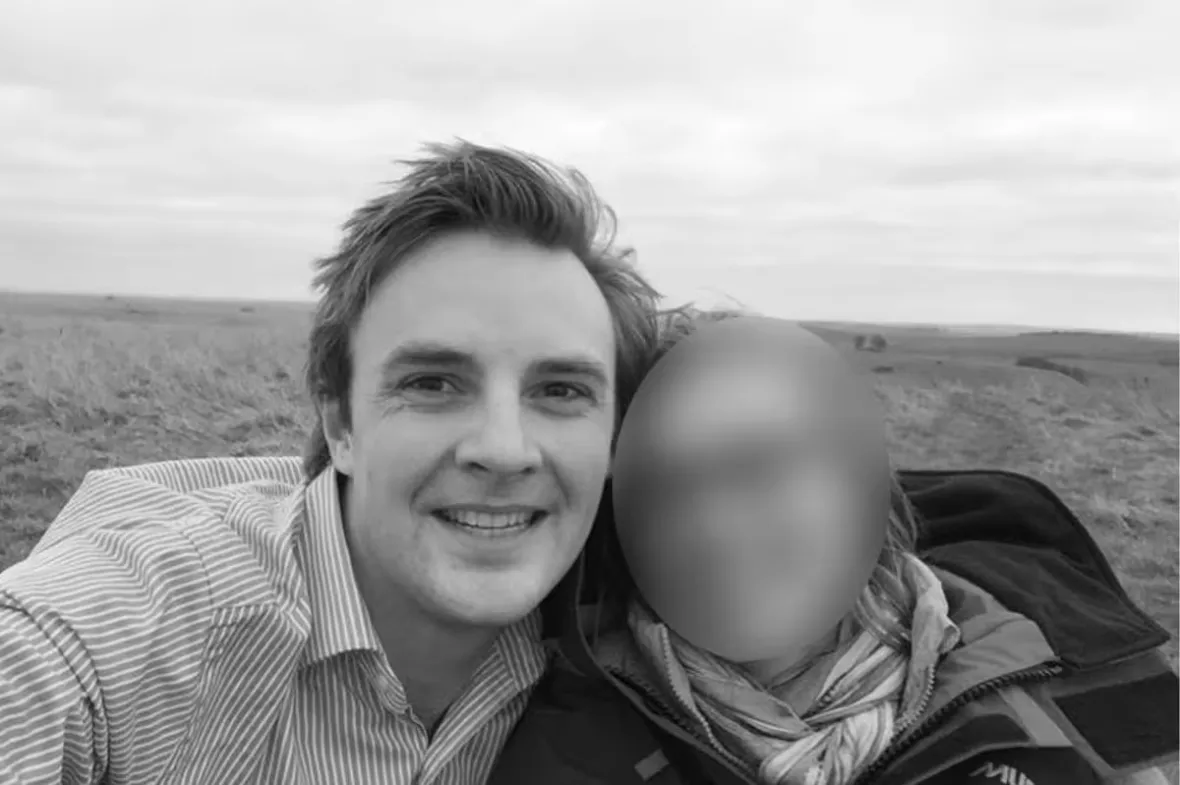
When Patient A was 13, Dr Cian Hughes appeared at her hospital bedside.
He was charming and seemed particularly interested in her care. She was impressionable ,suffered with a neurological condition and relied on a wheelchair.
That night he sent her a private email with her x-ray scans after accessing NHS data inappropriately. It was the start of a private relationship.
Hughes, nine years older than Patient A (who we are not naming for legal reasons), became a trusted confidant over the coming years, texting her regularly.
They went to his flat and when she was 17 he kissed her, before they moved on to other sexual activity.
At one point his friend warned him: “Three letters Cian: GMC”, but he continued the relationship.
Days after her 18th birthday in 2015 she says she was put under pressure by him and they had sex. Within weeks he ended the relationship.
“My virginity was a target and that was all it was,” says the woman, now in her late twenties. “He was the first to make it sexual, the first to ask me out. Every single escalation point was started by him.”
Realising she may have been the victim of abuse, she complained to the GMC. She also went to the police, but the case was dropped.
After a six-year investigation an independent tribunal concluded that Hughes had used his position to pursue an improper sexual relationship with her when he knew she was vulnerable and that she was just a teenager.
The GMC argued that Hughes should be struck off. But the tribunal gave him credit for undertaking training courses and apologising to his victim and decided striking him off would be disproportionate. It decided Hughes should be suspended for 12 months and allowed back to work once he passed a required review. The victim, Patient A, was appalled.
‘Process made the trauma even worse’
The woman said: “I don’t see how they can say that they care about victims. He was given bonus points for apologising, even though I wasn’t in court at the time.
“If I had known just how bad the [the process] was going to be, I don’t think I would have reported him, not because I don’t think what he did was wrong, but because the process made the trauma even worse.”
The Professional Standards Authority for Health and Social Care (PSA), an independent regulator, agrees. It has called Hughes’s penalty “insufficient to protect the public” and begun High Court action to get him struck off.
Hughes is now working as chief scientific officer for the AI medical firm Counsel Health. A lawyer for Hughes said that he could not comment due to the pending court judgment.
When a patient or colleague has a concern about a doctor they can raise it with the GMC, which investigates the case. If it believes the doctor has a case to answer the issue is referred to the MPTS.
Both the GMC and MPTS process exist in law to protect the public from unfit doctors. This is the guiding principle of the legislation in the Medical Act 1983.
When NHS trusts have serious concerns about a doctor’s behaviour or clinical practice, such as sexual misconduct, they can seek advice from NHS Resolution, which will also handle any subsequent legal case and pay compensation.
Mitchell, from the Royal College of Surgeons, said tribunal panels were weighing public protection as more serious than attacks on staff or other non-patients.
He said: “I think it’s likely that there may be cases in which they haven’t given them sufficient weight and that particularly the issue about sexual misconduct directed at colleagues and staff needs to be looked at in more detail.”
This year, James Gilbert, a transplant surgeon, was allowed to return to work at a private hospital in Buckinghamshire by the High Court after an appeal against his 12-month suspension, despite being found by a tribunal to have sexually harassed junior staff in the NHS for more than a decade. The GMC wanted him struck off.
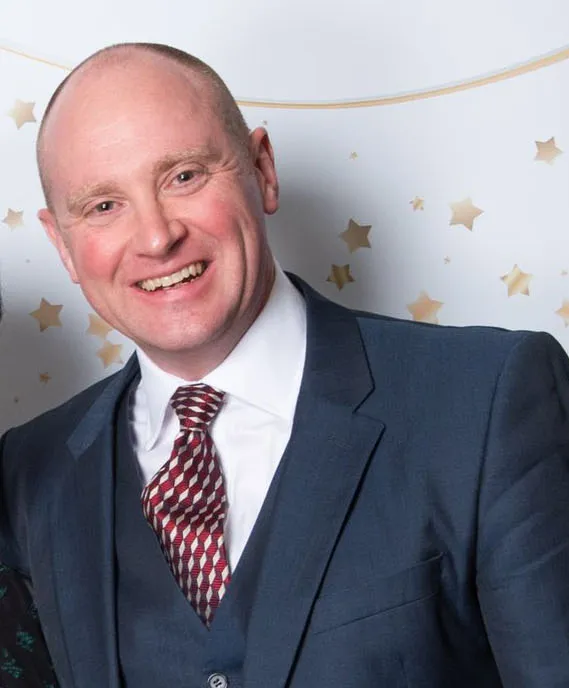 James Gilbert
Aloaye Foy-Yamah, a consultant at Blackpool Victoria Hospital, was suspended for 12 months last year after an MPTS panel concluded he was guilty of a “one-off” rape of a woman at his home. The police investigated but did not charge.
The tribunal decided not to strike him off after factoring in that his victim was not a patient and the attack did not take place at his hospital.
He now faces a new hearing after the GMC challenged the decision and the High Court criticised the tribunal panel for making the wrong conclusion on risk and public protection. Foy-Yamah is also challenging the decision.
A doctor who kissed a colleague without consent was suspended for four months after apologising and showing evidence of attending sexual harassment webinars and behaviour courses on professional boundaries.
A different doctor was suspended for 12 months after a criminal conviction for voyeurism that required him to register as a sex offender because he showed “genuine remorse.”
Mei Nortley, a consultant vascular surgeon at Oxford University Hospitals who carried out the research published by the Royal College on sexual misconduct and the decisions of MPTS panels, said there needed to be greater appreciation of the structure of the NHS because many staff did not feel confident about speaking out.
She said: “Lenient and inconsistent tribunal outcomes are likely suppressing reporting and contributing to a lack of institutional and psychological safety within the NHS.
”The only way forward is to step out of entrenched systems and legal mindsets and move to processes that are more aligned with public and professional values.”
The government is consulting on a plan to give the GMC more powers, which will make it mandatory for doctors convicted in a criminal court of sexual offences to be struck off.
Hospitals across England have also been ordered to create specialist teams to investigate doctors accused of sexually assaulting patients.
The PSA, which oversees the GMC and other regulators, said: “We have observed that regulators’ fitness to practise panels may treat sexual misconduct between colleagues less seriously than when sexual boundaries with patients are overstepped. We believe this type of behaviour can have a negative impact on patient safety.”
Judge Fiona Monk, chair of the MPTS, said: “Cases relating to sexual misconduct are among the most serious matters heard by our tribunals, which give careful consideration to all of the evidence. We have strengthened our guidance for tribunals, with a clear focus on sexual misconduct, abuse of power and breaches of professional boundaries. The guidance is clear that where there is behaviour that puts patient safety at risk or causes harm, the most serious sanctions should be applied.”