
The main fiscal rules limit how much the government can borrow to fund day-to-day public spending and compel the government to ensure that debt as a share of national income is falling by the end of the Parliament, expected in 2029.
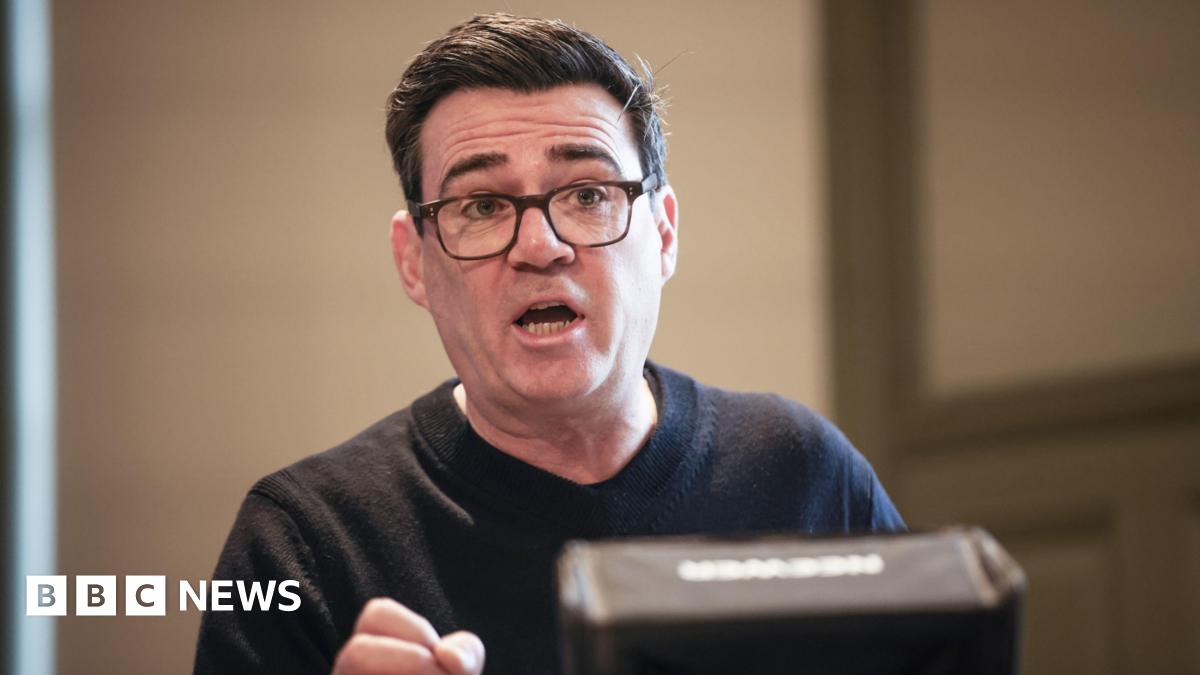
Burnham’s comments on Monday came after he told ITV News on the weekend, external: “Let me say this really clearly. I support the fiscal rules.
“There needs to be a plan to get debt down, but beyond that, we need to change politics and take the turbulence out of British politics because that is a cause of uncertainty that then has that impact in the markets.”
The main force behind rising government bond yields has been the US-Israel war with Iran and prospects of a prolonged blockade in the Strait of Hormuz. That has driven up expectations of inflation and interest rates, sending many G7 borrowing costs to multi-decade highs.
Many in markets suggested it was a very sensitive time for profound political uncertainty especially about levels of borrowing.
There have been multiple versions and refinements made to the fiscal rules by successive governments including the current one.
Some think tanks supportive of Burnham, for example the Tribune group, have also set out plans to change the rules to allow for extra investment spending.
Even those efforts however suggest waiting years until a surplus had been achieved, before enacting reform.
Burnham is thought to want to support infrastructure investment including in housing and transport, but he may find sticking to the existing rules forces some tough choices on tax or other areas of spending such as welfare.
As mayor of Greater Manchester, he has been one of the foremost supporters of high-speed rail in the North of England and resurrecting some form of high-speed line between Birmingham and Manchester after the cancellation of phase 2 of HS2.
The backdrop of turmoil in the Gulf and a global bond market rout has led to a reining-in of Burnham’s plans for reform in this area at this time.
Conservative shadow chancellor Mel Stride warned of a “Burnham penalty”.
He said the country faced “the prospect of a new prime minister coming in with a plan to borrow even more, to raise anti-growth taxes even higher than those baked into existing plans and with an insufficient understanding of the connection between these actions and market movements”.
A spokesperson for Burnham said the Conservatives represented “the failed economics” that had “sucked wealth and power out of places like Makerfield for 40 years”.