
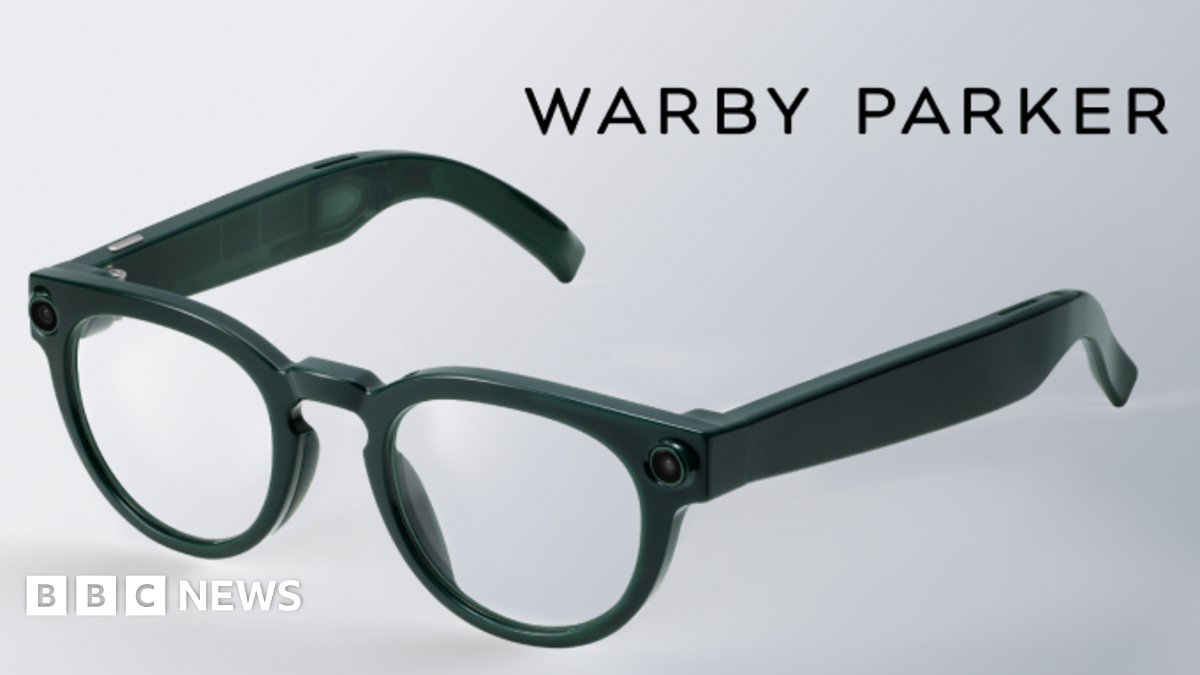
The core features of Google’s intelligent eyewear appear similar to those available in Meta’s offering of AI or smart glasses, which have a small camera and speakers for verbal and audio communication with Meta AI.
Meta’s Ray-Bans have already sold seven million pairs, according to the company.
However, the same privacy concerns that Google Glass faced over a decade ago are already bubbling up with Meta’s glasses.
People are being unwittingly filmed in public and in private, often by people wearing Meta’s glasses, and only finding out when the videos show up online.
Snap is also expected to release a new version of its smart glasses this year, and Apple is reportedly working on a glasses product, too.
Investor Christine Tsai of 500 Global, an early stage venture capital firm, said Google’s re-entry into the glasses space is a positive development.
“It’s good for consumers. And it’s good for early stage start ups, where we tend to invest, because they’re a platform where people can build more capabilities,” said Tsai who attended Tuesday’s conference.
Smart glasses are gaining traction as “that next modality” to follow the success of the smartphone, she added.
Developer Anil Shah, who is building an events management app called tixfix.ai, said smart glasses hold the promise of integrating many services that Google already provides, like Google Maps and Google Voice.
“It’s a great addition to their product line-up,” he said.
For his own start up, Shah said he would consider building integrations with Google smart glasses so users can easily find events to attend near them.
“I think being able to just talk with the smart glasses without opening the app would be a very nice integration,” he said.