
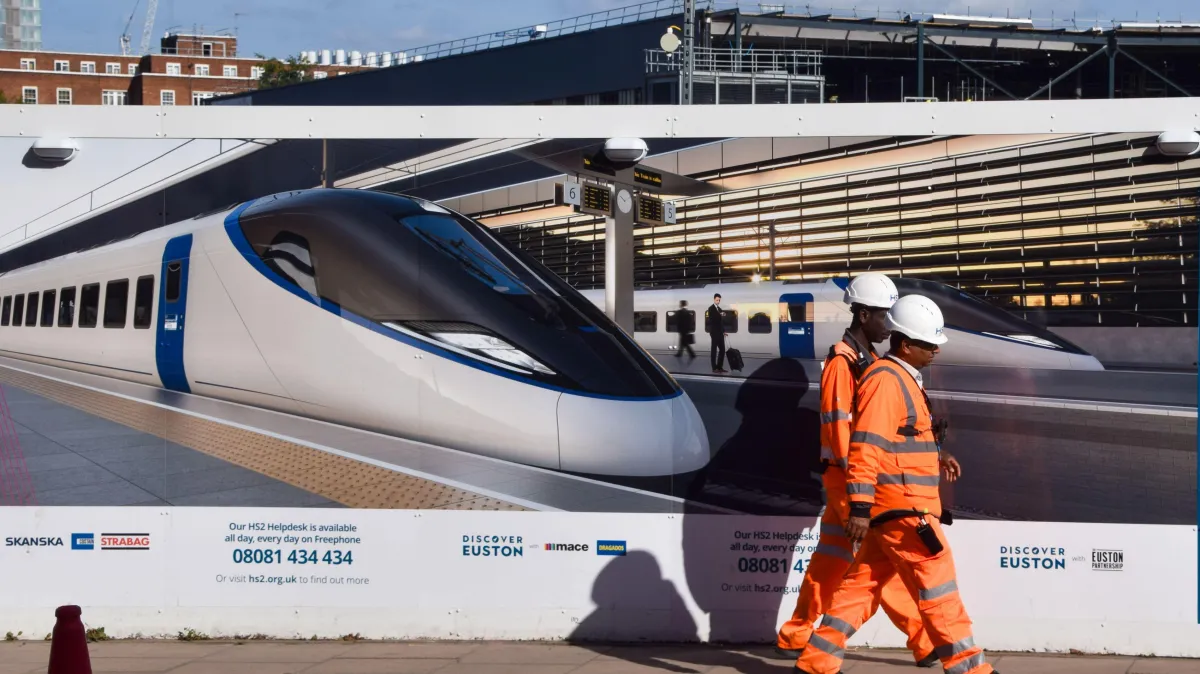
HS2 could cost the taxpayer more than £100 billion and trains will not start running for at least another decade, ministers admitted as they signed off on the project’s sixth reset in 13 years.
Under the new plans, HS2 trains will run more slowly and the line’s opening will be delayed until at least 2036, with services not reaching central London until 2040 at the earliest.
Heidi Alexander, the transport secretary, told MPs that the cost increase since plans were announced was “obscene”.
“If it seems like I am angry, it’s because I am,” Alexander said. “I am angry on behalf of passengers, who continue to wait for the new services and new opportunities they deserve.”
Rising cost
After an extensive review, the government announced that the total cost of the 140-mile railway between London and Birmingham was now estimated to between £87.7 billion and £102.7 billion in today’s money — more than £700 million a mile and dwarfing the economic boost expected to come from the new link.
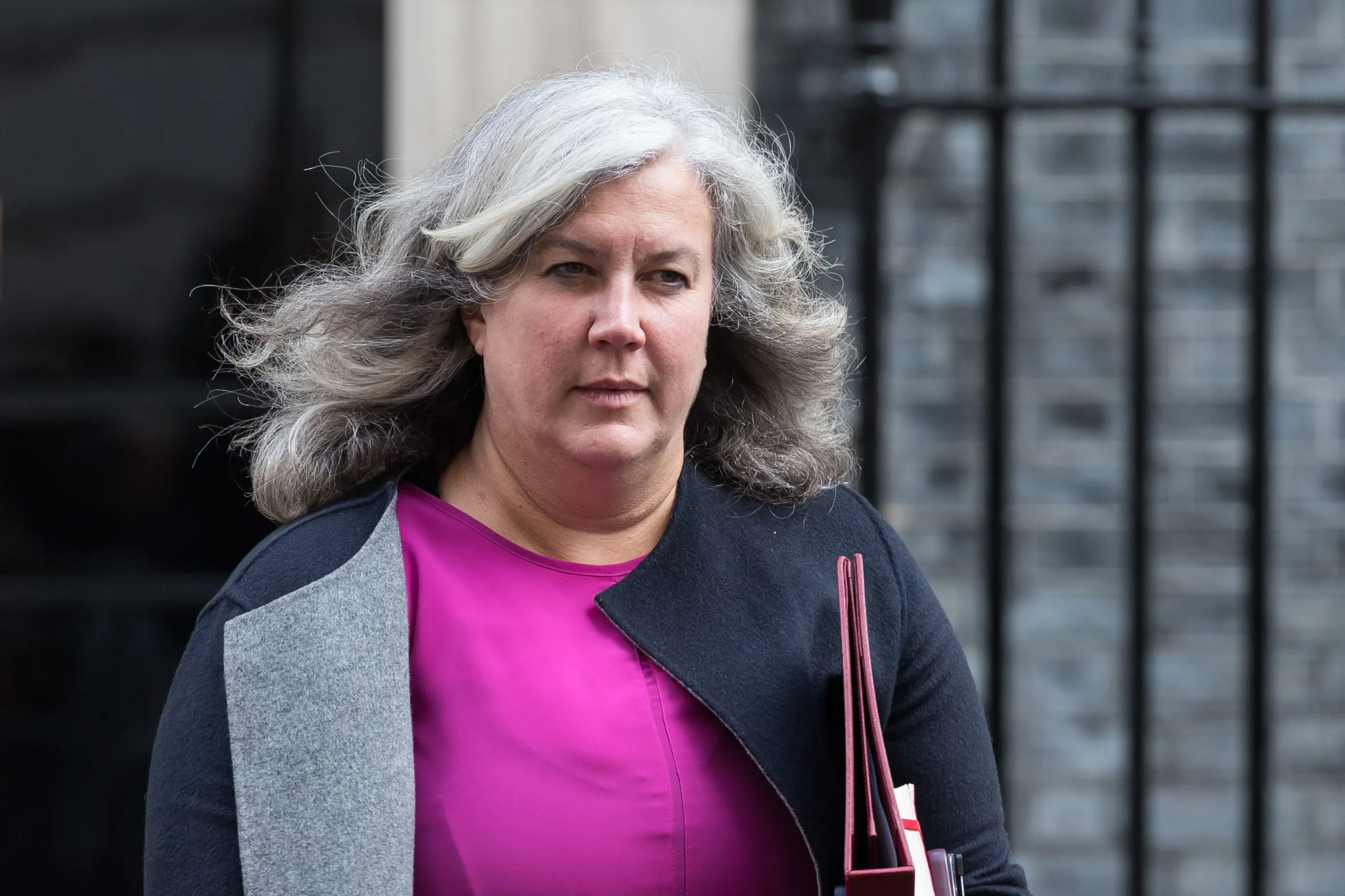 Heidi Alexander, the transport secretaryWiktor Szymanowicz/Future Publishing/Getty Images
The final bill does not account for inflation, and in the models used by officials the total spend comes out at up to £112 billion.
For every pound of taxpayer money spent on the project, it is expected to bring in just 30 pence worth of economic benefits to the UK — much lower than the figure originally forecast.
When completed, the project will be more expensive than the Artemis II mission to send four astronauts to the moon, which is estimated to have cost £69 billion so far.
The original cost of the project, initiated by Gordon Brown’s Labour government in 2009, was estimated at £37.5 billion and included now-scrapped sections going to Manchester and Leeds.
Before Tuesday, the last official estimate in 2024 put the cost of the London-to-Birmingham route at £66.6 billion. The substantial increase has been put down to inflation but also necessary work missed from the scope, underestimation and inefficient delivery.
As of March 2026, £44.2 billion has already been spent on the programme without a single bit of track being laid.
Delayed delivery
Trains are expected to start running between Birmingham Curzon Street and Old Oak Common station in west London between May 2036 and October 2039.
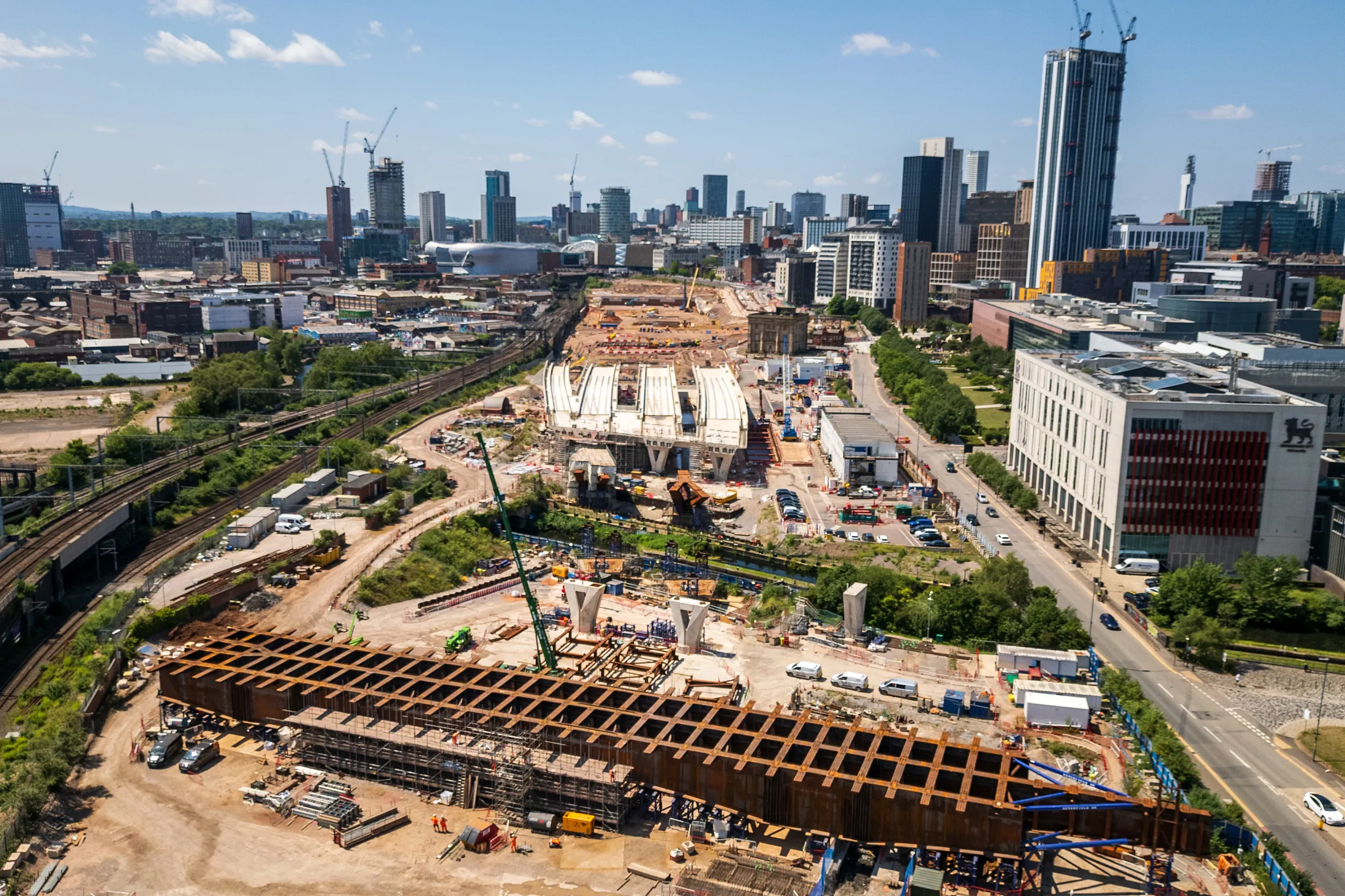 The HS2 Curzon Street station under construction in Birmingham last year Christopher Furlong/Getty Images
The most recent official target was 2033, but originally the Conservative-led coalition government said that passenger services would be running by the end of this year.
Alexander said that the full HS2 scheme, which includes trains running to a new station at London Euston in the south and Handsacre Junction in the north to merge with the West Coast Mainline, will not open until between May 2040 and December 2043.
No plans for what the station will look like at London Euston have been published and the government has said that it will seek some private finance help to fund it.
So far HS2’s estimated 30,000 workers have completed all the tunnelling from between Old Oak Common and Birmingham Curzon Street but just two out of 52 viaducts had been built and just over 10 per cent of the 169 planned bridges.
The section going to Leeds and Manchester was scrapped by the last Conservative government.
Reduced speed
The speed of the trains will be slower, with maximum speeds reduced to just under 200mph, about 25mph slower than originally designed but in line with the Japanese shinkansen and other services around Europe. This is designed to save up to £2.5 billion by reducing testing and commissioning times.
However, the change will increase journey times, meaning that the new HS2 journey saves just 32 minutes compared with the current fastest central London-to-Birmingham train.
In a report commissioned by the prime minister and published on Tuesday, Sir Stephen Lovegrove, a former national security adviser, said that one of the “original sins” of the project included a decision to focus on the “highest possible speeds”, leading to a bespoke and highly engineered design.
Alexander blamed the Conservatives for the waste of taxpayer money, saying that previous plans were “massively over-specced folly, with the prospect of the fastest trains anywhere in the world tickling the fancy of Conservative ministers”.
Calls to cancel
Ministers were said to be so concerned about the spiralling costs of the project that they asked HS2 to assess the impact of cancelling it altogether.
In a letter to civil servants, Mark Wild, chief executive of HS2, said that cancelling such a large project at this stage was “unprecedented” in the western world. This would require demolishing all built infrastructure, returning acquired land to its previous condition and potentially selling it back to original owners, he added.
He placed the cost of this at up to £58 billion, similar to the remaining budget for the entire project.
The transport secretary decided against doing this, saying that it would leave “half-finished structures strewn across the English countryside” and deliver none of the benefits.
Wild, who has been in place for just over a year, said that the project had “turned a corner in the last 12 months” and was starting to deliver significantly improved levels of productivity. “Resetting HS2 was the only way to regain control of the project,” he said.
Jerome Mayhew, shadow transport minister, said: “It is true that the early years of the HS2 project were beset with delay and cost overruns, with HS2 Ltd failing to maintain control of the budget, and frankly, the Department for Transport allowing them to get away with it.”