
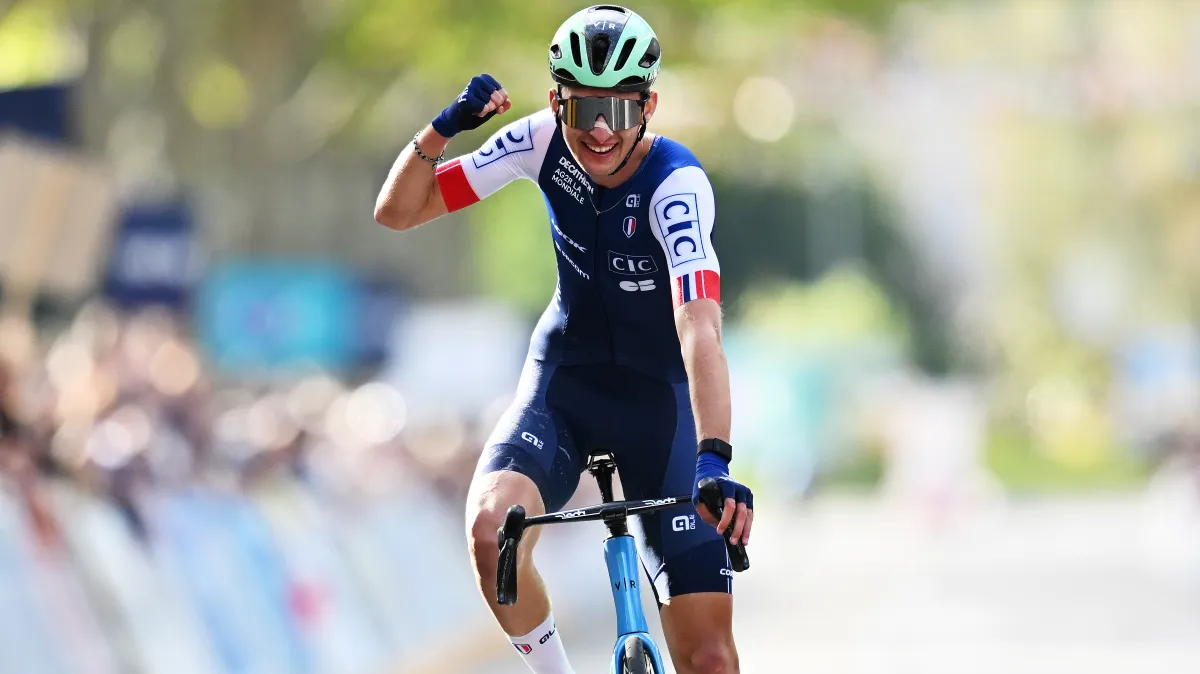
Every summer, millions of people stand by the roadsides on mountains and plains to cheer the riders taking part in the Tour de France. Tens of millions more watch at least part of the three-week race on the television.
But for the past four decades, the ending has never quite matched the country’s aspirations — no French cyclist has won since Bernard Hinault in 1985.
The long run of disappointments has become part of the national narrative, a little like the quest for the World Cup in England or for an Ashes victory on Australian soil. In the absence of a recent homegrown winner, the French have taken to celebrating a loser — Laurent Fignon, the Paris-born rider who finished the 1989 tour an agonising eight seconds behind Greg LeMond, the American victor.
Fignon had won the race twice in the early 1980s, but like Napoleon, he is best remembered for what his countrymen think of as a glorious defeat.
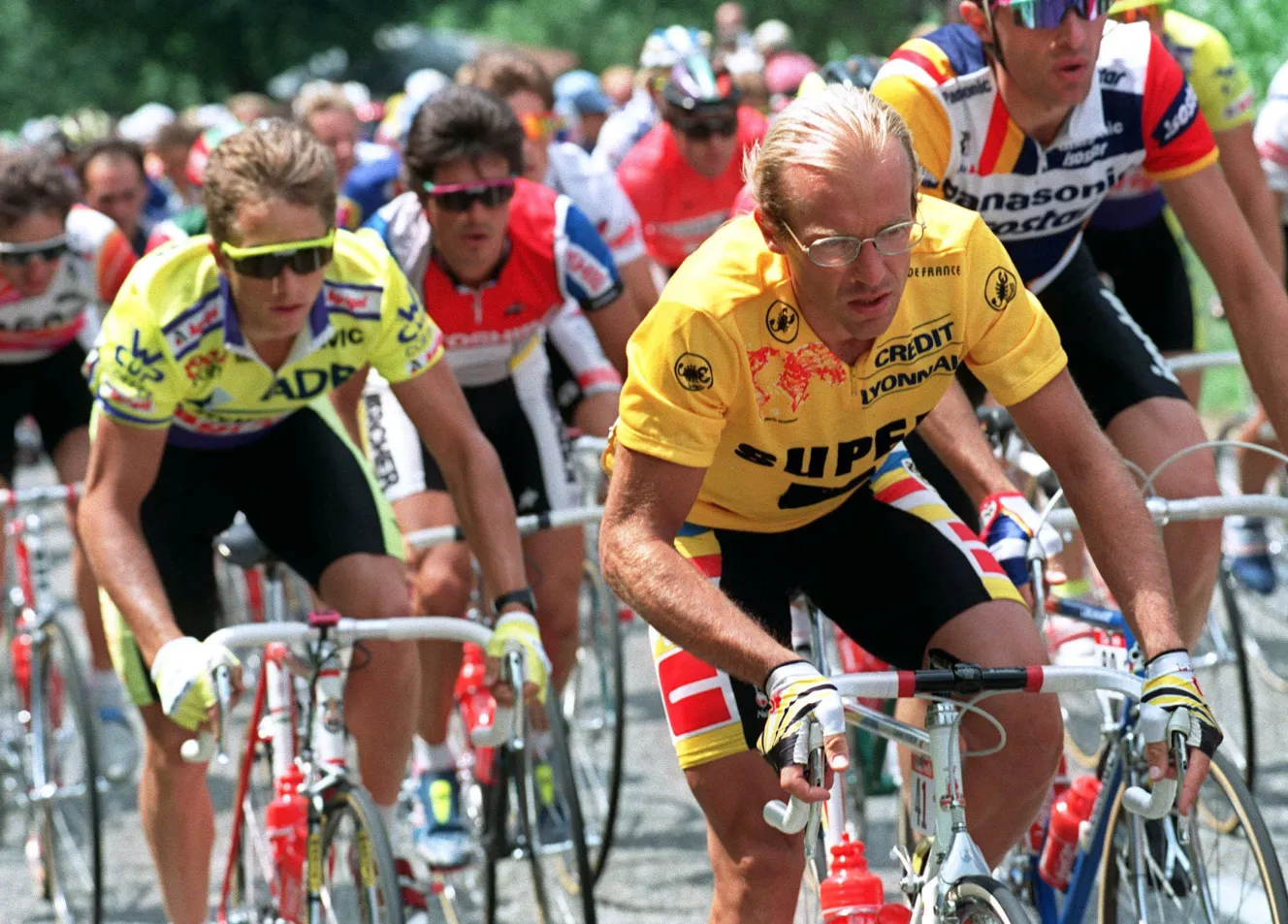 Laurent Fignon wearing the yellow jersey during the 11th stage of the race in 1989. He lost out by eight agonising secondsAFP/GETTY IMAGES
Now, however, the storyline could be about to change. Paul Seixas, a 19-year-old prodigy from a small town in central France, is generating frenzied interest after announcing that he will become the youngest participant in the Tour de France since 1937.
Seixas is not expected to come first in the race in July, when the favourite will be Tadej Pogacar, the four-time Slovenian winner. But after Seixas’s victories in the Tour of the Basque Country and La Flèche Wallonne, a Belgian road race, his fans are convinced that it is only a matter of time before he wins the Tour de France.
Christian Prudhomme, the race director, said he had not seen such enthusiasm for a French cyclist since Hinault’s triumph 41 years ago.
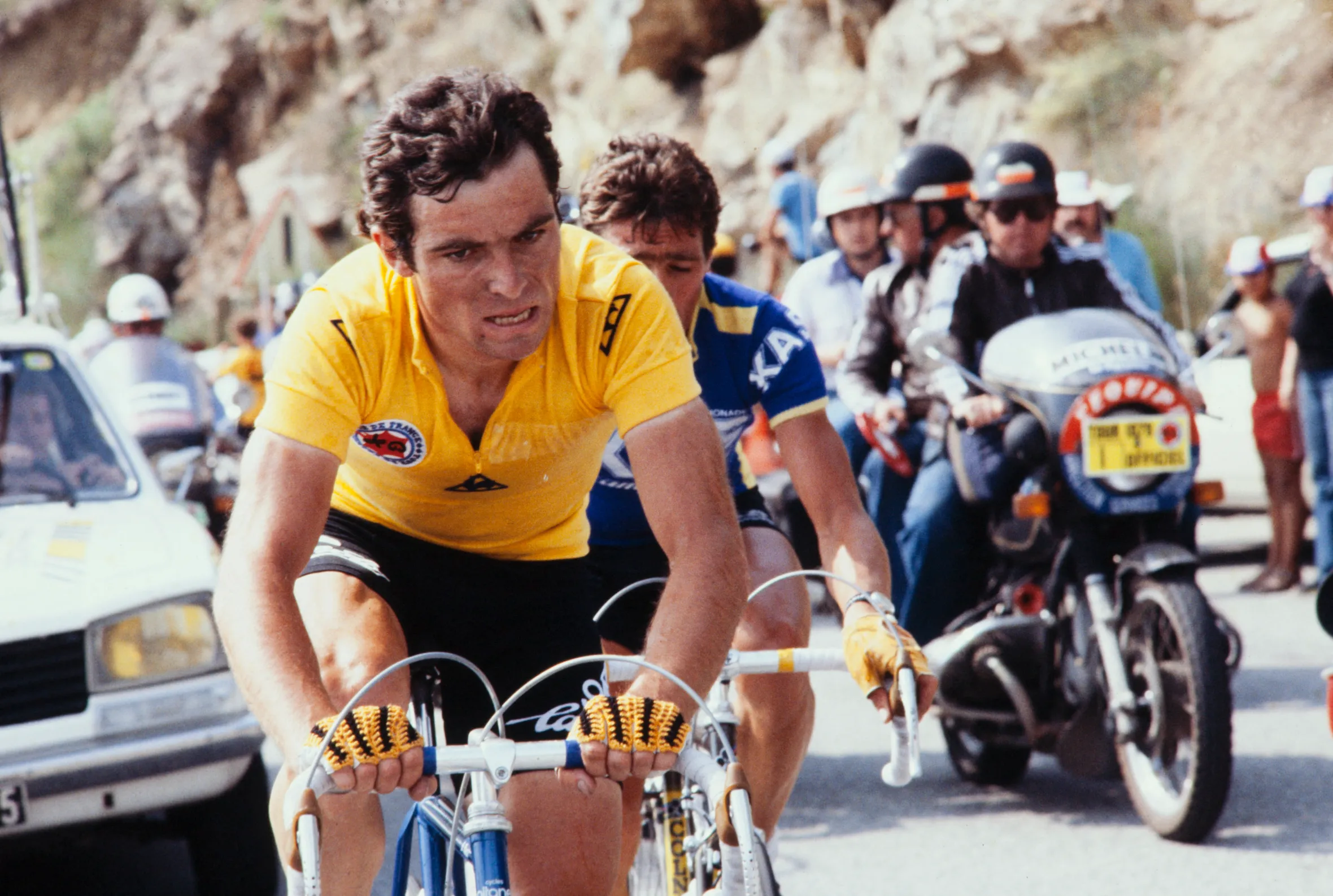 Bernard Hinault, the last French winner of the raceAFP/GETTY IMAGES
Laurent Jalabert, a retired French cyclist, suggested that Seixas could be the greatest rider ever.
The excitement has reached the Élysée, where President Macron is said to be dreaming of a tricolour victory in the race described by François Mitterrand, his predecessor in the 1980s, as part of the national “heritage”.
The presidential dream ran into the reality of modern sport when media outlets began speculating that Seixas might be tempted to leave his French team, Decathlon CMA CGM, for a lucrative contract with UAE Team Emirates in the Gulf. Macron, who travels to the provinces to watch the Tour de France almost every year, was said to be aghast.
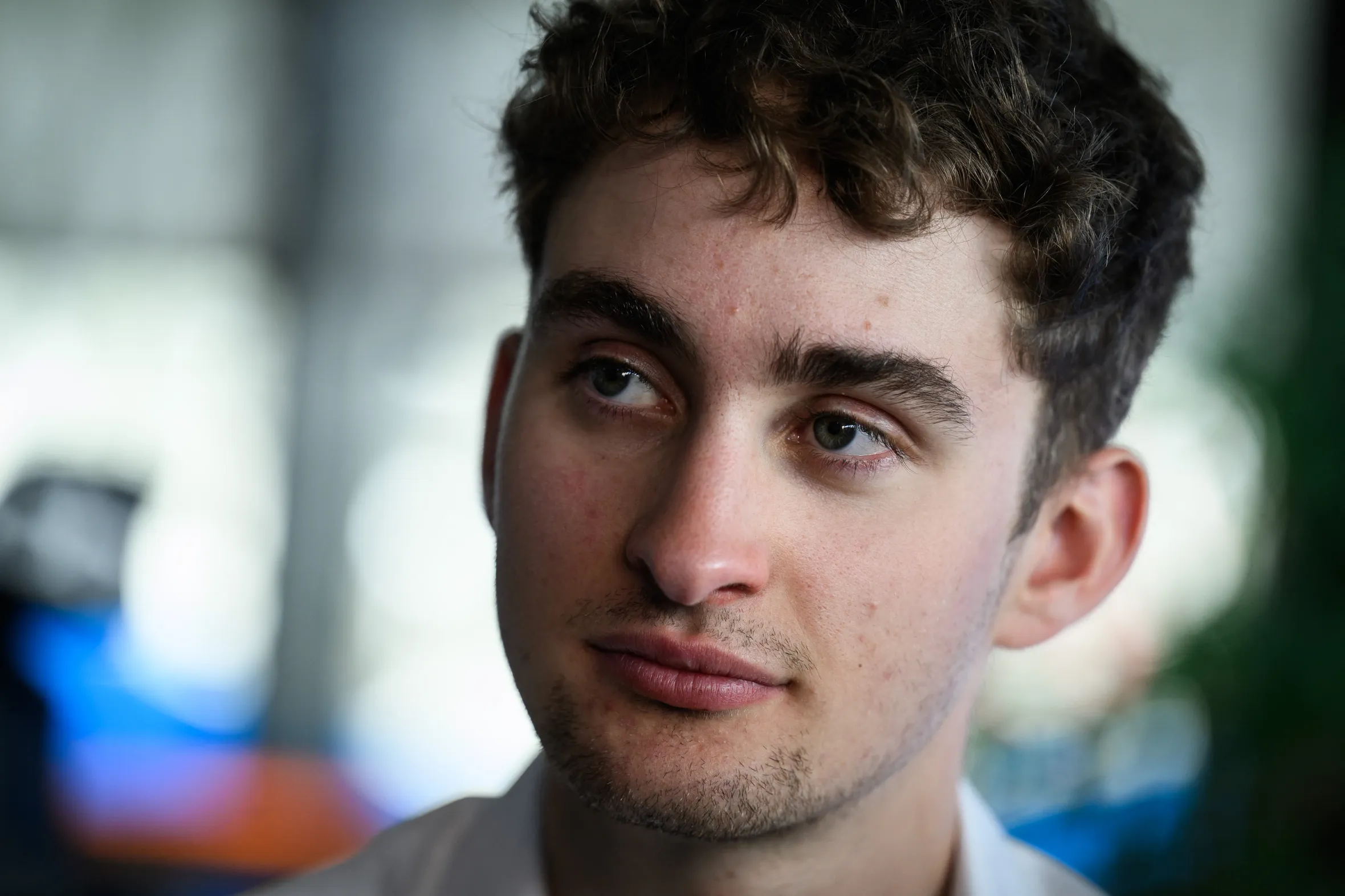 Paul SeixasJEFF PACHOUD/AFP/Getty Images
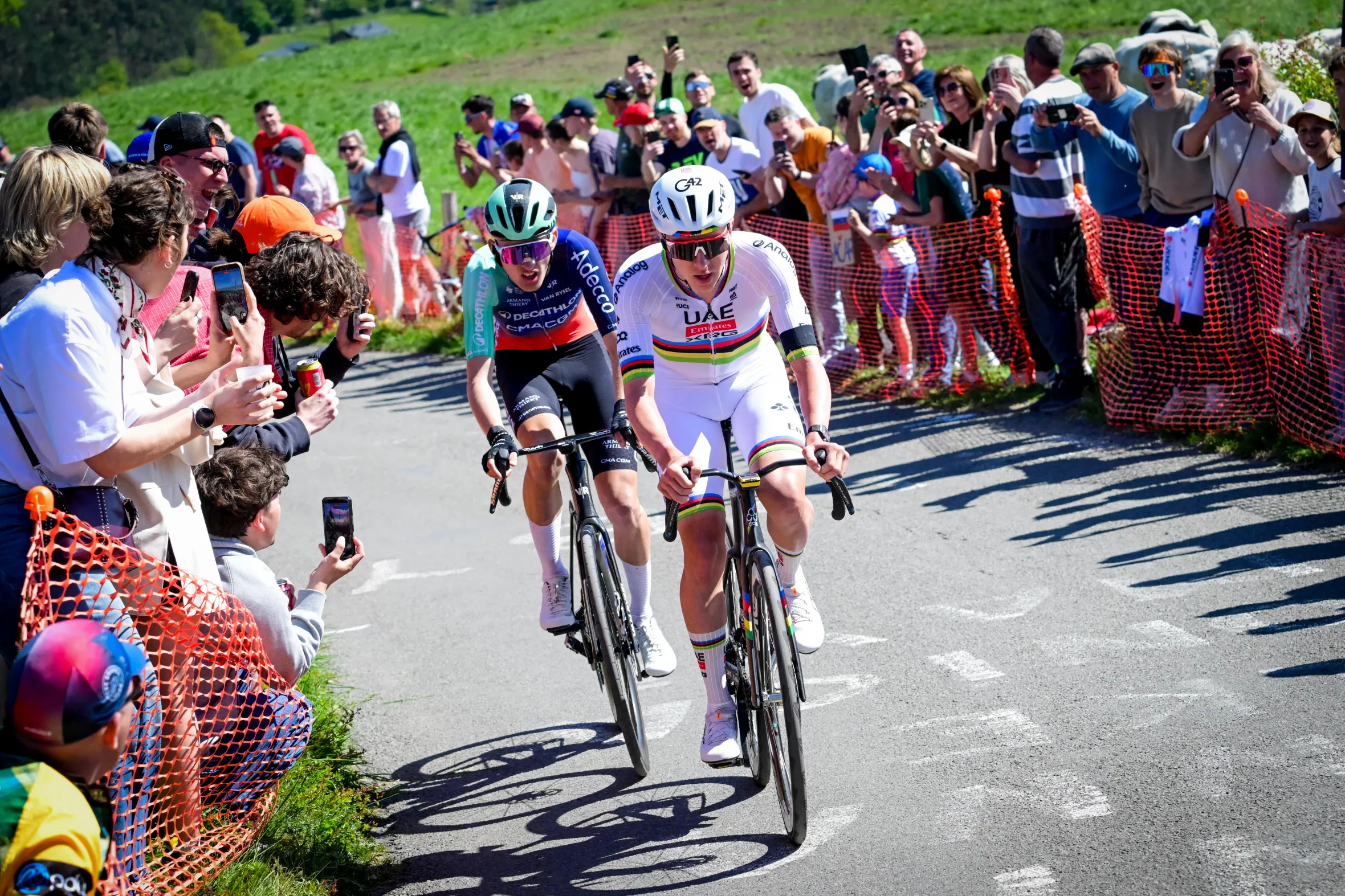 And with Tadej Pogacar, of UAE Team Emirates-XRG, during a race from Liège, Belgium, in AprilBERNARD PAPON/AFP/Getty Images
Eurosport, the television channel, said the president had put pressure on Seixas to stay put. Macron did much the same when Kylian Mbappé, the French footballer, was rumoured to be leaving Paris Saint-Germain for Real Madrid. Then, the presidential pleading had little effect, as Mbappé quit France for Spain in 2024.
With Seixas’s contract at Decathlon CMA CGM due to end next year, there is no guarantee that Macron will do any better this time, although at least the unpopular head of state can claim to be in tune with public opinion on the issue. Don’t Sign for UAE, a English language song by Kilian Willems, a German singer who performs under the name Killow, has gone viral. The song says that if Seixas were to remain in France, he could run for president or live in the Palace of Versailles, home to kings in the ancien régime — an exaggeration, but possibly only a slight one.
If the weight of expectations on Seixas’s shoulders is so big, it is because of the importance of the Tour in the national conscience. Ever since the state broadcaster began covering the race in 1948, generations of French people have discovered the diversity of their own landscapes by watching it.
Erik Orsenna, the high-brow novelist and member of the French Academy, summed up the national sentiment when he once said: “It’s thanks to the Tour de France that I learnt the geography and face of my country.”
Jacques Chirac, the late centre-right leader who was president in the 1990s, put it more succinctly. “The Tour, it’s France,” he said.
Seixas seems the perfect fit — a homespun provincial boy who lives in the small town of Anse, near Lyon, with his father, Emanuel, a computer analyst and former French karate vice-champion, and Emmanuelle, his mother, a teacher who also practises the martial art to a high level.
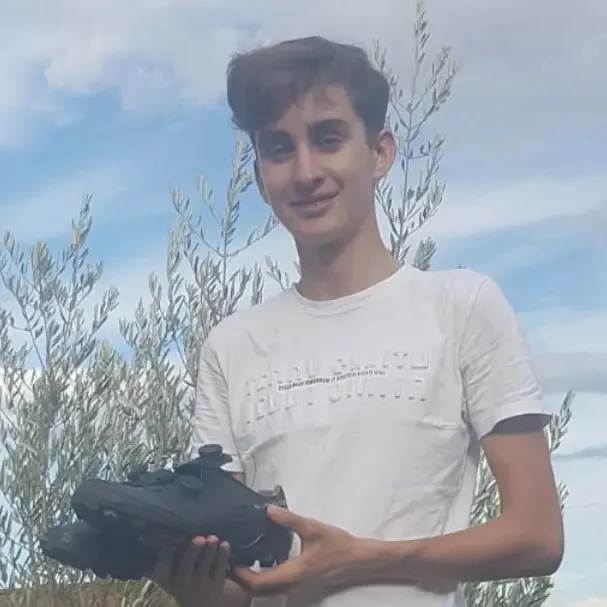 Seixas is from a small town near Lyon
Media outlets like to tell how he trained on the roads of the Beaujolais wine-growing region, and made public his participation in the Tour de France in a video in which he announced the news to his grandparents. L’Équipe, the sporting daily, said he had been an “introverted child” who had “freed himself” when he took up cycling. In short, he is depicted as everything the jet-setting Mbappé is not — although that description might have to be revised if Seixas signs for UAE.