
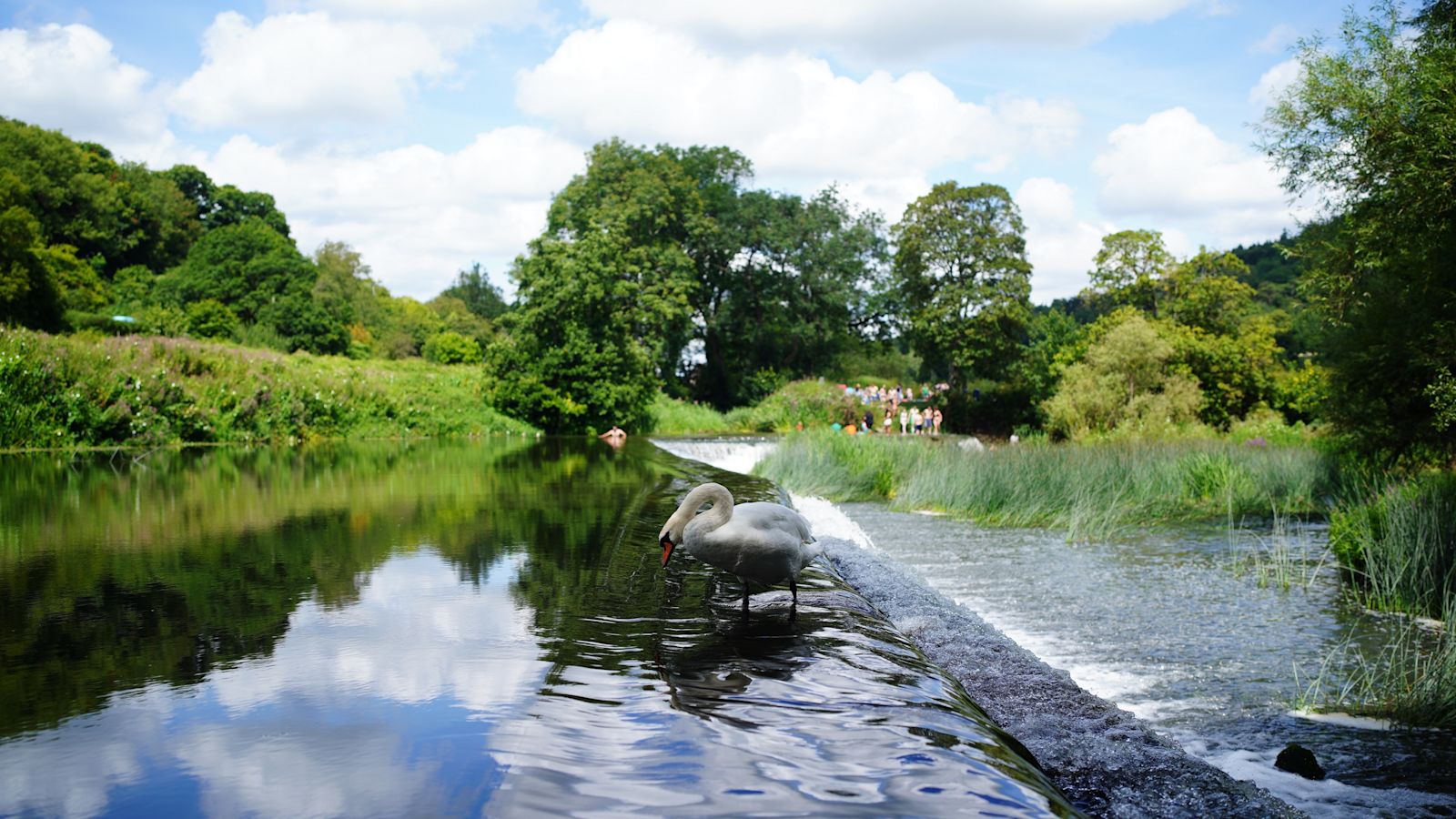
Conservationists have mapped out more than 70,000 weirs, dams and other river barriers across the UK, warning that they are a “huge problem” for wildlife and pollution.
A new database compiled by environmental charity WildFish reveals there is an average of one manmade barrier for every 2.5km (1.5 miles) of waterway across 150,000km (93,000 miles) of rivers across Britain.
Many of these weirs, concrete dams, underwater gates and other barriers are “old, redundant” installations that serve no practical purpose, the charity says.
WildFish warns that these structures make it difficult for fish and other wildlife to migrate, create areas of concentrated pollution and affect the overall health of the habitat.
These manmade obstacles are eight times more prevalent than natural barriers such as waterfalls, which only occur around once every 20km (12 miles) on average, WildFish said.
Meanwhile, data on barriers in Northern Ireland is scarce, with fewer than 100 obstacles recorded on the country’s thousands of kilometres of rivers.
A barrier above Radcliffe Weir in Nottingham. Credit: Jonathan Thacker via Wikimedia Commons
Barriers can damage the entire river ecosystem, with 674 rivers in England failing to achieve good ecological status in 2023 due to blocks to fish migration, the charity said.
River blockages are a driving factor in declines for four of the seven British freshwater species that are at risk of extinction – Atlantic salmon, European eel, allis shad and twaite shad.
But not all hope is lost, WildFish suggests, as when barriers are removed, rivers can quickly restore their flow and fish return.
The charity is calling for the government action on removing barriers where possible to help restore rivers and wildlife.
WildFish data analyst Daniel Nixon said: “River barriers have long been a huge problem for wildlife, pollution, and river health, yet the issue has received little attention – perhaps due to a lack of comprehensive data.
“WildFish’s database now reveals the true scale of the problem, with more than 70,000 barriers mapped across the UK.
“While the number of barriers is overwhelming, there is also real hope: when unnecessary barriers are removed, rivers typically respond quickly, with river flow restoring and fish returning to previously inaccessible reaches.”
A salmon leaps up the weir of the River Tyne near Hexham in Northumberland. Credit: PA
The charity said the biggest hurdle to removing weirs, culverts or other barriers is planning and legal permissions which can take months or years to secure, with go-ahead required from organisations such as the Environment Agency, councils or internal drainage boards.
Where removals do go ahead, however, the barrier can be gone in a matter of hours, often just for the cost of hiring a digger or jackhammer.
WildFish hopes the database – which it says is the most complete inventory yet of the barriers across UK rivers – will raise awareness of the issue and help identify redundant barriers to improve river health.
A typical example on the map is a weir – a small dam to regulate river flow – at the end of Ennerdale, in the Lake District, which maintained water levels when the lake was used as a reservoir.
Subscribe free to our weekly newsletter for exclusive and original coverage from ITV News. Direct to your inbox every Friday morning.
It is now a redundant structure that blocks fish such as the migration of Atlantic salmon, who make migrations of more than 1,000 miles, as well as sea trout, brook lamprey and European eels, the charity said.
An Environment Agency spokesperson said it “recognises the scale of the task to tackle barriers to fish and eel migration”.
“Working as part of the Great Yorkshire Rivers Partnership we have removed over 100 barriers so far,” a spokesperson said.
“We know there is more to do to improve river connectivity across our waterways and as part of our partnership work we aim to remove thousands of barriers across the country within the next two decades.”
Reporting History sees journalists join News At Ten anchor Tom Bradby to revisit their remarkable on-the-day reports of the defining events of the modern age. Listen to the episodes below…