
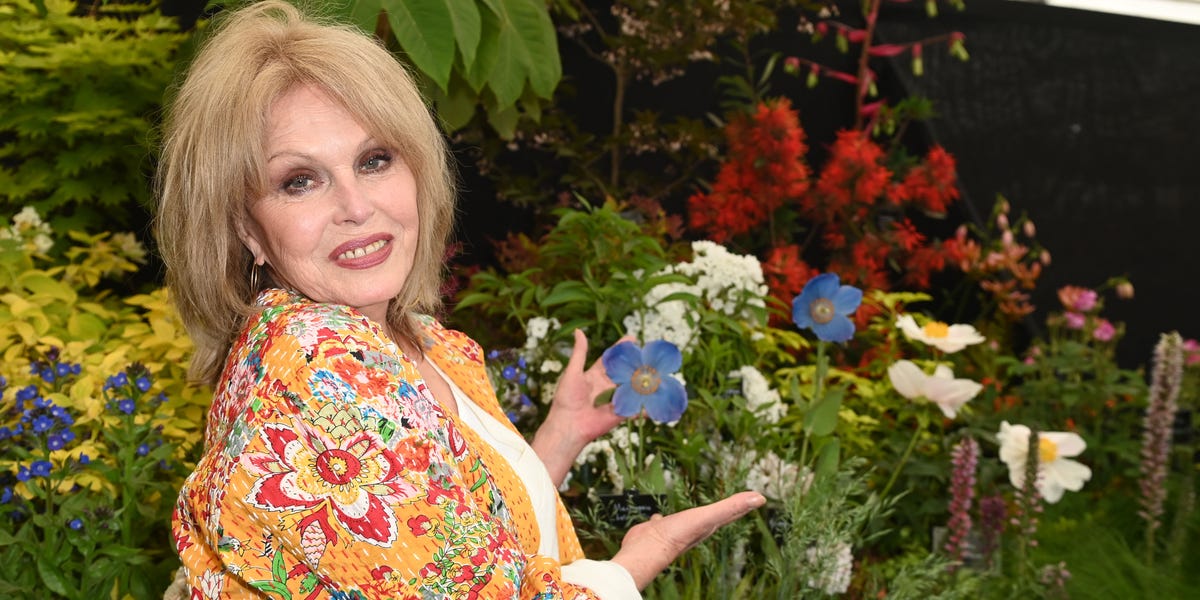
When Joanna Lumley speaks, we listen. So, our ears pricked up when she issued some fresh pearls of wisdom this week. ‘We tend to spend a lot of time inside or looking at screens and wondering why we’re deeply unhappy,’ she said at the Chelsea Flower Show. ‘The answer is: get gardening.’
Last year, a longitudinal study found that more exposure to green spaces was associated with lower psychological distress and gardening is now a key part of the NHS’s ‘social prescribing’ programme – a non-clinical approach to care aiming to improve health and wellbeing by connecting individuals to local activities, groups and support services.
Gardening has been linked to boosted life satisfaction, vigour, wellbeing and quality of life as well as lower anxiety, stress and depression. ‘It’s become very vogueish to say gardening is good for mental health,’ Joanna told Fothergill’s gardening brand at Chelsea. ‘[But] it’s been that way for years… Since time began, you’d come in from a day outside and you’d feel a day had been lived.’
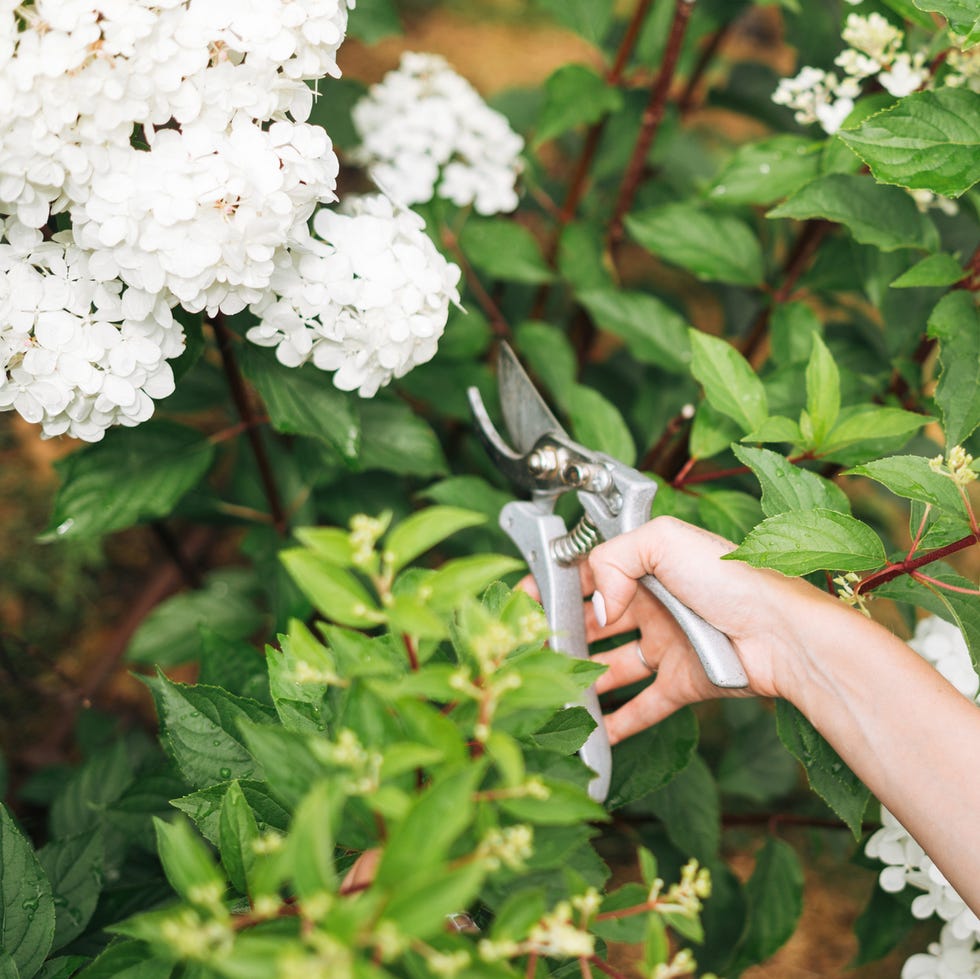
Planting or pruning, she went on, ‘has the most extraordinary effect on you… So I’m completely 100% behind it.’
Galina Zhigalova//Getty Images
Mental health benefits
In 2010, a landmark study from the University of Essex analysed data from more than 1,200 people and found that just five minutes of ‘green activity’, such as walking, gardening, cycling or farming, can boost mood and self-esteem.
‘We believe that there would be a large potential benefit to individuals, society and to the costs of the health service if all groups of people were to self-medicate more with green exercise,’ study leader Jo Barton said.
It wasn’t a one-off finding. In 2021, the RHS released research revealing that people who garden every day have wellbeing scores 6.6% higher and stress levels 4.2% lower than non-gardeners, while a systematic review from 2024 found that gardening can be as effective as antidepressants.
Physical health benefits
In a 2023 study published in The Lancet Planetary Health, researchers enrolled nearly 300 non-gardeners and enrolled half into a community gardening group. After a year, those who took up gardening had increased their physical activity levels by 42 minutes a week. They also ate more fibre (probably as a result of eating their garden produce) and reported lower stress levels, all of which meant their risk of heart disease declined.
Lajst//Getty Images
Cognitive benefits as you age
A long-term study from the University of Edinburgh examined the lifestyles of hundreds of older adults and found that those who spent time gardening had better cognitive function in later life than those who did not.
‘Engaging in gardening projects, learning about plants and general garden upkeep involves complex cognitive processes such as memory and executive function. Consistent with the “use it or lose it” framework of cognitive function, more engagement in gardening may be directly associated with a lower risk of cognitive decline,’ said lead researcher Dr Janie Corley.
We know what we’ll be doing this bank holiday weekend.
Related Stories