
Council officials said no Scottish local authority had introduced a new-style local development plan policy specifically on light pollution.
It said West Lothian Council had approved non-statutory planning guidance, and Dumfries and Galloway Council produced similar guidance in 2020. South-west Scotland is home to the UK’s first Dark Sky Park – Galloway Forest Park.
Highland Council said tackling light pollution could bring other benefits such as a cut in energy use, better protection for nocturnal wildlife – and even help people get a better night’s sleep.
They added any measures would have to be balanced against safety.
Ahead of Thursday’s economy and infrastructure committee, external, chairman Ken Gowans said: “Highland is already recognised internationally, and communities across the region are increasingly interested in achieving formal ‘dark sky’ status.
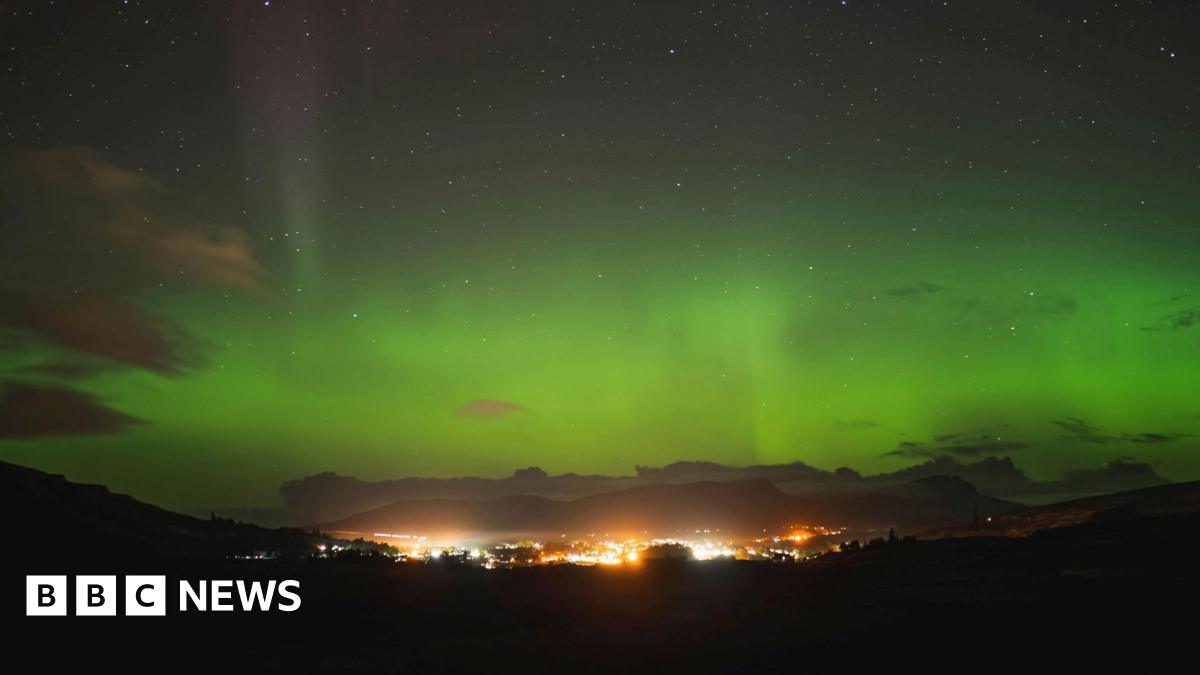
“This will not only enable people to enjoy Highland’s stunning scenery in daytime but our amazing skies and glorious Northern Lights at night.”
He added: “The proposed policy approach would provide a clearer and more consistent framework for managing lighting in new developments.”
In 2024, the Isle of Rum, which is in the Highland Council area, was named Scotland’s first International Dark Sky Sanctuary by the organisation DarkSky International.