

Britain has a savings problem. The average household puts aside just 7.7 per cent of disposable income, about half the French rate and a third of Germany’s. With expensive housing, high childcare costs and wages that haven’t kept pace with inflation, many families are living paycheque to paycheque with no surplus to think about starting to save. According to the latest FCA data, one in 10 adults has no cash savings at all, and a further one in five has less than £1,000 to draw on in an emergency.
Behind these numbers are dramatically different stories: people with no buffer at all, those slowly building one, and some who save with near-religious discipline.
Here is what 10 Britons across generations say they really have in savings, and how they got there.
‘It feels strange and embarrassing, earning this much but having nothing put aside’
Anonymous, 50, professional, West London. Earns: £120,000. Savings: none
“Buying my house emptied everything I had and I haven’t rebuilt a pot since. I have no savings whatsoever despite earning £120,000, which I know is a very high salary. Some nights [my lack of savings] keeps me awake.
“The reason I don’t have savings is my £3,000-a-month mortgage consumes most of my income. What remains goes on food, bills and caring for my two daughters who have special educational needs. My wife works part-time but spends most of her time caring for our children.
“My wife and I see things so differently. She sees our home as this big asset. I just see the debt. I love the house, but sometimes I think I’d rather live somewhere smaller and have some savings.”
‘I’ve retired, but thanks to my pension and savings I’m earning more than when I was working’
Anonymous, 80, retired, South East. Earns: £31,000 (after tax). Savings: £40,000
“I come from a family of five children that never had enough money coming in each month. When I first went out to work I had no idea about saving. But I sensed quite early that my marriage wasn’t working, and by my late twenties I had come to realise that I’d likely end up on my own. That focused my mind.
“I divorced in my late thirties and from that point made it a goal to be comfortable when I retired. I was fortunate to earn a reasonably high salary, and made the decision to overpay into a personal pension. I never had the luxury of a workplace pension with employer contributions. Automatic enrolment didn’t exist then, and many companies simply didn’t offer pensions to female employees at all, only the men. So I had to be disciplined and do it entirely myself.
“It worked out. When I retired I exchanged my pension savings of £325,000 for an annuity, which pays me £25,000 a year, or £1,200 a month net of tax, plus I get a state pension of £321 a week. All in all it’s around £31,000 a year after tax. I also have £40,000 in savings in a fund, my safety net for older age. In fact I was less well off when I was working than when I stopped.”
‘At 60, I can’t afford to retire – I wish I’d started saving sooner’
Sally, 60, Berkshire. Savings: small pension pot, still being rebuilt.
“When I turned 55, concern about my pension turned into something close to panic. I wasn’t in a good financial position and felt embarrassed I hadn’t taken it seriously sooner. I have no substantial savings, just a small pension pot I’ve been trying to rebuild over five years with the help of a financial adviser. Now, at 60, I work as a stylist, bra fitter and nursery assistant, three jobs I juggle because I cannot yet afford to retire. I’d love to retire now, but I can’t.
“Pension saving was never discussed when I was younger. Back then you were made to feel intimidated by the whole thing. Only very rich people invested. I was also caught in a generational gap, too young to benefit from the final salary pensions that gave earlier generations a guaranteed income, but too old for auto-enrolment, which wasn’t introduced until 2012, by which point I was already in my late forties and the habit had never formed.
“Younger people tend to think older people [are] all loaded with a massive pension, but it’s not true, particularly if you’re a woman. It’s daunting thinking about working until 67. I’m tired and it’s a lot of worry. I see people my age still working everywhere, garden centres, supermarkets. They’re like me: they can’t afford to slow down.”
‘I got sick of being broke – over seven years I’ve saved £25,000’
Tony Young, 47, South Wales. Earns: £52,000 Savings: £25,000
“I’m a child of the 1980s and the film Wall Street had a big impact on me. It was the hustle that appealed, but it also felt like a different world, only for a certain type of person. But then I got sick of being broke, started reading up on investing and realised it could be my world too.
“My first saving habit came from money blogger Skint Dad’s ‘penny a day’ challenge. You put in 1p on 1 January, 2p on 2 January, and so on, up to £3.65 on 31 December, which totals £667.96 over a year. You don’t have to be Gordon Gekko [the ruthless Wall Street trader played by Michael Douglas in the 1987 film] to make your money work. All you have to do is download an app.
“I now contribute £200 a month into my stocks and shares ISA, on Moneybox, often rising to £400. I also use the rounding-up feature on Moneybox, which automatically rounds up every purchase to the nearest pound and sweeps the difference into savings, so the extra builds up without me noticing. I also contribute into both a private and workplace pension.
“I’m really geeky, I keep spreadsheets on everything. Last month alone my pension grew by £4,500. Seven years ago I had nothing and it has taken discipline and consistency to get to £25,000.”
‘I’m a financial adviser but have spent all my savings – I never tell my clients’
Anonymous, 52, financial adviser, South West. Earns: £50,000. Savings: none. Debt: £30,000
“People assume someone in my profession must have been uber-sensible with money. The truth is my finances are a mess. I’ve got about £30,000 in credit card debt and no savings whatsoever. I’m ashamed of it. I’ve always had a bit of a spending problem and I’m not exactly sure why I can’t get more of a grip on it. I’ve started to wonder whether I might have ADHD, but then it feels like an excuse. Like I’m just not self-disciplined enough.
“I did have savings before I got married and was in quite a good position. But then I relaxed. I thought I didn’t have to worry about money as much, and gradually spent what I had. Now I’m going through a divorce and the legal fees alone are crippling. I’m living in a rental and trying to work out where I’ll be in a year’s time.
“Of course I don’t tell clients any of this. But once I get this divorce over and done with, I’m planning to focus and build up my savings and pension properly. At the moment everything else feels like a secondary priority.”
‘I earn £150,000 but still feel as poor as when I was a student’
Anonymous, 36, tech professional, London. Earns £150,000-£170,000. Savings: £1,000 per month into ISA
“I earn £150,000 to £170,000 but the way the UK tax system works, I’m left with about the same disposable cash I had at university. I channel £50,000 to £70,000 each year into my pension to keep my taxable income below £100,000, which means I still am entitled to Tax Free Childcare. That sounds extreme, but with two children under three, nursery alone would cost £4,000 a month for three days a week without the benefit.
“By reducing my taxable income to under £100k that bill falls to £1,500. After mortgage, bills and pension contributions I’m left with around £1,000 a month in disposable income. I’ve never succumbed to lifestyle creep because I’ve never actually had the money for it.
“Saving, for me, is about options. Security and freedom. The ability to retire early or change careers. At current projections my pension will pay out around £70,000 a year when I retire, more than my current disposable income. That’s what keeps me going.”
‘We’re in our 30s, and still saving for a house deposit’
Anonymous, early 30s, London. Earns: high-rate taxpayer (£50,000+). Savings: £70,000
“My husband and I have around £70,000 saved for a house deposit, most of it from the sale of a property he had been renting out for nine years. The money is mostly in Premium Bonds with the rest spread across cash ISAs. We haven’t been putting a set amount away each month as it really depends on how busy we are and what else we need to spend on. In winter, we can put away £300 to £500, but that drops off dramatically in spring and summer when holidays and other priorities take over.
“My husband is naturally a saver. I am naturally a large spender who finds it difficult to save, especially when the goal feels so far away. As we’re looking to buy in London, it’s hard to commit so much money to a property that will be much smaller than you’d get anywhere else for the same price. Owning a home has only really mattered to me recently, mainly so we don’t have to rely on a landlord.
“I do feel envious of people who’ve already managed to buy in London. But not of people in other parts of the country or even my parents. Living in the capital has always been the priority and I wouldn’t consider living anywhere else.”
‘Having savings feels like a force field protecting us’
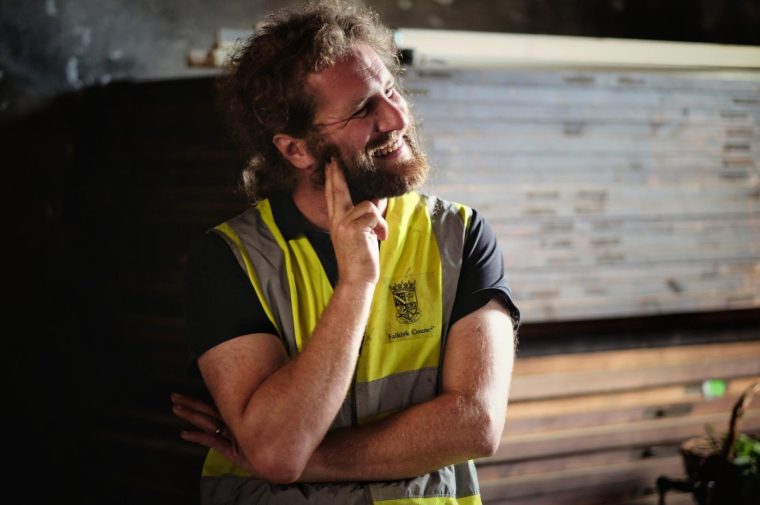 No matter the generation, everyone’s saving and spending habits are different
Ross Caldwell, 37, fundraiser, Seamab School, Bo’ness. Earns: £38,000. Savings: £10,250, built in one year
“My savings journey began with the breakdown of my van last year. It cost £1,500 to fix and I didn’t have that money. That was my wake-up call to start saving.
“I’ve built £10,250 from nothing since then, working overtime, cutting back on nights out and seeing friends less than I’d like. Today I keep my emergency fund in a Moneybox Cash ISA. I aim to have £3,000 in there, roughly three months of basic expenses. I also have £5,500 in a stocks and shares ISA, £1,250 in a Lifetime ISA including the government bonus, and £1,000 in Premium Bonds.
“I have afforded this by working overtime and seeing friends less. Having savings feels like a force field protecting us. And if something breaks now, I can actually afford to repair it.”
‘I’d rather enjoy my money now than put it all towards the future’
Paul, 36, researcher, East Midlands. Earns £46,000.Savings: £3,500
“I could never budget correctly when I was self-employed because my income varied so much month to month. I’d tend to spend when I had the money and scraped through in quieter moments. Now I can plan ahead. I’ve saved around £3,500 in two years, £2,000 in a Lifetime ISA and £1,500 in a stocks and shares ISA. I also pay around £400 into my workplace pension, which is around 10 per cent of my salary.
“I started saving because I wanted more of a buffer in life, something to help with unexpected bills and holidays. The Lifetime ISA is there to make amends for not starting a pension sooner. But in some ways I’d rather enjoy my money now than put it all towards the future.”
‘Renting feels like wasted money – so I’m living with my parents and saving‘
 Emily avoids expensive coffees and carries around herbal teas to cut back on uneccessary spending
Emily Jones, 19, quantity surveyor degree apprentice, Essex. Earns £26,000. Savings: £15,500
“I saved £15,500 while studying full-time and living with my parents, earning between £200 and £500 a month from part-time work, putting almost all of it away. But now I’m a degree apprentice, my salary has risen to about £26,000 and I can now save £800 to £1,000 a month. My ambition is to buy a home by 22 because renting feels like wasted money.
“I avoid expensive coffees out. I buy sachets of flavoured coffees, £2 for eight, and carry herbal teas so I’m not paying for a tea bag in hot water. I love cashback and loyalty schemes. My philosophy is simple: pay yourself first.
“Savings come out immediately each payday into my Plum account, the app automatically sets aside money based on what I can afford, so it happens without me having to think about it.”