
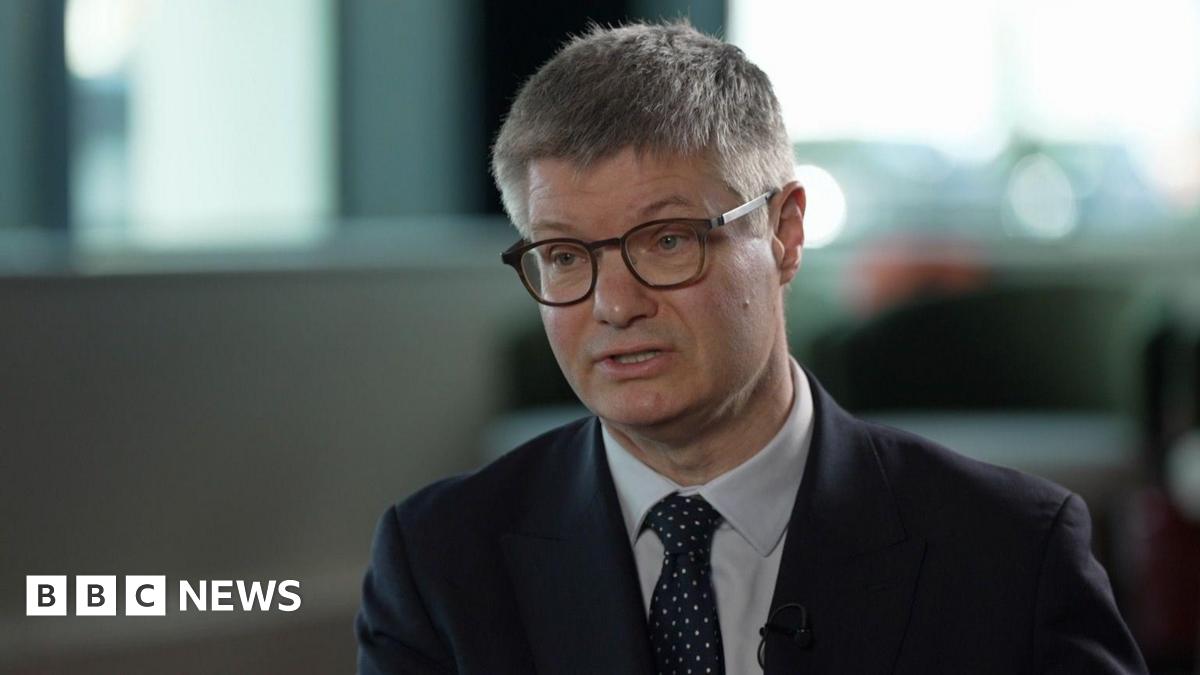
Conservative peer Lord Wolfson also called on the government to reverse its hike in the rate employers have to pay in National Insurance, along with minimum wage rises. But he said economic growth was the main solution to boosting the jobs market.
“Youth unemployment is really a symptom of wider problems with employment in the economy, and of course, if you’ve got fewer jobs, the people who suffer most are the people with the least experience and that is the youngest,” the chief executive said.
A Treasury spokesperson said increasing the national minimum wage boosted pay for more than 200,000 young workers, and pointed out that employer national insurance contributions were lower when hiring under-21s.
“Cutting wages for the lowest paid during a time of global uncertainty is not the answer,” the spokesperson said, adding a £2.5bn youth employment support package would “deliver a million opportunities across the country”.
A Department for Business and Trade spokesperson, who claimed the Next boss was paid £7m last year, said the government’s Budget has allowed it to stabilise the economy and deliver support for families and businesses.
There are growing concerns over the number of young people not working. Latest figures show the unemployment rate for 16 to 24-year-olds is 16.2%, the highest since last 2014, and more than three times the rate of general unemployment at 5%.
High street retailers and hospitality businesses such as restaurants, cafes and pubs often offer the first experience of work for many young people, especially those still at school and in further education.
But businesses including Next have warned that an increase in taxes for employers and higher minimum wages were affecting their ability to create roles, particularly lower paid, part-time jobs. Sluggish economic growth can also have an impact on hiring, as businesses tend to hold off investment.
Lord Wolfson said, as a result of cost increases, Next had fewer staff in individual shops, but its online business was thriving. He previously said government policies had seen Next’s wage bill rise by £70m per year.
He added the retailer was increasingly using automation and other technology, such as self-scanning lockers for customers to return items instead of having staff on tills.