
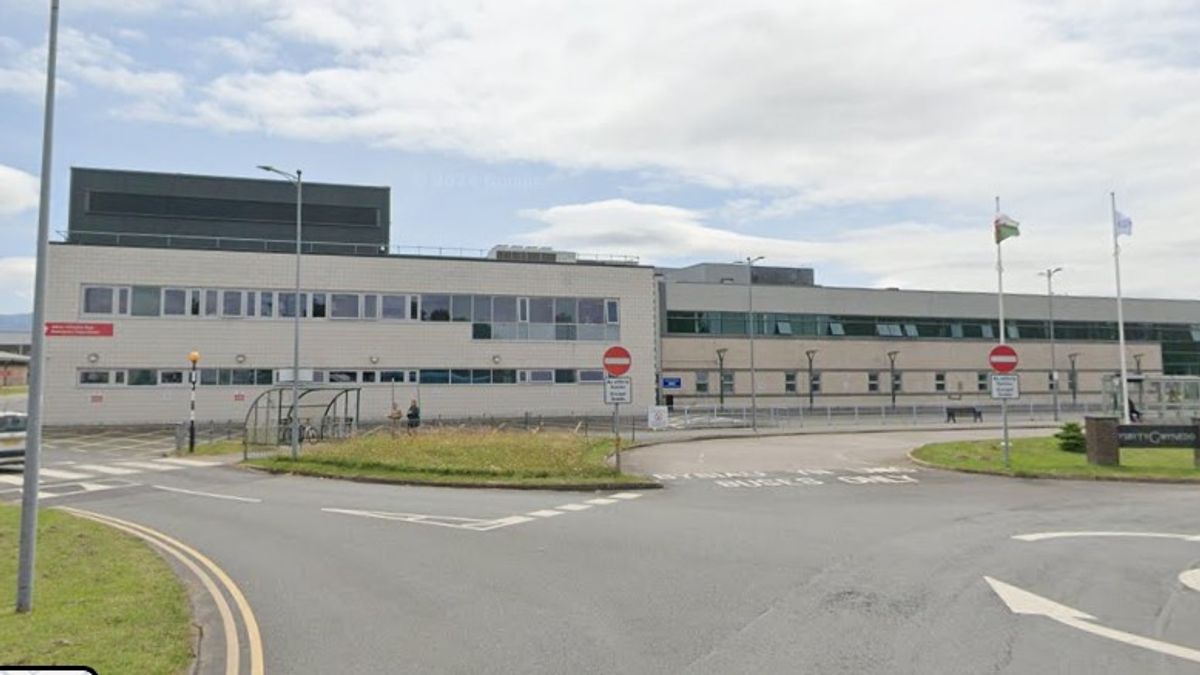
Concerns have emerged regarding patient safety at a North Wales health board following an incident where a surgeon mistakenly removed the healthy portion of a cancer patient’s bowel, rather than the tumour itself.
The alarming error represents just one of an escalating number of “never events” documented within Betsi Cadwaladr University Health Board. Never events are classified as mistakes so severe and avoidable, there should be no justification for their occurrence.
Internal quality and safety documentation reveals the North Wales health board has logged a rising number of never events in recent years, with a marked increase during 2025/26.
However, papers under consideration by the board’s governing body highlight concerns about a “rising frequency and recurrence of never events, with limited time between occurrences, indicating potential systemic control weaknesses”.
The annual statistics demonstrate:
2022/23 – 5 never events2023/24 – 6 never events2024/25 – 5 never events2025/26 – 10 never events2026/27 – 1 never events so far
The board papers show that during the rolling period between April 2025 and March 2026 where 10 never events recorded, there was median gap of just 44 days between incidents, reports Wales Online.
Of those incidents, five involved wrong-site procedures; two involved incorrect implants; two involved retained objects, and one involved medicine being administered by the incorrect route. The North Wales Live Whatsapp community for top stories and breaking news is live now – here’s how to sign up
The report also noted that many of the wrong-site procedures occurred outside formal operating theatre environments. For the biggest stories in Wales first sign up to our daily newsletter here
One of the most serious incidents involved a patient at Bangor’s Ysbyty Gwynedd, who had been scheduled to have part of their bowel removed after it was found positive for cancer. Before the surgery, doctors had marked the area of the tumour with a tattoo inside the bowel to guide surgeons during the procedure.
However, during the operation, the surgeon could not locate either the tumour or the expected tattoo in the area. A second tattoo was then identified a few centimetres away and was mistakenly assumed to be the correct surgical marker.
As a result, the surgeon carried out an extended right hemicolectomy instead of the left-sided surgery that should have taken place – leading to the removal of a healthy section of bowel instead of the cancerous tissue.
Following this, the patient has undergone further investigations and is being prepared for additional surgery, with the incident formally classified as a wrong-site surgery never event.
In a separate never event, the document also reported that a similar mistake happened when a patient was referred to a dermatology one-stop clinic through the Urgent Suspected Cancer pathway at Wrexham’s Maelor Hospital.
The patient initially underwent cryotherapy treatment, which uses extreme cold to freeze and destroy targeted abnormal tissues. They were later listed for a minor operative procedure that afternoon as part of the clinic’s one-stop treatment pathway.
However, after the surgery, the patient informed nursing staff that the wrong area appeared to have been treated. This led to an immediate review by the operating clinician and the patient had to undergo further surgery later that same day to correct the mistake.
An investigation remains ongoing, but early findings suggest the incident arose from a combination of human error, failure to follow existing procedures, and the absence of a tailored protocol for that type of clinic arrangement.
In response, the health board said a new protocol for one-stop dermatology surgery clinics is being developed for use both internally and with partner organisations.
Despite improvements in some areas, Betsi Cadwaladr remains under significant scrutiny following years of concerns. The health board – which is the largest in Wales – has faced repeated interventions by the Welsh Government over the past decade.
The North Wales health board was first placed into special measures in 2015 because of serious concerns about leadership, patient care and service performance.
It was then downgraded to targeted intervention in November 2020 after some improvements were made, but returned to special measures in February 2023 due to ongoing concerns including AandE performance, cancer waiting times and financial pressures.
The latest report acknowledged “areas of strong assurance”, particularly around investigation timeliness, complaints management, clinical effectiveness and mortality improvement.
However, it warned that recurring never events, infection prevention challenges and ongoing external scrutiny remain “significant risks requiring continued Board oversight”.
Get all the latest Gwynedd news by signing up to our newsletter – sent every Tuesday