
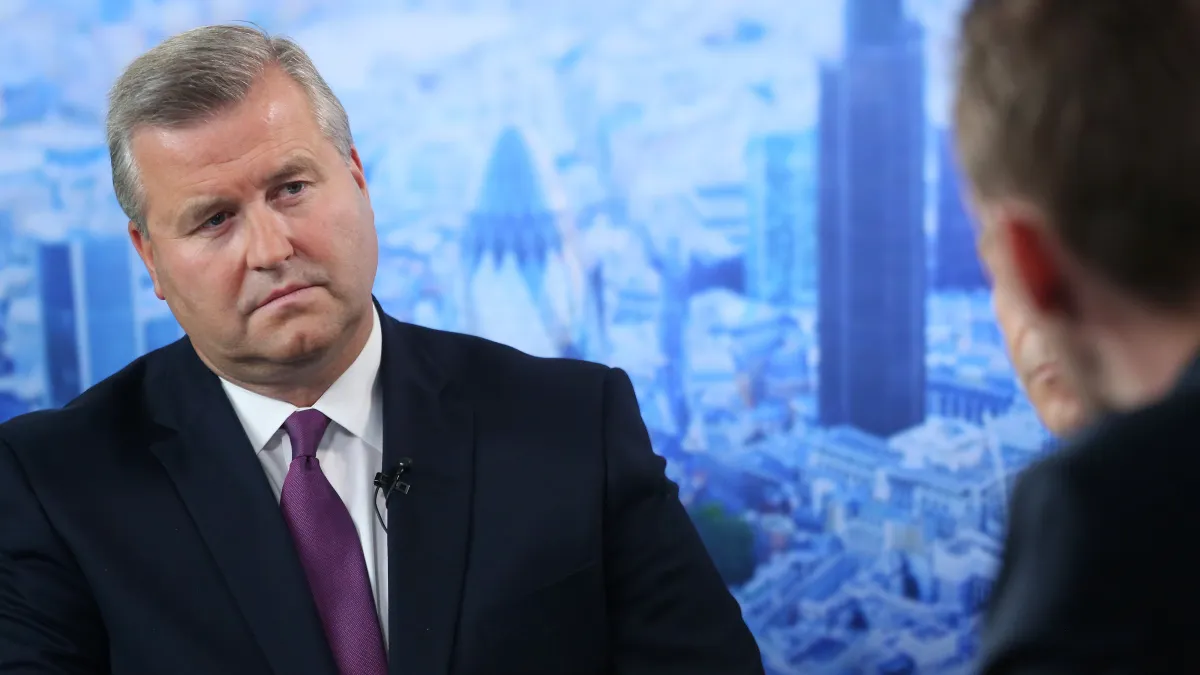
The chairman of one of Britain’s largest companies has been ousted after less than a year over allegations of bullying.
The board of BP said it had decided unanimously that Albert Manifold should step down immediately, citing serious concerns relating to “important governance standards, oversight and conduct”.
Manifold, 63, a former chief executive of the Irish building materials group CRH, was appointed in July last year and took up the role in October.
It is alleged that his sudden departure came after several complaints were made by junior and senior employees at BP.
A source close to BP said Manifold was a “strong character” and there was “lots of yelling in meetings”.
The source added: “When he arrived BP was all over the place and he was behind a change of pace, but his behaviour was just not on. We’ve already had a number of complaints.”
BP declined to comment on whether bullying behaviour was part of the reason for his immediate dismissal. The Times has attempted to contact Manifold for comment.
Manifold was considered to be instrumental in the appointment of the BP chief executive, Meg O’Neill, after the abrupt departure of Murray Auchincloss in December.
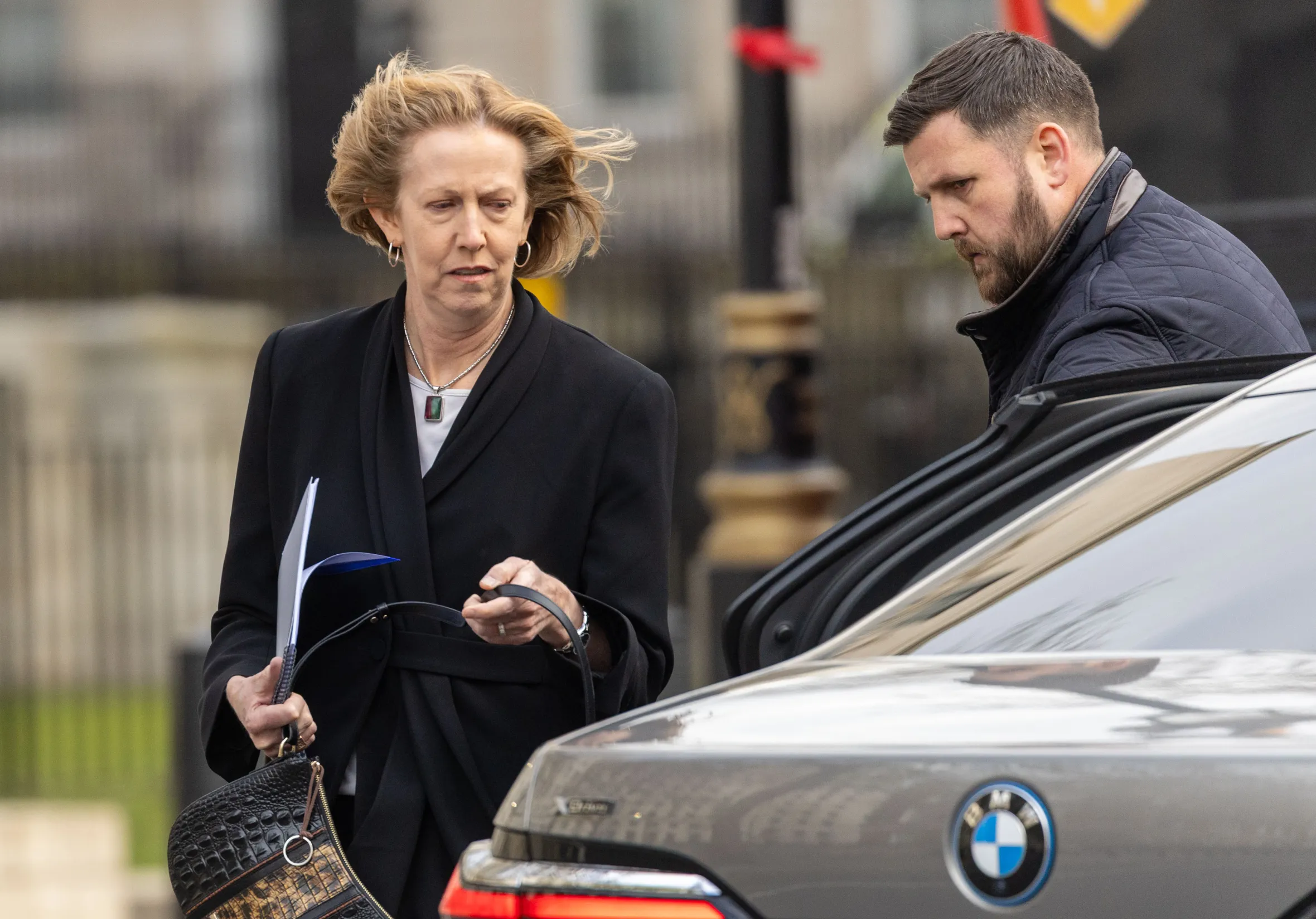 Meg O’Neill leaves Downing Street in March after a meeting to discuss the economic effects of the Iran warTayfun Salci
Dame Amanda Blanc, senior independent director at BP, said: “Albert has helped bring a welcome focus and pace to BP’s transformation. However, the board has been surprised and disappointed to learn of governance oversight and conduct issues it deems unacceptable and has taken decisive action.”
The board has appointed Ian Tyler as interim chairman with immediate effect. Tyler, 65, said: “The board and leadership team have deep conviction in the strategic direction we have laid out and the company is moving at pace to deliver it.”
He said the board had been “very impressed” with O’Neill, 55, adding: “She has already taken bold action to simplify and strengthen the organisation, such as announcing the move to a clearly defined upstream-downstream model. Under her leadership, we are building a simpler, stronger, more valuable BP.”
BP shares closed down 4 per cent at 529p.
Last week O’Neill, who is BP’s fourth chief executive since 2023 and the first woman in the role, told staff: “Right now, we’re operating in an environment of significant complexity: geopolitical tension; conflict; rapid technological change; and shifting global energy demand. I believe that we, as a company, have a clear job to do: delivering energy to the world, today and tomorrow — safely, reliably and efficiently.”
BP is trying to shake off years of poor performance and leadership turmoil. It started with the departure of Bernard Looney, who was ousted as chief executive in September 2023 on the grounds of “serious misconduct” for failing to disclose relationships with colleagues.
Until his exit, Looney had staked his reputation on a plan to move BP towards greener energy. Auchincloss attempted to reverse the green focus but was unable to move fast enough to satisfy investors.
Last month 18 per cent of shareholders rebelled against Manifold’s election at the general meeting. The shareholder advisory group Glass Lewis had called for investors to vote against him because of concerns over governance.
It claimed that BP had taken “unprecedented action” in refusing to table a resolution filed by Follow This, the Dutch climate activist and shareholder advocacy group, and a group of pension funds that called on the board to set out strategies for maintaining shareholder value if oil and gas demand declines.
However, ISS, another proxy adviser, recommended shareholders vote in favour of Manifold’s election. He was supported by other large investors, including Norges Bank, which manages the Norwegian sovereign wealth fund and is among BP’s five largest shareholders.