
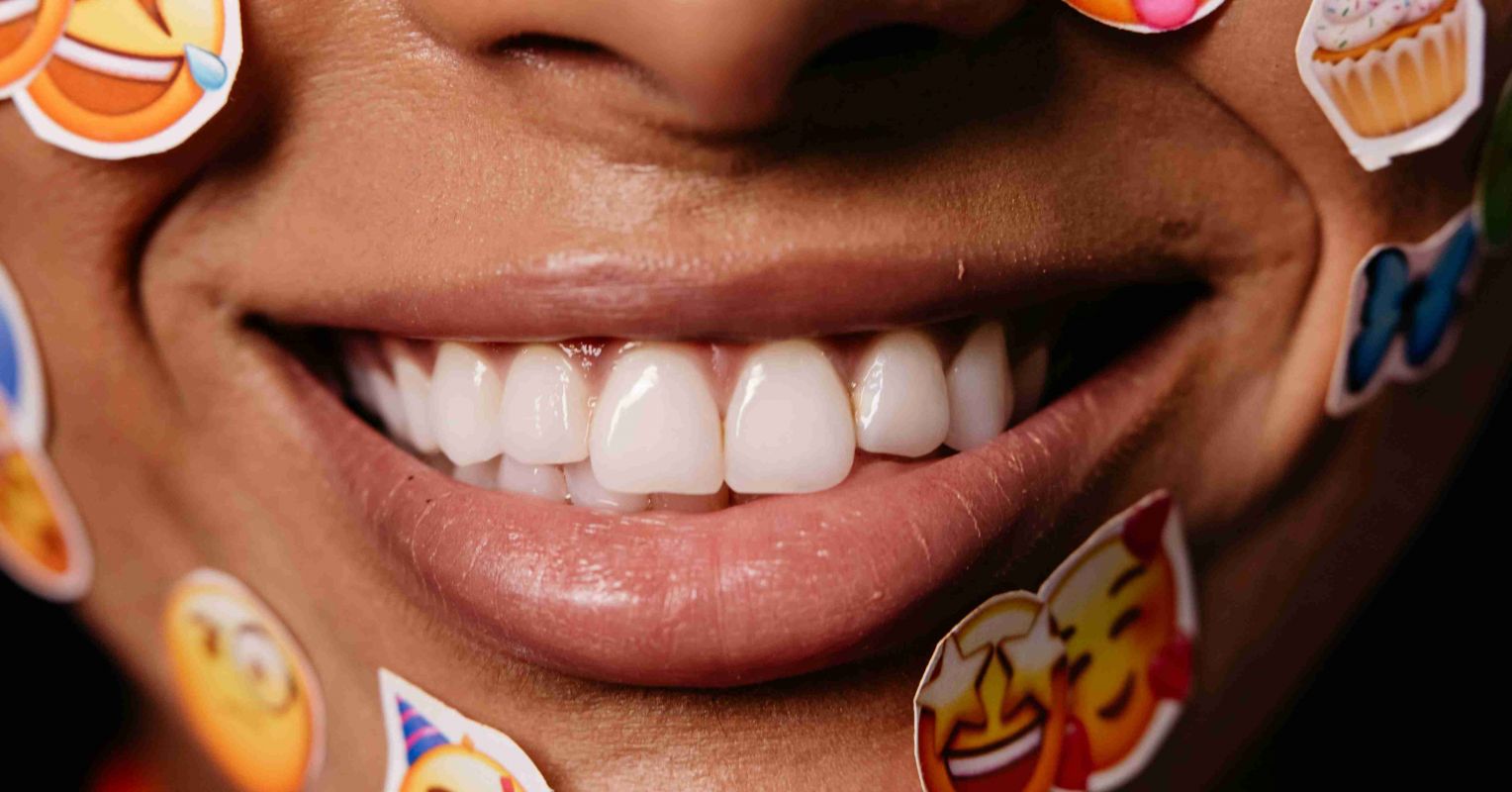
Laughter theorists have long separated themselves into one of two camps. Members of the first maintain the primal or primary function of laughter is one of communication. That is, it evolved to convey an important (albeit nonverbal) message to others in our immediate vicinity, similar to screaming or moaning. This view is codified in various explanations, including Superiority Theory (laughter asserts superiority), Play Theory (it signals a desire to play, or view things non-seriously), and the Mutual Vulnerability Theory (wherein laughter reminds others of shared limitations).
Those in the second camp insist laughter’s purpose is fundamentally physiological. It either dissipates built-up emotional tension, as suggested in Tension Relief Theory, or serves as a pleasant reward for having solved some incongruity, as described in both Incongruity and Benign Violation theories.
Amusement in written form
As a representative of the first camp (and originator of the Mutual Vulnerability Theory), I’ve been debating colleagues within the second faction for nearly two decades now.
Unfortunately, it was only after a recent American Philosophical Association symposium on my book, Understanding Laughter and Humor, that I first saw how laughter emoticons and emojis might help make the case. According to Merriam-Webster, various emoticons—with laughter usually typed as 😀 —have been used since the mid-1990s. More recently, a half dozen or so graphic emojis have been created to represent various degrees of amusement, the emotion that, above a certain threshold intensity, is most definitively expressed with laughter (Simon and Donian, 2025).
There is a basic laughter emoji consisting of an open smiling mouth (often with teeth showing), intense laughter (the same with squinting eyes), laughing with tears, falling over with laughter, emojis that include fingers pointing at the reader (presumably laughing “at” them), or some combination of these. When these aren’t easily available, people may instead use written approximations of laughter such as “Ha!” and “Hehe”, or acronyms such as LOL (laugh out loud), LMBO (laughed my butt off), and ROFL (rolling on the floor laughing). For many, using a simple smiley face may serve to indicate low-level amusement in addition to general happiness, playfulness, or affirmation.
The meaning behind the message
I would argue such symbols support the contention that laughter is, at its core, a form of communication. In letters, emails, texts, or blog posts, when writing to others who cannot see or hear us, we often feel the need to succinctly signal our amusement, whether it’s the result of something they said or wrote previously, or to indicate what we are now writing should be considered (or at least is meant to be) humorous.
But why would this be so? There are a few reasons. First, for those of us in the communication camp, our laughter (or lack thereof) says something about us as individuals. When given in response to someone else’s actions, it can (depending on one’s theoretical leanings) indicate to whom we might feel superior, what might solicit a playful attitude, or whether we can relate to someone’s vulnerability or shortcoming. When associated with our own message, it may signal when we are feeling aloof or playful or sympathetic.
When we are physically near others, we can express such sentiments with a smile, raised eyebrows, the tone of our voice, and other nonverbal cues, all of which are absent when communicating solely through the written word. Such signals are especially important in exchanges with individuals with whom we have a limited personal history, those unfamiliar with our sense of humor and general outlook on life. We might want to convey that we “get” their joke, or make sure they understand we ourselves are not being serious. This applies to instances when we might feel the need to politely feign laughter as well, a topic I hope to cover in a future post.
Laughter acronyms and emojis are also useful when the bulk of our writing is serious but we, for whatever reason, want to break the mood with a witty observation or mild critique. What’s more, unless the content of the book is mostly humor, satire and sarcasm often fail to translate in written formats. A simple laugh emoji clearly indicates our mood and intent. Having someone misinterpret an absurd or comedic statement as being literal or serious may have significant negative consequences, as most of us can attest.
It would seem, then, that Merriam-Webster has it right (my highlighted bold):
“Emoji” – any of various small images, symbols, or icons used in text fields in electronic communication (as in text messages, email, and social media) to express the emotional attitude of the writer, convey information succinctly, communicate a message playfully without using words, etc.
© John Charles Simon