
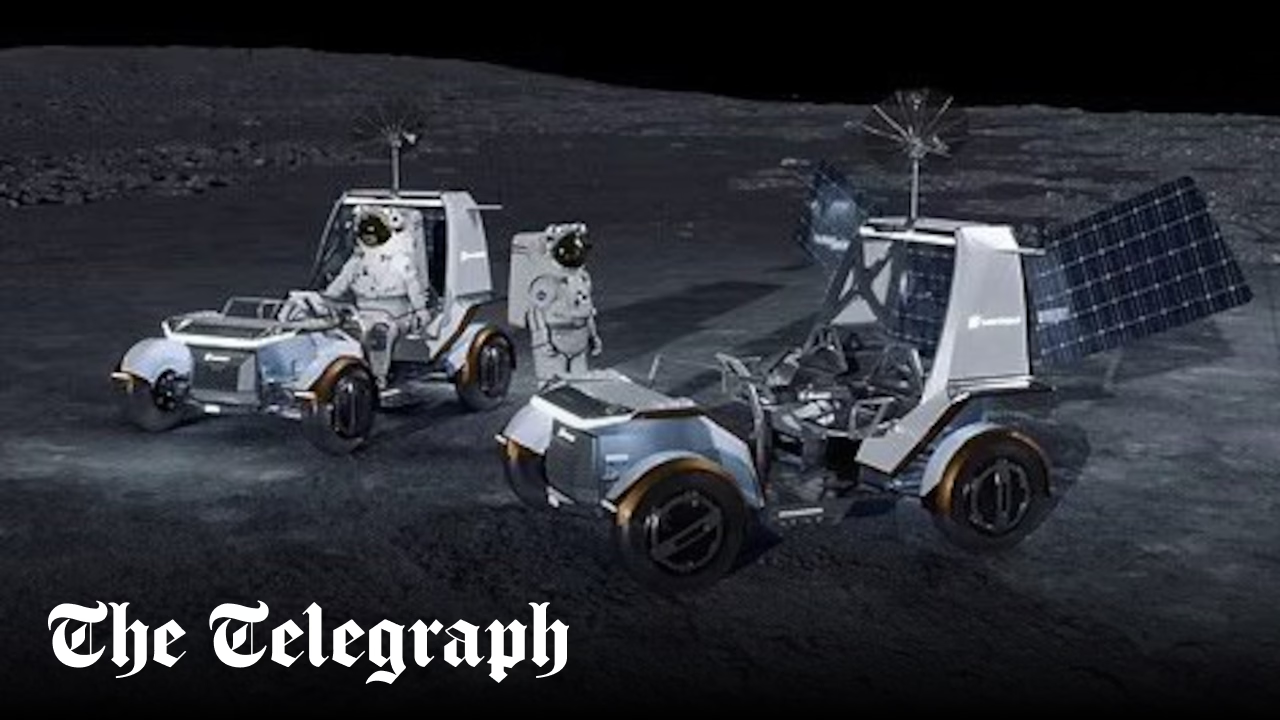
Carlos García-Galán, Nasa’s Moon base programme executive, said: “The LTVs [lunar terrain vehicles] will give astronauts the ability to conduct scientific research around the Moon.
“But it’s going to do a lot more than that, because in this case, we need it to work all year round [when astronauts are not there].
“We needed them to be on the surface doing things, to basically prospect at the surface, scope around to potential landing sites, or go to areas of deep scientific objectives.
“They can be robotically operated by people on the ground. They can work autonomously. And of course, when we have human crew missions, they will be driven by the humans.”
The rovers weigh in around one metric ton each – about the weight of a Fiat 500 – and need to fold up to fit into the landers. They can travel up to 6.2mph and go up slopes of 20 degrees.
The first design chosen is Astrolab’s Crewed Lunar Vehicle, or CLV-1, which resembles a small coach without horses, and can carry two astronauts.