
Quantum computers will not supersede existing machines, as there are many tasks they are not suited to.
But if they live up to the hype, they promise a raft of valuable solutions to problems we cannot currently crack.
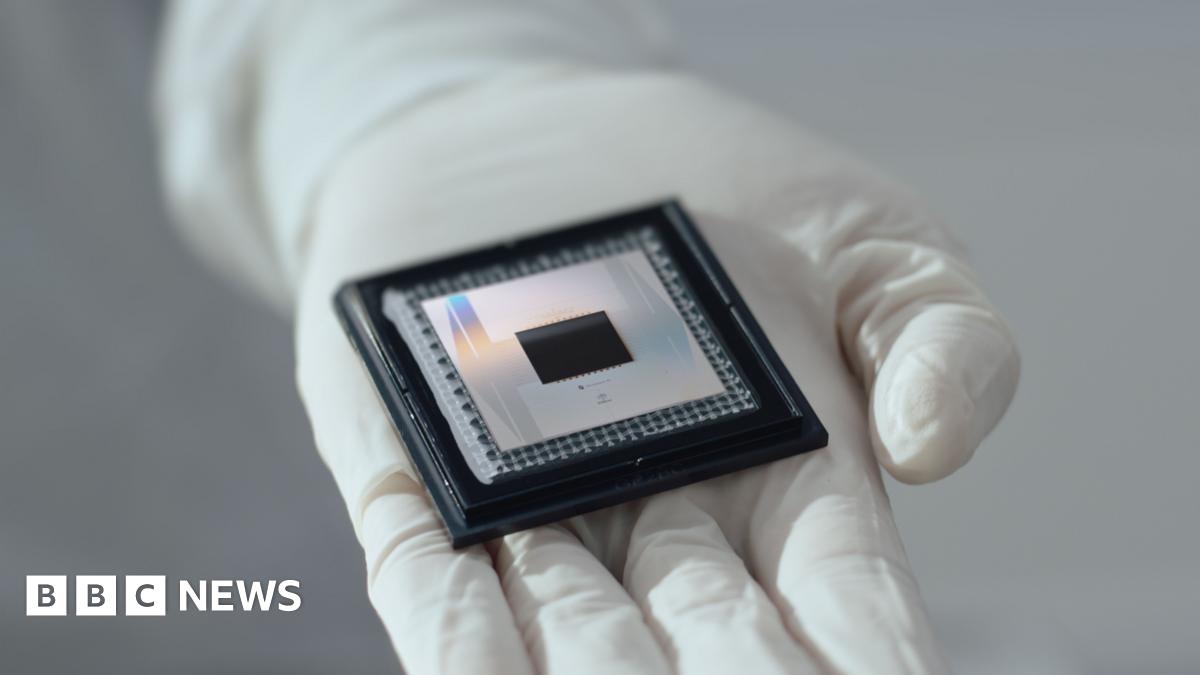
Earlier this year, Sir Peter Knight, Chair of the National Quantum Technology Programmes Strategy Advisory Board, told the BBC Willow broke new ground, opening the door for machines that were of real practical value.
However, Google faces strong competition from rivals with a strong track record in quantum research such as IBM.
Current projects face significant technical hurdles before they can scale the largely experimental devices of today into machines capable of a wide range of commercially valuable practical applications.
Dr Crane is optimistic. In an additional BBC interview on the Today programme, she said that by 2028 or 2030 there might already be ways in which quantum computers could solve “extremely useful problems”.
Not every application of quantum computing is unambiguously positive. Soon quantum machines may be able to break the encryption which protects everything from cryptocurrency transactions to private messages.
And some tech and finance companies have already taken steps to protect their systems from the quantum-powered spies and hackers of the future.